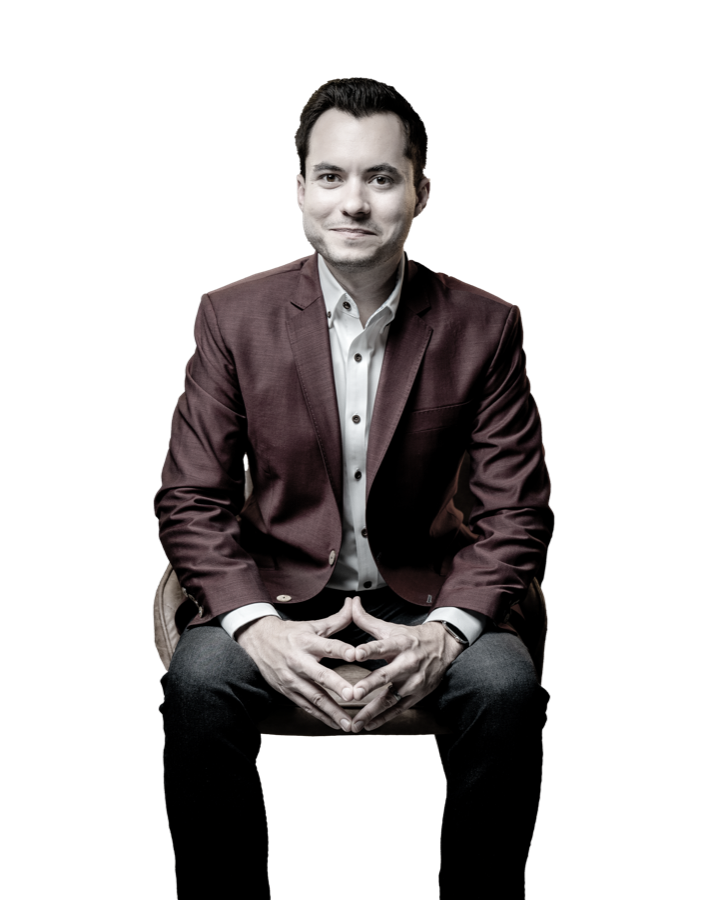

Mike Schneider
Founder, Acre Homes
Mike Schneider is the founder of Acre Homes and a longtime real estate operator who earlier co-founded First, a 2012 company that used machine learning to predict which homeowners would sell. He is a Durham-based millennial and a longtime friend of host Ryan Vet. At Acre Homes he builds a shared-appreciation model that lets people own a home without carrying a full six-figure mortgage.
Reviewed July 2026Mike Schneider is the founder of Acre Homes and a longtime real estate operator based in Durham, North Carolina. He co-founded First in 2012, part of the first wave of machine learning applied to real estate, building a model that tracked homeowners and predicted who was most likely to sell. The primary product served real estate agents, and Schneider grew the company and sold it. Along the way he identified a gap he kept returning to: roughly 28 percent of sellers had lived in their home less than five years, and for buyers 40 and under that figure runs closer to 40 to 50 percent, which makes a large loan and 6 to 10 percent transaction costs a poor fit for how many people actually live.
That gap led to Acre Homes, where Schneider works on a shared-appreciation model aimed at the affordability math that has broken for younger generations. Buyers put in 5 percent and take a 50 percent share of the home's appreciation, with no front-end transaction costs and a lower total cost of ownership than a traditional mortgage. Schneider calls the bundling of cheaper debt, insurance, and operations across thousands of homes the Costco effect. Two-thirds of Acre's customers turned out to be previous homeowners rather than first-time buyers, drawn by the pain of buying and selling under the current model. He has opened in a handful of Southeast markets and plans to expand more broadly.
Ryan Vet opens the conversation with a small Durham moment: he spotted Schneider walking down the street in wired headphones, two millennials quietly moving back toward the durable and away from the trendy. That instinct threads through the whole episode, which walks from the history of mortgages to the shared-ownership models the United States has not yet built. Schneider lays out three drivers of the affordability crisis, broken income-to-price math, delayed household formation, and the disappearing starter home, and pushes back on the popular story that Wall Street is to blame, noting institutional investors bought less than 1.6 percent of homes.
The discussion connects to Ryan Vet's framework of the factors that drive generational movement, with marriage and family dynamics surfacing as one of the levers: the median age of first marriage moved from about 23 in the 1980s to over 30 today, and home buying tracks that delay by seven to 10 years. Schneider's throughline is that once younger generations reach household formation, they buy at almost the same rates as prior generations, which reframes the doom headlines. The episode closes on the numbers he thinks get buried, a 65 to 66 percent ownership rate and 83 percent of Americans who still prefer to own over rent.
It is politically popular to blame Wall Street for our housing affordability challenges. It is not Wall Street's fault.
You walk across the threshold of that new $500,000 home you just bought, you're underwater until it appreciates 6 or 8%.
That's not even a concept here in the US. We assume ownership equals a mortgage.
Who is Mike Schneider?
He is the founder of Acre Homes and a longtime real estate operator who earlier co-founded First, a company that used machine learning to predict home sellers. He is a Durham-based millennial and a longtime friend of Ryan Vet.
How did homes get so unaffordable?
Mike points to three drivers: the affordability math broke, with income-to-price multiples rising from about 2x to 6x or more; household formation was delayed; and the affordable starter home largely disappeared.
Is Wall Street to blame for housing prices?
Mike argues no. Institutional investors bought less than 1.6 percent of homes, so blaming Wall Street is politically popular but misses the real, structural causes.
What is Acre Homes' shared ownership model?
Buyers put roughly 5 percent down in exchange for sharing 50 percent of the home's appreciation, with no upfront transaction costs and a lower total cost of ownership than a traditional mortgage.

Read the thinking behind every episode.
Join 23,000+ leaders reading Every Tuesday at 4pm ET.
Check your inbox to confirm. The next COLLIDE lands Every Tuesday at 4pm ET.