Back to ryanvet.com The Ryan Vet Show
Staying Relevant Season 1 · Episode 35 · Guest

Weh'yee Barkon: The Millennial Digital Nomad, Africa Rising, and Building a Borderless Life

37:24 June 29, 2026 With Weh'yee Barkon

Follow the show in your app. Apple leads on iPhone, Spotify on Android.

Summary

Trade a fast-rising San Francisco startup job for a one-way ticket to Casablanca, and you find the future of work.

Weh'yee Barkon was employee number seven at a fast-growing electronics-recycling startup, helping it climb from roughly one million to nearly seven million in annual revenue. Traveling constantly and climbing the ladder but unfulfilled, he bought a one-way ticket from San Francisco to Casablanca and spent twelve months moving through eleven countries, much of it overland. As a first-generation Liberian-American, the trip was also about rediscovering where he comes from.

A moment with a refugee family and a bag of charcoal in Senegal became the spark for Africa Rising, his recruitment firm connecting skilled African talent to global companies, alongside on-the-ground businesses in Dakar and Kigali. In this conversation with host and longtime friend Ryan Vet, the two dig into why a lean team of two to five people plus AI can now do what once took fifty, and why the age of AI is sparking a renaissance of in-person connection.


Key takeaways
1

A lean team of two to five people plus AI can now do what once took fifty.

2

In the age of AI, the real edge is getting back on the ground and shaking hands. Weh'yee sees a renaissance of in-person connection.

3

The return-to-office fight is the same push and pull that follows every period of change.

4

Hedging online income with real-world businesses, like rentals, a farm, and a butcher shop, builds a resilience a purely digital life lacks.

5

To truly experience a culture, get past being a country club visitor: engage its food, music, art, history, and ceremony.


Terms defined

Plain-language definitions for the ideas in this episode. Structured for search and AI answers.

Africa Rising noun · company

Weh'yee's recruitment firm connecting elite African talent to global companies, which he describes as a win-win-win.

In this episode: The business that grew out of his year traveling the continent.

country club visitor noun · metaphor

Someone who visits a country only through its comfortable, curated surface rather than actually experiencing the place.

In this episode: The trap Weh'yee avoided by living and working on the ground.

Workaway noun · travel

A program where travelers exchange work for lodging, immersing them in local life.

In this episode: How Weh'yee farmed in the Sahara and hosted a hostel in Seville.
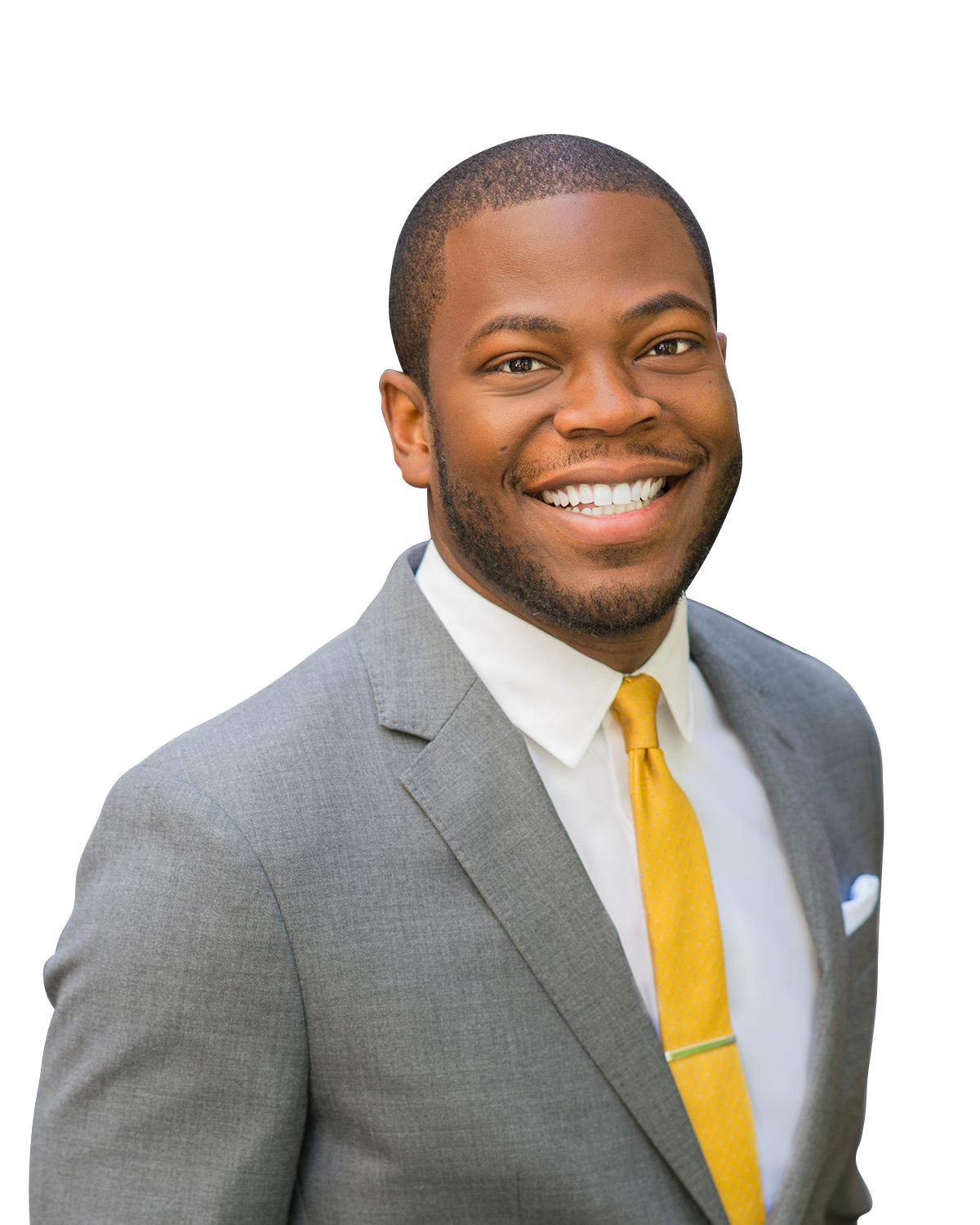

The guest
Weh'yee Barkon

Weh'yee Barkon

Millennial digital nomad

Weh'yee Barkon is a millennial digital nomad who traded a fast-rising San Francisco startup career for a borderless life, building work and community across Africa and beyond.


Transcript
00:00 Leaving a fast-growing startup behind
Ryan Vet · Welcome to another episode of The Ryan Vet Show. This is Ryan Vet, and I'm excited to have a friend with me that goes back more than two decades, Weh'yee Barkon, who really is embracing what I'd say is a trend among many millennials. He and I are both squarely in the millennial generation, and he's doing something I haven't had the chance to embrace, but over 18.1 million millennials are embracing this lifestyle: the idea of being a digital nomad. What does it mean to take life abroad, be on the road, and explore different work opportunities? So Weh'yee, thanks for being here.
Weh'yee Barkon · Thanks for having me, Ryan.
Ryan Vet · Absolutely. I'd love to go back to maybe the late 2010s in California. You were in the San Francisco area, you had a great job, and something changed inside of you. Could you start with that journey as we unpack this world of digital nomads?
Weh'yee Barkon · Yeah, for sure. So you have it right. I was living and working in San Francisco, also in Oakland. I was working with a startup called Revivn. Revivn is a B2B enterprise electronics recycler. They had a lot of tech clients, Facebook, Palantir, Airbnb. This was a little earlier than today, so a lot of those companies were on the rise and scaling really quickly. I was part of the growth for the team, based in San Francisco, managing clients on the West Coast as well as Denver and Texas. I was traveling a lot, climbing the ladder. For context, when I joined it was a team of seven, and they had just crossed the one-million-dollar mark. By the time I left a few years later, they were inching toward six or seven million dollars annually. So lots of growth in a short amount of time. It was fun. I was getting the travel. Being an East Coast person, this was my first time not just living on the West Coast, but visiting, and then I got a chance to move there. So it was really fun, but I wasn't feeling fulfilled. Really there were two things. One, I wasn't feeling fulfilled, but the travel was also taking a toll on my health. I wasn't doing well health-wise, and I realized something needed to change. I was also at a point where I was single, didn't have any kids, very flexible. I knew that if I wanted to see what else was in the world, this was a window where I could do it. So I took the leap and bought a one-way ticket from San Francisco to Casablanca, Morocco. I spent the next 12 months visiting 11 different countries.
02:44 A one-way ticket to Casablanca
Ryan Vet · Wow. So you bought a one-way ticket and started in Casablanca. Why Casablanca?
Weh'yee Barkon · Yeah. I knew I wanted to come to the continent, to Africa. I'm Liberian-American, first generation. Both my parents were born and raised in Liberia. My brother and I were born in New York City. So I knew I wanted to visit where I'm from, this part of the world. My plan was to backpack from Casablanca to Lagos, Nigeria, and when I got to Nigeria, I was going to try to start a company. It was all going to be over land. I didn't want flights, I wanted to truly travel through the region. Casablanca was the most northern point that made sense, so I started there. That's why I flew into Casa. I did a lot of other countries in between, so I actually didn't go straight there, but that was the original thinking behind Casablanca.
Ryan Vet · That's amazing. Had you been to Africa before that one-way ticket?
Weh'yee Barkon · No, first time. A lot of the diaspora, I have a lot of Nigerian friends, or Ghanaian friends, even Kenyans, who used to go home every summer. But Liberia had multiple civil wars, so there was a disconnect for me where I wasn't able to go back, so to speak, whereas a lot of other African-Americans who know where they're from do get that chance. So for me, part of it was the excitement of being a digital nomad, but I'll be honest with you, a lot of it was trying to rediscover my roots, understand who I am as a young man, and better understand what the world was about. I knew there was a world outside of America, but I hadn't really experienced it in a lived way. If you go on vacation or you travel, that's one thing. But to actually uproot your life and live, or do extended travel somewhere, is something quite different, and that's what I discovered during that first year.
04:43 What his employers thought
Ryan Vet · I want to come back to that in just a minute, because I think it's so important. You wanted to go back to your roots and understand history that you had not personally experienced. And you also said something really important: we've become basically country-club visitors of different countries. We go in, we see the best parts that are curated for a certain tourist, and then we leave, and we don't actually experience the country, we just experience something we're already familiar with in a different land. So I want to come back to that. But before we do, I have to know, what did your employers think? You're in a high-growth startup. I spent many years in that world too. It's intense. You're like a family, especially when you're growing, and you have a number. You knew you were number seven. When you have a number, you're part of that story. How did they feel when you were buying a one-way ticket?
Weh'yee Barkon · Yeah, they obviously tried to convince me to stay at first. It's a funny story, because I had a cross-country flight from New York, and you know how sometimes they overbook the flight, and if everyone shows up they offer you money to take the next flight? This was a bigger deal, because it was a Sunday night, and people were trying to get back to the West Coast for work on Monday. So no one was taking the money, and they kept increasing it. Eventually it got to like $1,200, and that's when I was like, yeah, I'll take it. So I got the next flight, and I had this money. That's kind of what initiated me looking into doing a longer-term vacation. Because exactly what you're saying, I originally was just looking for a two-week vacation. I was going to take an extended vacation and then come back. So that's what I told them initially. But the more I thought about it, the more the months passed, I realized, I don't know if I want to come back. We were close. It wasn't just a commercial relationship, they were really my mentors. So I just explained what was on my heart, that I really wanted to take time to see what's out there and rediscover my roots. After the initial shock, they really supported me. I think the best employer wants what's best for you as an individual, and that's what I felt from them. They totally supported me in my journey, and we're even good friends to this day.
06:56 Why this generation craves real experience
Ryan Vet · That's really good. Now, one of the things that make up the millennial generation is this idea of experience. We saw pictures of people wanting to go to the Bahamas so they could take the picture swimming with pigs, be on the yacht, and then put it on Instagram. But as millennials age, and we move from the early 2000s to where we are today, we started seeing them shift from the Instagram-worthy experience to something more substantive, more purpose-driven. You used the word purpose, and I think that was profound. Do you have any insight into why you think our generation might have this innate desire to experience other cultures and societies?
Weh'yee Barkon · Yeah, I might push back on that a little bit. I don't know that it's unique to our generation. In some ways we're just discovering it because we're getting older. Life is changing, and don't get me wrong, I definitely was Instagram-worthy, and that was cool. But as you grow and mature as an adult, you start to realize there are deeper, more profound and important things in life. Combined with the fact that, for our generation, technology is also changing and takes a toll, and you can find yourself consumed with the digital, online world. That personally drove me to seek something a little more tangible, some real substance, which meant being on the ground, meeting people, shaking hands, putting your hands in the dirt. So I think it's a combination of both, maybe 60-40, where we're just maturing and getting older, but then there's another 40% that's definitely, we've had the tools of technology from a very young age. But we also remember, I think we're probably the last generation that remembers before technology. Being young and seeing a little bit of both sides gives us this balance, this curiosity to look into other things.
Ryan Vet · I think you're spot on. We saw with baby boomers, some of our parents and our friends' parents, they were all about building their career and earning money so they could give us a better life than they had growing up. And for those of us right at the age where half our friends had Gen X parents and half had boomer parents, the Gen X parents were the helicopter parents. They swooped in because they felt neglected as children and wanted to reverse the curve. So you have us, and I think you nailed it, we're halfway between. We saw a foot solidly on the ground in real life, and we had a foot trying to figure out what the internet and social media were. We saw people like Justin Bieber and Susan Boyle go from rags to riches on YouTube at the dawn of YouTube, and I think a lot of us thought that could be our dream and our reality. And now you've taken that another level and said, that's good digitally, but I want to experience it, I want to feel it. You just said, I want to shake hands. So you landed in Morocco.
09:01 12 months, 11 countries, and Workaway
Ryan Vet · Walk me through the next, you said 11 countries, and tell me some of your highlights. Then I want to get to what you've built and why you think this is the future.
Weh'yee Barkon · Yeah, sure. It's a really long story, I won't go into all the details, but I'll give you the highlight reel. I started in Morocco. By the way, I had about $10,000 saved up. So I had the flight for free, basically, from the airline, and I had 10 grand. I'd booked three nights at a hostel in Casablanca, and that was literally it. Beyond the first three nights I had no tangible plan. I didn't really know what I was going to do. And like I said, over the next 12 months I ended up going to 11 different countries. Long story short, I discovered a program called Workaway. For anyone listening who isn't familiar, it's basically what it sounds like. It's a program where you volunteer with different hosts in multiple countries, and in exchange for your volunteer services they give you room and board. So as I started to travel, I didn't have that much money, and I realized pretty quickly, within the second week, that if I was going to make it all the way to Nigeria, I needed a way to stretch this money. Workaway was the way. I was in Marrakesh talking with a guy, he was 18, from Toronto, Canada, and he was telling me how he'd been traveling for six months. I was like, how are you doing this financially? And he introduced me to the program. So, for example, in Casablanca I was at an English language school, and it was basically English practice. They would teach, and then they wanted to practice with live native speakers, and in exchange they gave me and a few other people an apartment and fed us. Once you have food and rent covered, there really is no other expense. It's just toothpaste and deodorant and the stuff you need to sustain yourself, some personal items. Through that program, I was able to spend time with two brothers in the Sahara Desert doing agriculture. I spent about a month with them. They were trying to grow crops and take care of animals. That was a really impactful experience, because I lost like 35 pounds in the span of a month. It was really zen. I've never felt that good and just cleansed. I didn't have Wi-Fi, I was completely unplugged. Out of that experience I was like, this is really cool, but now I want the complete opposite, because I felt so starved for a lot of things. So the next volunteer experience I did, I spent the summer in Seville, Spain, as a host at a hostel. Anybody who's been to the south of Spain in the summer knows all of Europe comes there for the warm weather. It's really nice. One of the first things I saw on the description of the volunteer opportunity was, part of your job is going to be taking the guests out to the bars for drinks, and I was like, sign me up. So it was a crazy summer, a lot of fun, a lot of partying, just to show some of the experiences I had, from extreme to extreme. So I did Morocco, went through Spain, Italy, went to Turkey for a while with a good friend I met in Spain who was also volunteering at the hostel. I spent time in the Netherlands and France, and then eventually made my way back to Morocco and picked my trip back up to continue moving further south into Africa. I crossed over from Morocco into Mauritania, then moved through Mauritania into the north of Senegal, across the river, and that's how I ended up first visiting Senegal. This is way back in 2019. The time I got to Senegal was probably October 2019.
13:56 What his family thought
Ryan Vet · Okay, that's a wild adventure. What did your family say? What were they saying to you?
Weh'yee Barkon · Yeah, my mom is very supportive. Of course, moms are always going to be nervous about it. But my family has always supported the idea that if you want to do something, you should go for it and just try it out. They know how I am. I've kind of been curious about the world and sometimes do some crazy things, obviously. But yeah, they're really supportive, so there was no pushback. At first there are questions. What is it like? Is it safe? But when people actually see you doing it, then even if they don't understand, it's real at that point. I know family holds a lot of people back, but I think taking that first step to do it, and then they start to see the pictures and videos and the content that can come from it, and then, even if at first they were scared, they call you on the side and say, hey, can I do this too? How does it work? I want to come visit you. Actually in Spain I had several friends come out and visit me and spend time. So all in all it was really supportive and felt really good.
15:09 The charcoal that sparked a business
Ryan Vet · That's wonderful. So you finally got back on track and continued your trek down through Africa. And at some point you were inspired. You've always been entrepreneurial, and you knew at some point you wanted to do something entrepreneurial. But at what point did you have this light bulb moment?
Weh'yee Barkon · Yeah, it actually was an accident. It wasn't necessarily a light bulb moment. I definitely think the entrepreneurial itch started with working with the startup in New York and California. That exposed me to it, and you've been part of a startup, you know it's great exposure. You can start from nothing and build something. A lot of what we see in society outside of the public sector is actually entrepreneurial activity, we're just sometimes so far removed from the source that we don't realize it. Being that close to an early-stage team really opened my eyes to the fact that you can create and build anything. This is how the world actually works, and this is how people create value and make money. So that's where it really started for me. On the ground, on the continent, it actually happened by accident. When I got to Senegal, I was volunteering at a nonprofit that was helping vulnerable women and children in difficult situations. There was this family from the Central African Republic who were refugees at this nonprofit, and the community I was part of was helping to support that family. But one of the sisters got pregnant, and it was a very strict Muslim program and culture, so that clearly was against the rules, and they ended up getting kicked out of the program. I understood there are rules you have to abide by, but it also felt to me like, this doesn't make sense. I thought this program existed to help people in this situation, and you're basically putting these people on the street. So I stepped in personally to help this family, but I didn't want to just give money. That development-world mentality of just pour money into the solution and it'll fix itself doesn't work. So even then I was like, hey, I can't just give you cash, but what are you actually doing to sustain yourself already? And they were basically buying and reselling charcoal. In this part of the world, a lot of people use charcoal to cook, they don't have gas or electric stoves. So they buy charcoal, light it on fire, and that's what they use to cook. You can go to the store and buy a few coals, whatever you need, they'll sell it to you piece by piece. So they were buying small batches, setting up shop in the neighborhood, and reselling it for basically pennies on the dollar, just a little bit more. That's how they were having money to buy supplies for themselves. So I saw that and thought, okay, how much more could you make if you had the money to buy the entire bag, which at that point was maybe 75 bucks? We did the math, put it into a spreadsheet, and I saw the numbers on the other side and thought, oh, this is interesting. So I bought it, they sold the whole bag, and the money was there at the end. If you're asking for a light bulb, that was the moment it clicked for me. Oh, this is an interesting opportunity to use dollars in a market where they go much further and still have money on the other end. That's when I started to go down the road of, if this works, what else can work in this part of the world?
18:51 Building Africa Rising
Ryan Vet · Wonderful. And I think you said something really interesting. If you haven't had an opportunity to travel to a country or area that's developing, and not like the US or the Western world, there's this mentality here that we'll send money, we'll dig wells, not that there's anything inherently wrong with that, or we'll send clothes, but that can upset a local economy. I've had the opportunity to spend some time in West Africa, in Ghana and Togo, and some other developing parts in Eastern Europe and Asia. And I think what you just described is so important, empowering locals to be part of their economy and do what they're already doing, but helping them, giving them the dignity they had in their job and their work. So you started with this charcoal, your burning ember moment, maybe not your light bulb moment. And you've now developed what you call Africa Rising. Could you share a little about that, your vision, and what it's doing today?
Weh'yee Barkon · Yeah, sure, absolutely. There's a lot that happened in between, but to fast-forward, we started with charcoal and did a lot of micro-experiments on the ground where we were trying to buy and resell things. This led me to realize that this model could work, but you needed a lot more money to make it work. Unless I was just trying to cover rent and have a little pocket money, if I really wanted to create wealth for myself, I needed more capital to put in on the front end. So this led me into consulting, leveraging my startup background to work with companies in the US and also on the continent. I gradually moved away from being a full-time W-2 employee to being more of a contractor, and eventually into consulting. A lot of the consulting I was doing was business-related: startups, sales, customer success. Eventually I moved into recruitment, which I think was a really great blessing, because as you mentioned, one of the big problems on the continent is job opportunity and people having dignified roles. There are lots of really educated, really smart people who just don't have the opportunity to put those skills to work and leverage their education and experience. So the question for me was, how can I use all this experience I have to help connect those people to jobs and opportunity? That's how I moved into consulting for recruitment and executive search in Africa, and eventually creating my own recruitment firm called Africa Rising, which helps talent on the continent find global opportunities. Just like you and I are not on the same continent right now but we're having this call, I realized there's tons of really skilled, high-value African talent that could be helping entrepreneurs and businesses in the US, Canada, the UK, and other places. So that's what the business is about. One quick thing I'll say is that it's truly a win-win-win. For clients based in other places, a lot of entrepreneurs are trying to figure out how to extend runway. These are difficult, unsure times, we don't know what the future is going to look like, and if you can still work with top-class, elite talent, but you don't have to do it at San Francisco prices, I think that's really attractive for a lot of founders and entrepreneurs. And similarly for the talent, a lot of times they either can't find a job at all, or if they can, it's not at the level the work they're doing warrants. So they're able to find an opportunity that pays them way more than what's available in their domestic market. And we as a business are in the middle of that.
23:05 A more connected, more mobile world
Ryan Vet · That's wonderful, and I love that you're doing that. And it started with your desire to just go and experience a part of the world that I think a lot of people wouldn't naturally go to, for many reasons. It's not the place everyone's posting on Instagram. It's not Santorini, the one picture everyone stands in line all day to get. Not that there's anything wrong with any of those experiences, but I think you're doing something unique and wonderful. Now, one of the big changes we're starting to see, and this is global, is that social media and AI are almost great leveling fields. They're making the world accessible, and in a way more unified, while at the same time more polarized than ever, because people have instant access. We can do this call before, even rewind 15 years, I'd be going to Walmart to pick up a Vonage calling card, dialing some long number hoping to connect with you, and probably missing it and getting the time zone wrong. Now it's free for us, whatever we're paying for our internet. So what are you starting to see from your seat in Africa? Is the world becoming more unified, or is that a one-sided perspective, unified in understanding the same things, maybe not agreeing on them?
Weh'yee Barkon · Yeah, specifically as it relates to technology, or just more broadly?
Ryan Vet · Just more broadly. Are you starting to see cultural trends that might have been more isolated to the Western world starting to take form in real time in Africa, for example?
Weh'yee Barkon · Yeah, definitely, I think so. I think the world in general, and this has been happening, but even more so today than 20 years ago, there's a lot more movement and migration. I'm one example, we're having this conversation, but there are so many other Americans or Europeans. The Europeans have been traveling for a long time anyway, but a lot more people are moving, or considering and thinking about moving, than ever before. Specifically from my perspective, I'm African-American, so I get a lot of questions in my LinkedIn inbox every week asking about my story and how they can do the same thing, specifically as it relates to the African continent. But beyond that, there are so many people moving to other parts of the world, starting to mix and blend and even marry into different cultures, and that in itself is creating a lot more globalization. I'll also say, within the continent, Africans are also moving to different African countries. And Dubai is a really interesting market, which I know has been a buzzword in the digital-nomad and global-mobility community for a while. I just went to Dubai in January for the first time, this is before the conflict with Iran broke out, and I can't tell you how impressed I was. I didn't want to go originally, because I thought it was just going to be like Las Vegas, a city in the desert, kind of fake and fabricated. And I didn't feel that at all. It was so clean, so safe, really a true global city. There was representation from so many different countries, a lot of Africans, a lot of people from South Asia, from the Far East, as well as Western countries. It felt like a really nice melting pot. It opened my eyes a bit more to what's happening. The internet, I feel, is a great equalizer, and you can see equally what's happening across country lines in a way we couldn't before. But now people are starting to move and really put those things into action. It's interesting. As I think about the future for myself, I have one foot on the continent, but I'm also thinking about either Asia or, before, I was thinking about something in the Middle East as a potential second location, to further diversify myself. Because I think the concept of, I was born here and I live in this one city, is actually dying out. In the future, you don't necessarily need to exclusively spend the whole year in any one place if you don't want to.
27:37 The future of work and AI
Ryan Vet · So what does that mean for business leaders, especially US business leaders? You've got some companies really pushing return to the office, pushing that you must be here, we're going to reimplement the 40-hour work week, all these things that COVID kind of broke up, if we were to pick a defining moment. Technology started it, COVID was a defining moment, and then we've seen the aftermath. What would you say to leaders who are afraid or worried? It breaks down innovation, you can't collaborate as well, you've heard all of it. What do you say to them?
Weh'yee Barkon · Yeah. So just to give context, this historically always happens. It's like the push and pull. Anytime there's societal change, there's progress, and then there's another side that tries to reel it back in. You can go back and forth, but I think the general trend is clear that that's the direction we're moving, toward globalization and distributed work. And with AI, this is the real game changer. Whereas you used to need 50 to 100 people to have leverage, the more people you had, the more leverage, now you can have one, two, five people max and really create a nice business for yourself. So I would just tell those leaders to keep an open mind, because change is coming. Whether or not we want to accept it, I don't think any of us truly understands what AI is going to do to the future of work. I think it's going to completely radicalize a lot of white-collar jobs, and potentially even blue-collar, in-person jobs once you marry AI with robotics. So there's a lot of change on the horizon, and I think it's important for people to keep an open mind, not just philosophically or intellectually, but actually in practice. Put yourself in a position where you aren't caught off guard, where you do understand what it means to hire somebody in a different part of the world, or what it means to work remotely for a month in a different location. Because it can feel scary when you're sitting in a comfortable office space and you've never had that experience. Is the Wi-Fi going to work? Is the lighting going to be okay? But go to Mexico City, or go somewhere like the Bahamas, take your laptop and work remotely for a couple of weeks, and realize that everything's still working, nothing's broken, and I can continue. So that would be my advice. You don't have to buy a one-way ticket and spend 12 months traveling, but put yourself in a position where you start to play with some trends you think may happen in the future, and get some experience with what it's like and whether it works for you. You might be surprised what you find.
30:26 Why being on the ground still wins
Ryan Vet · That's great advice. You said quite a few things I want to come back to. The first is you can have a business based on AI with two, three, or four employees. That goes back to the Main Street business era of America, or how most of the rest of the world still works, without big corporations, where they have a small bodega or a local shop. I think we're going to be able to have the output, with AI and just a few team members, that the coffee shop down the road on Main Street USA used to have. So there's a lot of validity there. And the other piece you said, and it's so important, we hinted at it at the beginning, is that it's easy to travel to places, go to the resort, get in the car from the airport, and miss the country. It's great stamping your passport and all of that, but early on, actually in 2008, I went to China by myself. I was in high school still, and it was absolutely incredible. It was for a cultural exchange program over the summer, and they taught me something I've taken anywhere I've gone. You've got to experience the food, which I love doing, so that was easy. You've got to experience the music. You've got to experience the art. You've got to experience their history. And then you've got to experience whatever their religious ceremonies are, whether that's a worship center, if they allow you into it, some religions won't, or a funeral or a wedding. I've been able to experience funerals, weddings, celebrations, food, culture, and dance from all around the world. And there's just something about that, when you get to experience it, you realize people are still people no matter where we are. AI cannot replace that no matter how hard it tries. Social media cannot expose you to it no matter how hard it tries. There's something about, and it goes back to what you said, shaking hands with people. And that's a lost art form I hope we don't let go extinct.
Weh'yee Barkon · Awesome, I totally agree. And I don't think that, if anything, there's a renaissance of that happening. The more that AI and technology are being pushed, just like we said earlier, people are searching and seeking for something deeper, and they're reverting to more in-person things. I think with the rise of AI, how do you win in the age of AI? Part of it is actually being on the ground, actually meeting people, going to conferences or events, being face to face with people. So part of our strategy is staying lean and leveraging AI where it works. But then we also have another side of the business where we do physical things on the ground. Here in Dakar, we have four apartments where we run short-term rentals. We have a farm, we didn't get into this earlier, a farm that's about two hours away. And then in Kigali, Rwanda, in East Africa, we also have a butcher shop where we resell beef, poultry, and fish. So I'm very aware that this change is happening, but it's grounding me and making me realize that, hey, what we're doing online, maybe it won't be sustainable long term, it could be disrupted by AI. So while things are working and doing well, let's hedge by also being on the ground and building businesses that we feel will never go away. People are always going to eat. People always need somewhere to sleep. People always need water. So there are just some things that won't go away no matter what happens.
34:10 The farm, and final advice
Ryan Vet · That's so profound, and people won't go away. We're always people interacting with other people, so I love that. Real quick, tell us briefly about the farm, because that's super interesting. And then after that, give us any closing thoughts you have, advice for people in our rapidly changing world, how to stay grounded, how to either pursue a nomadic lifestyle or just stay connected to humans around the world.
Weh'yee Barkon · Sure. The quick thing I'll say on the farm is that farming is very hard. It looks easy, you're like, yeah, I can do that, just throw some seeds in the ground and pour water. It's not that simple, and it's something we're still figuring out. But it's super rewarding, because you're dealing with the local populations. To your point about your checklist when you're traveling, wanting to get involved, I think whenever you're staying in a place longer term, like I have been, it's very easy to do the same thing, where even though you're living here, you're just going to these expat-style restaurants and you have your own insular bubble within the city. Being on the ground and doing things like the farm has really helped pop that bubble, because then you have to deal with the local population, in a good way. You're partnering with people, you're doing business, it's commerce. So that's been fun, but really tough. We've tried a lot of different experiments. We're really focused on poultry right now, so chicken farming, that's the main thing. And then we slowly want to move into beef and dairy. The reason I say slowly is it's a little more expensive. The animals are bigger, they eat more, and if they get sick the cost to take care of them is more, you need more space, which means more land. So we need to build up to that. Chickens are much more manageable, I would say. So that's what we're doing on that front. And then, parting words, I don't really have much. I would just say that if you've been curious about travel or a digital-nomad lifestyle, just try it. Start small. You don't have to buy one-way and go for 12 months. If you're down to do that, definitely do it, and you can do it. But if you can't, I can't tell you how many times I used to travel to LA from San Francisco for work, and I'd have a long weekend, maybe a holiday weekend, or I had something on a Thursday and didn't have something until Tuesday. I could have just driven to Mexico. It's right there. I could have gotten in my car and gone for a long weekend, but I never did it. And now that I'm living this lifestyle, I regret it. So if you have a window, even if it's for a week, or some opportunity to get outside your bubble and disrupt your rhythm, I would encourage everyone listening to definitely do that.
37:05 Where to find Weh'yee Barkon and Africa Rising
Ryan Vet · Yeah, of course.
Weh'yee Barkon · If anyone's interested in what we do at Africa Rising, you can either go to our website, which is africarising.work, or you can just search my name on LinkedIn. I'm pretty sure no one else has my name. I don't know if you'll put that in the show notes or something like that, but yeah, that's it.
Ryan Vet · Awesome. I appreciate you being here on The Ryan Vet Show today, sharing your story, your journey from California to West Africa and everything in between, and really your desire to go back to the roots of not only your own history, but of human nature, and the importance of being involved in your local community, whether that's in the United States or in Africa with a farm, a butcher shop, or a company, and really investing in people, because that's one thing that's not going to change. So I want to thank you so much for your time today.
Weh'yee Barkon · Thank you, Ryan. It's been a pleasure.

Frequently asked
Who is Weh'yee Barkon? +

He is a first-generation Liberian-American entrepreneur and former startup operator who now runs Africa Rising, a recruitment firm connecting African talent to global companies, along with on-the-ground businesses in Dakar and Kigali.

What is Africa Rising? +

It is Weh'yee's recruitment firm that connects skilled African professionals with global companies, which he frames as a win for the talent, the companies, and the continent.

What does this episode say about the future of work? +

Weh'yee and Ryan argue that small AI-augmented teams can now do what large teams once did, that the return-to-office fight mirrors past periods of change, and that in-person, on-the-ground connection is becoming a competitive edge, not a relic.

How do you actually experience a culture when traveling? +

Ryan offers a framework: go beyond the tourist surface and engage a place through its food, music, art, history, and ceremony.


Resources mentioned
Also mentioned
Full show notes

What happens when you trade a fast-rising San Francisco startup job for a one-way ticket to Casablanca and no plan past three nights in a hostel? Weh’yee Barkon found out. He joins Ryan Vet, a friend of more than two decades, to talk about the digital nomad life, rediscovering his roots, and building businesses across Africa.

Weh’yee was employee number seven at a fast-growing electronics-recycling startup, helping it climb from roughly one million to nearly seven million in annual revenue. He was traveling constantly and climbing the ladder, but he wasn’t fulfilled, and the pace was wearing on his health. Single, no kids, and standing in front of an open window of time, he bought a one-way ticket from San Francisco to Casablanca and spent the next twelve months moving through eleven countries, much of it overland.

As a first-generation Liberian-American whose parents were born and raised in Liberia, the trip was about more than travel. It was about rediscovering where he comes from. Along the way he lived on a Workaway program, farmed in the Sahara, hosted a hostel in Seville, and eventually crossed into Senegal, where an accidental moment with a refugee family and a bag of charcoal became the spark for everything that came next. Today he runs Africa Rising, a recruitment firm that connects skilled African talent to global companies, alongside on-the-ground businesses including short-term rentals in Dakar, a poultry farm, and a butcher shop in Kigali, Rwanda.

This conversation is really about the future of work. Weh’yee and Ryan dig into why a lean team of two to five people plus AI can now do what once took fifty, why the return-to-office fight is the same push and pull that follows every period of change, and why, in the age of AI, the real edge is getting back on the ground and shaking hands.

In this episode:

Why Weh’yee left a fast-rising San Francisco startup at the top of his climbThe one-way ticket to Casablanca, eleven countries, and traveling overland with about ten thousand dollarsRediscovering his Liberian roots as a first-generation Liberian-AmericanWorkaway, a month farming in the Sahara, and hosting a hostel in SevilleWhy we become “country club visitors” of other countries, and how to actually experience a placeThe charcoal-bag moment in Senegal that became his entrepreneurial sparkAfrica Rising: connecting elite African talent to global companies, and why it is a win-win-winHedging online income with real-world businesses: rentals in Dakar, a farm, a butcher shop in KigaliWhy a team of two to five people plus AI can now do what once took fiftyThe return-to-office push and pull, and Ryan’s advice to leaders afraid of distributed workWhy the age of AI is sparking a renaissance of in-person, on-the-ground connectionConnect with Weh’yee Barkon:

Africa Rising: africarising.workLinkedIn: linkedin.com/in/wehyeebaConnect with Ryan Vet:

Website: ryanvet.comCOLLIDE Newsletter: ryanvet.com/collideLinkedIn: linkedin.com/in/ryanvetInstagram: instagram.com/ryancvetBook Ryan as a Keynote Speaker: ryanvet.com/generational-speakerSubscribe to The Ryan Vet Show on Apple Podcasts, Spotify, YouTube, and wherever you get your podcasts. The guest era continues every Monday at 6am ET. Next week: Nicki Petrosi on “Scrolling to Death,” and what always-on screens are doing to all of us. The COLLIDE essay podcast continues every Thursday at 7am ET.

Send us Fan Mail

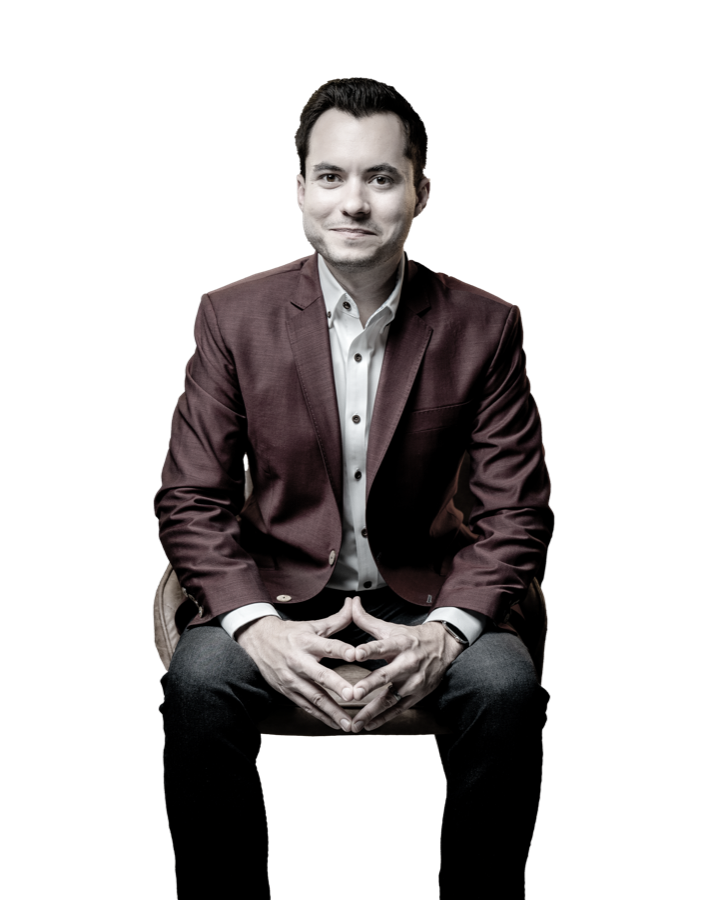
About Ryan VetRyan Vet is a USA TODAY bestselling author, futurist, and international keynote speaker whose insights on generations, culture, and the future of work have been featured in Forbes, Financial Times, ABC, NBC, and CBS. His research helps leaders understand emerging generational patterns and anticipate societal shifts before they fully unfold.

Join 20,000+ Leaders for Weekly InsightsIf you want deeper research and behind-the-scenes insights on generations and the future of culture and society, join Ryan’s weekly newsletter: 👉 https://ryanvet.com/collide
COLLIDE · A weekly essay by Ryan Vet

Read the thinking behind every episode.

Join 23,000+ leaders reading Every Tuesday at 4pm ET.

Free. Weekly. Unsubscribe anytime.
Ryan Vet