When Forecasts Create Panic
Why panic buying is actually a leadership problem.
Read the full essayThe data behind this essay. Every figure traces to a source the essay cites. Hover any card to share it.
Change without vision creates fear. Fear drives irrational behavior. And irrational behavior destabilizes teams and organizations.
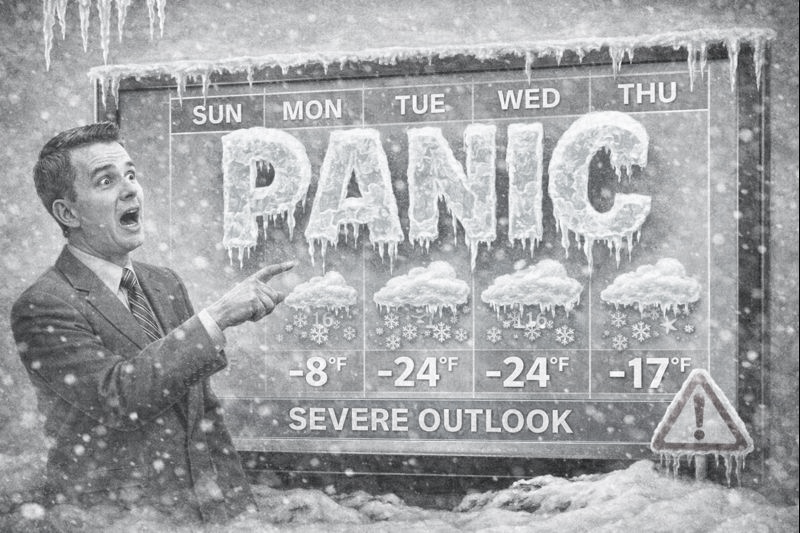
More than 12,000 flights were cancelled and over 200 million people were placed under some form of severe winter weather alert (NBC News, 2026). Forecasts in North Carolina swung from 29 inches of snow to no snow at all to devastating ice. Bread, milk, and eggs vanished from shelves, a ritual dating back to the Great Blizzard of 1978 despite those being the items most likely to spoil.
Panic buying is not really about preparedness. It is about fear, uncertainty, and the loss of perceived control. Ryan cites behavioral finance professor Hersh Shefrin on the difference between emergency preparedness and panic, and Yale's Ravi Dhar on why the risk of running out feels worse than overspending. When the people delivering information speak with authority and emphasize worst-case scenarios, fear spreads faster than facts.
Leaders do the same thing. They announce the new logo, the new org chart, the product line being removed, and assume advance warning equals preparation. Ryan describes a legacy organization whose change was thoughtful, necessary, and backed by years of board deliberation, then delivered like a weather forecast: lots of data, lots of detail, very little meaning. The result was not alignment. People disengaged, and some left, not because the strategy was wrong but because the story was incomplete.
The parallel he draws is to his own work. Meteorologists do not guess, they analyze decades of pattern data. A good futurist does the same with human behavior, and is comfortable saying we do not know yet. The distinguishing mark of both a good futurist and a good leader is the same: they do not incite panic.
More than 12,000 flights were cancelled and over 200 million people fell under severe winter weather alerts, while North Carolina forecasts swung from 29 inches of snow to none at all (NBC News, 2026).
Panic buying is not about preparedness. It is about fear, uncertainty, and the loss of perceived control, which is why the risk of running out feels worse than overspending.
Change without vision creates fear, fear drives irrational behavior, and irrational behavior destabilizes organizations.
Leaders announce what is changing and assume early warning equals preparation. Without the why, people do not fill the silence with logic, they fill it with fear.
A futurist does not exist to predict your future, but to help you understand the forces shaping it. Good futurists and good leaders track what is coming without declaring every shift an emergency.
Plain-language definitions for the ideas in this episode. Structured for search and AI answers.
Purchasing driven by fear and the loss of perceived control rather than genuine preparedness. It spreads through herd mentality, where seeing others stock up triggers more of the same.
In this episode: The empty bread, milk, and egg shelves that open the essay.
The downstream consequences of a change rather than the change itself. Ryan argues good futurists and leaders spend their attention here instead of on the trending headline.
In this episode: What separates a grounded forecast from an alarm.
Not passivity or disengagement, but groundedness earned by watching enough cycles of change and uncertainty to know that panic rarely produces clarity.
In this episode: The compliment from Elon University president Dr. Connie Book that Ryan calls one of the best a futurist can receive.
Lines worth keeping, verbatim from the episode.
Change without vision creates fear. Fear drives irrational behavior.
A futurist exists to help you understand the forces shaping it.
Calm doesn't mean passive. It doesn't mean disengaged. It means grounded.
Straight answers to the questions this essay raises. Open by default, structured for search and AI.
Why do people panic buy before a winter storm? +
The essay argues that panic buying is not really about preparedness. It is about fear, uncertainty, and the loss of perceived control. When people feel uncertain, the risk of running out feels worse than overspending, and seeing others stock up triggers a herd mentality that spreads the same behavior.
How is panic buying a leadership problem? +
Ryan Vet argues that in moments of uncertainty, leaders can behave like storm forecasters. They announce disruption early and emphasize worst-case scenarios, describing what is changing without explaining why it matters. That approach creates confusion instead of clarity, and the resulting fear can drive irrational behavior that destabilizes teams.
Why does change without vision create fear? +
Describing the what without vision and purpose activates a survival instinct, because our brains are wired to detect threats before opportunities. When uncertainty is communicated without rationale and direction, people do not fill the silence with logic, they fill it with fear. Stakeholders start asking what the change means for them and whether they still belong.
What do futurists and meteorologists have in common? +
Both rely on historical patterns, data, and pattern recognition rather than guesswork or theatrics. A futurist does not exist to predict your future but to help you understand the forces shaping it, starting with human behavior over time. The key distinction is that good futurists and leaders do not incite panic.
What does it mean for a leader to be calm? +
The essay describes calm as grounded, not passive or disengaged. It comes from having seen enough cycles, change, and uncertainty to know that panic rarely produces clarity. That steadiness comes from lived experience, watching patterns repeat and learning when to speak and when to wait.
Full show notes
🌨️ When Forecasts Create Panic: A Leadership Lesson
Why panic buying reveals everything about leadership communication during uncertainty.
What do meteorologists, futurists, and leaders have in common? More than you might think. In this episode, we explore the striking parallels between weather forecasting and organizational change management, uncovering why some communications create clarity while others trigger chaos.
🔑 Key Insights Covered:
Behavioral Economics: Understanding predictable irrationality in decision-makingCrisis Communication: How to deliver uncertain news without causing panicChange Management: Why vision matters more than details during transitionsPattern Recognition: The futurist approach to leadership and trend analysisHuman Psychology: Fear, uncertainty, and the loss of perceived controlCalm Leadership: Building confidence and clarity in uncertain times
💡 What You’ll Learn:
Discover practical frameworks for communicating change, building stakeholder alignment, and leading with calm confidence. Perfect for executives, managers, and anyone navigating organizational transformation.
📚 Expert References:
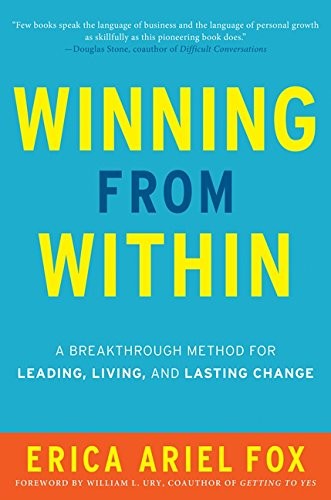
Featuring insights from Daniel Ariely (Predictably Irrational), Erica Ariel Fox (Winning from Within), and leading behavioral finance experts.
Send us Fan Mail
About Ryan VetRyan Vet is a USA TODAY bestselling author, futurist, and international keynote speaker whose insights on generations, culture, and the future of work have been featured in Forbes, Financial Times, ABC, NBC, and CBS. His research helps leaders understand emerging generational patterns and anticipate societal shifts before they fully unfold.
Join 20,000+ Leaders for Weekly InsightsIf you want deeper research and behind-the-scenes insights on generations and the future of culture and society, join Ryan’s weekly newsletter: 👉 https://ryanvet.com/collide