Justin Bieber Doesn't Own His Own Songs Anymore
At Coachella, he sat on stage and sang along to YouTube. Millennials in the crowd felt something break.
Read the full essayThe data behind this essay. Every figure traces to a source the essay cites. Hover any card to share it.
The Millennials watching were not nostalgic for Bieber. They were nostalgic for the version of the internet that made discovering him possible.
At Coachella, Bieber came out in a hoodie with no dancers and no sets, performed some new material, then walked to a desk at center stage, opened a MacBook, and spent nearly 30 minutes playing YouTube clips of his younger self and singing along. Millennials in the crowd were visibly crying.
The origin is the point. In 2007, YouTube was taking about 6 hours of video per minute, against over 500 hours today. Pattie Mallette uploaded grainy church footage of her 12-year-old so relatives could see it. Scooter Braun clicked it by accident while searching for a different singer. Every generation is sold a dream by its dominant medium. For Boomers it was the American Dream. For Millennials it was: if you are remarkable, put it online, you will be found, and your life will change.
Ryan sets two more artifacts beside it. Susan Boyle walking onto Britain's Got Talent in 2009 to an audience that laughed before she opened her mouth. And Sara Tucholsky in 2008, who hit her first career home run, tore her ACL rounding first, and was carried around the bases by two opposing players whose own team was eliminated by that run. That was what the internet felt like then.
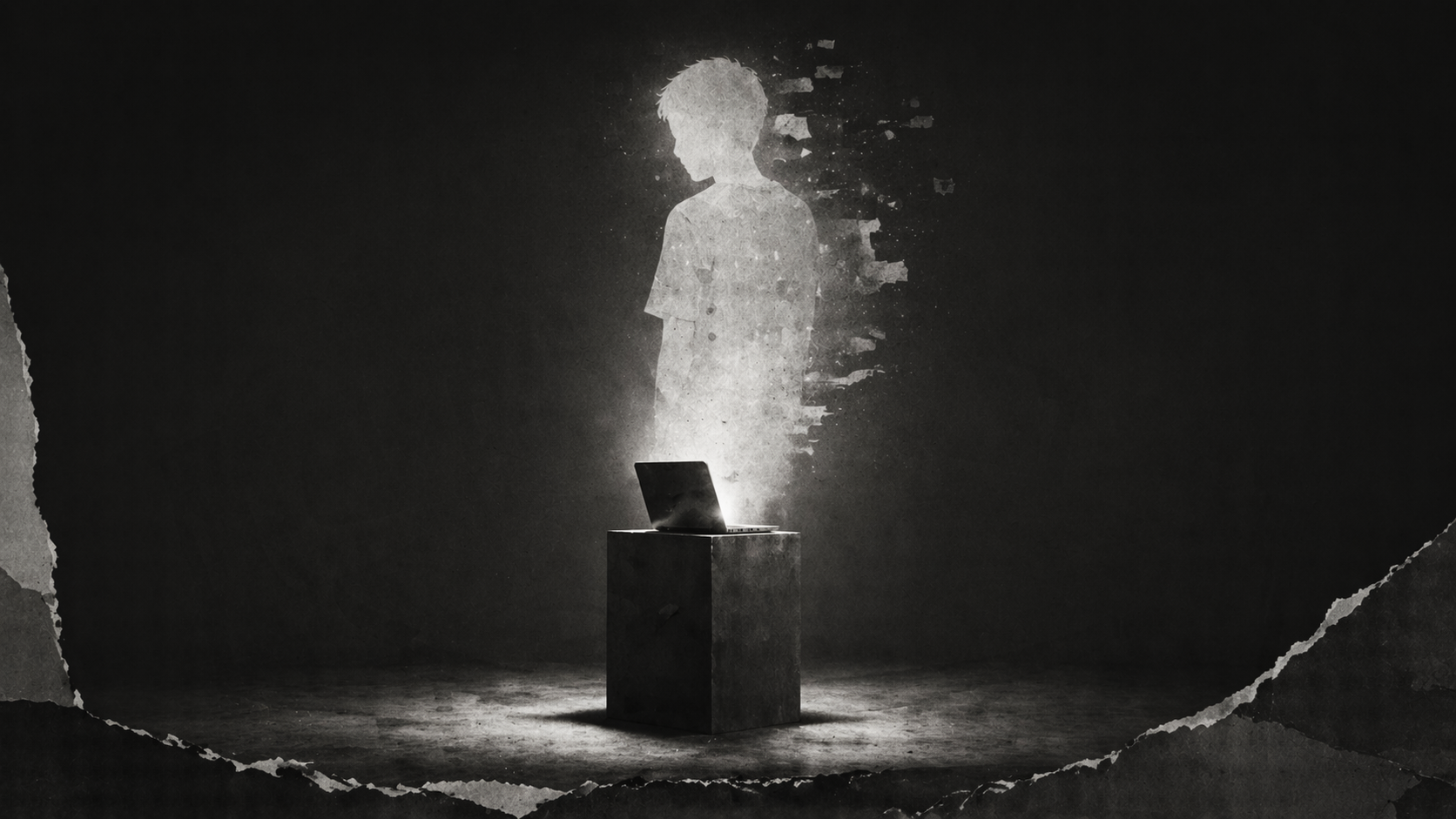
Then the velocity. Elizabeth Taylor's arc ran roughly five decades through the studio system. Bieber's has taken about 15 years, from the 2007 church upload to selling his entire 290-song catalog, including Baby, to a Blackstone-backed fund in a deal reported at 200 million dollars. Ryan is careful that no licensing restriction has been confirmed and no contract terms are public. The image is what stands: a man playing videos of his child self because the adult version does not own them anymore.
In 2007 YouTube received about 6 hours of video per minute. Today it is over 500 hours per minute, roughly 100 times more.
The Millennial dream, sold by the dominant medium of their era: if you are remarkable, put it online, you will be found, and your life will change.
Bieber sold his entire 290-song back catalog, including Baby, to Hipgnosis Songs Capital, a fund backed by Blackstone, in a deal reported at 200 million dollars.
Elizabeth Taylor's career arced across roughly five decades under the studio system. Bieber's entire arc has taken about 15 years.
Millennials were the bridge generation, with one foot in a play-based childhood and the other on a platform. They are now old enough to audit the promises they were sold as teenagers.
Plain-language definitions for the ideas in this episode. Structured for search and AI answers.
Ryan Vet's framing of Millennials, who remember playing outside, the family desktop, and the dial-up screech, and then watched the line between the physical and the online blur in real time.
In this episode: Why this particular nostalgia belongs to this particular cohort.
Holding visible markers of success, including audience and reach, without the underlying financial foundation. Ryan sees the Bieber pattern repeating at smaller scale across a generation sold on influence.
In this episode: Followings without foundations.
The compression of a public career arc from decades to years. What once took a studio-era star five decades to build and unwind now happens inside 15.
In this episode: The Taylor and Bieber comparison.
Straight answers to the questions this essay raises. Open by default, structured for search and AI.
What happened at Justin Bieber's 2026 Coachella performance? +
Bieber came out on stage in a hoodie with no backup dancers, no elaborate sets, and no choreography. After briefly performing new material, he walked to a desk in the center of the stage, opened a MacBook, and for nearly thirty minutes played YouTube videos of his younger self, singing along to old clips like "Baby." He performed his newer songs in full but revisited his older catalog through those old videos.
Why doesn't Justin Bieber own his own songs anymore? +
In December 2022, Bieber sold his entire back catalog of 290 songs, including "Baby," to Hipgnosis Songs Capital, a fund backed by the private equity giant Blackstone, in a deal reported at two hundred million dollars. The songs that had made him are no longer his. Some have theorized that is why he sat at Coachella and sang along to YouTube clips of his older material instead of performing it himself, though no contractual terms or licensing restrictions have been made public.
What was the Millennial dream the early internet sold? +
The essay frames it as: if you are remarkable, put it online, you will be found, and your life will change. A grainy YouTube video that Bieber's mother uploaded so friends and family could watch led to his discovery, which made him the proof of the Millennial version of that dream. It contrasts this with the Boomer dream of the American Dream, built on stable jobs, a house, and climbing higher.
Why does the essay call Millennials the bridge generation? +
Millennials had one foot in the real world and the other trying to find its footing online. They remember playing outside, the family desktop, and the dial-up screech, and then they watched the platform that discovered Bieber become the one that monetized their attention and sold their data. The essay says many are now quietly discovering the Bieber pattern at smaller scale: asset rich, cash poor, with followings but no foundations.
How is Gen Z responding to the Millennial internet dream? +
Gen Z has watched this play out and is swinging the pendulum back, leaning into authenticity, rejecting filters, and building side hustles while telling themselves they will be their own boss. The essay notes that the underlying promise has not changed, only been re-imagined.
Full show notes
At Coachella 2026, Justin Bieber walked on stage, sat down at a MacBook, and started playing YouTube videos of his twelve-year-old self. Millennials in the crowd wiped away tears.
Generational futurist Ryan Vet unpacks why that Coachella moment is a cultural mirror for an entire generation. Bieber sold his 290-song back catalog to Hipgnosis Songs Capital, a fund backed by Blackstone, for a reported $200 million in 2022. The songs that made him are not his anymore. The Millennials watching him weren’t crying for him. They were crying for the version of the internet that discovered him.
Ryan applies the Generational Prism, the Velocity Gap, and the Friction Doctrine to explain why Bieber’s 15-year arc happened faster than any star before him, and why Millennials, the bridge generation, are auditing the dream the early internet sold them.
Topics Covered
What happened at Bieber’s 2026 Coachella set and why Millennials weptHow the early internet promised “you can be discovered” and made it feel trueSusan Boyle, Sara Tucholsky, and the artifacts of a kinder internetElizabeth Taylor vs. Bieber: 5 decades of fame compressed into 15 yearsWhy Bieber sold his 290 songs to Blackstone, and what it signals for the rest of usHow Gen Z is swinging the pendulum back toward authenticityKey Takeaways
YouTube received ~6 hours of video per minute in 2007. Today, over 500 hours per minute (Statista, 2022).Bieber sold his 290-song catalog to Hipgnosis/Blackstone for ~$200M in December 2022 (Billboard, 2023).In 1963, Elizabeth Taylor became the first actress paid $1M for a single film (Cleopatra).Taylor’s career arced 5+ decades. Bieber’s pop arc has taken ~15 years.The Boomer dream was the American Dream. The Millennial dream was: be remarkable, post it online, you will be found.Who Should Listen
Leaders managing Millennial and Gen Z employees, parents raising Gen Alpha and Gen Beta, and anyone who came of age inside the early internet and is now wondering what happened to it.
Connect with Ryan Vet
Newsletter (COLLIDE): https://www.RyanVet.com/collideWebsite: https://www.ryanvet.comYouTube: https://www.youtube.com/@RyanCVetLinkedIn: https://www.linkedin.com/in/ryanvet/Full essay: https://collide.ryanvet.com/p/justin-bieber-doesn-t-own-his-own-songs-anymoreSend us Fan Mail
About Ryan VetRyan Vet is a USA TODAY bestselling author, futurist, and international keynote speaker whose insights on generations, culture, and the future of work have been featured in Forbes, Financial Times, ABC, NBC, and CBS. His research helps leaders understand emerging generational patterns and anticipate societal shifts before they fully unfold.
Join 20,000+ Leaders for Weekly InsightsIf you want deeper research and behind-the-scenes insights on generations and the future of culture and society, join Ryan’s weekly newsletter: 👉 https://ryanvet.com/collide