They are hyper-aware of hypocrisy, deeply allergic to inauthenticity, and unwilling to borrow belief systems, brands, or leaders that do not hold up under scrutiny. That contradiction, the most connected and the loneliest at once, is the tell. It matters more than the label, and how we use the label matters more than most people realize. So before we talk about who Gen Z is, we have to talk about how to think about them at all.
Labels are output, not input: the Generational Prism
I push back on generational labels often. Not because they are useless, but because they get treated like settled science when they are really shorthand, and shorthand that is easily misused. Start with the label, and you end with a caricature. Start with the moment, and you get a generation.
That is why I rely on a framework I call the Generational Prism: Age, Moment, Label. The label is not the starting point. It is the output. It is what happens when a person's life stage collides with the conditions of the world around them.
No cohort has been labeled more lazily than this one. Gen Z gets called fragile, sensitive, lazy, unwilling to make eye contact. But the stare that reads as rudeness is not conscious rebellion, it is conditioning. The sensitivity that reads as weakness is not weakness, it is wiring. They are the first generation to live fully in the world that researchers like Jonathan Haidt and Jean Twenge warned about: always online, never offline, shaped by the invisible architecture of digital life. Start with the label and you get a scold. Start with the moment and you get a generation worth understanding.
When does Gen Z start and end?
Gen Z covers those born between 1997 and 2012, the range used by Pew Research Center, and the one I use consistently. As of 2026 that makes them roughly 14 to 29 years old, with a median age around 21. The oldest are established in careers. The youngest are still in middle school. That spread matters, because a 29-year-old team lead and a 14-year-old in eighth grade are living very different moments under the same four-letter label.
The edges are less contested here than for the younger cohorts. Where Gen Beta and Gen Alpha are still being defined in real time, Gen Z's boundaries have largely settled. What is worth remembering is that any age figure is a snapshot. I always tie age to the moment of writing, because the cohort keeps getting older even when the birth years do not move.
Who they are: raised inside the algorithm, hungry for what is real
Gen Z is the first generation to grow up entirely inside the digital ecosystem. They learned to socialize asynchronously, to process identity in isolation, and to build community without proximity. They do not worship technology. They simply exist in it. It is their atmosphere, not their addiction.
Out of that formation comes a specific hunger. Authenticity. It is arguably their strongest single desire, likely even stronger than the Silent Generation's desire for loyalty or the Boomers' desire for respect. Gen Z is not indifferent. They are discerning. They are hyper-aware of hypocrisy and unwilling to borrow belief that does not hold up under scrutiny. Everywhere they go, they are quietly asking the same question. Is this real? Does this hold together? Can I belong here while being my authentic self?
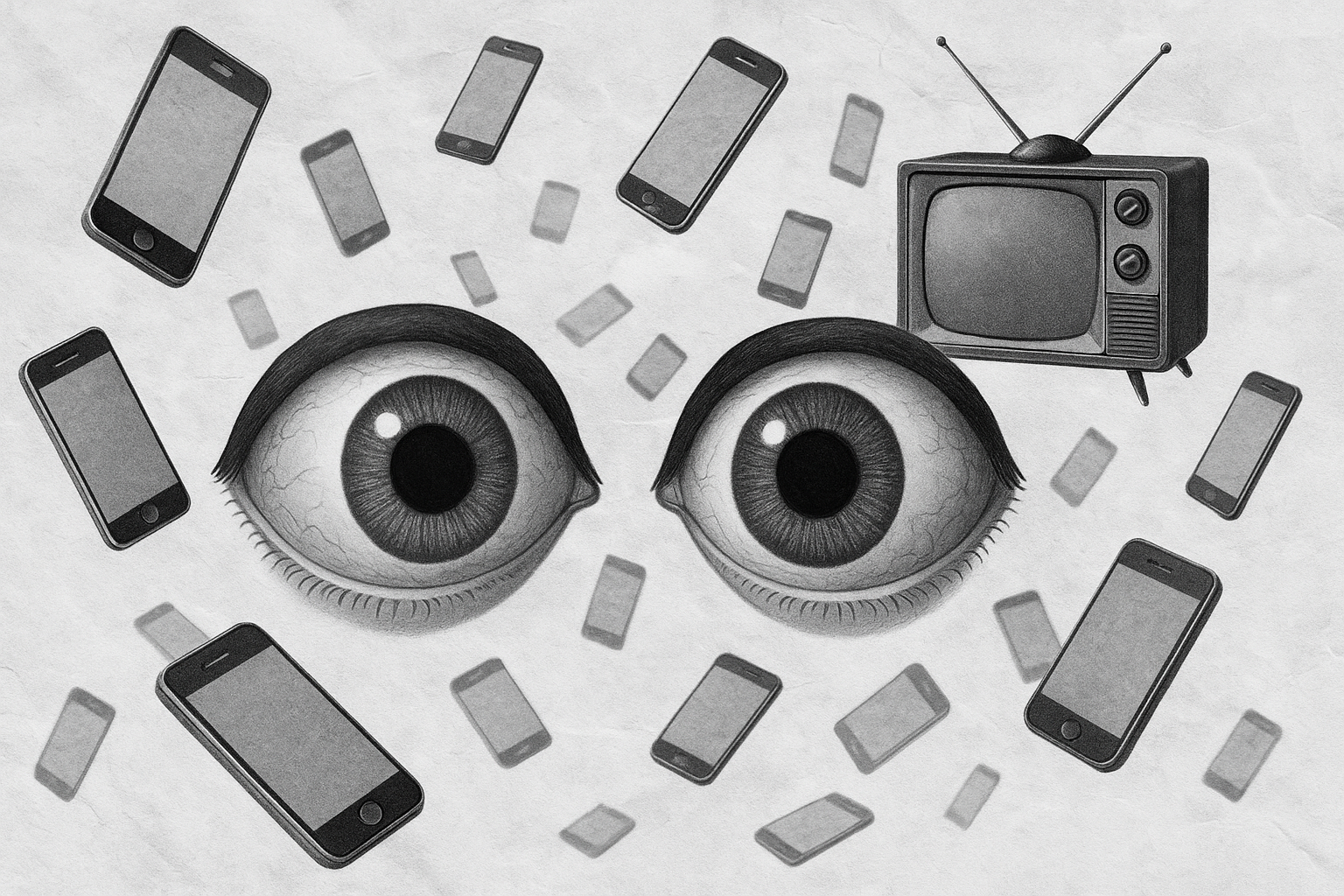
They have also rewritten the rules of trust. Where Gen X looked at institutions and said, "I do not trust you, so I will take care of myself," Gen Z looks at institutions, platforms, employers, schools, and sometimes even peers and says, "I do not trust you, but I also do not know where else to go." They have traded "trust but verify" for "verify so I can trust." Proof has become their proxy for belief. If the camera caught it, it is real.
Newsweek quoted this inversion in September 2026, in his own phrasing: Gen Z "grew up in a world where content is just prolific everywhere and being constantly generated, and so they're already in the mindset of 'verify then trust,'" where "the previous generations were in [the mindset] 'trust but verify.'" It is the cleanest explanation for a finding that otherwise looks like a contradiction — that the young Americans using AI the most are the ones souring on it fastest. Read the full recap of that story.
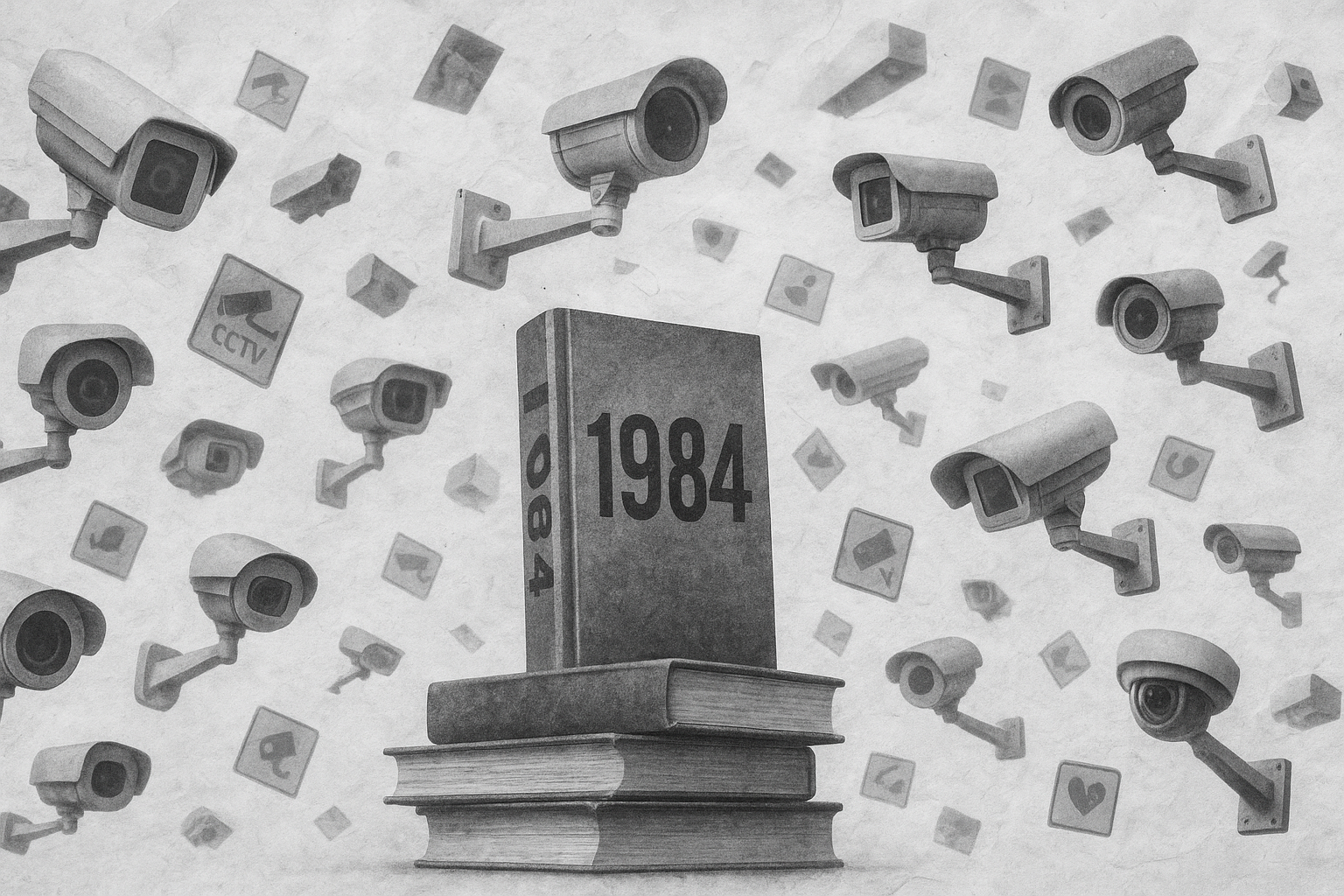
They are, in that sense, the overwatched generation. They came of age tracked by their parents through location apps and raised on camera, and they carry a matching caution about their own footprint. Gen Z is the only age group actively shrinking its digital presence (PYMNTS Intelligence, 2024), in part because they watched the cohort just ahead of them get burned by everything it posted.
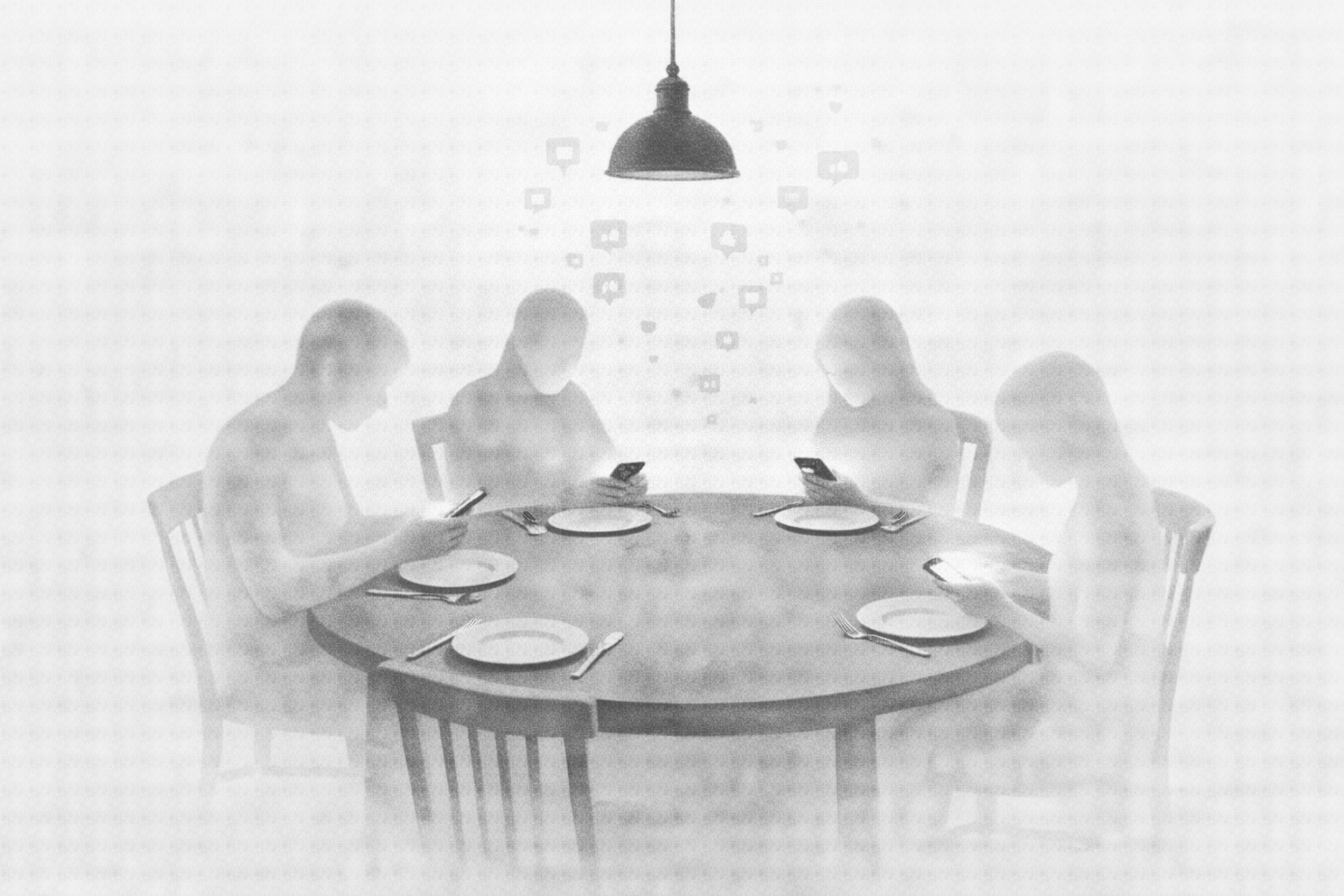
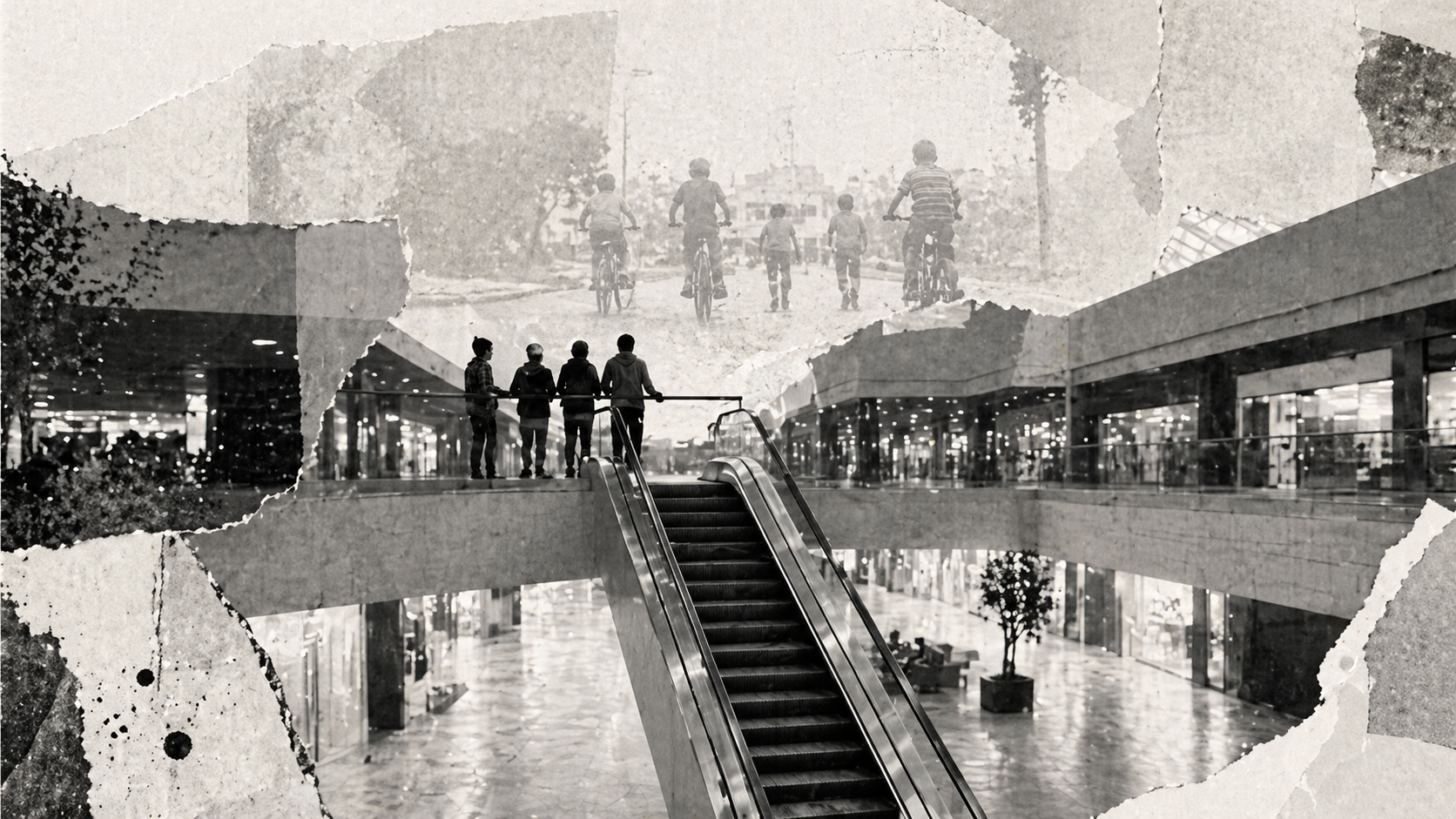
And underneath all of it runs the loneliness. Gen Z did not arrive at loneliness as young adults. For many of them, it was the environment they grew up in. They are not rejecting technology. They are rejecting isolation disguised as innovation. They do not want more virtual. They want meaningful physical. Miss that, and you are not just misreading Gen Z. You are misreading the future.
What shaped them
When I trace what forms a generation, I use seven cultural levers, with a helpful acronym of R.E.S.P.E.C.T.: Religion, Education, Sex and Gender, Politics, Economics, Communication, and Technology. For Gen Z, technology is the through-line that runs through all the others, so start there.
Technology. Gen Z was raised inside the algorithm. It did not just inform them, it sorted them. It took their curiosity and turned it into a feed, their doubts and turned them into a tribe. This is where the Velocity Gap lives: innovation racing ahead of the guardrails, wisdom and ethics adapting far slower than the tools. Gen Z embodies the sharp edge of it. They hold deep environmental convictions and still adopt energy-hungry AI at speed, because friction is uncomfortable and acceleration is addictive. It is not just a tech story. It is a friction story.
Communication. This is where the formation gap shows up most visibly. The "Gen Z stare" became a punchline, but it points at something real: a generation whose interpersonal and nonverbal skills were never explicitly taught, conditioned by screens and a pandemic that removed the ordinary reps of growing up. They can sit in fifty Slack channels and five Zoom calls and feel more disconnected after than before. The proximity is there. The community is not. A young worker raised on curated feeds is fluent online and often unpracticed in the room.
Religion. There is no Gen Z revival, whatever the Easter headlines say. Belief in a higher power is actually rising, but institutional participation is in free fall. The ones who stay attend more intensely, which looks like growth but is really a Composition Effect: the pool is thinning even as the remaining core gets more devout. Gen Z is not becoming a generation of atheists. They are becoming a generation of seekers who increasingly find meaning outside the walls of institutions. The hunger for a higher being persists. The institution does not. That is not revival. It is realignment.
Sex and gender. Gen Z came of age in the first era where a wide range of sexual and gender identities is not just tolerated but often openly accepted, encouraged, and even celebrated, in ways many of their grandparents would not have recognized or been comfortable with. That openness is simply part of the water they grew up in. At the same time, this is the first cohort to run much of its dating and identity formation through apps and feeds, with real fatigue to show for it. 79% of Gen Z report burnout from dating apps (Forbes Health, 2025), and a fast-growing share are turning to AI companions for intimacy. A related signal shows up in the faith data, where young women are leaving institutional religion faster than young men. Weekly attendance among women 18 to 29 fell from 29% in 2016 to 19% in 2024, while men held roughly flat (PRRI, 2025). The research here is still catching up to the lived reality, so I hold the specifics loosely.
Politics. Gen Z is only now stepping into political power, and unevenly. Only a little more than half the cohort was old enough to vote in the 2024 election, so their political identity is still forming in real time. Two things stand out. Their sources of influence have shifted sharply, away from legacy institutions and toward figures who speak to them directly, from Joe Rogan to Charlie Kirk, especially among young men. And formation is amplified by the feed. When a movement figure is lost during a cohort's most formative years, it can imprint that generation for decades, the way the assassinations of the 1960s marked the Boomers. Gen Z experienced its own version of that raw and unfiltered, delivered by autoplay and sorted by algorithm. I wrote about that dynamic in "The Shock of the Scroll." Underneath the surface, they distrust institutions yet still believe government should care for its people, and many welcome surveillance as safety rather than fearing it as control. Their instinct is "verify so I can trust," applied to power itself. And as the Generational Pendulum swings, much of what looks new in how they approach politics is really an echo of the cohorts before them, overcorrecting for the moment they were handed.
Economics. Watch how Gen Z spends and you see intention, not indulgence. They drink less than any recent cohort, not from morality but from control, cost, and curation. They cut discretionary spending sharply and made "underconsumption" a value rather than a constraint. And money itself has never been fully physical for them. It is a number on a screen that moves at the speed of their thumbs, and they expect it to be instant because nearly everything else in their world is.
Education. The Class of 2026 is the first traditional graduating class whose entire college experience was shaped by the arrival of generative AI. For years they were told AI was cheating. Now they are told AI is opportunity. That is a lot of whiplash. They are entering work as the loneliest graduating class we have measured, and what they need is not more flexibility. It is proximity, mentorship, and an honest conversation about what AI will and will not change about their jobs.
The mental health reality
No honest portrait of Gen Z is complete without this. They came of age inside what Jonathan Haidt calls the Great Rewiring, the stretch from 2010 to 2015 when smartphones and feeds became the default of childhood. The result is not weakness. It is wiring.
The data is sobering, and it deserves to be stated plainly rather than waved off. Anxiety, depression, and loneliness rose sharply for this cohort, most acutely among adolescent girls, and youth suicide rates climbed to some of the highest levels in modern recordkeeping. This is not a generation being dramatic. When they signal distress, our responsibility is not to dismiss, minimize, or laugh off a "fragile generation." Our responsibility is to pay attention.
The newest layer is artificial intimacy. A striking share of young people now turn to AI chatbots and companion apps for connection. Nicki Petrossi, an online child-safety advocate I spoke with on The Ryan Vet Show, describes companion bots engineered to "befriend young people and really addict them," pulling them further from the real relationships they actually need. That is the Velocity Gap in its most personal form: the technology racing ahead of the wisdom and the guardrails meant to hold it.
It is never too late to change course. The most protective force in a young person's life is still another human being who sees them.
On the mental-health reality facing Gen Z
Because this is not a story without hope, and it should not be told as one. The same experts who sound the alarm also point to the brain's plasticity and to how fast things improve when real connection is restored. As Petrossi puts it, it is never too late to change course. The most protective force in a young person's life is still another human being who sees them.
If you or someone you know is struggling or in crisis, help is available. In the U.S., call or text 988 to reach the Suicide & Crisis Lifeline, available 24 hours a day.
How to lead and work with them
Most of Gen Z is already in your workforce, so this is less about parenting and more about leading. The throughline is friction and belonging. Leadership in the Velocity Gap is not about managing output. It is about reclaiming the friction, because a generation that was never forced to sit with a hard problem does not grow resilient by being handed easier ones.
Start with connection, not flexibility. Flexibility without belonging is not freedom. This is not a generation that wants to be left alone to figure it out. That was Gen X. That worked then. It does not work now. Gen Z looks to managers for guidance and mostly feels those managers are too busy to give it. The single highest-leverage move a leader can make is to close that mentorship gap in person.
Be honest about AI. The conversation that builds trust is not "Don't worry, AI won't take your job." It is "Here is what AI is going to change about this role, here is what I still need a human to do, and here is what I am going to teach you that no model can replicate." Gen Z can smell a comfortable lie. Authenticity is the whole game.
And reframe the friction points instead of scolding them. The Gen Z stare is not an insult to answer with a lecture. Treat it as an invitation, not a reprimand. Ask what they mean before you assume. Because the deepest thing this generation is asking is not for lower standards. It is to be seen beyond the screen.
Frequently asked questions about Gen Z
What years is Gen Z?
Gen Z covers those born between 1997 and 2012, the range used by Pew Research Center. As of 2026 that makes them roughly 14 to 29 years old, with a median age around 21. The oldest are well into their careers while the youngest are still in middle school.
What are Gen Z's defining characteristics?
The throughline is authenticity. They are the first generation raised entirely inside the digital ecosystem, hyper-aware of hypocrisy, and unwilling to borrow belief that does not hold up under scrutiny. They are also, by nearly every measure, the most connected and the loneliest generation we have counted, which is why they crave meaningful, in-person connection more than the cohorts just before them.
How is Gen Z different from Millennials?
Millennials watched the internet arrive and adopted it as teenagers and young adults. Gen Z never knew an offline world. Millennials optimized life into a series of curated experiences. Gen Z is recalibrating, trading curation and escapism for presence, intention, and what is real.
Is Gen Z religious?
There is no Gen Z revival. Belief in a higher power is rising, but institutional attendance is falling. The people who stay attend more intensely, which can look like growth but is really a composition effect: the pool is thinning while the remaining core gets more devout. Gen Z is better described as a generation of seekers finding meaning outside the walls of institutions.
Why is Gen Z so lonely?
Because for many of them loneliness was the environment they grew up in, not a stage they arrived at. Family dinner tables shrank, screens multiplied, and technology built to close distance quietly widened it. A culture that removes the cost from connection also removes the relational growth that only comes through it.
Does Gen Z trust AI?
Use and trust have come apart. Gallup found half of Gen Z using generative AI weekly or daily in 2026, roughly flat year over year, while excitement fell 14 points to 22 percent and anger rose nine points to 31 percent. Ryan Vet explained the mechanism to Newsweek in September 2026: a generation raised amid endlessly generated content defaults to "verify then trust," where earlier generations operated on "trust but verify." Heavy use is therefore not evidence of buy-in — the verifying is the experience.
What is the "Gen Z stare"?
It is largely a trend, but it reveals a real gap. It is conditioning more than rebellion: a generation whose nonverbal and interpersonal skills were never explicitly taught, shaped by screens and a pandemic, and weary of performative smiles because they read as inauthentic. For leaders, it is better handled as an invitation to teach than as rudeness to correct.