Eleven Years of Silence, Then 150 Letters
Two signers of the Declaration became sworn enemies. What they did at the end is the part we forgot.
Read now →Ryan Vet built his first company as a teenager, led a business valued at over $750 million, and has spent the last two decades in the rooms where decisions get made — not studying them from the outside.
A teenager. A courthouse.
His dad standing next to him.
That was the day Ryan Vet officially became an entrepreneur.
Not the day he had his first big idea. Not the day he made his first sale. The day he walked into a courthouse as a kid and filed the paperwork to legally form his first business, because if you’re going to build something, you do it right.
That moment set a pattern that would define everything that followed.
Ryan didn’t grow up with a roadmap. He built one in real time, through genuine stakes, real consequences, and the kind of operational pressure that turns theory into instinct. Over the next two decades, he went from that courthouse to the President’s seat at a venture-backed company. He built and scaled businesses from pre-revenue through large-scale operations. He ran successful ventures. He navigated failed ones. Both taught him things no case study ever could.
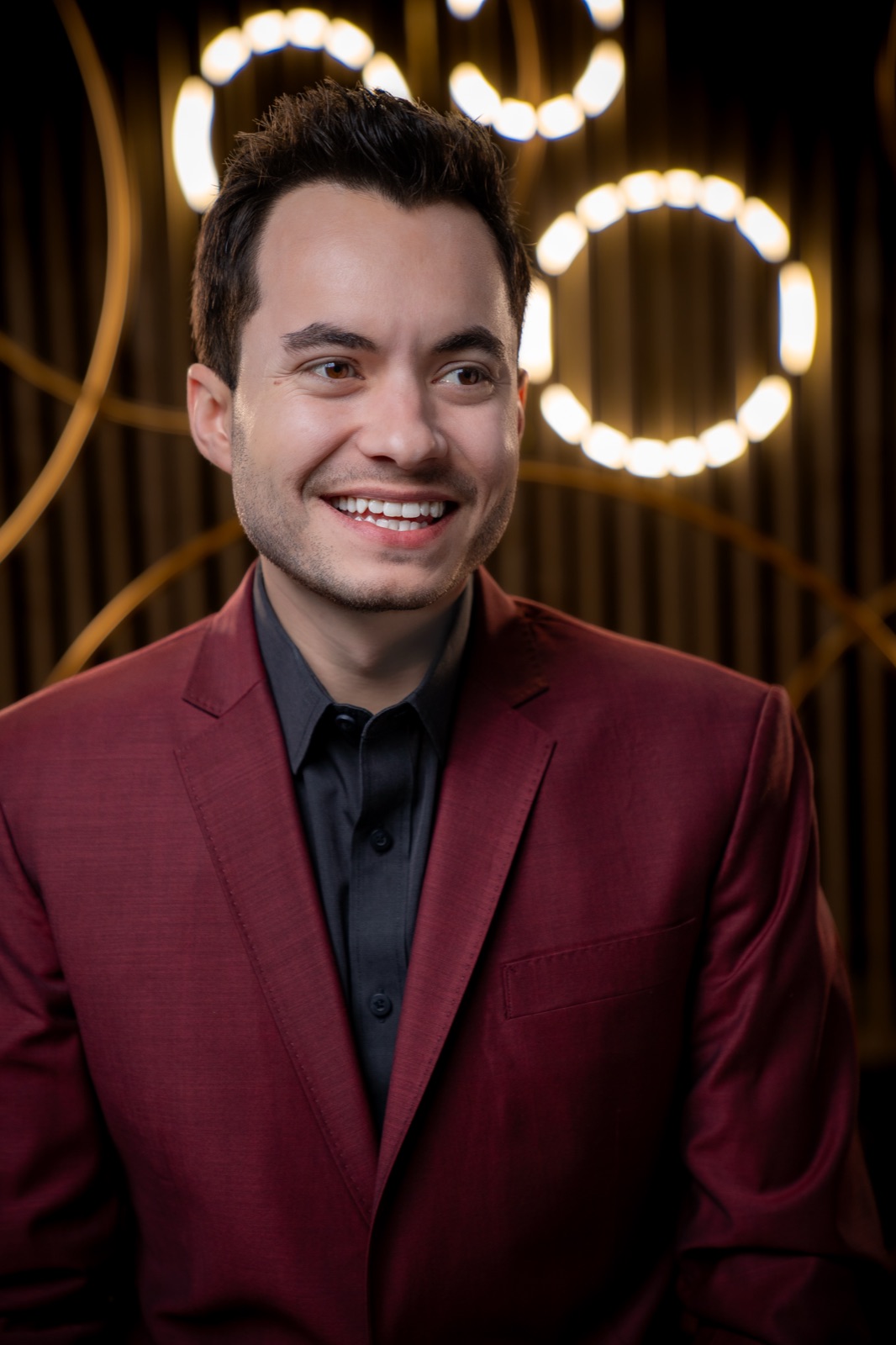






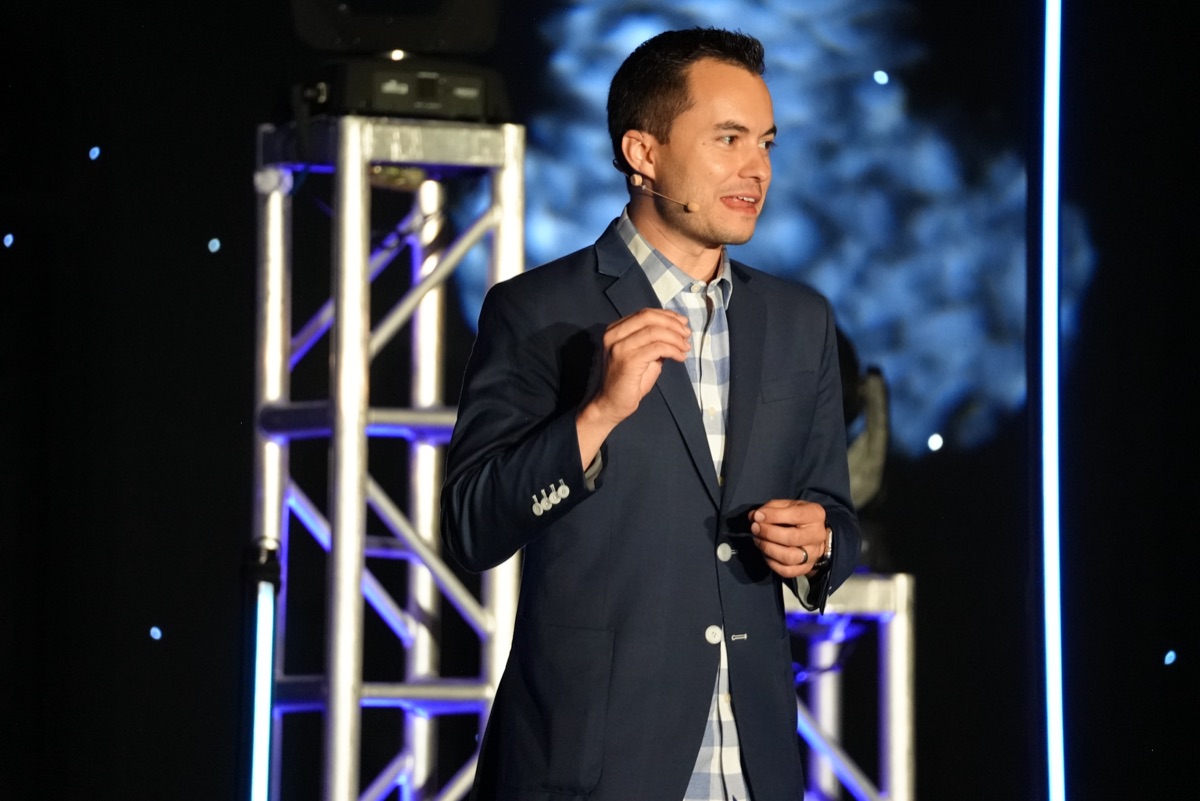
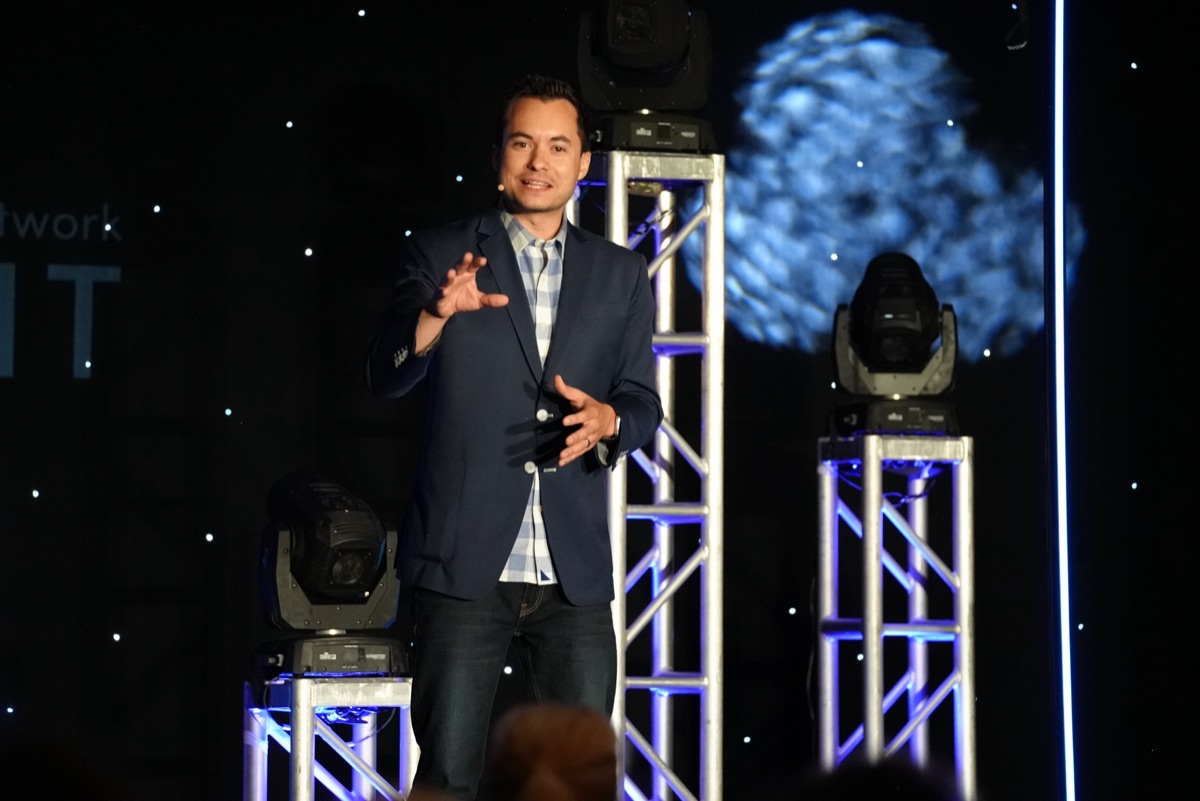
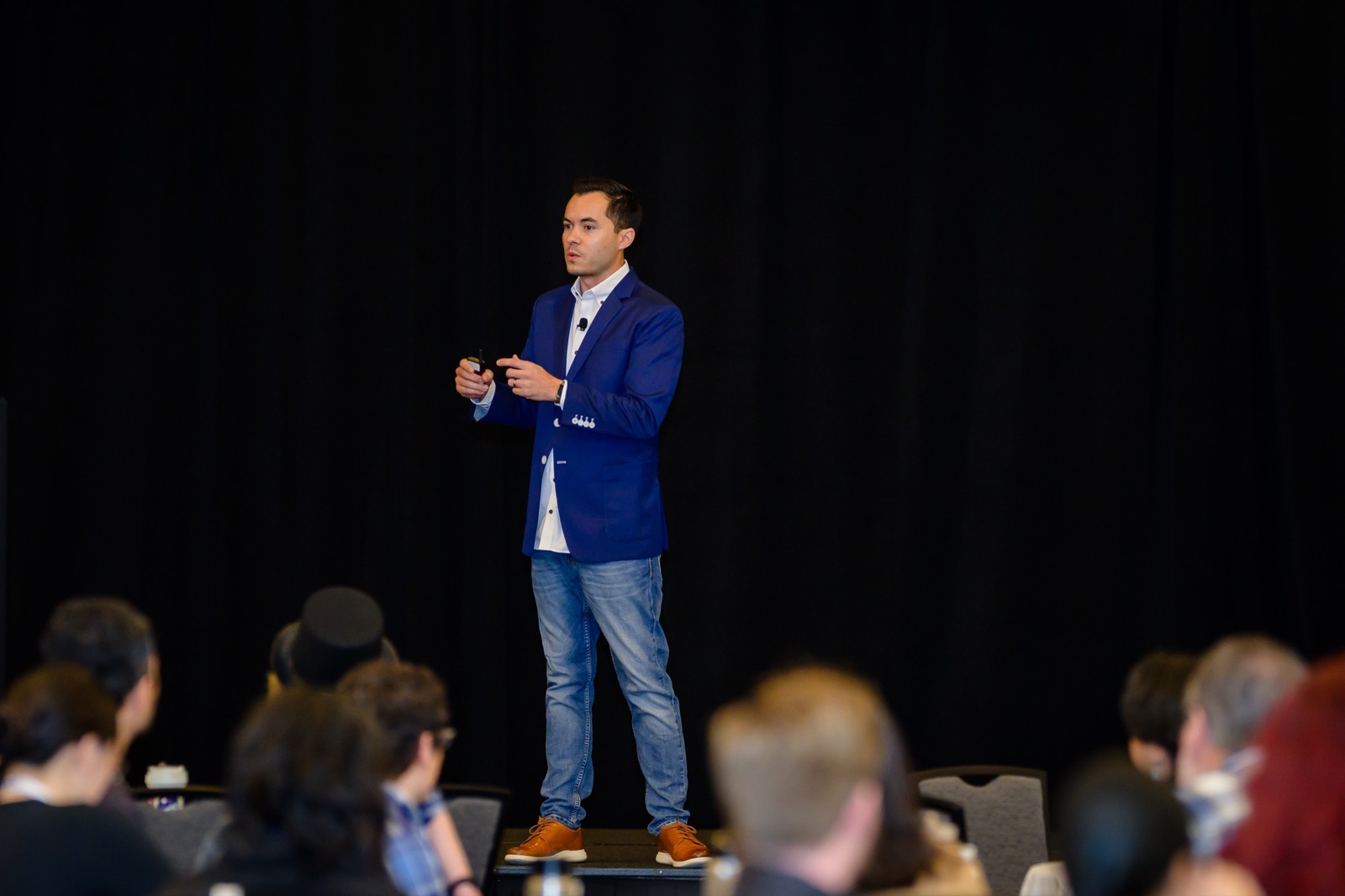
In 2021, Ryan had a choice.
After a successful exit from a startup he’d built from the ground up, he could have started another company. He could have gone back to running operations. He could have taken a board seat and collected a check.
He didn’t do any of those things.
Not because the work wasn’t available. But because in two decades of building and leading, Ryan had watched the same problems surface over and over again. In different industries, at different company sizes, across wildly different generations of employees. The problem wasn’t a lack of strategy. It wasn’t a lack of talent. It was a fracture in how people work together when their lived experiences are fundamentally different.
The most expensive problem in any organization isn’t the one that shows up on the P&L. It’s the one that lives between the generations in the room.
Ryan had been writing, researching, and speaking alongside his operating work for years. After the 2021 exit, it became his full focus. Not because he needed a new career. Because he recognized that the highest-leverage thing he could offer is twenty years of having been in those rooms. Of having made those calls. Of having lived the friction and found the path through it. No AI tool, no management consultant, and no academic speaker can replicate that.
That insight is what he now takes to every stage, every consulting engagement, every page he writes, and every edition of Collide, his newsletter on generational leadership and the future of work.
There is no shortage of speakers who will tell your organization what generational leadership is. There are very few who can tell you what it costs when you get it wrong, because they have paid that cost themselves.
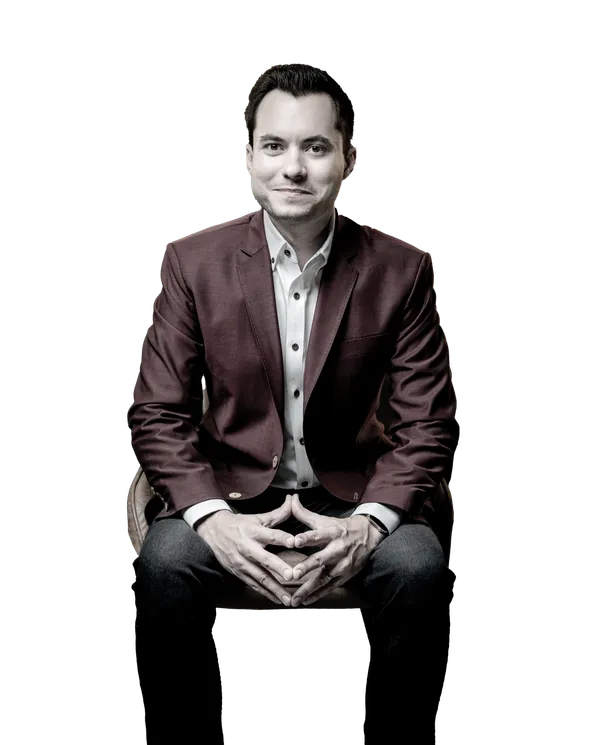
Ryan Vet is a generational futurist with two decades of practitioner experience at his back. He is not a researcher who decided to speak. He is not an academic who wrote a book. He is an operator, entrepreneur, and builder who researched, synthesized, and wrote because what he observed in his own organizations demanded explanation.
The distance between how fast organizations are changing and how fast the people inside them can adapt. Ryan’s work on the Velocity Gap explains why most change management initiatives fail before they begin, and what practitioners can do differently.
A model for understanding how each generation’s defining characteristics are a direct response to the generation that raised them. Understanding the Pendulum allows leaders to anticipate friction points rather than react to them.
A framework for building communication and leadership strategies that translate across generational values without flattening them. The Prism is designed for practitioners, not theorists: it is built for the leader who manages five generations simultaneously and needs to get it right on Monday morning.
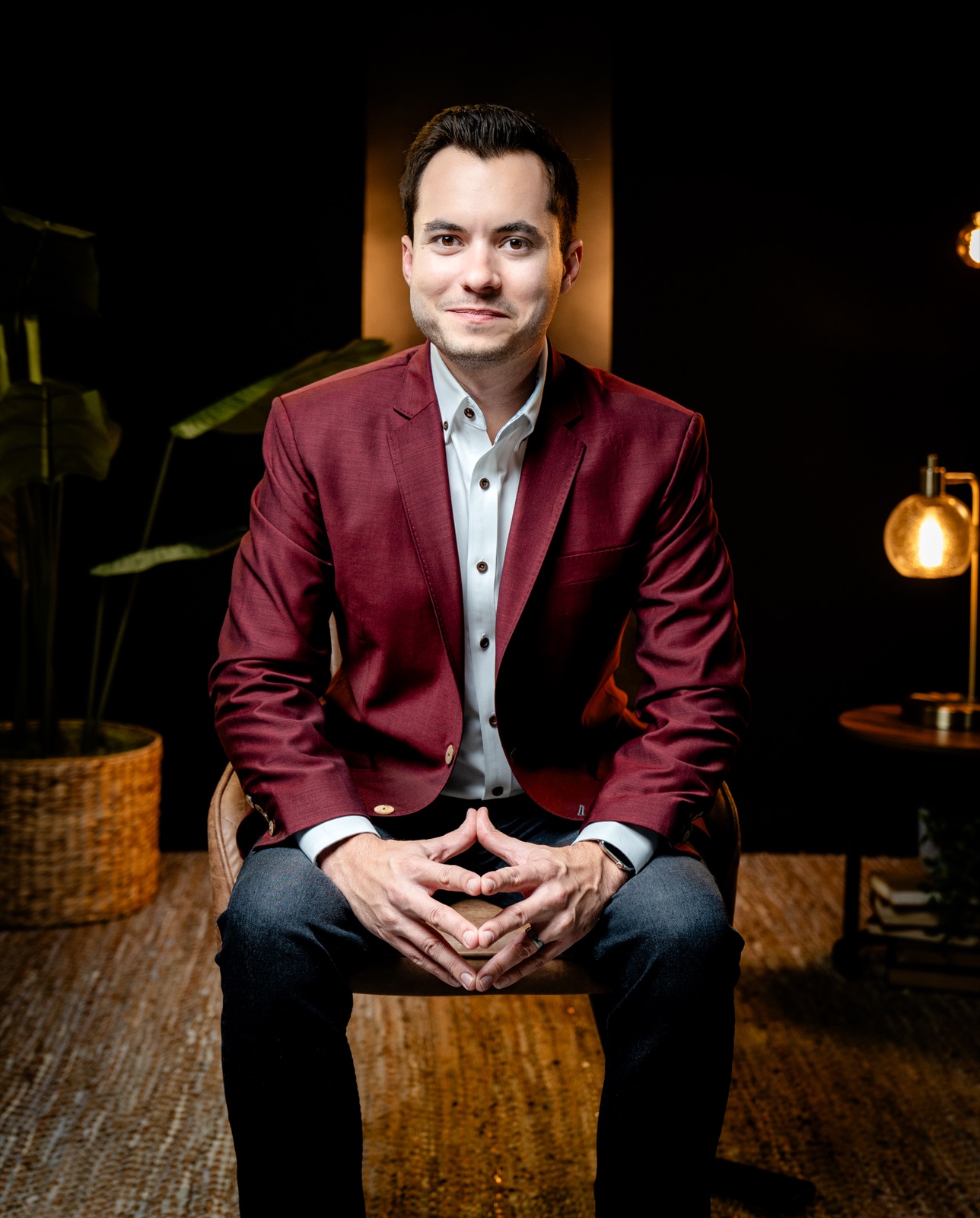
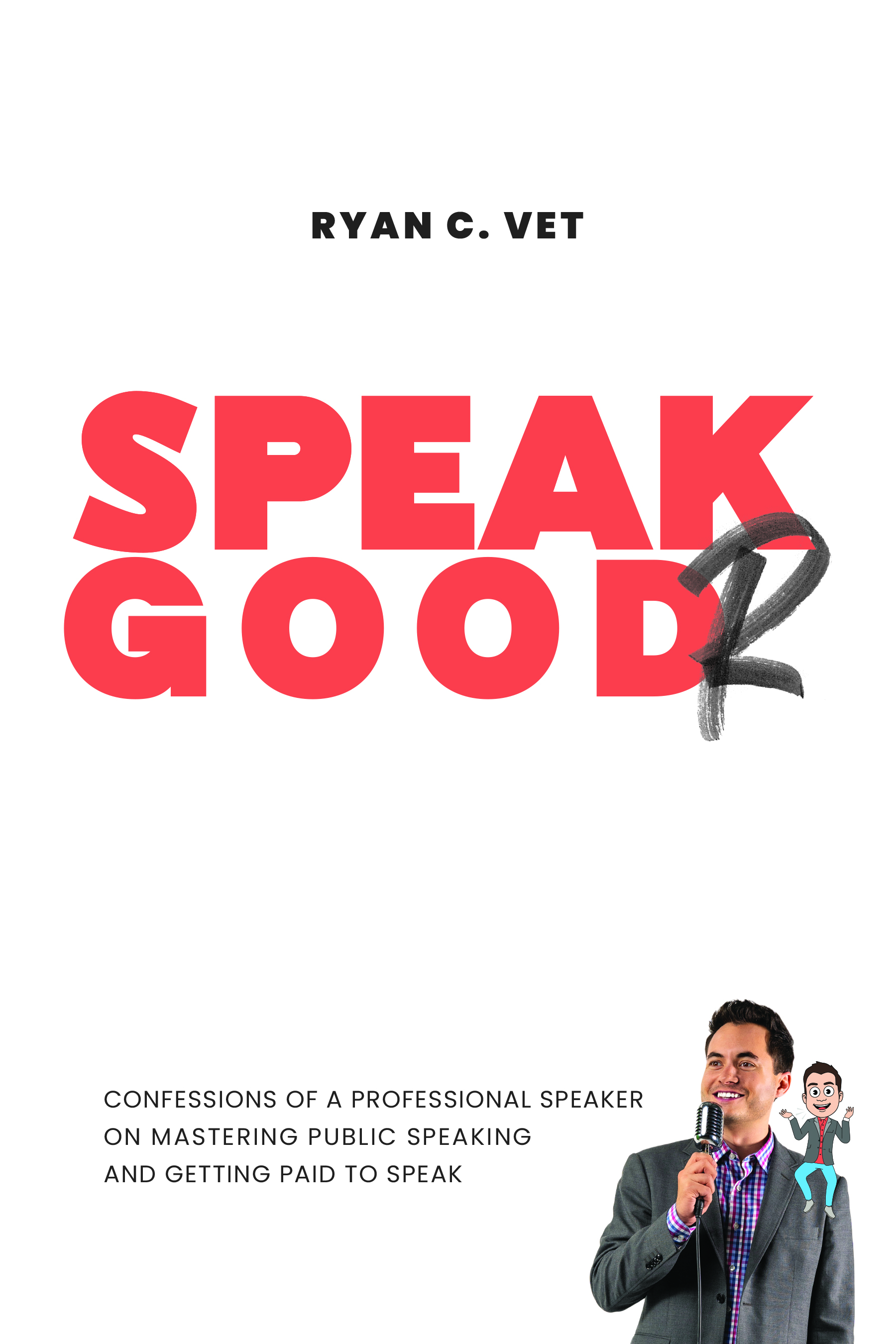
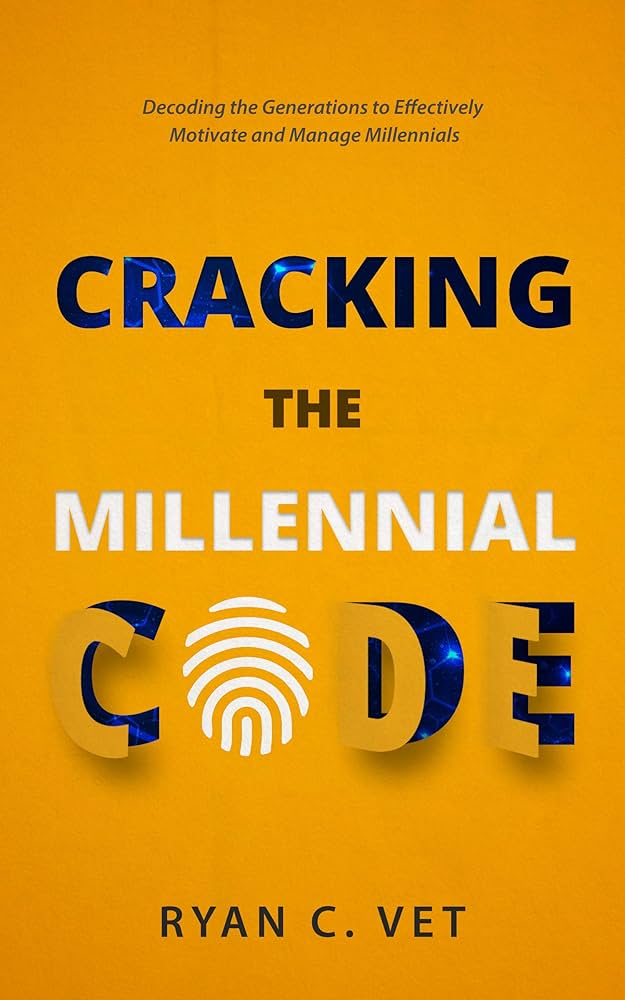
Ryan is a USA Today bestselling author whose work has been recognized nationally and featured in Newsweek, Fast Company, Forbes, ABC, and NBC. His Collide newsletter reaches organizational leaders who want honest, practitioner-grounded analysis of how generational dynamics and technology are reshaping the way people work and lead.
He is also a frequent interview guest: Ryan has appeared on 60 podcasts, radio shows and television programs across 54 outlets since 2018, separately from hosting The Ryan Vet Show.
His research focus spans: generational leadership and multi-generational workforce dynamics, AI adoption and organizational readiness, change management and the human cost of transformation, employee engagement across organizational cultures.
Ryan’s practitioner identity is not past tense. He continues to manage a portfolio of businesses including real estate investment, hospitality, and software ventures. He holds limited partner positions in venture capital funds and is an active angel investor.
He keeps one foot in the arena not for the returns, but because the arena is where the real insights live. When Ryan talks about leading through uncertainty, he is not drawing on memory. He is drawing on Monday.
Practitioner-grounded analysis of how generational dynamics and technology are reshaping the way people work and lead. Written by Ryan, delivered to your inbox.
Join 24,000+ leaders getting weekly insights
Read past editions →
Two signers of the Declaration became sworn enemies. What they did at the end is the part we forgot.
Read now →Ryan Vet is actively speaking, writing, researching, and investing. Not as separate pursuits, but as a single integrated practice.
On stage, he brings the practitioner’s perspective to audiences navigating the collision of generations, technology, and organizational change. His keynotes are not motivational. They are operational. Audiences leave with frameworks they can use, not feelings that fade.
On the page, he writes the Collide newsletter and continues to develop the research that will become his next book.
In the portfolio, he manages and advises businesses across industries, maintaining the practitioner’s edge that makes everything else credible.
Ready to bring Ryan to your stage?
Book Ryan / Check AvailabilityDescriptions are arguable; these are not. Each item below was conferred, published or filed by a named body on a date, and each links to the source. Where a record has a limit — a list placement with no rank, an award with no category — the limit is printed with it rather than left for someone else to find.
8 records, 7 with at least one independently reported source.
USA TODAY
Charted for the week of 2 September 2026 — a 2019 book reaching the list almost seven years after publication.
Elon University — Doherty Center for Creativity, Innovation and Entrepreneurship, Love School of Business
A sitting advisory board seat at Elon’s Love School of Business. No term dates are published, so membership is the claim.
USA TODAY
Charted on USA TODAY’s Booklist for the week of 22 January 2025. The publisher’s own page for the title is linked below, so the placement can be checked directly.
Elon University
A current seat on the university’s alumni board. Membership is the claim; no end date is published here.
The Denobi Awards
One of fourteen individual recipients in 2023, selected from a shortlist and conferred at a gala on 4 March 2023. The Denobi Awards have no categories.
Elon University — Office of Alumni Engagement and the Young Alumni Council
An alumni award recognising professional success and community service, given to ten graduates of the previous decade. Announced and then conferred at a ceremony. Not a subject-matter or industry award.
Speaking Consulting Network (acquisition from Lois Banta)
Acquired a majority stake in January 2022 and is the LLC’s member-manager. The two contemporaneous reports below describe the arrangement at the time of the transaction, not the present one.
William Peace University — Peace Online
Teaches business, management and leadership at William Peace University. The university’s own title is Instructor of Business — not professor, which is a rank an instructor does not hold.