What happens when we remove every opportunity for children to experience discomfort, and they enter the workforce believing that friction itself is a form of harm? The fragility showing up in workplaces, universities, and communities today did not emerge from nowhere. It was engineered, with the best of intentions, over decades.
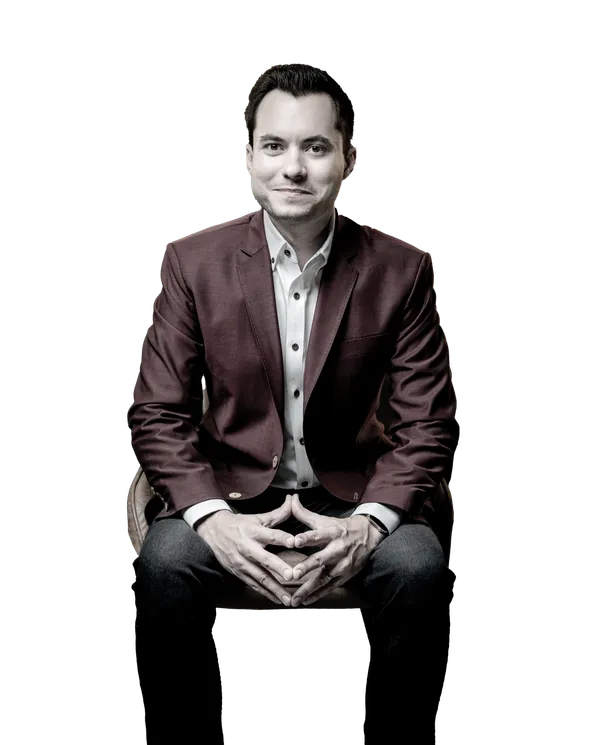
In this episode, generational futurist and keynote speaker Ryan Vet explores how the rise of safetyism and helicopter parenting produced unintended consequences that now define a generation’s relationship with resilience. He traces how new language — terms like psychological safety, emotional safety, safe spaces, and trigger warnings — shifted from academic and clinical contexts into mainstream parenting culture during the 2010s, fundamentally reframing normal discomfort as potential harm. Using the metaphor of a “Wet Paint” sign, Ryan argues that we did not just warn children about the paint; we removed the opportunity for them to learn that touching it was how they grew. He also examines how Gen X parents, reacting against their own Latchkey Kid upbringings, overcorrected toward emotional protection, creating the conditions for the fragility crisis we now observe in Gen Z.
This episode is for leaders managing younger employees, educators navigating campus culture, and parents raising Gen Alpha and Gen Beta children who want to avoid repeating the same pattern. It speaks directly to anyone grappling with how to build resilience without recreating harm.
The fragility conversation is not about blaming a generation — it is about understanding the system that shaped them. Read the full essay with research and citations on Collide.
Want Ryan at Your Next Event?
Ryan Vet delivers keynotes on AI, generational dynamics, and the future of work to audiences across the globe.
Inquire About Speaking