Content warning: this episode discusses online harms to children, including child sexual abuse, trafficking, and the death of a child linked to a viral online challenge. Listener discretion is advised. To report suspected online exploitation of a child in the US, contact the DHS Know2Protect Tipline at 1-833-591-5669 or the CyberTipline at report.cybertip.org.
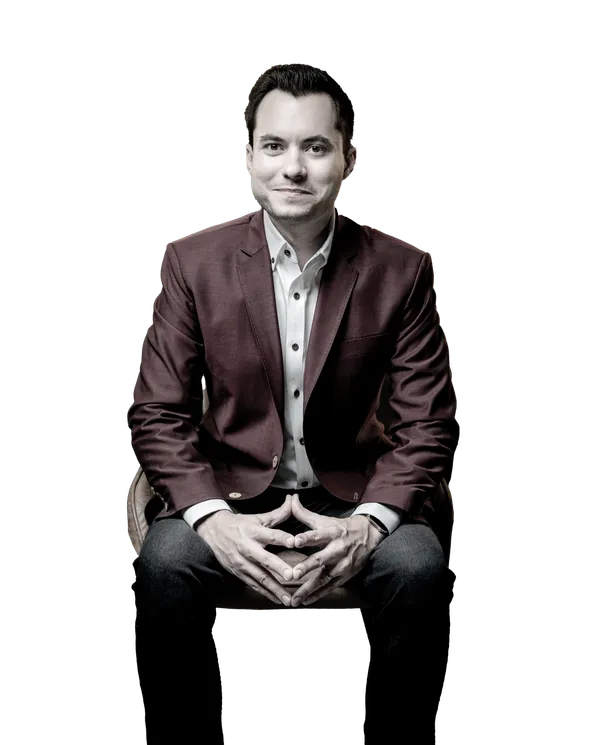
Most conversations about kids and technology are about keeping children off it. Tim Estes wants to talk about the other path: technology built so well that a child can actually use it safely. He joins host Ryan Vet to walk through about 25 years in AI, from a company he started at 20 to work with the defense and intelligence community, Wall Street compliance, and the nonprofit Thorn, where AI he helped build has been credited with identifying roughly 12,000 trafficked children in the US.
His path to building for kids started with a loss. After a 10-year-old named Nyla Anderson died following a viral challenge that an algorithm served to her, Tim decided the right response was not only to warn parents away from technology, but to build something a child could actually use safely. That became Angel Q, an AI tool for kids he calls a perplexity for kids, with age-appropriate answers generated on the fly and a three gate system that decides whether to answer, soften, or defer, and notifies the parent.
Tim’s message to parents is not fear, it is literacy. You do not have to be at war with technology, but you do have to understand the business model behind everything your child touches. Keep technology in the open, never in private. And know that innovation and protecting kids are not in conflict. You can build for both at the same time.
In this episode:
- Why the answer to kids and technology is not only abstinence, and what a safer alternative looks like
- How 25 years in AI, from defense and Wall Street to hunting online child trafficking with Thorn, shaped Tim’s approach
- The story of Nyla Anderson, and the moment Tim decided to build Angel Q
- What Angel Q is, and the guardrails behind what Tim calls a perplexity for kids
- The three gates, answer, soften, or defer, and how a child’s question gets handled and a parent gets notified
- Why every app your child uses has a business model, and how to read it
- Why kids should use technology in the open, never in private
- A hopeful case that innovation and protecting kids are not in conflict
Frequently Asked Questions
Is keeping kids off technology the only way to keep them safe online?
No. Tim Estes argues abstinence is not the only answer. The alternative is technology built well enough that a child can use it safely by design, with guardrails that decide what to answer, soften, or defer. Parents do not have to be at war with technology, but they do need to understand how each product makes its money.
What is Angel Q?
Angel Q is an AI tool built for children that Tim Estes describes as a perplexity for kids. It generates age-appropriate answers on the fly, uses playful personas like a sportscaster and a French chef, and runs every question through a 3 gate safety system. It is subscription based, with no ads and no resale of children's data.
How does Angel Q decide what a child can see?
Angel Q runs each question through 3 gates: answer, soften, or defer. It answers safe questions directly, softens sensitive ones into age-appropriate responses and notifies the parent, and defers questions it should not handle while alerting the parent. Across more than 40,000 conversations, the team reports no explicit or problematic content getting through.
How should parents evaluate the apps their kids use?
Ask how the product makes its money. Tim Estes says the most useful question is not about the code, it is about the business model behind everything a child touches. If a product profits from attention or data, its incentives run against the child. If it earns money another way, like a subscription with no ads, the incentives can line up with the child's safety.
Why does Tim Estes say kids should use technology in the open, never in private?
Because a private relationship between a child and a device removes the oversight that keeps children safe. Keeping screens in shared spaces lets parents stay part of the conversation. Tim's guiding rule is simple: never let technology have a private relationship with your child.
What is Tim Estes's background in AI and child safety?
Tim Estes has worked in AI for about 25 years, starting a company at 20 and later building systems for the defense and intelligence community and Wall Street compliance. At the nonprofit Thorn, AI he helped build has been credited with identifying roughly 12,000 trafficked children in the US. That work shaped why he built Angel Q.
Who was Nyla Anderson, and why does her story matter here?
Nyla Anderson was a 10-year-old whose death was linked to a viral online challenge served by an algorithm. Meeting her family moved Tim Estes to build a safer alternative rather than only warn against technology. The lesson he draws is about accountability for how products are designed, and the case for tools that protect children by default.
Want Ryan at Your Next Event?
Ryan Vet delivers keynotes on AI, generational dynamics, and the future of work to audiences across the globe.
Inquire About Speaking