Why do empty grocery shelves appear the moment a weather forecast drops, and what does panic buying actually reveal about the state of leadership in America? When more than 200 million people were placed under severe winter weather alerts and 12,000 flights were cancelled in a single week, the real story was not the storm — it was the mass hysteria that preceded it. Bread, milk, and eggs vanished from shelves in a ritual dating back to the Great Blizzard of 1978, despite being among the most perishable items in a grocery store.
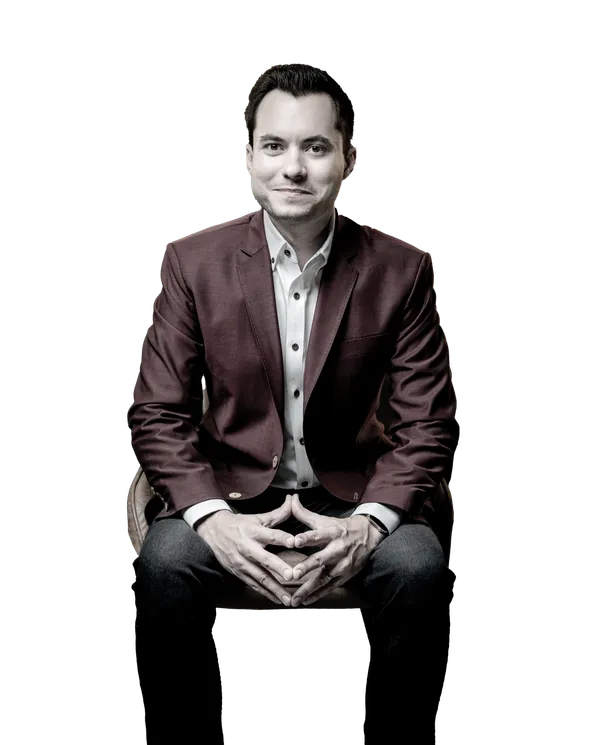
In this episode, generational futurist and keynote speaker Ryan Vet draws a striking parallel between meteorologists and futurists, and between weather panic and the broader leadership crisis facing organizations today. He examines the behavioral economics behind panic buying, drawing on Daniel Ariely’s concept of predictable irrationality and research showing that fear of running out consistently overrides rational spending decisions. Ryan argues that panic buying is not a consumer problem — it is a leadership signal. When those delivering forecasts emphasize worst-case scenarios and leaders fail to provide steady, trustworthy communication, fear fills the vacuum. He connects this pattern directly to how organizations respond to AI forecasts, economic uncertainty, and generational workforce shifts, making the case that leading through uncertainty is the defining leadership skill of this decade.
This episode is for executives, managers, communicators, and anyone in a leadership role who must guide teams through ambiguity. It is particularly relevant for leaders navigating the fear and hype cycles surrounding AI adoption and the future of work.
The forecast is not the problem — the response is. Read the full essay with data and behavioral research on Collide.
Want Ryan at Your Next Event?
Ryan Vet delivers keynotes on AI, generational dynamics, and the future of work to audiences across the globe.
Inquire About Speaking