Follow the show in your app. Apple leads on iPhone, Spotify on Android.
Summary
The road to hell is paved with good intentions, and so, Izzy Kalman argues, is a generation of anti-bullying policy.
Izzy Kalman has been a school psychologist and psychotherapist since 1978, and since the 1999 Columbine shooting he has been the anti-bullying movement's most persistent critic. His claim: the zero-tolerance approach that took hold after Columbine institutionalized the very responses that escalate conflict, having authorities judge who is the bully and punish them, and in doing so trained a generation toward an external locus of control, fragility, and a victim mindset that follows them into adulthood.
Then he does something rare on the show. He proves his alternative live, walking host Ryan Vet through the insult game to show that the Golden Rule works not as a moral platitude but as applied psychology: because humans are wired for reciprocity, meeting meanness with calm good humor removes its payoff and defuses it. The throughline lands on an uncomfortable reframe, that the bully is not some other person to be punished, it is a capacity in all of us, so the durable answer is resilience, not judgment.
Key takeaways
1
Kalman argues the post-Columbine anti-bullying movement adopted the very responses that escalate conflict, having authorities decide who is the bully and punish them, and taught them as the right thing to do.
2
Anti-bullying policy trained a generation toward an external locus of control, the belief that others must fix your problems. Psychology links that to unhappiness and failure, while an internal locus of control predicts a happier, more successful life.
3
His alternative is the Golden Rule as applied psychology: because humans are biologically wired for reciprocity, responding to meanness with calm good humor removes the payoff and defuses the conflict.
4
Getting upset at an insult rewards the insulter and keeps it going. Staying unbothered, even joking back, makes it stop, because it is only words and no one can force you to be upset.
5
The core reframe: the bully is not them, it is us. Everyone carries the capacity to be mean and enjoy it, so the durable fix is building personal resilience, not identifying and punishing bullies.
Terms defined
Plain-language definitions for the ideas in this episode. Structured for search and AI answers.
locus of controlnoun · psychology
Whether you believe what happens to you comes from your own actions (internal) or from outside forces and other people (external).
In this episode: Kalman argues anti-bullying culture pushed kids toward the external kind, which predicts a less happy life.
the Golden Ruleprinciple · applied psychology
Treat others as you want to be treated. Kalman frames it not as morality but as the reciprocity strategy that ends conflict.
In this episode: Proven live through the insult game rather than argued as a platitude.
anti-fragilitynoun · Nassim Taleb
The property of getting stronger under stress, the opposite of fragility.
In this episode: What resilience training builds, versus the fragility Kalman says bullying policy created.
the insult gamenoun · Kalman method
A role-play in which the target stays unbothered while being insulted, to show that reciprocity, not authority, ends the conflict.
In this episode: Kalman plays it live with Ryan, twice.
Notable quotes
Lines worth keeping, verbatim from the episode.
“
The bullies are not them, they're us.
Izzy Kalman42:47“
The way to solve the bullying problem is by teaching kids how not to be a victim.
Izzy Kalman01:28“
To have a successful and happy life, you have to have an internal locus of control.
Izzy Kalman08:28“
Good intentions alone are not enough to make your actions moral.
Izzy Kalman41:41“
You're not making them stop, you're making them continue.
Izzy Kalman28:25“
There's your side, my side, and what actually happened.
Ryan Vet40:18
Chapters
Jump to any moment. Timestamps deep-link the audio.
The guest
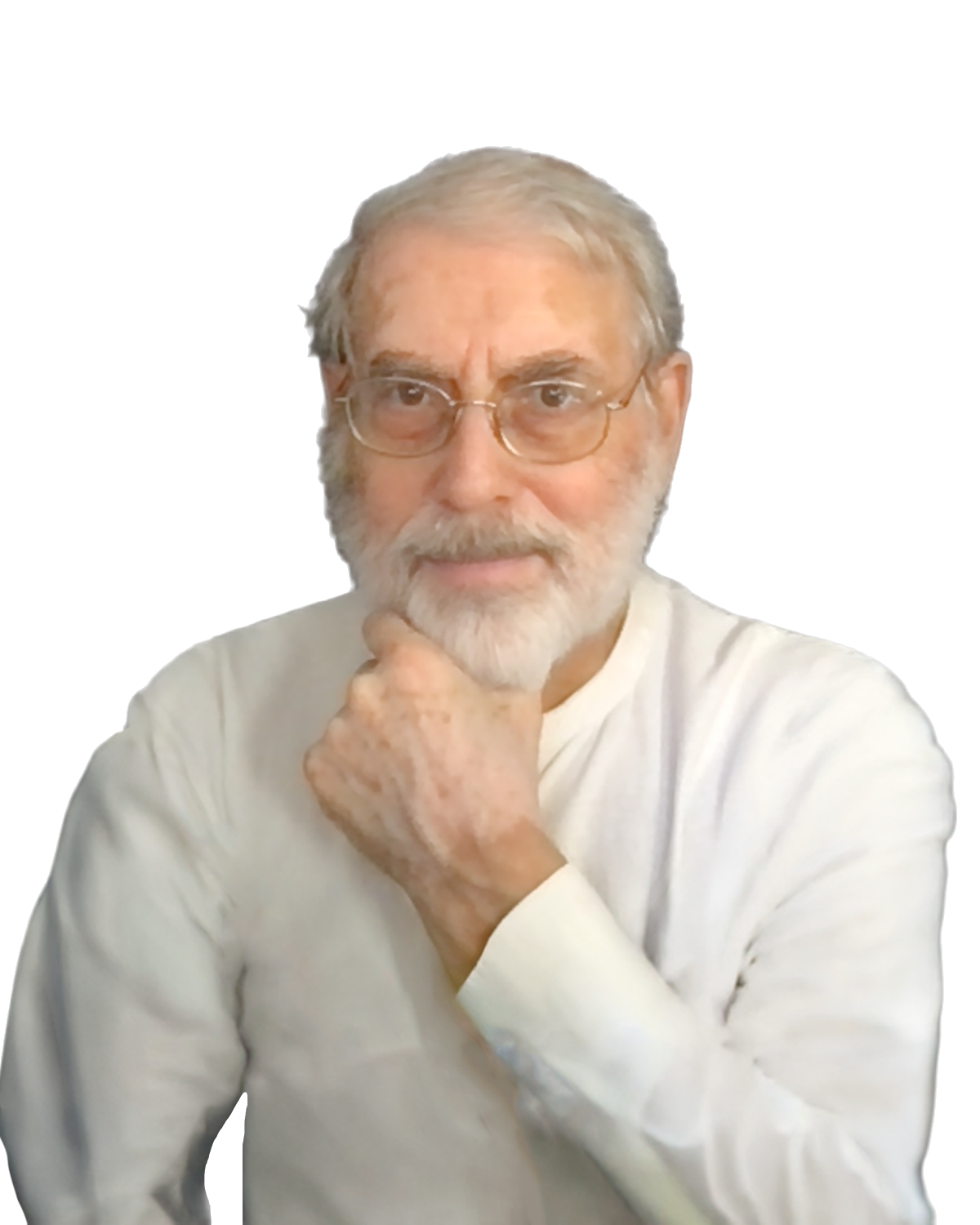
Izzy Kalman
Director of Bullies to Buddies · School psychologist & psychotherapist
Israel "Izzy" Kalman, MS, is a school psychologist and psychotherapist who has practiced since 1978. Working in schools, he found that the most common complaint among kids was being picked on, and that the standard adult response, stepping in to judge and punish, almost always made the conflict worse. After the 1999 Columbine shooting, when a new anti-bullying field promised to eliminate bullies, he became one of its earliest and most persistent critics, arguing it institutionalized the very responses that escalate conflict and trained a generation toward fragility and a victim mindset.
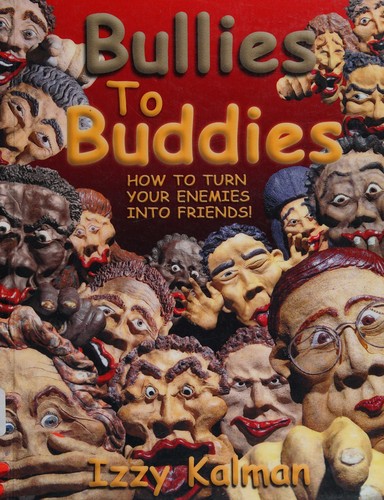
As director of Bullies to Buddies and creator of the Golden Rule System, his alternative teaches children how not to be a victim by treating the Golden Rule as applied psychology: because people are biologically wired for reciprocity, responding to meanness with calm good humor removes its payoff and defuses it. He is the author of Bullies to Buddies: How to Turn Your Enemies into Friends and lead author of the Be Strong Resilience Program, and he writes the Psychology Today blog Resilience to Bullying. His work has been featured in The New York Times, on Good Morning America, and at TEDx, and his resources live at izzykalman.com and bullies2buddies.com.
Straight answers to the questions this essay raises. Open by default, structured for search and AI.
Who is Izzy Kalman?+
Izzy Kalman is a school psychologist and psychotherapist who has practiced since 1978 and, since the 1999 Columbine shooting, has been one of the most persistent critics of the mainstream anti-bullying movement. He is the director of Bullies to Buddies, author of Bullies to Buddies: How to Turn Your Enemies into Friends, and writes the Psychology Today blog Resilience to Bullying.
What does Izzy Kalman say is wrong with anti-bullying programs?+
He argues that having schools and authorities identify a bully, judge who is right, and punish tends to escalate conflict, and that it trains children toward an external locus of control and a victim mindset. His alternative teaches kids how not to be a victim.
What is the insult game?+
It is a role-play Kalman uses to show that reciprocity, not authority, ends conflict: the target stays calm and even agreeable while being insulted, which removes the insulter's payoff and makes the insults stop.
What is locus of control?+
Locus of control is whether you believe what happens to you is caused by your own actions (internal) or by outside forces (external). Kalman says an internal locus of control predicts a happier, more successful life, and that anti-bullying culture pushed kids toward the external kind.
Izzy Kalman ·What's happening? We have been promoting, for the last 27 years or so, an external locus of control. The problem is their fault, it's not your fault, and we have to solve the problem for you. How are children going to develop resilience if we try to give them an environment in which nothing bad ever happens to them? How are they going to develop self-confidence and self-esteem when we teach them that they can't solve their problems by themselves?
00:36Why he set out to challenge the bullying movement
Ryan Vet ·Welcome to another episode of The Ryan Vet Show. I'm excited to have Izzy Kalman with me, who challenges the conventional wisdom on bullying. We have heard the word bullying for many years, and even a surge in the recent decade, but Izzy goes back to long before that and challenges it. Izzy, welcome to the show.
Izzy Kalman ·Thank you so much. Pleasure to be here.
Ryan Vet ·Absolutely. Now, I want to go back to 1999. This was a tough time in America, where the world watched on 24-hour news cycles one of the first issues of its kind covered that way: the Columbine shooting in Colorado. At that point in time you were already a psychologist and psychotherapist, but you were really concerned about what happened there, and it set you on the trajectory you've been on for almost 30 years. Could you share a little of your story?
01:28From school psychology to Columbine
Izzy Kalman ·Yeah. I earned a master's degree in clinical psychology in 1978. I was 25 at the time, and I wanted to learn how to help people solve their social and emotional problems. Then I moved to Israel. I needed a job, and a friend of mine, a psychologist, suggested I look into schools. I took a job working in schools as a psychologist, and quickly I discovered that the most common complaint of kids is that they're being picked on by other kids. They're being insulted, they're being pushed around. And I knew why kids get picked on. People have known this forever: if you get upset, kids love picking on you. If you don't get upset, they leave you alone. So I would use role-playing to teach kids why they're being picked on and how to stop it, and I got wonderful results very quickly.
Izzy Kalman ·Then I noticed how, when teachers intervene in social complaints between kids, they almost always make it worse. The same thing happens among parents at home. When they get involved in the conflicts between their kids, it immediately gets worse, because each side wants the parents on their side. It escalates the moment the adults start playing judge, trying to find out who's right, who's wrong, who has to be punished.
Izzy Kalman ·Then in 1999, on April 20th, two young men at Columbine High School in Colorado made an attempt to destroy their school. They killed 12 students and a teacher, injured many others, and at the end were dead. They had made videos in advance presenting themselves as victims of bullying. To me it made sense: kids who are being picked on want revenge. So I figured I had something to offer. But when I saw what the world was going to do about bullying, I knew it couldn't possibly work. There was a field called bullying psychology that I had never heard of before, and it stepped up after Columbine claiming it had the solution. What they proposed was contrary to everything I had learned in psychology and psychotherapy, contrary to philosophy and religion, and contrary to what I had discovered actually works. They took the things that make the problem worse and presented them as the right thing to do. And they lobbied for anti-bullying laws requiring that counterproductive approach.
Izzy Kalman ·So I started writing and speaking about this, warning that it was never going to work, and people hated me for it, because they loved the idea that we're going to get rid of bullies. I was presenting the opposite approach: the way to solve the bullying problem is by teaching kids how not to be a victim. You can't make everyone be nice to each other. Most of the time when people are mean, they're not even aware of it. But everybody knows when they feel victimized. If a child comes to me complaining that other kids are picking on him, and I go to those kids and say, you're bullies, you have to change, they don't say, oh, we didn't realize that, we'll change. They say, what are you talking about? I didn't do that. He's making it up, or he started it. So it gets worse when the school tries to figure out who's the bully, who's the victim, and who has to be punished. But that's exactly what schools are required to do now. It's 27 years later, bullying is still considered a crisis, and it's so easy to solve. It's just that the opposite approach has been mandated by law.
07:16How anti-bullying policy shaped a generation
Ryan Vet ·That's so interesting. We see policy take place in a lot of different areas to regulate childhood, whether it's screen time and social media today or bullying then. When you look at generations, millennials at the time of Columbine were between two and 19 years old, so the vast majority were still in school, and Gen Z were toddlers. So this really shaped the latter half of the millennial generation and Gen Z onward. How do you think the formation of these generations, from the early 2000s on, was shaped by the law, the policy, and these other angles of interpreting bullying?
Izzy Kalman ·For the past few decades, psychology and the social sciences in general have taken a progressive philosophical approach to life: there are oppressors and there are the oppressed, and we have to be social justice warriors and protect the weak from the strong. That's what anti-bullying is about. The bully is the strong one, the bad one; the victim is the weak one, and we have to protect the victim from the bully. The thing is, it's poor psychology. This approach became popular after Columbine and was built on the work of a psychologist from Norway named Dan Olweus, who defined what bullying is and became the guru of the field. But before that, psychology was about teaching people how to solve their problems, take responsibility for their lives, control their impulses, and understand and solve their problems. After Columbine it became about protecting victims from bad people. We tell victims: the situation has nothing to do with you, it's only because of the bullies, you can't solve it yourself because there's an imbalance of power, and all you need to do is inform the authorities so they can make people be nicer to you.
Izzy Kalman ·This is nonsense. Something well proven in psychology is that to have a successful and happy life, you have to have an internal locus of control. That means you believe that what happens to you is in your control. People who tend to be miserable and to fail have an external locus of control: they think that what happens to them, and their misery, is caused by outside factors, by other people, not by themselves. So what have we been doing? For the last 27 years or so we've been promoting an external locus of control. The problem is their fault, not yours, and everybody has to help you: students, bystanders, teachers, parents, police. We've been weakening children for almost three decades since Columbine.
11:55Resilience, fragility, and the victim mindset
Ryan Vet ·I think that's so profound. We've seen this play out, whether we call it resiliency, or fragility and anti-fragility. It has plagued the last two generations, because they've been, as I like to say, bubble-wrapped, insulated from outside forces. I was in third grade at the time of the shooting, and I remember the active-shooter drills and the bullying assemblies, the speakers who came in to talk about bullying: run and tell the teacher, more of a victim mindset. How do you think that forms you as you grow into an adult?
Izzy Kalman ·You grow up believing you're entitled to a life in which everybody is nice to you, and that your boss and your school have to provide it. If you're not being treated the way you like, you inform the authorities. And it's happening more and more. Because of anti-bullying laws, it's become easier for parents to sue schools for failing to stop their children from being bullied. It's not easy to win a lawsuit, it takes a lot of time and money, but more and more parents are trying, especially when, God forbid, a child dies by suicide. Immediately there's a lawsuit against the school, as though it's the school's fault. Do you know the show 13 Reasons Why?
Ryan Vet ·I'm aware of the show. I have personally not watched it.
Izzy Kalman ·It's an excellent, very well-done series. But what nobody realizes, and I looked at all the reviews online, is that the real story is what happens to a community when parents sue their school after their child dies by suicide over bullying. They treat it like a murder trial.
Ryan Vet ·Interesting.
Izzy Kalman ·Before she takes her own life, the heroine makes 13 tapes, each one blaming somebody else partially for why she's doing what she's doing. So now 13 people are being treated as murder suspects for her suicide. Imagine what that does to a community. The hostility grows, the violence grows, the suicides continue. It really should serve as a warning against anti-bullying laws.
Ryan Vet ·That's powerful. I stayed away from watching it because, growing up, quite a few students each year in my high school took their own life. But I do think there's a victim mentality that we carry into adulthood. You said something really interesting: we expect everyone but ourselves to do something for us, whether it's the government, the teachers, the police, the HOA, and especially our bosses at work. We have a lot of younger people who've been trained that they are victims, and so they have to complain or speak out. I want to be careful about grouping all younger generations, but how would you talk to an adult, someone in their teens all the way into their mid-30s, who got that anti-bullying training and rhetoric in school? How would you help them rewire or reframe what they've been taught?
Izzy Kalman ·I give seminars and trainings to adults, so I also teach them what's wrong with the popular approach to bullying and what works a lot better.
17:06The science of the Golden Rule
Ryan Vet ·One of the things you talk about a lot in your work is the science of the Golden Rule. You're one of the first people to research the Golden Rule scientifically and what it does to us. Could you talk a little about that?
Izzy Kalman ·Philosophers and religious leaders have known for thousands of years that the Golden Rule is the ultimate rule of morality. For something to be moral, it has to conform with the Golden Rule. And it's well known that if everybody treated people the way they want to be treated, and didn't do to others what they hate having done to themselves, everybody would get along wonderfully. So if we've been aware of the Golden Rule for thousands of years, why is there still bullying, so much divorce, so much conflict? Look at adults on social media; look at politics, where people practically want to kill each other over differences. The Golden Rule hasn't made us much nicer.
Izzy Kalman ·I came to realize the reason is that people don't understand why we need the Golden Rule. The assumption is that it teaches us to be nice and not to be mean. But we don't need the Golden Rule to teach us something so obvious. The hard part is knowing what to do when people are mean to you, because it happens. Ryan, do you have a hard time knowing what to do when somebody is nice to you? No, that's easy. The challenge is knowing what to do when they're mean to you. And the answer of the Golden Rule is to be nice back. This is very hard for people to accept, because it's contrary to our nature, and many people think it's crazy to be nice to someone who's mean to us. But that's the whole problem of bullying: people are mean to us, we want them to stop, and nothing we do makes them stop.
Izzy Kalman ·Here's why the Golden Rule works. Human beings are social creatures, and social creatures are biologically programmed for reciprocity. I am going to treat you the way you treat me. Ryan, when somebody is nice to you, do you feel like being nice back or mean back?
Ryan Vet ·Nice.
Izzy Kalman ·And when somebody is mean to you, do you feel like being nice back or mean back?
Ryan Vet ·Definitely not nice.
Izzy Kalman ·You feel like being mean back immediately, but we can control it. The reason we're like that is that we have animal bodies, and our history goes back to before civilization, when we lived in nature like all the other animals. In nature, life is very dangerous; creatures eat each other, and there are no laws against violence. So reciprocity is a good strategy. If you're nice to me, it pays to be nice back, and we'll both survive better. But if you're mean to me, you're probably trying to kill me, and if I'm nice back while you're trying to eat me for dinner, I'm gone. So if you're mean to me, I'd better be mean back to stop you. Today we don't live in nature, we have laws against violence, but we're still programmed for reciprocity. The problem is that if I live by reciprocity now, I'll have problems. If you're mean to me and I'm mean back, you'll be mean again, and we'll become enemies. So I tell myself, what do I need enemies for? I know that, just like me, you're programmed for reciprocity. So even if you're mean to me, I'm going to be nice back, and before long you'll start being nice to me, because you're wired to treat me the way I treat you. The Golden Rule isn't a recipe for losing. It creates a win-win. Let me show you how it works, and I'll do it with insults, because insults are the most common way people upset each other.
22:31The insult game, played live
Izzy Kalman ·I'm going to play a game with you, Ryan, the one I play with everybody I work with and at my seminars. Your job is to insult me. My job is to stop you, but don't let me stop you, because if I can stop you, I win and you lose. Don't worry about hurting my feelings; I want you to do a good job. Make it like a conversation and give me a chance to answer. Go ahead.
Ryan Vet ·All right, this is going to be challenging, I'm generally a nice person. Okay. So, Izzy, you're an idiot.
Izzy Kalman ·What are you talking about? I'm not an idiot.
Ryan Vet ·Absolutely you are.
Izzy Kalman ·Everybody who knows me knows that I'm smart.
Ryan Vet ·Well, who knows you? Do they even matter?
Izzy Kalman ·There are people who have known me my whole life who know that I'm smart. I have accomplishments.
Ryan Vet ·Your family doesn't count. Does anyone who matters count?
Izzy Kalman ·Yes. Lots of smart people know that I'm smart. Stop laughing, it's not funny.
Ryan Vet ·I just think you're an idiot.
Izzy Kalman ·I am not an idiot. Why do you think I'm an idiot? You'd better apologize. Apologize right now.
Ryan Vet ·Absolutely not. No, you're an idiot.
Izzy Kalman ·I'm not an idiot, stop it already. Okay, good job. Ryan, I give up. You did a very nice job. I tried really hard to stop you from insulting me. Was I able to stop you?
Ryan Vet ·Not really. But it's hard to insult you, too, by the way.
Izzy Kalman ·You're not the kind of person who likes insulting people, so it was tough for you, but you still did a decent job. You kept going right to the end, and finally I gave up. So if you want to insult me, can I force you to stop?
Ryan Vet ·No, you can't force me, unless you use force.
Izzy Kalman ·Without hitting you, without taping your mouth shut, can I force you to stop insulting me?
Ryan Vet ·No.
Izzy Kalman ·No, because it's only words. If you want to insult me, you're going to insult me. You did a very nice job. Let's play the game again. Insult me, and don't let me stop you.
Ryan Vet ·You're an idiot.
Izzy Kalman ·Some people think I'm an idiot.
Ryan Vet ·They do?
Izzy Kalman ·Yeah. And the truth is, I don't think a day goes by in which I haven't done something really stupid.
Ryan Vet ·Huh. Well, at least you know it.
Izzy Kalman ·Oh, yeah, I know. And I think you're smart. For a younger man, you're very smart.
Ryan Vet ·Well, I appreciate that.
Izzy Kalman ·I'm really impressed by you.
Ryan Vet ·Maybe you're not an idiot after all.
Izzy Kalman ·Oh, I am, believe me. Talk to my wife and kids.
Ryan Vet ·Yeah, don't talk to mine.
Izzy Kalman ·We tend to act worse at home than anyplace else.
Ryan Vet ·I can't insult you anymore.
Izzy Kalman ·Isn't it much harder this way? In fact, now you're being nice to me.
28:02The two illusions behind the game
Izzy Kalman ·We played twice, and each time there was an optical illusion. The first time, did you see me trying to stop you from insulting me?
Ryan Vet ·Well, yeah, you tried, but it wasn't effective. You were just fighting.
Izzy Kalman ·It looked like I was trying to stop you, but that was an illusion. Do you know what I was really doing the first time? I was making you continue. If you had stopped, it would have ruined the demonstration. I knew that if I got upset, you were going to have a great time and I'd look like a fool. Why would you stop? You were smiling the whole time. That's what happens when you're being picked on: you keep telling them it's not true, you keep getting upset, and you're not making them stop, you're making them continue. Because we don't live in nature. You know you can call the police if I hit you, so you can use my own biological programming against me. I'm programmed to get angry in order to win, but I automatically lose when I get angry and I look like an idiot, and you can sit there insulting me because my anger is exactly why you keep going.
Izzy Kalman ·The second time, did you see me permitting you to insult me? It was clear I was letting you say anything. I was even insulting myself. But that was an illusion too. What I was really doing was stopping you, and it was effortless. The first time, I was doing what a pool hustler does: I played badly so you'd think there's no way I could stop you. Then I stopped you instantly, and it was effortless, because I was using the Golden Rule. You were being mean to me and I was being nice back. If I respond with reciprocity toward you, I put you in control: be nice and we're friends, be mean and we're enemies. So I don't respond to your reciprocity, I make you respond to mine. You're mean to me, I'm nice back, and then you feel like being nice to me, because we feel like being nice to those who are nice to us. I didn't invent this. I just found an obvious way to explain it and to show how it works.
32:38Insults, humor, and making fun
Ryan Vet ·I love that. That was one of the most interesting exercises I've done on the show. I'm not naturally an insulter; it was programmed out of me as a child, so that was challenging. I'll have to go brush up on my name-calling.
Izzy Kalman ·When I work with kids, in the last stage I tell them what to do for a week and warn them what to expect. Then I say, I'm going to insult you terribly, and I want you not to get upset no matter what I say. I've assembled a series of really good insults so I don't have to think of one each time. The kids discover it's no effort not to get upset, and then they win. I look like a jerk saying these terrible things and it doesn't bother them, and they're nice back to me. My favorite insult is: you're so ugly, when you look in the mirror the reflection throws up.
Ryan Vet ·That's great. I grew up in the era of your mom jokes; I've got a lot of those in the background.
Izzy Kalman ·Kids will often have your mama contests. They're insulting each other's mothers and nobody's getting upset, they're enjoying it, they're making humor. That's why insulting people is also called making fun. If you insult me and I get upset, it's foolish; you have fun getting me upset and I look like a loser. But if you make fun of me and I make fun of myself, or make fun of you back without getting upset, then we start having fun.
34:37Have we made kids more fragile?
Ryan Vet ·That's so interesting, because we're seeing this even with adults in comedy. We have comedians who are making fun, as we call it, who now get canceled or have their shows removed because they've gone too far. I often talk about the American version of The Office and how irreverent it was; fast forward 10 or 15 years and it didn't age well, because people say that's not okay to say. So have you seen these generations that went through the anti-bullying schooling become more sensitive with age, less immune to what would previously have been called comedy?
Izzy Kalman ·People have definitely become more sensitive, meaning more vulnerable. There are two meanings of sensitive. One is that I'm sensitive toward you, I understand what you're going through. The other is fragile: every little thing bothers me. It's true that victims of bullying are sensitive, but not in the good way. They're fragile. You mentioned anti-fragile earlier, Nassim Taleb's term. It's the opposite of fragility, and what I do is make people resilient. I show them they can handle the worst insults and it doesn't bother them.
36:29Social media and cyberbullying
Ryan Vet ·I love that you bring up Antifragile. One last big question before we wrap up. How has social media in particular, not just the internet, changed the bullying conversation, especially with the term cyberbullying? I'll share a quick story. In high school I had just made a bit of a news splash, and I started getting bullying threats via Facebook Messenger from a classmate, and it destroyed me. Cyberbullying is real, and I got the tail beginning of it. How has that changed the conversation, and what hasn't changed because of technology?
Izzy Kalman ·The term cyberbullying has been around since shortly after Columbine, and it became more common as people used social media and cell phones more. But dynamically it's not very different from face-to-face bullying. Whether you insult me to my face or online, how I end up responding still depends on me. I can use the same principles, and I wrote a long article teaching kids how to handle cyberbullying all by themselves. There's a bigger issue people don't pay enough attention to. We give kids cell phones, computers, and iPads at very young ages, and they communicate with no supervision. If your teenage child had never driven a car or taken a lesson, would you hand them the keys and say, go to the supermarket? No. But we give them these dangerous things without preparing them for the dangers. People are going to be mean to you; what do you do if they ignore you or gang up on you? If we're going to give kids these devices, we have to prepare them in advance for the problems they're likely to face. If someone writes something horrible to you online, you don't have to get upset. You can make a joke, and people will laugh and admire you instead of watching you look like a loser by getting upset.
40:18Taking responsibility in a polarized world
Ryan Vet ·I think we're in a world where we run and tell somebody else, or tell the whole world about who's being mean to us, and we don't take responsibility for our part in the equation. I always say there's your side, my side, and what actually happened. We're so quick to be polarized and take a side instead of meeting somewhere in the middle, which is just sad.
Izzy Kalman ·And now the kids who went through elementary and high school under the anti-bullying philosophy come to college and want safe spaces, need trigger warnings, and want to cancel professors for saying the wrong thing. They've been prepared, ever since preschool, to treat college that way: we have to be protected, and nobody is allowed to teach something that offends us. It's terrible what's happening today.
Ryan Vet ·It's eliminated critical thinking and our ability to just process life. Life is hard, no one said it was easy. When we put on some of these protections, or bubble wrap, we're well-meaning; there's nothing inherently wrong with a parent or teacher wanting to protect. But sometimes the ramifications, the equal and opposite reaction, are more significant long term.
41:41The road to hell is paved with good intentions
Izzy Kalman ·I think possibly the most brilliant saying anybody ever came up with is that the road to hell is paved with good intentions. Nobody has bad intentions, everybody has good intentions, but good intentions alone are not enough to make your actions moral. If what you're doing makes the situation worse, it's immoral no matter how good your intentions are. The intentions of anti-bullyism are wonderful: we're going to get rid of bullies, we won't tolerate bullying, you won't have to experience it. But trying to make that happen makes everything worse. There's more bullying as a result.
42:23The bullies aren't them, they're us
Ryan Vet ·That's profound. That's just great wisdom, Izzy, and you brought so much good wisdom. I have to say, that was the most interesting interaction I've ever had on this show. Thank you for challenging me to go out of my comfort zone. I was laughing too much while insulting you.
Izzy Kalman ·That was very healthy. Everybody thinks the bully is the other person. The reason we're so eager for anti-bullying policies and laws is that we think the bully is the other person, and they're going to get punished. What I did with you is bring out your inner bully. The first time was fun; you were smiling the whole time and you kept going. The second time, when I was nice to you, you felt like a jerk being mean to me and you wanted to stop. You had much more fun when I was getting upset. We're all bullies. We all have the potential to be mean to people and enjoy it under certain circumstances. The bullies are not them, they're us, and all philosophers know this. Do you know who Jordan Peterson is?
Ryan Vet ·I do.
Izzy Kalman ·He understood this perfectly. There's nothing new in it. He understood that we're all the bad guys, we all have it within us. The bad guys aren't them; the Nazis aren't them. We all have the potential.
44:09Where to find Izzy Kalman
Ryan Vet ·Izzy, it's been an absolute pleasure having you on the show and going deep on a conversation that is so important and, in many circumstances, sadly becomes life or death. I'm glad you're having it frequently with schools, leaders, and parents. You have tons of great resources. How can people find out more about what you're doing, get in touch, and learn more about how you're helping curb bullying?
Izzy Kalman ·People can go to my website, izzykalman.com, or bullies2buddies.com, which leads to the same place. I have tons of information and links there. I also write a Psychology Today blog with over 170 articles on bullying and related topics, called Resilience to Bullying, where I write things you won't read anyplace else. If you look for it, put in my name, because somebody else wrote an article with a similar title. Search Izzy Kalman Resilience to Bullying Psychology Today and you'll find my articles.
Ryan Vet ·Izzy, thank you so much for your wisdom, your insight, and for sharing it. Izzy has tons of resources, as he mentioned, on his website, with a ton of resources, videos, and links to his articles, so definitely check it out. He speaks around the world on these topics, so look up where he's appearing near you. Izzy, thank you so much for being on the show today. And everyone, thank you again for listening to another episode of The Ryan Vet Show. Until next time, inspire forward.
Izzy Kalman ·Thanks for tuning in to The Ryan Vet Show. Be sure to subscribe, comment, and like this episode, plus share it with someone who needs to hear it.
Full show notes
Izzy Kalman has been a school psychologist and psychotherapist since 1978, and since the 1999 Columbine shooting he has been the anti-bullying movement’s most persistent critic. In this conversation with Ryan Vet, he argues that a generation of well-intentioned zero-tolerance policies took the very responses that escalate conflict and taught them as the right thing to do, training kids toward an external locus of control, fragility, and a victim mindset that follows them into adulthood. Then he does something rare on the show: he proves his alternative live, walking Ryan through the insult game to show how the Golden Rule works not as a moral platitude but as applied psychology.
What you’ll learn
Why the approach to bullying that took hold after Columbine backfired, and what Izzy warned from the very start.
The difference between an internal and an external locus of control, and why it predicts a happier, more successful life.
How good intentions and bubble-wrap parenting weakened a generation’s resilience.
Why schools and parents playing judge tends to escalate conflict rather than resolve it.
The science behind the Golden Rule, and why human beings are biologically wired for reciprocity.
How to handle insults, cyberbullying, and everyday conflict without needing anyone’s help.
What lawsuits, safe spaces, and trigger warnings reveal about a victim mindset carried into adulthood.
Why, in Izzy’s words, the bullies aren’t them, they’re us.
Ryan Vet is a USA TODAY bestselling author, futurist, and international keynote speaker whose insights on generations, culture, and the future of work have been featured in Forbes, Financial Times, ABC, NBC, and CBS. If you want deeper research on generations and the future of culture and society, join his weekly newsletter at ryanvet.com/collide.