We convinced ourselves that childhood is more dangerous than ever, right as crime hit historic lows.
In 2008, Lenore Skenazy let her nine year old ride the New York City subway home alone. He had begged for it, and he came home levitating with pride. She wrote a column about it, and within two days she was defending herself on the Today Show, MSNBC, Fox News, and NPR against the title that stuck: America's Worst Mom. She turned that moment into Free-Range Kids, and then into Let Grow, the nonprofit she co-founded with psychologists Jonathan Haidt and Peter Gray.
In this conversation, Lenore traces how American fear got distorted, starting in the 1980s with 24 hour cable news and missing-kid milk cartons, why the data points the other way, and what actually rebuilds a child's confidence. Host Ryan Vet connects it to his Generational Pendulum, from latchkey kids to helicopter parents to today's digital leash.
American fear of abduction spiked in the 1980s, driven by 24 hour cable news, a few high-profile kidnappings, and missing-kid milk cartons that left out the context.
A stereotypical stranger kidnapping is so rare that, statistically, you would have to leave a child outside unattended for roughly 750,000 years for it to become likely.
Independence is how children build an internal locus of control, the felt sense that they can handle things. Removing it feeds anxiety.
Reasonable Childhood Independence laws, now passed in 13 states, clarify that giving kids age-appropriate freedom is not neglect.
Asked how they most want to spend time with friends, kids rank free play first and time online last.
Plain-language definitions for the ideas in this episode. Structured for search and AI answers.
Whether you believe outcomes come from your own actions (internal) or from outside forces (external).
In this episode: Independence is how kids build the internal kind.
State laws clarifying that letting a child do age-appropriate things alone is not neglect.
In this episode: Passed in 13 states, usually with bipartisan support.
Giving children the independence to do age-appropriate things on their own.
In this episode: So they build real-world competence and confidence.
Jump to any moment. Timestamps deep-link the audio.
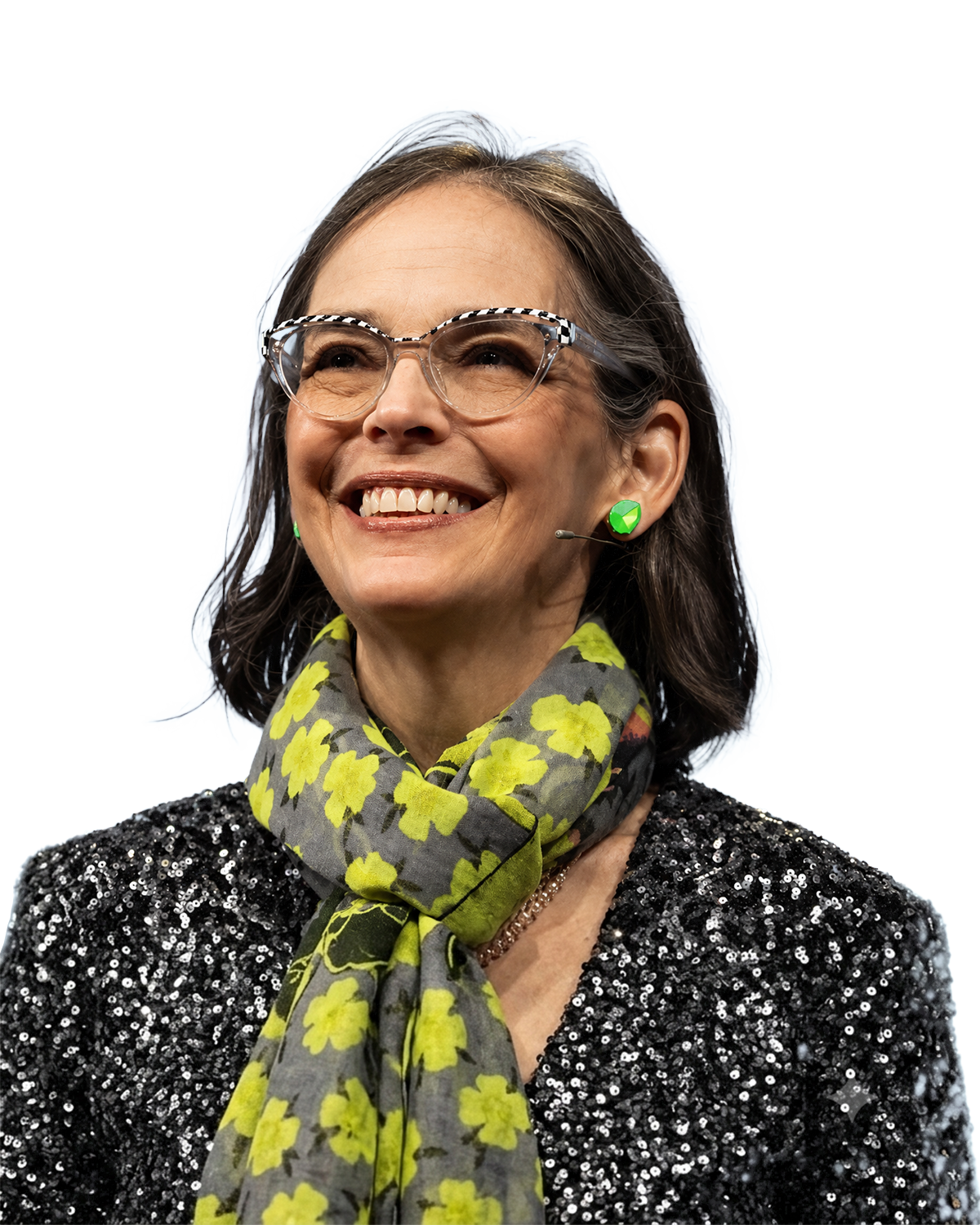
Lenore Skenazy
Founder, Free-Range Kids · President, Let Grow
Lenore Skenazy is an author and safe-childhood advocate who co-founded Let Grow with psychologists Jonathan Haidt and Peter Gray. In 2008 she let her nine year old ride the New York City subway home alone, wrote a column about it, and within two days was defending herself on national television as America's Worst Mom.
Her work makes the case that childhood independence, not constant supervision, is what builds resilient adults. Through Let Grow she runs free school programs and has helped pass Reasonable Childhood Independence laws in a growing number of states.
Who is Lenore Skenazy? +
She is the founder of Free-Range Kids and president of Let Grow, a nonprofit she co-founded with Jonathan Haidt and Peter Gray to make childhood independence normal again.
What does free-range parenting mean? +
It means giving children the independence to do age-appropriate things on their own, like walking to school or running an errand, so they build real-world competence and confidence.
Is it actually safe to give kids more independence? +
Skenazy argues the risk is far lower than most parents assume. A stereotypical stranger kidnapping is extraordinarily rare, and she makes the case that the greater risk is the anxiety that grows when a child is never trusted to do anything alone.
What are Reasonable Childhood Independence laws? +
They are state laws clarifying that parents can give kids reasonable independence without it being treated as neglect. They have passed in 13 states, usually with bipartisan support.
Full show notes
We convinced ourselves that childhood is more dangerous than ever, right as crime hit historic lows. Lenore Skenazy, founder of Free Range Kids and president of Let Grow, joins The Ryan Vet Show to explain why overprotection became the actual threat, and how to give kids their independence back.
In 2008, Lenore Skenazy let her nine year old ride the New York City subway home alone. He had begged for it. He made it back levitating with pride. She wrote a column about it, and within two days she was on the Today Show, MSNBC, Fox News, and NPR defending herself against the title that stuck: America’s Worst Mom. She turned that moment into Free Range Kids, and then into Let Grow, the nonprofit she co-founded with psychologists Jonathan Haidt and Peter Gray to make childhood independence normal and easy again.
In this conversation with host Ryan Vet, Lenore unpacks how American fear got so distorted. She traces the spike to the 1980s: the arrival of 24 hour cable news, a handful of high profile abductions, and missing kid photos on milk cartons that left out the context. The result is a culture where, by one University of Michigan finding she cites, half of parents of nine to eleven year olds will not let their child walk to a different aisle in a store. Meanwhile the data points the other way. Lenore cites figures putting the American homicide rate back to where it was around 1900, and notes that a genuine stranger kidnapping is so rare you would have to leave a child outside for hundreds of thousands of years for it to become statistically likely.
The cost of all that protection is not neutral. Drawing on Peter Gray’s work, Lenore argues that as children’s real world independence has declined over decades, anxiety and depression have climbed, because independence is how kids build an internal locus of control, the felt sense that they can handle things. Ryan connects this to his Generational Pendulum, from latchkey kids to helicopter parents to today’s digital leash. Lenore’s sharpest point lands on tracking apps: with around 86 percent of children now tracked, she argues we are replacing faith with certainty, and certainty is more fragile because you have to keep checking it.
The episode closes on what actually works. The only thing that changes anxiety, Lenore says, is action. She walks through Let Grow’s free programs, the Reasonable Childhood Independence laws now passed in 13 states, and a Harris finding that kids themselves rank free play first and time online last. They are there by default, not by desire.
In this episode:
The subway story that made Lenore America’s Worst Mom, and what her son actually learned that dayWhy American fear spiked in the 1980s: 24 hour cable news, high profile abductions, and the milk carton effectThe University of Michigan finding that half of parents of nine to eleven year olds will not let them go to a different aisle in a storeWhy a stranger kidnapping is statistically so rare, and the homicide rate’s return to roughly 1900 levelsInternal versus external locus of control, and how independence builds resiliencePeter Gray’s research linking the decades long decline in independence to rising anxiety and depressionThe tracking trap: why around 86 percent of kids are now monitored, and why certainty is more anxious than trustRyan’s Generational Pendulum: latchkey kids, helicopter parents, and the digital leashLet Grow’s free programs: the Let Grow Experience, the Let Grow Play Club, and the Independence KitThe 13 states that have passed Reasonable Childhood Independence laws, usually with bipartisan supportThe Harris finding that kids rank free play first and online last when choosing how to spend time with friendsReferenced in this episode:
Let Grow: letgrow.orgFree-Range Kids by Lenore Skenazy (2009, re-released 2021)Jonathan Haidt and Peter Gray, co-founders of Let GrowPeter Gray’s research on declining independence and rising youth anxietyThe Anxious Generation by Jonathan HaidtKevin Stinehart and the Let Grow Play Club (last week’s episode)Connect with Ryan Vet:
Website: ryanvet.comCOLLIDE Newsletter: ryanvet.com/collideLinkedIn: linkedin.com/in/ryanvetInstagram: instagram.com/ryancvetBook Ryan as a Keynote Speaker: ryanvet.com/generational-speakerSubscribe to The Ryan Vet Show on Apple Podcasts, Spotify, YouTube, and wherever you get your podcasts. The guest era continues every Monday at 6am ET. Next week: Weh’yee Barkon on the millennial digital nomad, work without borders, and what a location independent life really costs. The COLLIDE essay podcast continues every Thursday at 7am ET.
Send us Fan Mail
About Ryan VetRyan Vet is a USA TODAY bestselling author, futurist, and international keynote speaker whose insights on generations, culture, and the future of work have been featured in Forbes, Financial Times, ABC, NBC, and CBS. His research helps leaders understand emerging generational patterns and anticipate societal shifts before they fully unfold.
Join 20,000+ Leaders for Weekly InsightsIf you want deeper research and behind-the-scenes insights on generations and the future of culture and society, join Ryan’s weekly newsletter: 👉 https://ryanvet.com/collide