The Rise of Fragility: What We Created When We Tried to Keep Kids Safe
How a safety-first culture unintentionally reshaped childhood and what it means for every generation.
Read the full essayKids did not suddenly become fragile. The environment we built for them kept them from becoming strong.
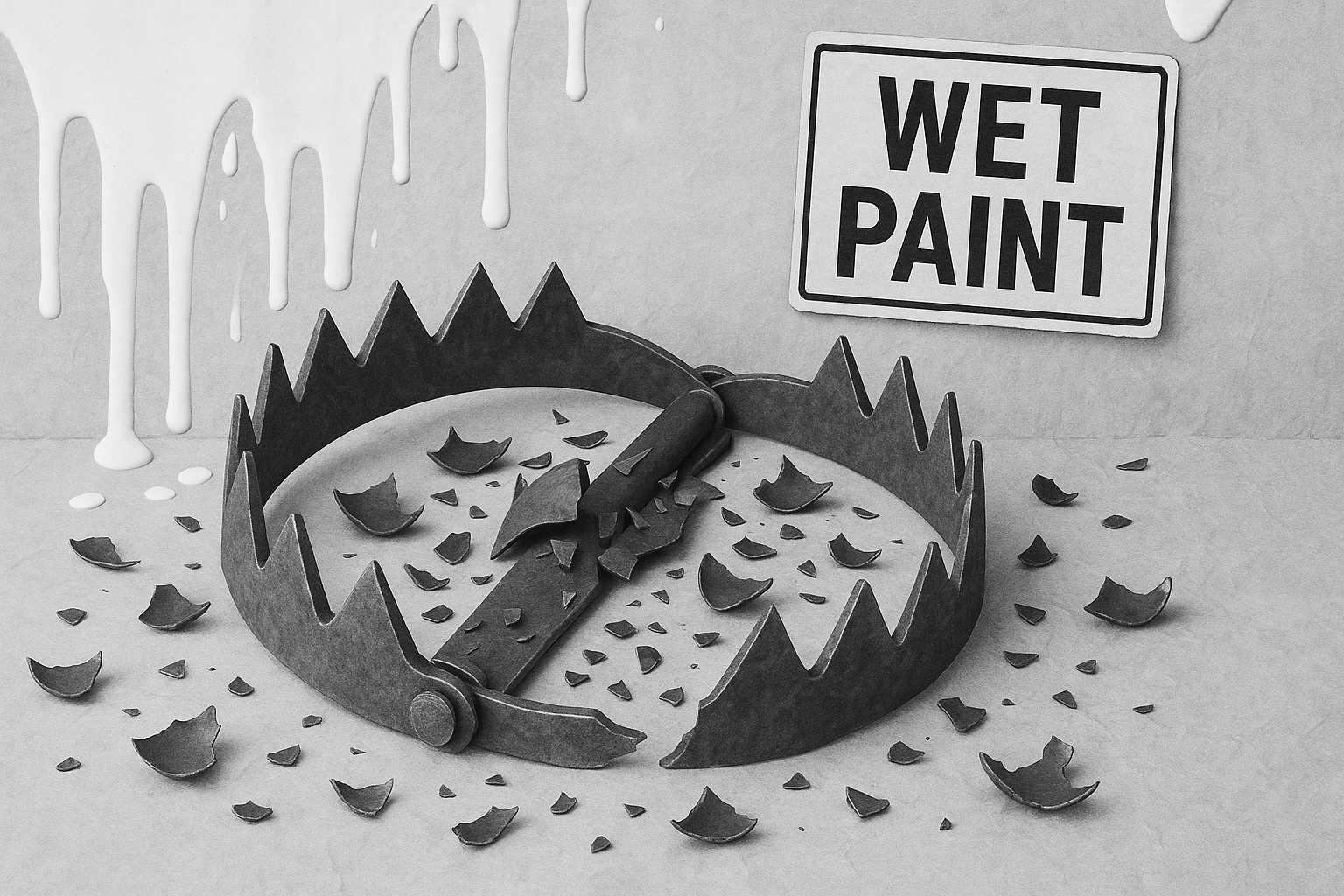
A glass ornament rolls off the dining room table and shatters into a thousand pieces. It broke because it was never built to do anything else. Ryan sets that against an old story about a hunter who finds a bear cub caught in a trap and has to tighten the iron teeth before they will release. Sometimes the trap must tighten before it opens.
The shift he traces is linguistic before it is behavioral. Psychological safety came from Carl Rogers in the 1950s and was redefined by organizational scholars before entering mainstream culture in the 2010s (Rogers, 1954; Edmondson, 1999). Emotional safety gained traction in counseling and parenting literature through the 1980s and 1990s. Safe spaces originated in 1960s social movements and expanded sharply in the 2010s. Trigger warnings moved from late-1990s internet forums into academic settings by the early 2010s. Linguistic change is a leading indicator of cultural change, and the pain of emotional hurt was not new. It just got a new name.
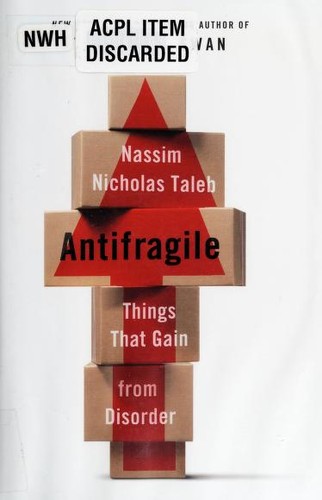
Once the lexicon framed discomfort as harm, children did exactly what the language trained them to do and avoided the paint entirely. What they lose is anti-fragility, Nassim Nicholas Taleb's term for systems that grow stronger under stress. A healthy immune system is anti-fragile. An ornament is not. Research on risky play finds children need age-appropriate exposure to uncertainty, minor danger, and problem-solving to build resilience (Sandseter and Kennair, 2011).
Ryan names three compounding forces. Technology gave parents unprecedented visibility, media multiplied fear, and new language defined discomfort as danger. Combine them and overprotection did not just happen, it became irrationally rational. His closing claim is the hopeful one: if we built the environments that produced fragility, we can build the ones that produce strength.
Kids did not suddenly become fragile. The environment they were raised in kept them from becoming strong.
Linguistic change is a leading indicator of behavioral change. Psychological safety, emotional safety, safe spaces, and trigger warnings all migrated into everyday childhood discourse, and normal emotional friction started to feel dangerous.
Anti-fragility, Nassim Nicholas Taleb's term, describes systems that grow stronger under stress. A healthy immune system is anti-fragile. A glass ornament is not.
Research on risky play shows children need age-appropriate exposure to uncertainty, minor danger, and problem-solving in order to build resilience (Sandseter and Kennair, 2011).
Three forces compounded into overprotection: technology gave parents total visibility, media multiplied fear, and new language redefined discomfort as danger.
Plain-language definitions for the ideas in this episode. Structured for search and AI answers.
Nassim Nicholas Taleb's term for systems that do not merely survive stress but grow stronger because of it. Human development works the same way, through scraped knees, risky play, and low-stakes failure.
In this episode: The immune system as the counterexample to the shattered ornament.
Age-appropriate exposure to uncertainty, minor danger, and problem-solving that builds resilience (Sandseter and Kennair, 2011). Ryan notes the label itself now carries a negative connotation we never used to attach to ordinary play.
In this episode: The learning loop that gets interrupted when kids cannot climb too high or explore too far.
Ryan Vet's shorthand for low-stakes consequence learning. A child touches the railing under the sign, gets paint on a finger, and learns something no warning could teach. The failure mode is not telling kids to avoid the paint, it is removing any chance for them to know wet paint exists.
In this episode: The image Ryan returns to throughout the essay.
Lines worth keeping, verbatim from the episode.
there is no such thing as a fragile child
Put differently: kids didn't suddenly become fragile, the environment they were raised in kept them from becoming strong.
sometimes the trap must tighten before it releases
Straight answers to the questions this essay raises. Open by default, structured for search and AI.
What does Ryan Vet mean by 'the rise of fragility' in kids? +
Ryan Vet argues that children did not suddenly become fragile, but that the environment they were raised in kept them from becoming strong. A safety-first culture, new emotional language, and always-on technology removed the small risks and consequences that build resilience. His core claim is that there is no such thing as a fragile child, only kids who have not been given enough chances to prove otherwise.
What is anti-fragility and how do children develop it? +
Anti-fragility, a term popularized by Nassim Nicholas Taleb, describes systems that grow stronger under stress, volatility, and disorder. Ryan Vet applies this to child development, comparing it to a healthy immune system that comes back stronger after fighting off illness. Children build anti-fragility through scraped knees, risky play, and low-stakes failure, which is why he says anti-fragility is built through exposure, not avoidance.
How did new emotional language change childhood? +
The essay traces how terms like psychological safety, emotional safety, safe spaces, and trigger warnings moved from niche origins into mainstream childhood discourse over recent decades. As words like unsafe, triggered, harmful, and overwhelming became common, normal emotional friction started to feel dangerous and something to avoid. Ryan Vet frames linguistic changes as a leading indicator of behavioral and cultural shifts, arguing the words reshaped what discomfort was believed to mean.
What three factors drove overprotective parenting? +
Ryan Vet identifies three forces that combined to make overprotection feel rational: technology that gave parents unprecedented visibility, media that amplified fear, and new language that defined discomfort as danger. Nursery cameras, GPS tracking, and constant reachability meant parents could see everything and felt obligated to manage everything. He connects this to the Generational Pendulum, noting that each generation's well-meaning intentions swing childhood in a new direction.
Can resilience be rebuilt once it has eroded? +
Ryan Vet ends on a hopeful note, arguing that if we crafted the environments that promoted fragility, we can build the environments that create strength. That means reintroducing low-risk, high-growth experiences and letting kids feel the sting of consequences and the wobble of independence. He urges parents and leaders to trust that children are far more capable than they have been allowed to be, while still avoiding negligence.
Full show notes
Are today’s kids truly more fragile or did our culture unintentionally weaken resilience over the past three decades? In this episode of The Ryan Vet Show, generational futurist Ryan Vet explores how a well-intentioned “safety-first” culture, shifting emotional language, and always-on technology reshaped childhood and changed how young people experience risk, discomfort, and adversity.
Through stories, research, and generational analysis, Ryan uncovers how psychological safety, overprotective parenting, and media-driven fear created environments where children avoided the very experiences that build confidence, independence, and anti-fragility. This episode examines why Gen Z and younger generations often struggle with conflict and uncertainty—and what parents, leaders, and educators can do to rebuild resilience.
What you’ll hear in this episode: • How the rise of psychological safety changed childhood • Why new emotional language (“unsafe,” “triggered,” “harmful”) reshaped expectations • The impact of smartphones, constant monitoring, and tech-enabled parenting • How media fear cycles amplified parental anxiety • The difference between fragile, resilient, and anti-fragile development • Why removing discomfort leads to long-term consequences • What risky play teaches that structured environments can’t • How cultural pendulums influence generational behavior • Practical steps to help kids grow stronger, not weaker
This episode is for parents, teachers, coaches, mental health professionals, leaders, and anyone trying to understand the generational shifts shaping today’s youth. If you’re curious about childhood development, resilience, psychology, or generational change, you’ll find this conversation both eye-opening and hopeful.
Send us Fan Mail
About Ryan VetRyan Vet is a USA TODAY bestselling author, futurist, and international keynote speaker whose insights on generations, culture, and the future of work have been featured in Forbes, Financial Times, ABC, NBC, and CBS. His research helps leaders understand emerging generational patterns and anticipate societal shifts before they fully unfold.
Join 20,000+ Leaders for Weekly InsightsIf you want deeper research and behind-the-scenes insights on generations and the future of culture and society, join Ryan’s weekly newsletter: 👉 https://ryanvet.com/collide