The four stages of the swing
Every generation moves through the same arc in relation to the one before it:
- Experience. You grow up inside the worldview of the generation that raised you. It sets your baseline for what is normal.
- Challenge. As you come of age, you push back on the parts of that worldview that didn't serve you.
- Overcorrect. You rarely just adjust. You swing past center, trying to fix what you felt was wrong. And in doing so, you plant the seeds of the next generation's pushback.
- Recalibrate. Every swing runs out of momentum. Eventually a later generation stops adding to the overcorrection and pulls the pendulum back toward the middle. Recalibration is the final stage, and it's where one long swing ends and the setup for the next begins.
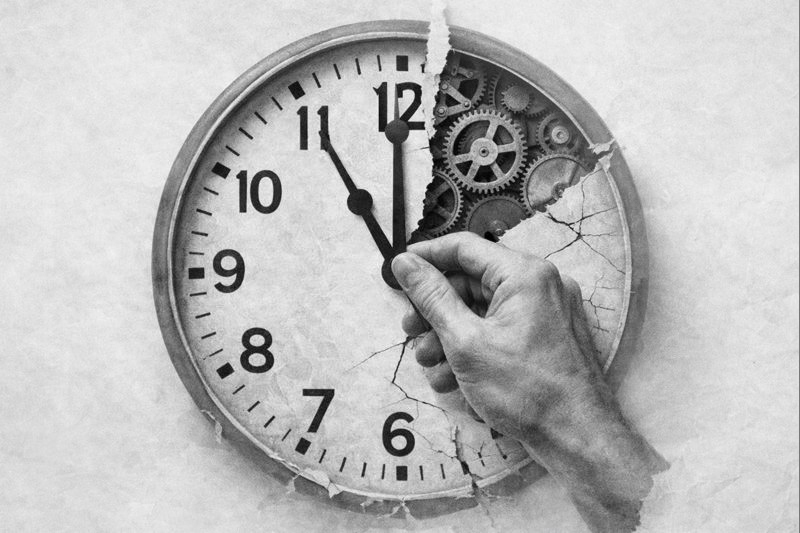
Generations don't drift at random. They swing. And the swing is almost always a reaction to the generation that did the raising.
The clearest example: latchkey kids to snowplow parents
This is the swing at the heart of my book Cracking the Millennial Code, before I had a name for it.
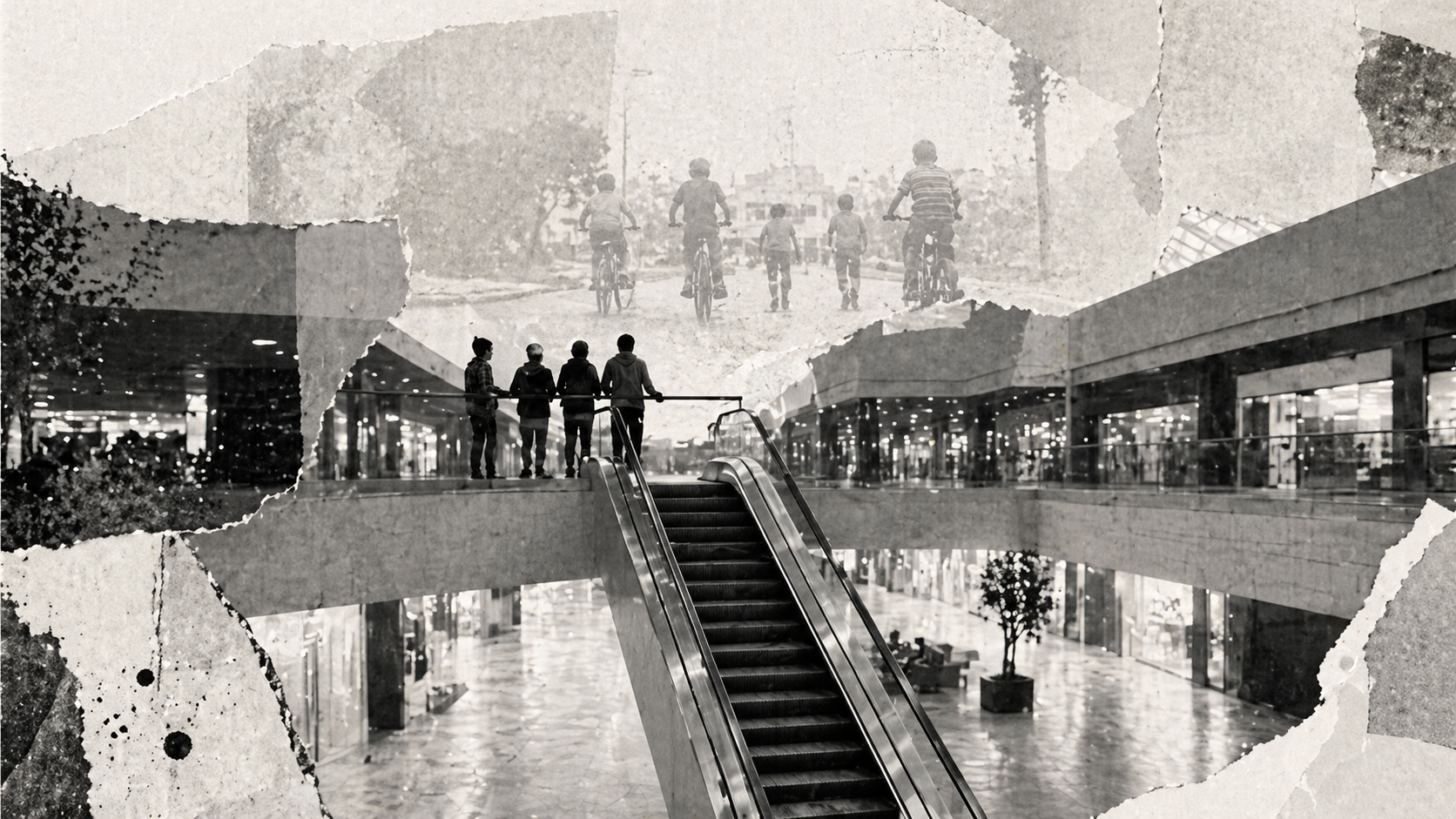
Gen X grew up as latchkey kids. With Boomer parents working long hours, Gen X came home to an empty house, made their own snack, and figured life out on their own until their parents rolled home from the corporate job. Most of them didn't love it.
So when Gen X had children of their own, Gen Z, they overcorrected. They made sure their kids would never come home to an empty house. They became the snowplow parents: the room moms, the travel-ball coaches, endlessly present, deeply involved, reluctant to discipline because they wanted closeness more than authority. The intention was good. It always is when the pendulum swings. But in swinging away from absence, they went past center into over-involvement, and raised one of the most programmed, most supervised generations in history.
You can see the mechanism in the raw numbers. American dads went from spending about 2.5 hours a week with their children in 1965 to roughly triple that over the next fifty years (Pew Research Center, 2019). That isn't drift. That's the pendulum swinging from absence toward presence, and in places, past it.
The same swing shows up in every domain
Once you can see the pendulum, you start noticing it everywhere. The mechanism is always the same; only the subject changes.
- Money. The Silent Generation's scarcity gave way to Boomer abundance, which Gen X met with skepticism, which Millennials answered with minimalism and the subscription era: each generation challenging and overcorrecting the financial worldview it inherited. (Deeper take: What the End of the Penny Says About the Future of Money.)
- Safety and independence. A generation raised on independence swung hard toward protection, until child-neglect norms tightened to the point that ordinary judgment calls, like letting a kid walk to school, became suspect. (Deeper take: When Freedom Became Fear.)
- Love and family. Across sex and gender, communication, and technology, each swing of the pendulum steadily removed friction from relationships, reshaping what family is expected to look like. (Deeper take: From Chandler Bing to Gen Z.)
Different subjects. Same four stages: experience, challenge, overcorrect, recalibrate.
Why the pendulum matters for leaders and parents
Once you can see the swing, you stop taking each generation's behavior at face value and start reading it as a response. Millennials weren't entitled for no reason; they were raised by parents overcorrecting their own childhoods. Gen Z's caution is a reaction to what they watched happen to the generation ahead of them. The behavior that frustrates you across a generational gap usually isn't random. It's the far end of a swing that started before this generation was born.
The most useful question a leader or parent can ask isn't "why are they like this?" It's "what were they reacting to?" And the second question follows close behind: if every overcorrection eventually recalibrates, which way is the pendulum about to swing next?
Frequently asked questions about the Generational Pendulum
What is the Generational Pendulum?
The Generational Pendulum is a framework from generational futurist Ryan Vet describing how each generation experiences the worldview of the one before it, challenges it, overcorrects for it, and eventually forces a recalibration. Generations change in reaction to the generation that raised them, swinging past center before a later cohort pulls things back.
What are the four stages of the Generational Pendulum?
Experience the prior generation’s worldview, challenge it, overcorrect for it, and recalibrate. Recalibration is the final stage: a later generation stops extending the overcorrection and pulls the swing back toward center, setting up the next arc.
Who created the Generational Pendulum?
Generational futurist and USA TODAY bestselling author Ryan Vet, who first argued it in his book Cracking the Millennial Code (November 2019) before naming the framework.
How is the Generational Pendulum different from just saying "history repeats itself"?
"History repeats" is vague and cyclical for its own sake. The Generational Pendulum is specific: it explains why a generation changes, as a direct overcorrection to the generation that raised it, and it names the mechanism, four stages, and direction. It’s not that the past simply returns. It’s that each generation swings away from the last and past center, until a later one recalibrates.
Can you give an example?
Gen X grew up as latchkey kids, came home to empty houses, and largely disliked it. So when they became parents, they overcorrected into intensive, always-present parenting of their Gen Z children: scheduled, supervised, tracked. The swing away from absence went past center into over-involvement. That’s the pendulum inside a single generation.