There Is No Such Thing as a Fragile Child
How a safety-first culture unintentionally reshaped childhood, and what it means for every generation.
Read the full essayThere is no such thing as a fragile child. Kids learn to walk by falling, and the environment we built is what kept them from proving it.
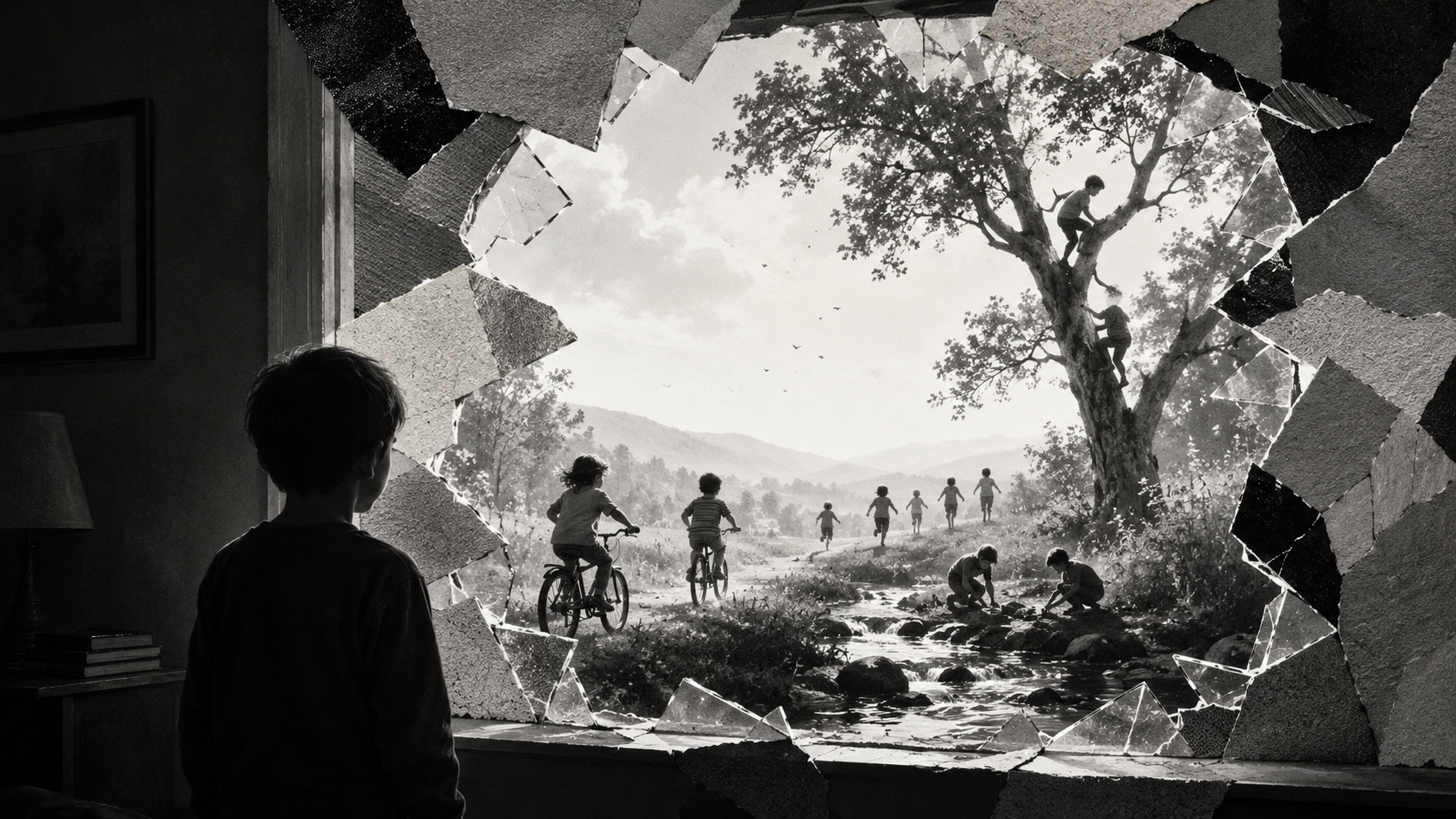
The front window came apart all at once, with Ryan's son a few feet from where it happened. It turned out they had not been singled out at all. Someone was working down the line of houses breaking front windows, and theirs was simply next. The glass did what glass does, because it was never built to do anything else.
Ryan calls this the essay he most wants a new reader to start with, and he has refreshed it with newer research. The core argument is linguistic. Over a few decades we renamed the experience of discomfort itself: psychological safety (Rogers, 1954; Edmondson, 1999), emotional safety, safe spaces, and trigger warnings all migrated into everyday childhood discourse, and normal emotional friction began reading as danger. The pain was not new. It just got a new name, and kids responded exactly as the language trained them to.
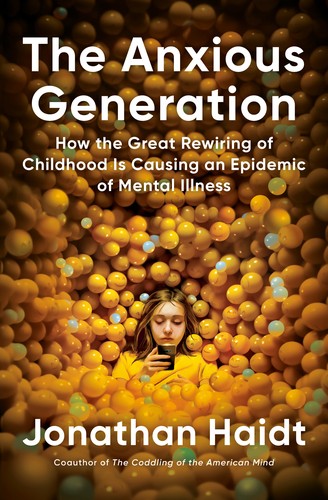
The updated evidence makes the cost concrete. A 2023 review in The Journal of Pediatrics ties the decades-long decline in children's independent activity, the plain freedom to roam, play, and solve problems without an adult hovering, to the documented rise in anxiety, depression, and a sense of helplessness among young people (Gray, Lancy, and Bjorklund, 2023). The thing we removed to keep them safe turns out to be one of the things that kept them well.
He ends on the pendulum rather than the diagnosis. Free-range childhood gave way to the helicopter, and the helicopter, for all its love, gave us fragility. But the generation we raised most carefully is the same one now choosing the mall, the bookstore, and the face-to-face over the screen. They are reaching, on their own, for the friction we spent two decades removing.
There is no such thing as a fragile child. Kids learn to walk by falling, learn boundaries by walking to the edge, and recover from far more than we let them attempt.
A 2023 review in The Journal of Pediatrics ties the decades-long decline in children's independent activity to the documented rise in anxiety, depression, and helplessness among young people (Gray, Lancy, and Bjorklund, 2023).
When we erase small childhood consequences, we unintentionally guarantee larger adult ones. Stealing a candy bar at 6 means a stern talk and a forced apology. Stealing at 26 means a criminal record.
The Generational Pendulum: a generation faces a real challenge, the next generation overcorrects for it, and a later generation recalibrates. Free-range childhood gave way to the helicopter, and the helicopter gave us fragility.
The pendulum is already swinging back. The generation raised most carefully is the one now choosing the mall, the bookstore, and the face-to-face, reaching on their own for the friction we spent two decades removing.
Plain-language definitions for the ideas in this episode. Structured for search and AI answers.
The plain freedom to roam, play, and solve problems without an adult hovering. Its decades-long decline is tied to the documented rise in youth anxiety, depression, and helplessness (Gray, Lancy, and Bjorklund, 2023).
In this episode: The research Ryan added when refreshing the essay, and the clearest evidence that overprotection carries a measurable cost.
The learned belief that discomfort is harm and that risk should be avoided rather than metabolized. It is not innate to children, and it follows them into adulthood where the stakes are far higher.
In this episode: What forms when every obstacle is padded or pre-removed.
Ryan Vet's framework for how generational change actually moves. One generation faces a real challenge, the next overcorrects for it, and a later generation is left to recalibrate.
In this episode: The arc from free-range childhood to the helicopter to the recalibration now underway.
Lines worth keeping, verbatim from the episode.
The thing we removed to keep them safe turns out to be one of the things that kept them well.
They need wet paint. They need small stakes. They need the trap to tighten before it opens.
Kids aren't fragile. They just haven't been given enough chances to prove it.
Straight answers to the questions this essay raises. Open by default, structured for search and AI.
What does Ryan Vet mean by "there is no such thing as a fragile child"? +
Ryan argues that children are built to fall, fail, recover, and grow stronger, and that a baby learns to walk by falling hundreds of times. Kids are not naturally fragile; the environment they were raised in kept them from becoming strong. They just have not been given enough chances to prove it.
What is anti-fragility and how does it apply to children? +
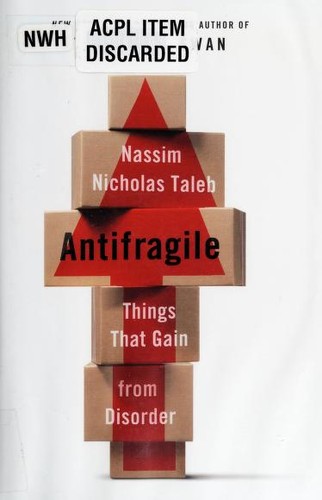
Anti-fragility, a term popularized by Nassim Nicholas Taleb, describes systems that grow stronger under stress rather than breaking. Children develop resilience through scraped knees, risky play, and low-stakes failure, much like a healthy immune system grows stronger after fighting off an illness. When we remove those stressors, we interrupt the natural learning loops that produce competence and confidence.
How did new language reshape childhood according to the essay? +
Ryan traces how terms like psychological safety, emotional safety, safe spaces, and trigger warnings entered mainstream culture and began reframing ordinary discomfort as potential harm. He argues that linguistic change is a leading indicator of cultural change. Once discomfort was framed as danger, kids learned to steer clear of the very experiences that teach them.
What three forces does Ryan blame for overprotection? +
He names technology, media, and parenting. Nursery cameras, GPS trackers, and smartphones gave parents total visibility and the felt obligation to manage everything, unlike earlier eras when children took risks outside adult view. Media turned statistically rare fears into constant ones, and new language relabeled "challenging" as "dangerous."
What is the Generational Pendulum and how does it relate to fragility? +
The Generational Pendulum is Ryan's recurring pattern that every generation overcorrects for the one before it. Free-range childhood gave way to the helicopter, and the helicopter, for all its love, gave us fragility. He sees the pendulum already swinging back, a question that grows sharper for Gen Beta, the first generation raised inside an AI-saturated world.
Full show notes
We didn’t raise a fragile generation. We renamed discomfort as danger, then removed the very experiences that make kids strong. The contrarian case for why there is no such thing as a fragile child.
Generational futurist, USA Today bestselling author, and keynote speaker Ryan Vet makes a contrarian case: there is no such thing as a fragile child. Kids learn to walk by falling. They are built to fall, fail, recover, and grow stronger. So what changed? Over a few decades we did not simply parent differently. We renamed the experience of discomfort itself.
Ryan traces the language shift that quietly rewired childhood. Psychological safety, introduced by Carl Rogers in the 1950s and redefined by organizational scholars before going mainstream in the 2010s. Emotional safety, which spread through counseling and parenting literature in the 1980s and 1990s. Safe spaces, born in 1960s social movements and vastly expanded in the 2010s. Trigger warnings, which migrated from late-1990s internet forums into academia by the early 2010s. Linguistic change is a leading indicator of cultural change. The pain of emotional hurt was not new. It just got a new name. And once discomfort was framed as harm, kids learned to avoid the wet paint entirely.
Then he turns to Nassim Nicholas Taleb’s idea of anti-fragility, the observation that some systems grow stronger under stress. “Some things benefit from shocks; they thrive and grow when exposed to volatility, randomness, disorder, and stressors.” A healthy immune system is anti-fragile. So is a child. Scraped knees, risky play, and low-stakes failure are not threats to development. They are the mechanism of it.
Ryan names three forces that combined to strip those experiences away: technology, media, and parenting. Nursery cameras, GPS trackers, and smartphones gave parents total visibility for the first time in history, and visibility created the obligation to manage everything. Media turned statistically rare fears into constant ones. And new language relabeled “challenging” as “dangerous.” The cost is now measurable. Research on risky play shows children need age-appropriate exposure to uncertainty to build resilience (Sandseter & Kennair, 2011), and a 2023 review in The Journal of Pediatrics ties the decades-long decline in children’s independent activity directly to the rise in anxiety, depression, and helplessness among young people (Gray, Lancy & Bjorklund, 2023).
This is the Generational Pendulum at work. Every generation overcorrects for the one before it. Free-range childhood gave way to the helicopter, and the helicopter, for all its love, gave us fragility. But the pendulum is already swinging back. The generation we raised most carefully is the same one now choosing the mall, the bookstore, and the face-to-face over the screen. Kids are not fragile. They just have not been given enough chances to prove it.
In this episode:
- The bear trap parable, and why the trap sometimes has to tighten before it releases
- The “wet paint” test: how kids actually learn, and what happens when we remove the lesson
- How four words rewired childhood: psychological safety, emotional safety, safe spaces, and trigger warnings
- Why linguistic change is a leading indicator of cultural change
- Fragility vs. anti-fragility, and what Nassim Taleb got right about stress
- The three forces behind overprotection: technology, media, and parenting
- Why total parental visibility created the obligation to manage everything
- The data: risky play, independent activity, and the rise in youth anxiety and depression
- The Generational Pendulum: how every generation overcorrects for the one before it
- Why there is no such thing as a fragile child, and how the pendulum is swinging back
Referenced in this episode:
- Nassim Nicholas Taleb, Antifragile: Things That Gain from Disorder
- Carl Rogers (1954), Toward a Theory of Creativity
- Amy C. Edmondson (1999), psychological safety and learning behavior in work teams
- Sandseter & Kennair (2011), children’s risky play from an evolutionary perspective, Evolutionary Psychology
- Gray, Lancy & Bjorklund (2023), decline in independent activity and children’s mental well-being, The Journal of Pediatrics
- COLLIDE Newsletter by Ryan Vet: ryanvet.com/collide
Connect with Ryan Vet:
- Website: ryanvet.com
- COLLIDE Newsletter: ryanvet.com/collide
- LinkedIn: linkedin.com/in/ryanvet
- Instagram: instagram.com/ryancvet
- Book Ryan as a Keynote Speaker: ryanvet.com/generational-speaker
Subscribe to The Ryan Vet Show on Apple Podcasts, Spotify, YouTube, and wherever you get your podcasts. New COLLIDE essay episodes release every Thursday at 7am ET. Guest era episodes release Monday mornings at 6am ET. Join the COLLIDE newsletter at ryanvet.com/collide for the research, reflections, and frameworks behind every episode.
About Ryan Vet
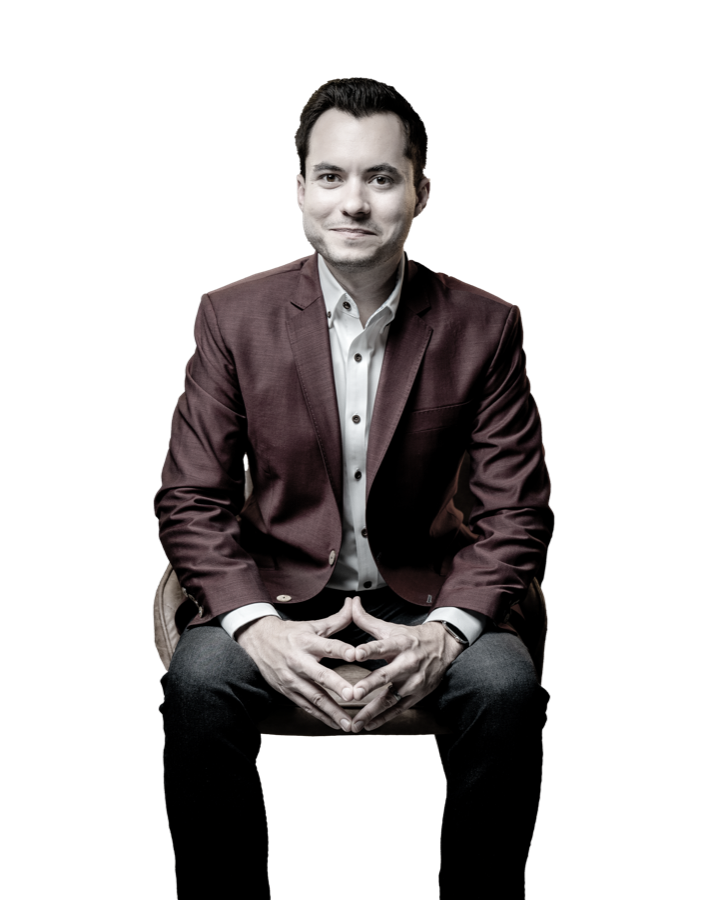
Ryan Vet is a USA TODAY bestselling author, futurist, and international keynote speaker whose insights on generations, culture, and the future of work have been featured in Forbes, Financial Times, ABC, NBC, and CBS. His research helps leaders understand emerging generational patterns and anticipate societal shifts before they fully unfold.
Join 20,000+ Leaders for Weekly Insights
If you want deeper research and behind-the-scenes insights on generations and the future of culture and society, join Ryan’s weekly newsletter:
👉 https://ryanvet.com/collide