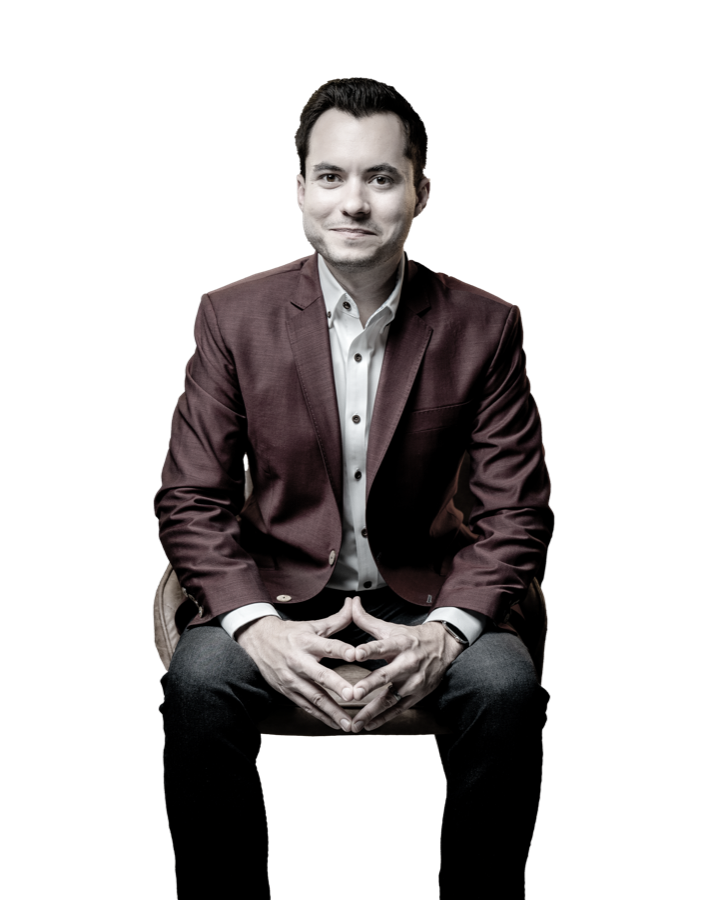
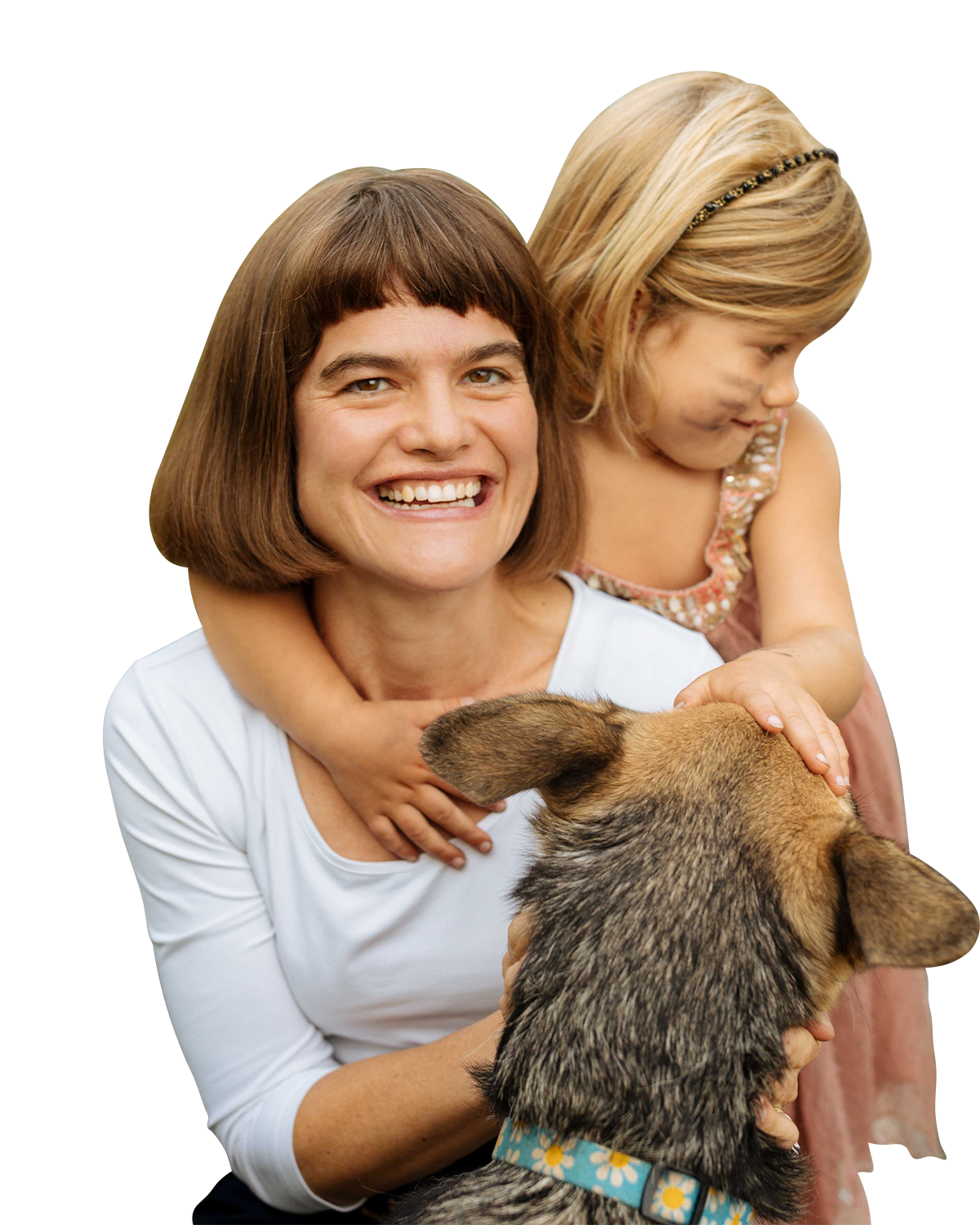
Michaeleen Doucleff
Author, Hunt, Gather, Parent · Former NPR correspondent
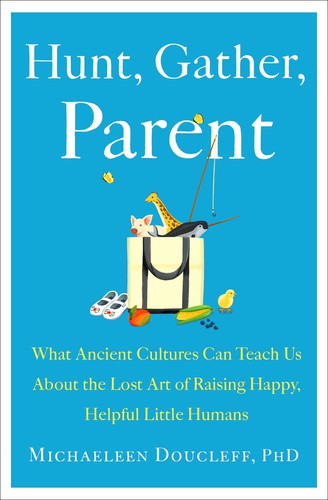
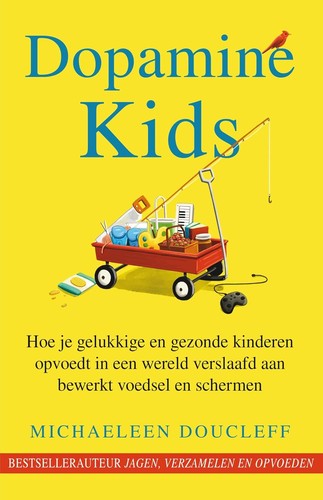
Michaeleen Doucleff is an author and former NPR global health correspondent with a PhD in physical chemistry. She is known for the New York Times bestseller Hunt, Gather, Parent, which has sold more than a million copies in over thirty languages, and its follow-up Dopamine Kids. Her work draws on cross-cultural parenting research and the science of dopamine to question common assumptions about raising children.
Reviewed July 2026Michaeleen Doucleff is an author and science journalist who spent nearly twelve years as a global health correspondent for NPR. In that role she covered infectious disease outbreaks around the world, including the Ebola outbreak in Liberia, reporting from rural communities on nearly every continent. She holds a PhD in physical chemistry, a background she has said shaped how she approaches research and evidence.
After becoming a parent, Doucleff noticed that families she had met while reporting, in Maya villages in the Yucatan, among Inuit families in the Arctic, and in Tanzania, were not struggling the way she was. That observation became Hunt, Gather, Parent, a New York Times bestseller that has sold more than a million copies and appeared in over thirty languages. Her follow-up book, Dopamine Kids, examines the science of screens and ultra-processed foods and argues that dopamine drives wanting and craving rather than pleasure. She is intentionally not active on social media and directs readers to her website instead.
Doucleff joined The Ryan Vet Show for the first guest episode of the show's second year. The conversation traces her path from PhD chemist to NPR global health correspondent to bestselling parenting author, and the moment that reframed her work: watching a twelve-year-old in a Maya village wash dishes without being asked, then explaining she did it because she loved her mom.
Across the episode she lays out the cooperation model she found on every continent, including children in real adult work rather than orbiting family life around the child. She then walks through the central argument of Dopamine Kids, that a roughly seventy-year-old idea of dopamine as the brain's pleasure system is wrong, and that apps and ultra-processed foods are engineered to crank up wanting while suppressing real pleasure. She offers concrete tools, from device-free sanctuaries in the home to using food cues instead of fighting them.
The discussion connects to Ryan Vet's generational and futurist work as the two look ahead to Gen Alpha, Gen Beta, and Gen Z, and to his COLLIDE essay on the loneliness of parenthood, which Doucleff frames as a structural problem rather than a personal failing. Her closing hope is that a generation now stepping back from screens will pass that lesson to its own children.
What kids need is involvement in the adult world. And when they have it, they start to behave better.
For a kid to feel really good about themselves, they need to feel like they're learning to be an adult.
Dopamine is what gives us the feeling of wanting and craving and desire.
Who is Michaeleen Doucleff?
She is a former NPR global health correspondent with a PhD in physical chemistry and the author of Hunt, Gather, Parent, a New York Times bestseller, and its follow-up Dopamine Kids.
What is Hunt, Gather, Parent about?
It draws on parenting traditions from Maya, Inuit, and Tanzanian families to show how including children in everyday adult work raises calmer, more helpful, more capable kids.
Is dopamine the brain's pleasure chemical?
No. Doucleff explains that dopamine drives wanting and craving, not pleasure, and that apps and ultra-processed foods are engineered to spike it while suppressing actual enjoyment.
How can parents help kids use screens more healthily?
Dopamine Kids offers practical tools, including creating device-free sanctuaries in the home and recognizing that cues, not need, drive much of the craving.

Read the thinking behind every episode.
Join 23,000+ leaders reading Every Tuesday at 4pm ET.
Check your inbox to confirm. The next COLLIDE lands Every Tuesday at 4pm ET.