Back to ryanvet.com The Ryan Vet Show
Raising Adults Not Kids Season 1 · Episode 28 · Guest

Michaeleen Doucleff: Hunt, Gather, Parent, Dopamine Kids, and What Modern Parenting Gets Wrong

30:34 June 1, 2026 With Michaeleen Doucleff

Follow the show in your app. Apple leads on iPhone, Spotify on Android.

Summary

What if almost everything we believe about modern parenting is wrong?

Michaeleen Doucleff spent nearly 12 years as a global health correspondent for NPR, covering outbreaks from Ebola in Liberia to rural villages on nearly every continent. Then she became a mom and realized the parents she had met around the world were not struggling the way she was. That observation became Hunt, Gather, Parent, a New York Times bestseller with more than a million copies sold, followed by Dopamine Kids.

In this conversation with host Ryan Vet, Michaeleen shares what Maya, Inuit, and Tanzanian families taught her about raising calm, helpful kids, why dopamine is not the brain's pleasure system, and how screens and ultra-processed foods are engineered to exploit it. She argues that the loneliness of modern parenting is a structural problem, not a personal failure.


Key takeaways
1

What kids need most is involvement in the adult world. When they have it, they start to behave better.

2

Dopamine is not the brain's pleasure chemical. It drives wanting and craving, and apps and ultra-processed foods are engineered to crank it up while suppressing real pleasure.

3

Cultures that raise calm, helpful children tend to include kids in real adult work rather than organizing all of family life around the child.

4

Food cues, not hunger, drive most eating, and parents can use that science instead of fighting it.

5

The loneliness of modern parenthood is a structural problem, not a personal failing.


Terms defined

Plain-language definitions for the ideas in this episode. Structured for search and AI answers.

dopamine noun · neuroscience

The brain chemical of wanting, craving, and desire, not pleasure. A decades-old myth cast it as the pleasure system.

In this episode: Understanding the difference is the key idea behind Dopamine Kids.

the cooperation model noun · parenting

Including children in the adult work of the household instead of orbiting family life around the child.

In this episode: What Michaeleen observed in Maya, Inuit, and Tanzanian families.

sanctuaries noun · practice

Protected spaces and times in the home where devices do not enter.

In this episode: One of the practical tools for weaning kids off screens.


Chapters

Jump to any moment. Timestamps deep-link the audio.

The guest
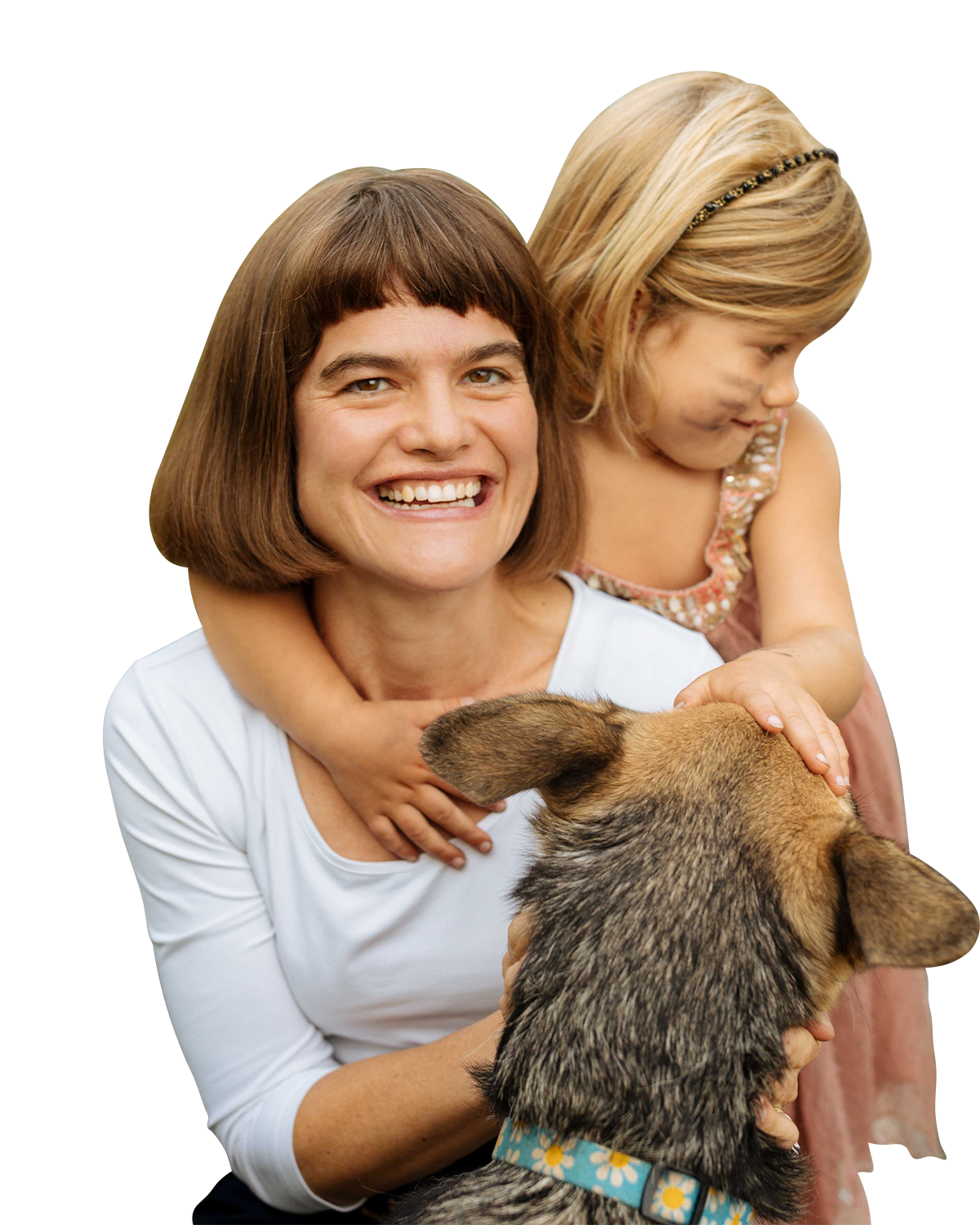
Michaeleen Doucleff

Michaeleen Doucleff

Author, Hunt, Gather, Parent · Former NPR correspondent

Michaeleen Doucleff is a bestselling author and former NPR global health correspondent. Her book Hunt, Gather, Parent draws on parenting traditions from cultures around the world, and her follow-up Dopamine Kids takes on screens, ultra-processed food, and attention.


Transcript
00:00 From chemist to global health reporter to parenting author
Ryan Vet · Welcome to another episode of The Ryan Vet Show. I'm here with Michaeleen Doucleff today to chat about two of her books. I was telling Michaeleen this right before we got on, but I read a lot of books, as anyone who listens for any length of time knows. And I have to say that Hunt, Gather, Parent, which came out just a couple of years ago, is still one of my favorite books, just because it's human. So many books you read are pie in the sky from a researcher's seat and just miss that human connection. Michaeleen does a fantastic job in that book. It's sold over a million copies, which is an extraordinary accomplishment, and it's now in at least 30 different languages and probably still counting up. So, Michaeleen, welcome to the show.
Michaeleen Doucleff · Thank you for having me. Thank you for that beautiful introduction.
Ryan Vet · Absolutely. Now, we've got to go to your background a little bit, because you are a reporter. But before that, you were a chemist, a PhD. So what made you so fascinated in cultures around the world for Hunt, Gather, Parent? Then we'll get into Dopamine Kids, which I'm really excited to chat about.
Michaeleen Doucleff · Yeah. So I spent almost 12 years as a global health correspondent at NPR, where I was covering infectious diseases. NPR would send me out to some outbreak in some rural part of the world. I went to Liberia during the Ebola outbreak. So I traveled a lot as a reporter, and I didn't really appreciate it at the time, but I could tell the parents were doing something a little different than I saw here in the United States. Then I really started to notice this when I became a mom. That happened 10 years ago. My little girl Rosie was born, and I was really struggling as a parent.
Michaeleen Doucleff · I thought that I could use science to parent. I have a degree in physical chemistry. How hard could parenting be? But it was really hard, and I was really bad at it. And when I traveled, I started to see, oh, not all cultures struggle like I was struggling. On one trip I went down to a tiny Maya village in the Yucatan in Mexico, and the parents there just blew me away. They were so calm, so relaxed, not stressed out by the kids. And the kids were great. They were so kind and generous and super helpful. One morning I was talking to a mom in the kitchen, and this 12-year-old walked by and started washing the dishes completely spontaneously, and I was just like, what? I've never seen that in California. I asked the young girl, why'd you do that? And she said, well, because I love my mom. That was kind of the moment where I was like, okay, I want to learn how to parent like that. There's something going on here that's really special, and I want to learn it.
Michaeleen Doucleff · So I started studying parenting around the world, and I started to realize this way of parenting is really common. You can find it on every continent. It's universal. It's a way of raising kids based on cooperation instead of conflict, and it works so well. Every little thing I tried back in San Francisco just transformed our lives. That's when I was like, okay, I have to write a book about this.
03:28 The aha moment: parenting is about relationship, not culture
Ryan Vet · It's a fantastic book. I love how you take us around the world to completely different cultures, dive in, and then talk about what you did at home, what worked and what didn't. What's so impressive, besides your humility, is how relatable it is. As parents we never feel like we have it all together, and we feel like we're the only one falling apart, but you very openly say this didn't work. You translated all of this into modern Western culture, which is so impressive. Sometimes we think here in the United States, or in more developed places, that we're in a different world from some of the places you went. But the reality is we're still parenting. We're still child-rearing, as the term used to be. What was probably your biggest aha moment in the research or the writing, either with your daughter or just in general, where it was like: wow, it's not a huge cultural divide, it's kids at the end of the day?
Michaeleen Doucleff · You're exactly right. This book and these techniques work so well because it's really about the parent-child relationship. You can move it around. It can't be exact in different cultures, but you can kind of bring it. One of the big takeaways in the beginning of Hunt, Gather, Parent is about really never shooing away your kid, even when they're really little, if they want to help. Really including them, not in complex tasks, but very simple tasks of your work. And instead of organizing your weekends and your leisure time around your child, going about your life and including them in it.
05:09 Stop being your kid's executive assistant
Michaeleen Doucleff · I started doing this pretty early on, and it just transformed my life. Basically, when Rosie was a toddler, I was like her executive assistant. I was scheduling zoos and science museums and play dates, and I hated these things. I hated them. Then she would take a nap and I would be cleaning the house. So it was just a constant. After writing this book and doing the research, I was like, oh my gosh, I'm doing this all wrong. Forget these child-centered activities that I hate and don't want to do. We're going to go hiking. We're going to go to the beach. We're going to do stuff that I want to do, and I'm going to figure out a way to include her. Maybe it's shorter. Maybe we have to adjust. And then when she takes a nap, I'm going to rest.
Michaeleen Doucleff · My chores around the house are more than enough entertainment for her, and including her in them is more than enough for what she wants and needs as a human. In fact, I would argue she needs to help me cook, help me clean, help me get stuff done more than she needs an iPad or to go to some playroom and play with a bunch of three-year-olds. What kids need is involvement in the adult world. When they have it, they start to behave better. You feel better because you're doing stuff that makes you happy. And parenting becomes much, much easier.
06:37 Welcoming kids into the adult world
Ryan Vet · Absolutely. Everyone volunteers advice when they find out you're going to be a parent. The two pieces that stuck with me, and I think your book encapsulates them well with a lot more research and data, are these. The first: you're raising adults, not kids. They already know how to be kids. It doesn't mean take the kid out of them. You still want them to be kids, but you don't have to teach them how to be kids. They've got that down. Your book did that really well. And the second: your kids are being born into their world, you're not being born into theirs.
Michaeleen Doucleff · Yes, thank you. You encapsulated that so well. That's exactly right. If you look around the world, as I traveled, we went to the Yucatan, we went to the Arctic with the Inuit, we went to Tanzania, and many other places. Parents don't play with children. They don't enter the child's world. That's for the kids. Instead, exactly what you're saying, they welcome the kid into the adult world slowly over time, teaching them to be productive and skillful and to enjoy the adult world. In America we often just leave them in the child world, and they never see the adult world. I think it's one of the reasons we have the mental health crisis we have. For a kid to feel really good about themselves, they need to feel like they're learning to be an adult, learning to contribute to society and to their family and to be productive. We've kind of stripped that away from our kids. I hope Hunt, Gather, Parent and Dopamine Kids help parents see that getting kids into the adult world doesn't have to be hard or scary. It's pretty easy. It's actually less work than constantly being in the child world.
08:22 Letting Rosie roam: the independence shift
Ryan Vet · Absolutely, and I think that's a perfect transition to Dopamine Kids. You talk about Rosie, your daughter, and letting her go. You were trying to distract her from some of the magnets, the technology, watching Netflix on your computer. You had her bike out there, and she eventually said she wanted to go to the store by herself, and you allowed her to do that. Were you in San Francisco at the time?
Michaeleen Doucleff · No, that was actually after we'd moved. We live now in West Texas. But when we were in San Francisco, I was pretty loose with her. I think she was like four. I let her walk two blocks to the store, to the market, by herself and buy something. I had trained her to do it, helped her learn. And the guy knew her at the store. I talked to him, and she also had our German shepherd with her. But this bigger moment was in Texas, when she was age eight, and this was biking a mile to the store, going in by herself, and buying something. That was the big shift. I was like, look, if I'm going to take away Netflix, which was her major source of leisure after dinner, I can't just leave her empty-handed. I think this is a big mistake we make, this idea of just take the screen away and say, go be bored, go figure it out. Behavioral psychology tells us this just does not work, even with adults. You've got to backfill it.
Michaeleen Doucleff · What I'm arguing in Dopamine Kids is that we can backfill it with things that activate the dopamine system, that get kids really excited and fulfill their needs as humans. So now we're not only getting them off the thing that probably isn't so great for them in the long run, we're filling them up with activities and hobbies that really make their life come alive and make happy kids. And again, it's not a lot of work. It's really about finding a few activities that light up their eyes and get them excited, then getting them started on it. After that, kids want to do it by themselves. They don't want us involved in it.
10:28 What dopamine really does: wanting, not pleasure
Ryan Vet · So good. Let's talk about Dopamine Kids. I'll be honest, I picked up the book for two reasons. One, your first book was excellent, so I bought the second one. But the other one, a lot of my writing and research is around technology and its impact on kids. I was all about "dopamine is the joy factor, it's the like button." I'm guilty of saying that: they're getting their dopamine hits from being on social media. And you basically tell the reader that might not be the best narrative. Could you walk us through that at a high level and talk about what dopamine really is and what the book is about?
Michaeleen Doucleff · Yeah. So for about 60, almost 70 years, there's been this idea in neuroscience that dopamine is the neurotransmitter involved in creating the feeling of pleasure. It's the pleasure center of the brain, and that's why we do things, because it gives us pleasure. But over the past 30 years or so, there's a massive amount of scientific evidence showing that this is really not the case at all. Instead, dopamine is what gives us the feeling of wanting, craving, and desire. It's not "I kind of want to go talk to my mom" or "I kind of want to play video games." It's "I need to play video games. I need them right now." And it motivates us. It's our willingness to work hard and persist.
Michaeleen Doucleff · That differentiation is important, because dopamine can pull us toward things that actually don't make us feel good and that can rob us of pleasure. Especially nowadays. We have these products in our kids' lives, devices, apps, ultra-processed foods, that are designed for overuse and overconsumption. They're designed to crank up our dopamine, but not our pleasure, which is a different part of the brain. Social media is a good example. Research shows kids are on social media for one reason, to feel a sense of belonging and connection. But over time these apps leave them feeling lonelier, and yet they still feel this pull, they still want to use them. The good news is that the dopamine system is super flexible. Especially with kids, we as parents can take out the video games, take out social media, and put in whatever we want. We can actually train our kids' brains to reach for and want things that make them feel really good, that don't just light up their dopamine system but also light up their pleasure.
13:02 The ultra-processed food trap
Ryan Vet · I love that. I learned so much about things I thought were true about science that weren't necessarily true. One of the other things I love, and something I've always talked about, is ultra-processed foods. We grew up with it when we were kids, but not to the extent it exists today. You talk about how easy it is, and how our bodies are naturally inclined to get as many calories as quickly as possible however possible. You walk through some of the ultra-processed foods, and it seems like that's been one of the harder habits to break in your family. Could you talk briefly about the foods, how that's evolved, why we are where we are now, and the implications?
Michaeleen Doucleff · Yeah. Technology came into our lives really fast, in the last 15 years or so with iPads and iPhones. But ultra-processed foods have been slower. It really got going in the eighties. What I didn't realize is that it's not just about sugar. We were really good at reducing sugar. I'd read the label and be like, sure, added sugar, don't buy it. But I realized that's actually not the most problematic food. What is intentionally designed to get kids to snack all day are these really calorically dense crackers and pretzels and Pirate's Booty and snap peas. Really dense, highly refined carbs that don't have a lot of sugar in them, but the carbs are so refined that your body treats them as sugar. These foods have a calorie density way higher than anything we saw as we evolved as humans. So our brain doesn't really know how to handle them. Each bite gives a super high amount of calories, and those calories come in really fast into your blood.
Michaeleen Doucleff · What our family was doing was having some of these crackers or breads for breakfast and getting this kind of sugar rush. Then an hour or two later you feel cranky and hungry and like you want another snack. So you snack on these crackers all day. And it wasn't our fault. A lot of these foods are recommended by pediatricians, right? Cheese and crackers. But by the time dinner came around, nobody wanted to eat real food, because we'd been snacking all day. As a chemist, I was like, what could this matter? How could the processing of the food affect my appetite so much? But we did a couple of experiments, and we eventually got rid of all ultra-processed food in our house. For a month I went totally without, and Rosie was really close. And Ryan, I have to tell you, it transformed my life. For the first time, I felt like I wasn't struggling to maintain my weight. I could just eat whatever I wanted, as long as I didn't touch the ultra-processed food. I actually started feeling satisfied between meals. I had no clue how much these foods were affecting my mood, but also my hunger. I was kind of hungry all the time and never felt satisfied. And the foods are absolutely designed to make people and kids feel that way.
Michaeleen Doucleff · There's a study that came out from Harvard a couple of months ago that outlines how these foods do it. It's really sneaky because it's very subconscious, but you can run the experiment. Give your kids a beautiful meal with whole foods and minimally processed foods, and then put an ultra-processed food on the table too, like corn chips or bread from the store, and see what the kids eat. I guarantee you, I've done this experiment so many times, the kids and the adults too will eat all of the ultra-processed food first before they touch anything else. The reason is that our brains evolved to eat the most calories per bite without effort. If my body can process these calories really fast, why would I go eat a carrot, where I have to eat a ton of carrots to get the same calories, and my body has to digest it to get those calories out? These foods are taking advantage of a brain that wants to take care of itself and survive and has never been exposed to this type of food, or this amount of it.
Ryan Vet · Absolutely. You share the story of the veggie straws at the pool, and I think that's a great story in the book. I'll leave the book to tell the story so people go buy it, but that was when it really clicked for me. It was that mental image, like, yep, been there, done that with my kids. Loved that story.
18:03 Food cues, GLP-1s, and building a home sanctuary
Ryan Vet · Now, toward the end of Dopamine Kids you talk a little about GLP-1s and how that works in your body, and about fiber and other things. I'm nowhere near a scientist and definitely not at your level, but I'd love to hear, almost stepping outside your book, a lot of these processed foods have led to obesity and weight issues in the United States, not just for kids but for adults. Now we're supplementing with third-party means like GLP-1s. Do you think this is all because of marketing? Is it our body's natural inclination to want the fast, easy food? Are we so over-programmed that that's our natural desire? What do you think is shaping some of that?
Michaeleen Doucleff · I think what's not discussed or valued enough as a cause is that we eat because of food cues. The book touches on a lot of this. We think we eat when we're hungry, and we choose food like, I'm kind of craving this. But actually, if you look at the data, you eat because there's some cue in your environment telling you to eat, and it's telling you to eat a specific thing. These cues are really powerful. There are all these studies showing that how much you respond to these cues really determines your weight. In this ultra-processed food environment we live in, people who struggle with their weight, it's because their brains naturally respond to these cues more strongly. We're overweight because the food environment is designed to make us eat when we're not hungry. That's what these ultra-processed foods were doing to my family, but also they override all the signals in your brain telling you to stop eating. So you overeat and get into these cycles where your blood sugar goes up. Some of these natural flavors and foods actually mess with your blood sugar. It's nobody's fault that we're overweight. It's by design.
Michaeleen Doucleff · But I think there's a lot of hope here, because we eat because of these cues. When I say a cue, I mean the sight of a certain food, the box, the smell of food, even just the time of day and the place you're in. If your kids snack in the car, or you snack in the car, the kids get in the car and that will trigger dopamine, that setting and that time. Even if you're not hungry physiologically, the kid will want to eat no matter what they've eaten that day. This actually gives parents a lot of power, because it says, okay, I can set up my environment, my home, my car, my routine, so that these cues work in my favor. The cue triggers the desire for carrots, or for hummus or beans. I'm a big bean fan. We can't control the environment way outside our home or in school, but we can do so much just by making our home a sanctuary for whole foods and minimally processed foods, so kids start to learn to love them. Science also shows that the foods we love are the ones we eat regularly. So you can really shape your kids' preference for foods by getting them to regularly eat those foods in the same time and place.
Michaeleen Doucleff · The food environment in America is toxic, I absolutely believe that, I've felt it myself. But before the government does something, and people always ask me, well, shouldn't the government do something, I'm like, okay, we can talk about that, but we as parents can do so much. We have so much power, and it's about shaping what's in your home. Just knowing that those veggie straws are in your pantry, the kid is going to eat them before they eat anything else. So why not build a space where they learn, oh, after school in my kitchen is time to eat some edamame beans, instead of ultra-processed granola bars? The dopamine system is really flexible and you can shape it, but you have to be aware that when these magnets, devices or ultra-processed foods, are there, they're going to have a strong pull over the kid and take priority in the kid's life and desires.
22:49 Practical steps: five tools to wean kids off screens
Ryan Vet · That's so good. I think both your books do a great job giving parents back the power, because parents often feel powerless. I just wrote an essay about the loneliness of parenthood, and that's one of the biggest issues in parenthood. You touch on it in Hunt, Gather, Parent, how there used to be a village, a community, and now we're doing it in isolation. But there is hope. So what would you give to the parent listening who says, I can't take away screens? I know you have really practical ways to do that in Dopamine Kids, so they need to buy the book, but what are some practical next steps you could give a parent right now?
Michaeleen Doucleff · Yeah. The first thing is to realize that the advice out there today is really outdated. It's based on science that's 25 years old, and it really doesn't work. It causes constant struggle and makes our lives really hard, and it makes it seem like it's too hard to do. I think we're sold that myth a little bit, because that helps the tech industry and the food industry. But once you understand it, and the advice gets up to date, a lot of this comes from the business world. The business world already knows all this stuff. It just hasn't been in the parenting world. Once you get the right tools, it's actually not that hard, because you're going to change the whole system. You set up your routine and your home in a way that makes it easy for your kid and for you, and you're not constantly policing these things. That's what we're doing now, manually pulling kids off screens, policing foods, and that's exhausting and doesn't work. The data tells us it doesn't work.
Michaeleen Doucleff · So in Dopamine Kids I give you basically five tools, five steps, to slowly wean kids off screens. You decide how much you want. It's not about totally getting rid of them, that's a fantasy. It's about figuring out what you want for your family, which type of devices, what's on them, and understanding that you do need to make times and spaces in your life where it's just not an option. The kid knows that, and their brain will quickly learn. For instance, we started not having any screens after dinner, so we could all wind down, including myself, and we replaced it with biking and audiobooks and crocheting and all these things.
Ryan Vet · But the books were on a CD, right? You got a CD player? That's awesome.
Michaeleen Doucleff · Yes. We started with a Google smart speaker, and then we started hating it so much. So we got a CD player, and she listens to them on CD, and she really likes it. Very quickly, and I'm talking about like a week, it's not hard, especially for younger kids, her brain learned that after dinner is time for being outside. I got rid of the devices. I hid them in the dryer. I was like, she's not going to be able to find them. And that's what you have to do. It's like smoking on a plane. Quickly their brains learn, I don't smoke on a plane, and they stop wanting it. The kid learns, oh, I don't have this option, so I have all these other things I can do. And then the dopamine starts working in your favor as the parent, instead of in the devices' favor.
26:26 A futurist's hope for Gen Alpha and Gen Z
Ryan Vet · That's great. Now, one of the things I always love to end with is looking at the future and looking at the generations through a futurist lens. You said you're Gen X, I'm a millennial, and our kids are all Gen Alpha. So what is your hope looking at Gen Alpha and Gen Beta being born right now? They have many years until parenthood, probably another decade and some change. What is your hope for the future, that this generation of parents, millennials and Gen Z, can impart to their kids to make the world a better place?
Michaeleen Doucleff · I really have hope, because I think Gen Alpha, and Gen Z too, is really going to start to appreciate that activities offline, whole foods, and cooking aren't about depriving us of pleasure, but bring pleasure back into life. I talk to Gen Zers who tell me this. Once I got off social media, my gosh, my life got so much better and brighter, my mood. I think they're going to pass that wisdom on to their kids. One Gen Zer who bought Dopamine Kids told me that after she read it, she went on a week-long trip to Colorado without her phone. I was like, whoa, the book doesn't tell you to do that. But she was so inspired. She said, my brain feels so free, it was so pleasurable. That's my hope. As AI becomes a bigger part of our lives, and more and more devices become part of our lives, I think people are going to start to value and fall back in love with some of the stuff that's not online, that's not on devices. It doesn't have to be all the time, it's really about making a space for it. I call them sanctuaries, a protection to keep this stuff from coming in, because the data are clear that over time the pleasure goes down with a lot of these activities, but the wanting goes up. Now you're kind of in a trap. So I think kids and parents are going to start to understand how to prevent that trap, how to feel that trap, and what to do about it. I really hope Dopamine Kids is like an operating manual for that.
Ryan Vet · I love that, and I do think it's a great manual. So is Hunt, Gather, Parent. There's a lot of hope for future generations, and these are great resources, practical and accessible but well researched. It's not all woo and made up. It's well researched, well documented, but also human. I so appreciate that, because in a world that's becoming less and less human, I appreciate your writing and what you're doing.
29:00 Where to find Michaeleen Doucleff
Ryan Vet · So how can people learn more about your books, and about you, and get in touch or connect with you?
Michaeleen Doucleff · I'm not on social media, because my brain can't handle it. But you can go to a website I set up, and you can email me there. I read everything and I try to get back to everybody. I really want to interact with people more personally. I've been toying with the idea of giving some coaching or classes, so that might come about. I have a little newsletter and email list, so if you sign up for that, I can let you know when that comes about.
Ryan Vet · Awesome. Well, Michaeleen, thank you so much for your time. For all the listeners, go check out Hunt, Gather, Parent and Dopamine Kids. They're available wherever books are sold. I highly recommend them both. I'll do separate book reviews on those, but I highly recommend them here, so I'd encourage you to go check them out. Michaeleen, thanks so much for being here.
Michaeleen Doucleff · Thank you for having me. It was a real pleasure.

Frequently asked
Who is Michaeleen Doucleff? +

She is a former NPR global health correspondent with a PhD in physical chemistry and the author of Hunt, Gather, Parent, a New York Times bestseller, and its follow-up Dopamine Kids.

What is Hunt, Gather, Parent about? +

It draws on parenting traditions from Maya, Inuit, and Tanzanian families to show how including children in everyday adult work raises calmer, more helpful, more capable kids.

Is dopamine the brain's pleasure chemical? +

No. Michaeleen explains that dopamine drives wanting and craving, not pleasure, and that apps and ultra-processed foods are engineered to spike it while suppressing actual enjoyment.

How can parents help kids use screens more healthily? +

Dopamine Kids offers practical tools, including creating device-free sanctuaries in the home and recognizing that cues, not need, drive much of the craving.


Resources mentioned
Books
Cover
Hunt, Gather, Parent Michaeleen Doucleff
Cover
Dopamine Kids Michaeleen Doucleff
Also mentioned
Full show notes

What if everything we know about modern parenting is wrong? NPR global health correspondent and bestselling author Michaeleen Doucleff joins The Ryan Vet Show for the first guest episode of year two, on Hunt, Gather, Parent, Dopamine Kids, and what parents actually have power to change.

Michaeleen Doucleff spent nearly 12 years as a global health correspondent at NPR, covering infectious disease outbreaks from Liberia during the Ebola crisis to rural villages on every continent. Then she became a mom, and realized something that would change her life and her work: the parents she met in Maya villages in the Yucatan, with Inuit families in the Arctic, and in Tanzania weren’t struggling the way she was. They were calm, their kids were helpful, and the whole model of family life looked different. That observation became Hunt, Gather, Parent, a New York Times bestseller that has sold more than a million copies in over thirty languages. Her follow-up, Dopamine Kids, takes on the science of screens, ultra-processed foods, and what they’re actually doing to children.

In this conversation with host Ryan Vet, Michaeleen walks through what cross-cultural parenting research reveals about cooperation, conflict, and what kids actually need from the adults in their lives. She challenges the seventy-year-old myth that dopamine is the pleasure center of the brain (it’s not, it’s the wanting and craving system), and explains why that distinction matters for every parent dealing with screens, apps, or kids who can’t seem to put the iPad down. She talks about the ultra-processed food environment that nobody chose but everybody is living in, the Harvard research on why these foods are designed for overconsumption, and the practical sanctuaries parents can build at home to take their power back.

Ryan and Michaeleen also discuss the loneliness of modern parenthood, the mental health crisis among kids, and why so much of what passes for parenting advice today is based on twenty-five-year-old research that hasn’t kept up with the science. The conversation closes with Michaeleen’s hope for Gen Alpha and Gen Z, and the early signs that a generation is starting to recognize what’s been lost.

In this episode:

How Michaeleen went from PhD chemist to NPR global health correspondent to bestselling parenting authorWhat the Maya, Inuit, and Tanzanian parents she lived with taught her that California couldn’tWhy “your kids are being born into their world, you’re not being born into theirs” is the most important parenting reframeThe cooperation model: including kids in adult work instead of orbiting your life around theirsWhy dopamine is not the brain’s pleasure system, and why that distinction matters for every parentHow ultra-processed foods, apps, and devices are designed to crank dopamine while killing pleasureThe five practical tools from Dopamine Kids for weaning kids off screens without leaving them empty handedWhy food cues, not hunger, drive most eating, and how parents can use that science in their favorThe case for sanctuaries: protected spaces and times in the home where devices don’t enterMichaeleen’s hope for Gen Alpha and Gen Z, and what the early data is showingReferenced in this episode:

Hunt, Gather, Parent: What Ancient Cultures Can Teach Us About the Lost Art of Raising Happy, Helpful Little Humans by Michaeleen DoucleffDopamine Kids by Michaeleen DoucleffHarvard research on ultra-processed foods and appetite regulationRyan Vet’s COLLIDE essay on the loneliness of parenthood: ryanvet.com/collideConnect with Michaeleen Doucleff:

Website (she is intentionally not on social media): michaeleendoucleff.comConnect with Ryan Vet:

Website: ryanvet.comCOLLIDE Newsletter: ryanvet.com/collideLinkedIn: linkedin.com/in/ryanvetInstagram: instagram.com/ryancvetBook Ryan as a Keynote Speaker: ryanvet.com/generational-speakerSubscribe to The Ryan Vet Show on Apple Podcasts, Spotify, YouTube, and wherever you get your podcasts. The guest era continues every Monday at 6am ET. Next week: Mike Schneider on the generational housing question and why some millennials are going back to wired headphones, home phones, and analog life. The COLLIDE essay podcast continues every Thursday at 7am ET.

Send us Fan Mail

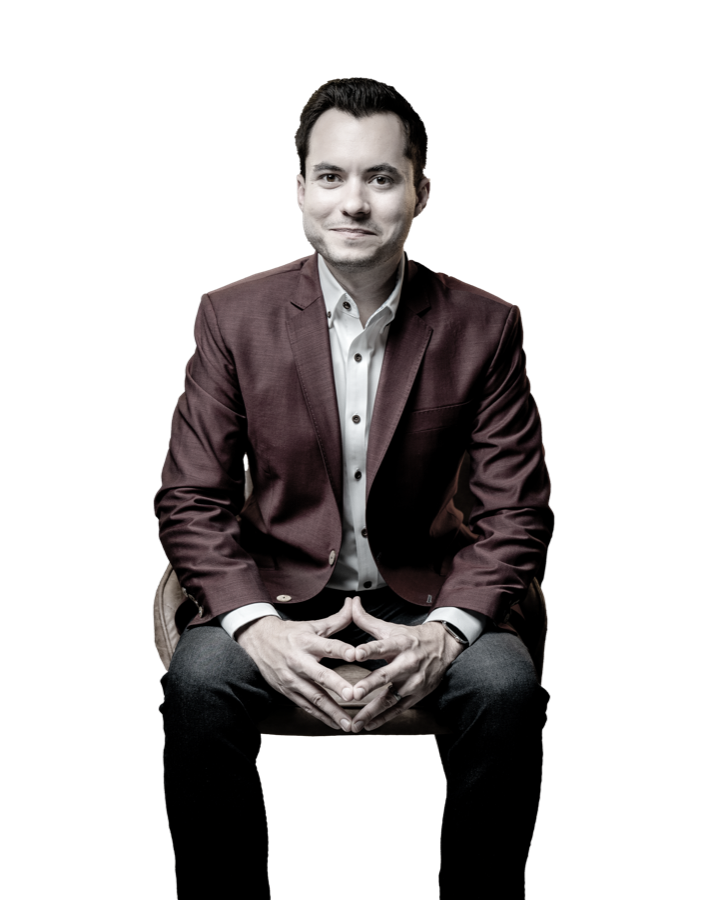
About Ryan VetRyan Vet is a USA TODAY bestselling author, futurist, and international keynote speaker whose insights on generations, culture, and the future of work have been featured in Forbes, Financial Times, ABC, NBC, and CBS. His research helps leaders understand emerging generational patterns and anticipate societal shifts before they fully unfold.

Join 20,000+ Leaders for Weekly InsightsIf you want deeper research and behind-the-scenes insights on generations and the future of culture and society, join Ryan’s weekly newsletter: 👉 https://ryanvet.com/collide
COLLIDE · A weekly essay by Ryan Vet

Read the thinking behind every episode.

Join 23,000+ leaders reading Every Tuesday at 4pm ET.

Free. Weekly. Unsubscribe anytime.
Ryan Vet