Gen Z quit drinking. You have read that headline. The numbers say something stranger.
Matt Weiss is the co-host of The Wine Centric Show and a sommelier. He started ordering the wine on family trips at 17, trained through the Court of Master Sommeliers and the American Sommelier Association, worked the floor in New York restaurants, and went on to Wilson Daniels, the importer of Domaine de la Romanée-Conti. Ryan Vet is a sommelier and a wine bar investor himself, which makes this one of the rare episodes where the subject is his own.
They start with the headline everyone repeats: Gen Z quit drinking. Matt's first move is the arithmetic. Gen Z currently spans roughly 14 to 29 years old, so less than half of the generation can legally drink at all. Ryan calls that the Generational Prism: the age someone is, the moment they are living in, and the label we assign them, collapsed into one story.
Then they follow the money. Ryan says the zero-proof category has passed $1 billion, and cites a figure that 93% of non-alcoholic buyers also buy products with alcohol. Matt reads that as moderation, not abstinence: the non-alc glass while cooking, the real one with dinner. He adds the number that rarely gets reported alongside the decline: by his account, alcohol sales fell about $1.2 billion across 2024 into 2025, and THC beverages and gummies picked up almost exactly that much. The drink did not disappear. It changed shape.
The second half is the long arc of American wine. Prohibition, the jug-wine era, Robert Mondavi and terroir, the 1976 Judgment of Paris, Robert Parker's 100-point scale, and a generation of winemakers who refused to be validated by one critic's palate and went back to farming first. Matt calls wine cyclical. It is the same swing Ryan writes about as the Generational Pendulum. It closes practical, with the one habit Matt says will improve anyone's wine drinking more than anything else.
The decline is partly an age artifact. Gen Z spans roughly 14 to 29, so less than half of the generation can legally drink. As Matt puts it, comparing it to a fully adult generation, "it's not apples to apples."
The Generational Prism applies. Ryan got his start asking why millennials weren't buying houses, at an age when most of them couldn't. The same mistake is being made about Gen Z and alcohol.
Non-alc is moderation, not abstinence. Ryan cites a figure that 93% of non-alcoholic buyers also buy alcohol. Matt describes the pattern: a non-alc glass to start the evening, the real one with food.
The quality caught up. Matt points to German producers and LVMH's investment in a super-premium non-alcoholic sparkling house as proof the category is no longer a compromise.
The drink changed shape. Matt says alcohol lost about $1.2 billion across 2024 into 2025, and THC beverages and gummies made up almost exactly that amount. "Non-alc and THC are almost rising at the same rate."
The mocktail is a social tool. On the menu, it removes the question of why you aren't drinking. Matt calls it "a don't ask, don't tell policy."
Loneliness is part of the story. Both point to a generation that socialized at home and through screens for years, which takes away the settings where drinking always happened.
Robert Parker changed what wine tasted like. His 100-point scale made wine legible to new American drinkers, and then winemakers started building big, showy wines to win his scores.
The next generation went back to place. Winemakers pushed back against single-critic validation and toward farming and terroir. Matt: "even bigger wine companies are focusing on place and farming first before manufacturing and manipulating a wine in the winery."
The best small wine often never reaches a shelf. Custom crush producers buy fruit instead of land and sell direct, which lets them skip America's three-tier distribution system entirely.
Regions worth your money. Yadkin Valley in North Carolina, Virginia, the Finger Lakes, Mendocino, Lodi, and Washington's Columbia Valley, which Matt says sits right between Old World and New World styles.
The one tip: "develop a relationship with a local retailer." A good one isn't trying to upsell you. They're solving a puzzle about your palate.
Plain-language definitions for the ideas in this episode. Structured for search and AI answers.
Ryan's lens for separating the age someone is, the moment in history they are living in, and the label assigned to them.
In this episode: Applied to a generation where less than half are old enough to drink.
Matt's thesis for the whole episode, and the same swing Ryan calls the Generational Pendulum. Prohibition swings to "let's drink," Parker's big wines swing to wines of place, and Matt expects Gen Alpha to swing back toward the classics.
In this episode: The through-line from 8,000 years of wine to the next 10.
The reading of the non-alc boom Matt argues for: most buyers are alternating, not quitting, keeping the ceremony of opening a bottle while drinking less alcohol.
In this episode: Why most non-alc buyers still buy alcohol.
In Matt's words, a word that covers the weather, the winemaker's know-how, the health of the plants and the soils.
In this episode: The idea the next generation of winemakers went back to.
"New World is focused on fruit and power, old world is more on uh sense of place and earth and the savory components of wine," in Matt's words.
In this episode: Matt puts Washington State squarely between the two.
Making wine without owning a vineyard or a winery: buying fruit from farmers and producing at someone else's facility. Far cheaper than land, especially in Napa.
In this episode: How much of the best small wine in America gets made.
American alcohol distribution runs producer to wholesaler to retailer. Small producers who build a local following sell direct to consumers and skip it.
In this episode: Why the best small wine often never reaches a shelf.
Lines worth keeping, verbatim from the episode.
ultimately wine is cyclical
even bigger wine companies are focusing on place and farming first before manufacturing and manipulating a wine in the winery.
the main tip I can give anybody if they want to enhance their wine drinking journey is develop a relationship with a local retailer.
And any good wine professional is gonna be like, You like that, try this. And they're not trying to upsell you
the general consensus is that New World is focused on fruit and power
you have the people that are farmers first, winemakers second.
So non-alc and THC are almost rising at the same rate.
So it's a don't ask, don't tell policy.
I don't enjoy most wines. I'll put it that way.
Jump to any moment. Timestamps deep-link the audio.
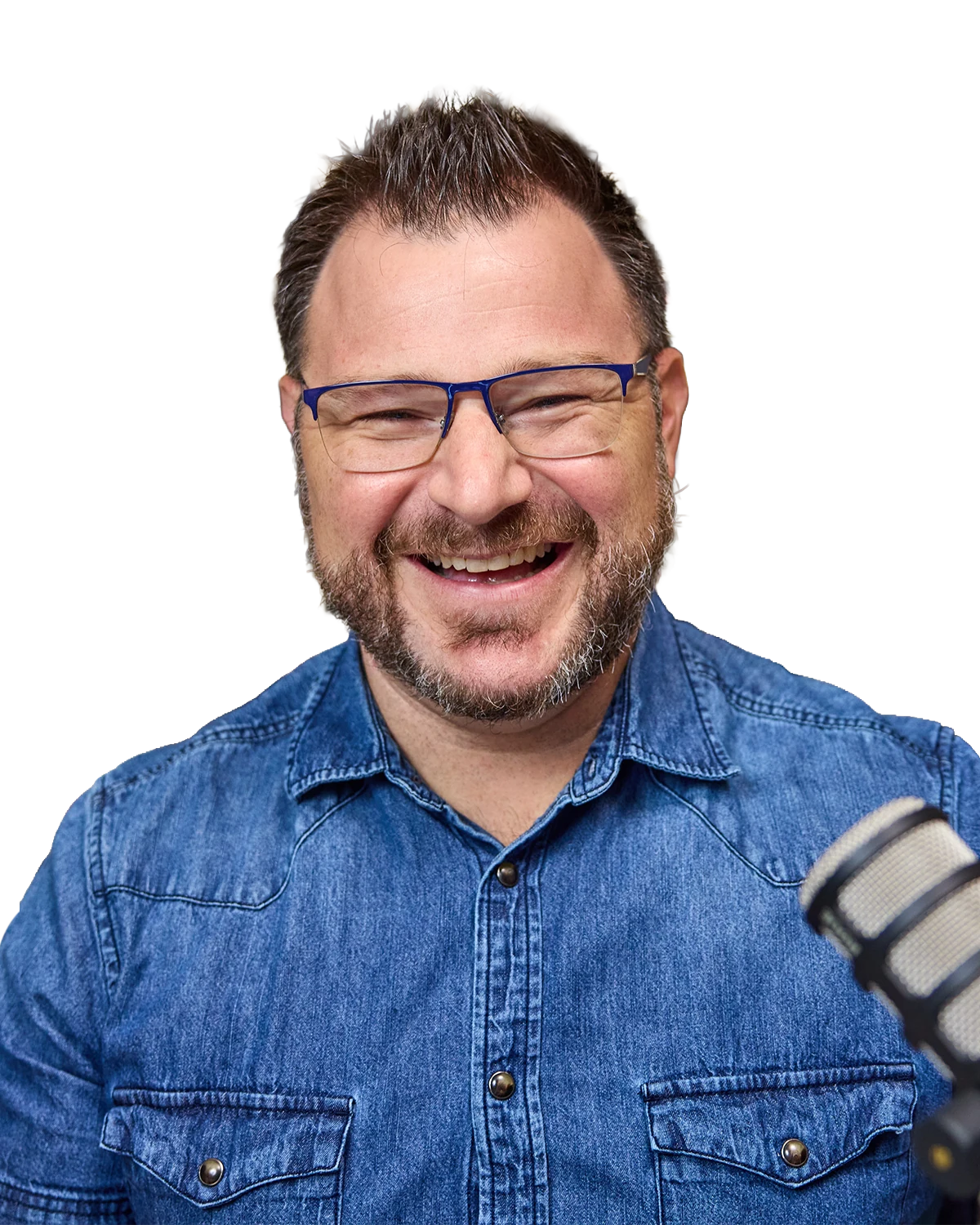
Matt Weiss
Co-host, The Wine Centric Show · Sommelier
Matt's passion for wine began at 17 during a Clark Griswold-esque family vacation through the Relais & Châteaux of Southern France. It was there he first connected with sommeliers and discovered an affinity for food and wine. After studying history at NYU and training as an actor at the Lee Strasberg Theatre Institute, Matt pursued acting roles in New York City and Los Angeles.
In 2004, Matt worked for Joe Bastianich at his original NYC restaurant, Becco, where he "cut his teeth" in Italian wine and laid the foundation for his career in wine and beverage. He later returned to LA to manage the wine program at Café Del Rey. Matt went on to study at the American Sommelier Association in New York, earning his first of two sommelier certifications. He later completed the certification level through the Court of Master Sommeliers.
With these credentials, he worked for a who's who of Michelin-starred restaurants and acclaimed NYC chefs, including David Bouley, Christopher Lee, and Laurent Tourondel, leading the wine and beverage program at Tourondel's BLT Prime. After more than a decade in restaurants, Matt shifted to wine sales, joining Wilson Daniels, the importer of Domaine de la Romanée-Conti. He also served as an adjunct professor at the ASA. Drawn to North Carolina's rising wine and culinary scene, Matt has established roots in Raleigh with his wife, two boys, and their dog.
Straight answers to the questions this essay raises. Open by default, structured for search and AI.
Did Gen Z really quit drinking? +
Not in the way the headline suggests. Matt Weiss points out that Gen Z currently spans roughly 14 to 29 years old, so less than half of the generation can legally drink at all, which makes comparisons to fully adult generations misleading. Ryan Vet calls this the Generational Prism: the age someone is, the moment they are living in, and the label assigned to them get collapsed into one story. Weiss also notes that more recent numbers show Gen Z starting to consume more alcoholic drinks again.
Why do most non-alcoholic drink buyers also buy alcohol? +
Because most of them are moderating, not quitting. Ryan Vet cites a figure that 93% of non-alcoholic buyers also buy products with alcohol. Weiss describes the pattern: a non-alcoholic wine while cooking or socializing early in the evening, then a glass or two of regular wine with food. It keeps the ceremony of opening a bottle while cutting the total alcohol.
What is replacing alcohol for young adults? +
Partly THC. Weiss says alcohol sales fell about $1.2 billion across 2024 into 2025, and THC beverages and gummies picked up almost exactly that amount. With THC now legal and regulated in many states and showing up on restaurant menus next to mocktails, wine and cocktails, the social drink has not disappeared. It has changed shape.
How did Robert Parker change American wine? +
His 100-point scale gave new American wine drinkers an easy way to know a wine was good without knowing much about wine. It became so influential that winemakers began chasing his scores, and because critics taste hundreds of wines in a sitting, the showy wines with big alcohol and big fruit stood out. A later generation of winemakers pushed back, rejecting single-critic validation and returning to farming and terroir.
What is custom crush winemaking? +
Making wine without owning a vineyard or a winery. A custom crush producer buys grapes from farmers and makes the wine at a facility someone else owns, which costs far less than buying land, especially in places like Napa Valley. Many of these producers sell directly to their mailing lists and local visitors rather than through America's three-tier system of wholesaler, retailer and consumer, so their wines rarely reach store shelves.
Which US wine regions are worth exploring? +
Weiss points to North Carolina's Yadkin Valley, Virginia, New York's Finger Lakes for dry Riesling, Cabernet Franc and some Pinot Noir, Mendocino and Lodi in California for value, and Washington State's Columbia Valley, which he says sits stylistically between the fruit and power of New World wine and the earthy, savory sense of place of Old World wine.
What is the best way to get better at choosing wine? +
Develop a relationship with a local retailer. Weiss says a knowledgeable shop owner who knows what you already like will point you to what to try next, and a good wine professional is not trying to upsell you. They are trying to solve the puzzle of your palate.