Follow the show in your app. Apple leads on iPhone, Spotify on Android.
Summary
A Democratic organizer and a Republican communications strategist agree that young people have voted less than older Americans. They split on why, and on what would change it.
Caroline Welles, executive director of The First Ask, and Marc Lotter, co-host of Wake Up America on Newsmax, join Ryan Vet a few weeks before the November 3, 2026 midterms. Ryan's frame for the hour is that people can be unified without being uniform. Both guests start with their first votes, Caroline in 2008 while living abroad and Marc in 1988 as a native Hoosier, and then turn to what the 2024 election missed about Gen Z. Caroline says the Democratic Party's problem was listening, not messaging: young voters felt pandered to with memes when their concerns were the economy, reproductive freedom, student debt and their futures. Marc's answer is about method: every generation takes in media differently, so campaigns of both parties have to reach voters where they are, which for young people today means their phones.
They divide on the gender gap. Marc expects it to carry through with this generation and says people tend to shift as they pay bills and raise families. Caroline calls 2024 a possible anomaly and says young men have swung back toward Democrats since the inauguration. On turnout, Caroline points to how often young people move for school and work, and the admin that comes with registering again. Marc says young people are loud but cynical, and turn out when something specific to them is on the ballot. On algorithms, Marc says platforms tend to amplify Democrats and throttle Republicans; Caroline disputes that and says the deeper problem is divisiveness.
The common ground is practical. Both want kids to learn to think for themselves, Marc by not handing the work to AI and Caroline by teaching independent thought. Both credit debate at the dinner table, and both say children learn civic habits by watching adults take part. Caroline's reminder before anyone fills out a ballot is to vote all the way down, because city councilors and school boards decide much of what people care about. Marc's message to Gen Alpha is to get registered, listen to both sides and then decide. This conversation is not an endorsement of any candidate or party, and each guest speaks for themselves.
Key takeaways
1
Neither guest predicts a turnout number. Both accept that young voters have historically turned out less than older Americans, and both name the economy as a top concern for young voters.
2
Caroline Welles says the Democratic Party's 2024 problem with Gen Z was listening, not messaging. She says young voters felt pandered to with memes when their concerns were the economy, reproductive freedom, student debt and what their futures look like.
3
Marc Lotter says every generation takes in media differently, so campaigns of both parties have to reach voters where they are. For young people today, he says, that means their phones.
4
On the gender gap between young men and young women, they disagree. Marc Lotter expects it to carry through with this generation. Caroline Welles calls 2024 a possible anomaly and says young men have swung back toward Democrats since the inauguration.
5
On why young people vote less, Caroline Welles points to how often they move for school and work and the admin of registering again. Marc Lotter says young people are loud but cynical, and show up when something specific to them is on the ballot.
6
Both say critical thinking starts at home. Marc Lotter says do not let AI do the thinking and make kids back up their assertions at the dining room table. Caroline Welles, raised by two Republicans, credits debate at the dinner table.
7
Before filling out a ballot, Marc Lotter says look at the issues that matter most to you and at each candidate's record and plans. Caroline Welles says vote all the way down, because potholes and schools are often decided by city councilors and school board members.
8
Both say children learn civic habits by watching adults. Marc Lotter suggests bringing kids to the polls; Caroline Welles plans to take her one-year-old door knocking. Ryan Vet takes his own kids to the polls.
Terms defined
Plain-language definitions for the ideas in this episode. Structured for search and AI answers.
unified, not uniformphrase · civic life
Ryan Vet's frame for the conversation: people can disagree on policy and still be united as citizens. Agreement on everything is not the goal.
In this episode: Ryan says it in the cold open and again in the close.
down-ballot racenoun · elections
Any contest listed below the top of the ticket, such as city council, school board, county and state legislative seats. These offices often decide local issues like roads and schools.
In this episode: Caroline Welles's reminder to research every name on the ballot and vote all the way down.
meeting voters where they arephrase · campaigns
Reaching people through the channels they already use rather than the ones a campaign is used to. Marc Lotter says each generation takes in media differently, so the channel has to follow the voter.
In this episode: Marc's answer to what campaigns of both parties should learn about Gen Z.
Notable quotes
Lines worth keeping, verbatim from the episode.
“
I don't think the problem is messaging. I think the problem is actually listening.
Caroline Welles04:56“
Maybe we disagree, but we don't have to be disagreeable.
Marc Lotter00:24“
Most things that you care about might be decided by your city councilor, by your school board member, et cetera.
Caroline Welles34:17“
The most important gift that you've ever been given, but it requires you to participate.
Marc Lotter35:50“
I've been part of elections that were decided by a coin flip, so really every vote does make a difference.
Caroline Welles37:33“
If you ever want a candidate that you agree with 100% of the time, look in the mirror and put your name on the ballot.
Marc Lotter36:56
Chapters
Jump to any moment. Timestamps deep-link the audio.
The guests
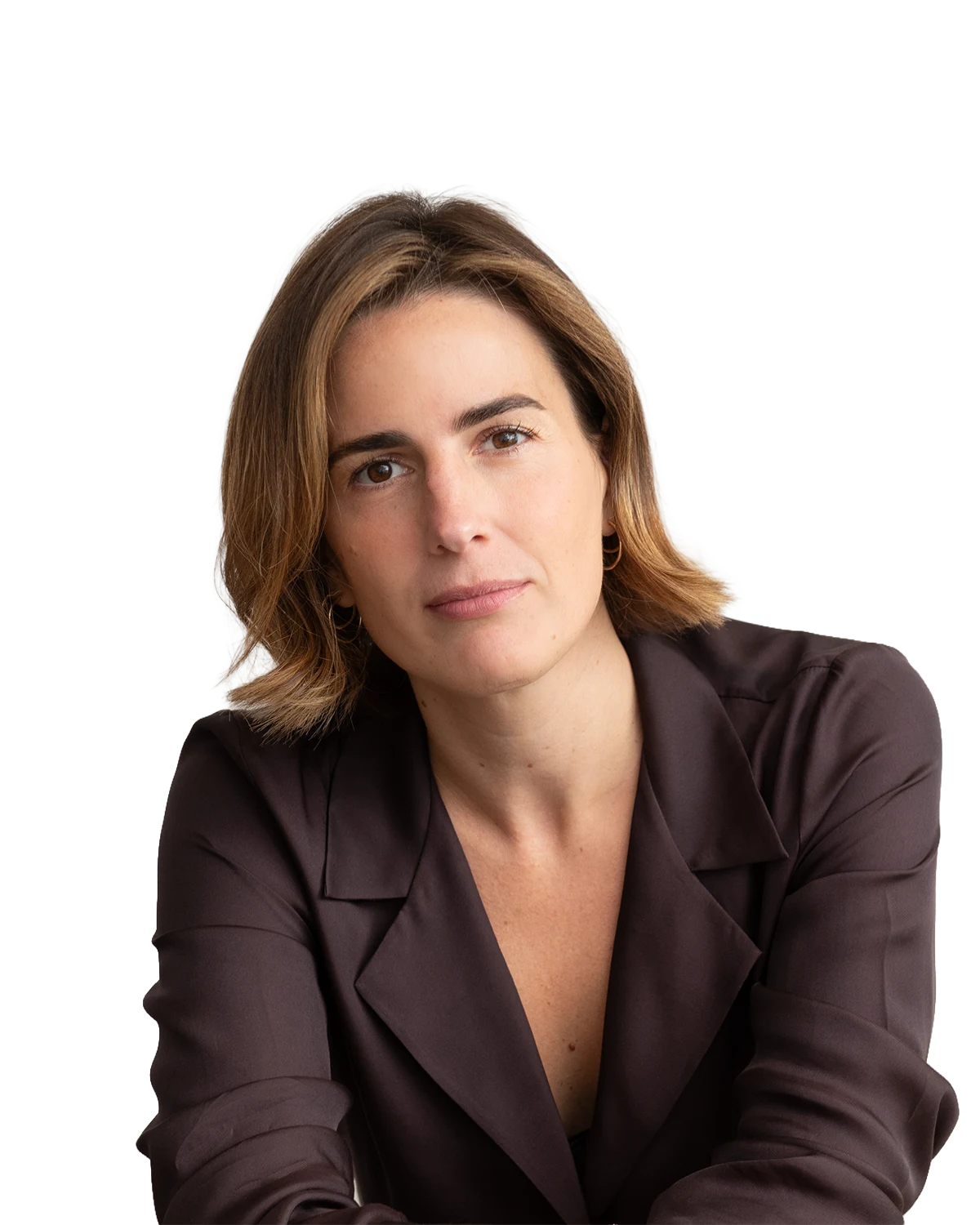
Caroline Welles
Executive Director, The First Ask · Democratic Organizer
Caroline Welles is the Executive Director of The First Ask. She was most recently the Director of Surrogates at the DNC, where she additionally served on the political team for the 2017, 2018, 2020, and 2022 election cycles. Caroline has experience working with campaigns across the country, including in Virginia, Georgia, Alabama, Iowa, Colorado, Nevada, New Hampshire, California, Ohio, and Washington. Caroline also proudly served the Biden administration at the Department of the Interior.
She considers herself a lifelong organizer, having started her career in politics on Hillary Clinton's presidential campaign in 2015. She holds a Masters with Honours in Sociology from the University of Edinburgh. She lives in Washington, D.C. with her family.
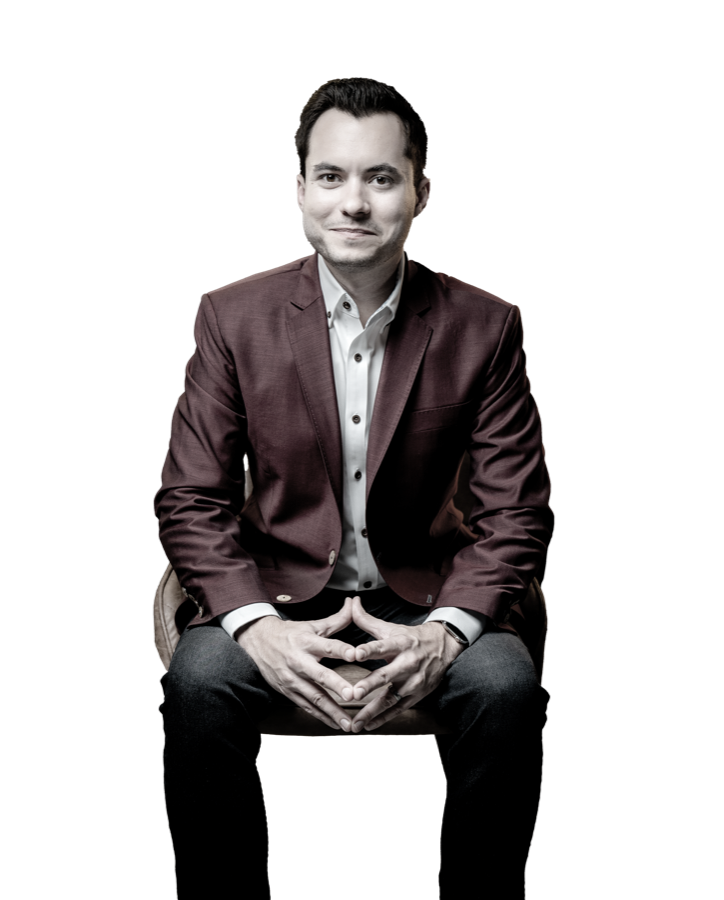
Co-Host, Wake Up America (Newsmax) · Republican Communications Strategist
Marc Lotter serves as the Co-Host of Wake Up America weekdays on Newsmax. Prior to joining the network, Lotter served as a strategic communications and public relations executive with decades of experience in media and public and private sector roles. He previously served as Chief Communications Officer at the America First Policy Institute, Director of Strategic Communications for the 2020 campaign of President Donald J. Trump, Special Assistant to the President and Press Secretary to the Vice President.
In those previous roles he could often be seen as a guest on Newsmax, Fox News Channel, MSNBC, CNN and the major television networks. In 2024, he served as election night commentator for NBC News.
Straight answers to the questions this conversation raises. Open by default, structured for search and AI.
Will Gen Z show up to vote in the 2026 midterms?+
Neither guest predicts a turnout number. Caroline Welles says Gen Z may stay home if they do not think their issues are on the ballot, and argues they are: the economy and local infrastructure affect them. Marc Lotter says young people are loud but rarely show up unless something very specific to them is on the ballot, and gives a hypothetical, changing the voting age from 18 to 21. Both accept that young voters have turned out less than older ones.
Why do young people vote less than older Americans?+
Caroline Welles says younger people move more often for school and jobs, which means more registering and more admin, while older voters stay in communities where they have raised children and are invested in schools and roads. She says she hopes the Republican Party abandons tactics she says make voting more difficult. Marc Lotter says it has been a recurring problem for as long as he has been in politics: young people are loud but do not show up, and they are generally cynical because they have not gotten into it yet, so candidates rarely spend time addressing them.
Will the gender gap between young men and young women last?+
They disagree. Marc Lotter expects the gap to carry through with this generation, and says people tend to shift toward what he describes as the party with good business values as they pay bills and raise families. Caroline Welles says 2024 may have been an anomaly, that young men have swung back toward Democrats since the inauguration, and that she expects young men and young women to look closer together this year. Both name the economy as significant.
What did the 2024 election miss about Gen Z?+
Caroline Welles says the Democratic Party's problem was listening, not messaging: Gen Z felt pandered to with memes when their concerns were the economy, reproductive freedom, student debt and what their futures look like. Marc Lotter's answer was about method: every generation takes in media differently, so campaigns of both parties have to reach voters where they are, and for young people today that means their phones.
How do social media and algorithms affect how people vote?+
Caroline Welles says algorithms feed divisiveness across the country, not only in elections, and that her own answer is to stay off social media and get off phones. Marc Lotter says big tech tends to amplify Democrats and throttle Republicans, so conservatives are used to digging harder for information, and he says more critical thinking would level the field. Welles disputes that big tech leans one way, pointing to tech leaders at recent state dinners, and says she worries more about older generations online.
How do you teach kids to think critically about politics?+
Caroline Welles wants more warnings and labels online and more critical thinking taught in schools, with independent thought as the most important part, and says she plans to teach her one-year-old to think independently about where he gets information. She was raised by two Republicans, is a Democrat, and credits debate at the dinner table. Marc Lotter says do not let AI do the thinking: make children read, write and research, and make them back up their assertions at the dining room table.
What should I look at before I fill out my ballot?+
Marc Lotter says look at the issues that matter to you most and at the record and plans of the people you are voting for. Caroline Welles says do not stop at the top of the ballot: potholes, schools and reproductive freedom are often decided by city councilors and school board members, so research those names and vote all the way down. Registration, early voting, ID rules and polling places vary by state, so check your state election office or vote.gov.
How do you get young people interested in voting?+
Marc Lotter points to schools, with mock elections and teaching why participation matters, and to parents who bring kids to the polls so they see the pride of an "I voted" sticker. Caroline Welles says Gen Z should be treated as the capable adults they are and shown what is at stake for them, and says she plans to take her one-year-old door knocking this year. Ryan Vet adds that modeling voting for kids matters, and says he takes his own kids to the polls.
Can a Democrat and a Republican have a civil political conversation?+
Both say yes. Marc Lotter says seeing a healthy, respectful discussion across party lines might make a young person think they can get into the arena too: "we don't have to be disagreeable." Caroline Welles says it happens more than people think: her old roommate in DC was a Republican and her parents are Republicans. Ryan Vet's framing throughout is that people can be unified without being uniform.
What advice do they have for Gen Alpha?+
Ryan Vet puts the question to both guests, describing Gen Alpha as 13 this year and five years from a first vote. Marc Lotter says get engaged, get registered, pay attention, do not just believe the ads, listen to both sides, and then decide, because voting is "the most important gift that you've ever been given, but it requires you to participate." Caroline Welles says they have more power than they think, that she has been part of elections decided by a coin flip, and that taking part in campaigns changed her life for the better.
Caroline Welles ·I've been part of elections that were decided by a coin flip.
Marc Lotter ·Young people are loud. They want to make their voices heard, but they don't actually show up to the polls.
Caroline Welles ·Super cool, right? But it did not lead to votes. I think the problem is actually listening.
Marc Lotter ·Maybe we disagree, but we don't have to be disagreeable.
Ryan Vet ·We can be unified, and that doesn't mean that we have to be uniform.
Marc Lotter ·The most important gift that you've ever been given, but it requires you to participate.
Announcer ·The Ryan Vet Show.
00:38Why a Democrat and a Republican on one show
Ryan Vet ·Welcome to another episode of The Ryan Vet Show. We are right around the corner from the midterm elections, and it has always been a conversation how generations will show up to the polls. Today I have two individuals with me who have just incredible political careers, but they're from different sides of the aisle. I love hosting conversations with people with different viewpoints and different perspectives, to realize that we can be unified, and that doesn't mean that we have to be uniform.
Ryan Vet ·So I'm excited that we're going to be [unclear] today in this conversation and just learn about how voting has changed and what generations, especially Gen Z, are thinking about as they go out to the polls.
Ryan Vet ·I have with me Caroline Welles. She's the executive director and founder of The First Ask, and she works to elect first-time Democratic women to state legislators. She currently has 39 candidates across seven states right now in this cycle. In addition, she served seven years at the DNC, with service in the Biden administration as well as in the Clinton campaign across five different states. So, Caroline, welcome to the show.
Caroline Welles ·Thank you so much for having me. It's great to be here.
01:37The first time they voted
Ryan Vet ·Absolutely. And we have Marc Lotter, who's the co-host of Wake Up America on Newsmax. He's the former Chief Communications Officer of the America First Policy Institute, and was the director of strategic communication for the Trump 2020 campaign and press secretary to Vice President Mike Pence. Welcome to the show, Marc.
Marc Lotter ·Thanks for having me.
Ryan Vet ·So one of the first questions I want to ask, and Caroline, I'll give this to you first: I want you to think back to the first time you voted. What did you care about when you were going out to the polls the first time you voted in that election? And was that a midterm election or a presidential election?
Caroline Welles ·Yeah, so I was 18 in 2008. I was also living abroad at the time. I was living in Greece for a little bit, and my first vote was for President Barack Obama. I remember feeling so excited that I had the opportunity to vote for him. I felt very part of a very hopeful movement. I felt like he was directly speaking to my age cohort, and I was incredibly proud to vote for him. And I remember the next day after he won, random strangers were coming up to me after hearing my accent and congratulating me on the win. So it was certainly a very extraordinary first vote.
Ryan Vet ·That is really fascinating that you were overseas and had that first vote there, and that the natural reaction was congratulatory. I think, depending on which election we've seen, that might be different, depending on how that would have turned out. So that's really fascinating that that was kind of the gut reaction of people where you were overseas. Marc, I would love to hear from you too. When was the first time you voted? What do you remember about that election? Mine was actually the same as Caroline's: the first chance I had to vote was in the 2008 presidential election. But Marc, do you remember, was it a midterm, was it a presidential election? What was that experience like, and what did you care most about?
Marc Lotter ·Yeah, it was a presidential election, a couple of decades before you and Caroline. My first vote was in the 1988 presidential election, and it was for George H.W. Bush. Being a native Hoosier, it was also then for then Senator Dan Quayle from Indiana to become the vice president of the United States.
Marc Lotter ·The thing that was really remarkable about that election for me was a couple of things. Number one, it was to keep the Reagan Revolution going, and the great times and the great success that America had when we had that kind of strong leadership. That was what that vote was for. And it was also the last real landslide election that we had, where the outcome was not really in doubt of who was going to win. We had really all three of those, both Reagan elections and then 1988 with George H.W. Bush.
04:16What the 2024 election missed about Gen Z
Ryan Vet ·I think it's really fascinating that you brought up the idea that it was one of the last elections where it was a landslide. There was not a lot of surprise. If we look back to the last couple of elections, there were people surprised in every major presidential election. There was a lot of confusion. Some people were happy, obviously, some were not, but it was very split. You see numbers winning by just a few percentage points.
Ryan Vet ·So looking back at the 2024 presidential election, I want to know what the generational story is. When we talk about Gen Z going out to the polls, many for the first time in the 2024 presidential election, for some it was their second election, what were some of the things that we missed when we're talking about the generational story? Caroline, I want to go to you first for this.
Caroline Welles ·Yes. I think oftentimes we're hearing that the Democratic Party has a messaging problem, which I actually fundamentally disagree with. I don't think the problem is messaging. I think the problem is actually listening.
Caroline Welles ·When we think about Gen Z, many of whom were casting their first votes or their second votes, they felt like they were not part of the conversation. They were not an integral part of the campaign. Instead, they were sort of pandered to. We saw examples of memes. I'm thinking specifically about the Brat album, Marc, that's entirely Charli XCX, if you weren't aware. All the light green imagery that came out of the Harris campaign was really a pandering moment, when the concern from Gen Z was similar to the concerns of every generation: the economy, reproductive freedom, and what their futures look like. They're one of the first generations that feel like their lives will be substantially worse off than the generations that came before them, and they're really looking to be part of the dialogue and part of the solution.
Caroline Welles ·Instead, we heard a lot from the campaign of "Nope, the economy isn't that bad," whereas Gen Z was saying, "No, it is that bad. I'm drowning in student debt. Let me hear a solution to that problem, and let me be part of that conversation." So I think we had a real missed opportunity there, instead of the kind of favorite theory, which is the messaging problem, that our message wasn't getting out there. I think the message was getting out there. Voters just didn't like it.
06:33Where young people get political media now
Ryan Vet ·You brought up the idea of students seeing the economy as an issue, which is obviously a big part of the conversation in the midterms right now. On student debt, we've seen a lot of things out of the White House changing how student debt is handled, so there's been a lot of conversation shift there. Marc, I want to ask you the same question about the 2024 election: what are some of the things that were missing? But before you answer that, I think there's one extra step based on your role with Newsmax that is even more interesting. If you look at the cohort, this is from Pew in 2026, the cohort of 18 to 29 year olds, which you could roughly say is Gen Z, 14% preferred a news organization to find their political media, but 31% found it on social media, and 41% found it on either AI search engines or traditional search engines. Compared to other generations, news ranked three or four times higher and was the primary source. So how do you think the media has played a role, Marc, in the 2024 election and now as we're moving into the midterms here in 2026?
Marc Lotter ·Well, as someone who's been doing political campaigns for more than 20 years now, I got my start in campaign politics in 2004, I believe, 2003, when I first left the media before going back to it. You always have to adapt to the different changing communications preferences and needs of each of the generations. When I was starting out, we were trying to figure out email and how do we email people? And the Obama campaign back in '08 was brilliant at reaching out and using online and email communications. Then, of course, the Republicans took off and really got into digital text messaging and things like that.
Marc Lotter ·The broadcast networks, the cable networks, they're always going to be a player, but you're using them for different people. I think too many people think from a communications political standpoint that one method is good for everyone, and I think this is true regardless of whether you're a Democrat or you're a Republican. You're using your traditional broadcast networks to communicate to the older population. You're probably using the cable outlets to communicate to my generation. And now with the younger generations, you're using their phones, because they're not sitting down watching TV. They're watching it on their phones, or they're doom scrolling through it on the various apps. So you have to reach the voter where they are, and I think that's the big thing. I think Team Trump has done a very good job of that, and they're also able to tailor messages. I remember when I was part of the 2016 campaign, even Hillary Clinton's campaign at the time complained after the fact that we had hundreds of messages going out tailored to people when they just had a few, because their digital operation wasn't able to keep up with ours.
09:17Podcasts, Joe Rogan, and a changing media landscape
Ryan Vet ·That's really helpful. You brought up some more traditional media and reaching Gen Z sitting on their phone. There's a paper that has not been published, it's pre-published, going under peer review right now, called "From Punchlines to Politics: The Joe Rogan Experience, a case study in the politicalization of apolitical spaces in the United States." The study found, and again, this has not yet been peer-reviewed, it's going through that now, that listening to Joe Rogan was the second strongest correlate for voting for Trump in 2024 among the variables examined, surpassed only by having voted for Trump in 2020.
Ryan Vet ·Do you think new forms of media are really influencing this generation? Or was that more of an anomaly, or is this study that's yet to be peer-reviewed sort of out there? Marc, what do you think?
Marc Lotter ·No, I do think that it's going to have a growing role. One thing we can probably take away from this current Gen Z or younger generation is that they're not just going to be traditional news consumers, and young people typically aren't anyway. They grow into it as they have their families and start their careers. But right now we have a very changing media landscape. You don't need to be with one of the big news outlets anymore. You can be with a podcast and a microphone, Ryan, and reach a lot of people with a camera. That is not something we've ever seen before until just in recent years.
Marc Lotter ·With that comes a lot of responsibility, and we'll see how people handle that from a broadcast standpoint. Are they going to broadcast responsibly, with maybe the same ethics and standards that a traditional journalist would? Or are they just going to go out there and throw it against the wall and see what sticks? Because right now, I'm not so sure how much Gen Z can filter through it. If they see it on their phone, do they automatically believe it? Or are they going to go, "That doesn't sound right. Maybe let me go see if I can find that in a respected media outlet, in a newspaper, a magazine, or on one of the other broadcast outlets"? Because if they just believe whatever they hear, then we've got a big problem.
11:21Meeting voters where they are
Ryan Vet ·I think that's a really good point that I want to come back to in just a moment: how are members of Gen Z filtering through these conversations, and how are they knowing what is true? We know the algorithm is tailored just to them, not even to their political party or to their persuasion, but just to them. But before we get into the algorithm and how it might be shaping the current election cycle, Caroline, Marc just brought up the Obamas, and I think the Obamas did something so interesting in their early elections. It was actually Michelle Obama who appeared on many sitcoms, even shows like iCarly that were targeted at teenagers who weren't voting yet. She really showed up a lot, and they became personable like we hadn't seen in recent presidential elections. We didn't see that with some of the more recent campaigns, with the Clinton or the Biden campaign as much as we did with the Obamas. So how is the Democratic Party right now trying to approach this changing media landscape?
Caroline Welles ·Media is just a small part of the picture, right? It's how you access voters. But I do think we've seen a backlash against some of the previous tactics. They're just not working anymore. And I think, again, the Republican Party did a much better job of organizing last time around. When we talk about young male voters, I think one of the successful things the Republican Party did was giving young male voters kind of a home. By reaching out to folks on iCarly and stuff like that, they were saying, "I see you, I want to engage with you, and I want to meet you where you are." Again, the Republican Party seemed to kind of have that on lockdown last time around. However, I'm not seeing that as clearly from the Republican Party this year.
Caroline Welles ·I'm hopeful that Democrats are doing more meeting people where they are, whether that's through media, through social media, through TV, or just old-fashioned door knocking, which I think is more rewarded this time around. I think we're all, regardless of generation, desperate for more community, and I think we're seeing that build up in a more robust way this cycle.
13:35The gender gap among young voters
Ryan Vet ·I think that's really helpful. You talked about the difference between men and women showing up for Trump versus Harris, and that was a very big difference. We saw that younger men voted for Trump by a margin of 14 points, whereas younger women voted for Harris by a margin of 17 points. So that gender difference was a 31-point divide between those two. Marc, I want to turn to you first: what do you think the impact is of that gender divide between the younger voters? Do you think that's a trend we're going to see carry through, or was that an anomaly?
Marc Lotter ·I think it's probably a trend that's going to carry through with that younger generation. But what I would anticipate is that as that younger generation ages, they will do what most generations do. It's been a joke since I started out in politics, when I was in college as a political science major, that if you weren't liberal when you were young, you didn't have a heart, and if you weren't conservative when you were older, you didn't have a brain. The idea is that you're all full of dreams and hopes, but once you actually have to start paying bills, putting kids to school, raising a family, you shift over to the party that has the good business values, the ones that are going to take care and make sure you have a strong economy, a strong job, and those kinds of things.
Marc Lotter ·So I would anticipate that as we go forward, many of these younger women are going to start to migrate over to become conservatives or Republicans as they age, and the next generation of young women will probably start out as Democrats. Right now, I think the Democrat Party has a weakness problem. They are perceived as being weak, and I do believe that's going to be a problem with young men for a very long period of time. Even young men who are wanting to get their career started and are thinking long term about buying a house and doing all those things want someone that's good with the economy. And right now the Democrat Party is considered, broadly, not at this very moment but more broadly, weak on those issues. They have been weak on those issues, I would say, for now a couple of decades.
Ryan Vet ·I appreciate that commentary. And Caroline, same question to you. We saw that there was a 31-point gender difference in the candidates for voting for Trump in the 2024 election. So how do you think that's going to impact and play forward as we look at both the midterms here in the next couple of weeks as well as the 2028 presidential election, between the young voters, male and female?
Caroline Welles ·I think we might see that the 2024 election was a bit of an anomaly. The great gender divide was a huge talking point from the 2024 election, but already since the inauguration, and most certainly recently, we've seen a pretty dramatic swing back of young men toward the Democratic Party. So I expect the results to be a lot closer between young men and young women this year. I think we're still hearing out on the trail that, of course, the economy is significantly important, and as Marc has stated, Republicans are not seen to be strong with the economy this election. However, we're also hearing reproductive freedom as a huge buzz point for young women across the country, so I think that will continue to be a huge priority for them, this election and beyond.
16:49Why young people vote less
Ryan Vet ·That is definitely a big talking point of young women in the election when it comes to reproductive freedom. But we're also seeing an age gap. We're seeing that only 24% of young voters, 18 to 25, are showing up to the polls, or at least registered. And that's true in my own state, North Carolina, which I know is a big center of a lot of conversation right now this midterm season. But we're seeing that people ages 66 plus are voting and coming out to the polls 71% of the time. So there's a big disparity, almost three times the difference of more mature voters than younger voters. Why do you think that is? And are we going to see that shift, or are we always going to see younger voters vote less? Caroline, I'll start with you.
Caroline Welles ·Well, younger people tend to move more often. They're in school, they're moving for jobs, they're in a more transient point in their life. That requires a lot of registering to vote. It requires a lot of admin, for lack of a better word. Older voters tend to have been in their same communities for much longer. They might have raised their children in those communities, they are invested in the school districts, in the roads, et cetera. So I think that's the cause for a lot of the disparity.
Caroline Welles ·I'm hopeful that the Republican Party abandons some of its tactics to make voting more difficult, in order to ensure that we get greater Gen Z and millennial participation in voting, because I think one of the biggest obstacles is just how hard it is to register and to vote.
Ryan Vet ·And Marc, what is your perspective, then, as we see the difference between ages? Do you think we're going to see that increase in that Gen Z, that 18 to 25 year old that's coming out less than a quarter of the time now? Or do we think this is going to be a consistent pattern where it's harder to get those younger voters out?
Marc Lotter ·This has been a recurring problem for as long as I've been in politics and studying it, now kind of what, 40-some years. Look, young people are loud. They want to make their voices heard, but they don't actually show up to the polls, which is why you see political candidates rarely spending a lot of time addressing Gen Z or younger generations in general. I don't want to say just Gen Z, but every young generation. You always gravitate toward the older generations, because they are the ones, historically speaking, who consistently vote in the midterms, in the primaries, in the general elections, in the local elections, because they are more experienced and they have more on the line.
Marc Lotter ·I think the only time you're actually going to see a big uptick in young voters is when something very specific to them is on the ballot, whether that would be something like bringing back the draft. I'm not saying we should do that. I'm using that as an example. Or something very specific like changing the age of voting from 18 to 21. You'll get a bunch of 18-year-olds to show up because they would lose, you know, this is the kind of thing we're talking about. Other than that, they think that nothing they do is going to affect them anyway, because they're generally very cynical about things, because they haven't gotten out there and gotten into it yet.
19:48How to get young people to the polls
Ryan Vet ·I think about that personally too. If something directly impacts me, I think we are more likely to vote. And yet it's an opportunity and a privilege that we all have in this country to vote. My family and I were just in DC yesterday for my son's fall break, and we got to go under the new Lincoln Memorial. If you have not done that, it is absolutely an incredible experience. It's extremely well done. The Lincoln Memorial is not new, but the underneath being open to the public is obviously incredible. Just being able to see that piece of history is so profound, and having the kids sit in the replica seat that Lincoln sits on and looking at where we've been as a country for 250 years.
Ryan Vet ·But both of you have said, which is really interesting, that it has always been harder to get younger individuals out to the polls. So what should both parties try to do? Obviously the draft is probably not the best solution to get people out to the polls, or changing the voting age, but what are those things that should get more young people interested, because it is for their future? Marc, I'll start with you.
Marc Lotter ·I think it really falls to our schools. I remember when I was growing up, again in the Stone Ages for you people, we started doing mock elections in fifth grade. We would go and cast our ballots, and then they would count, and we would vote not only for president and things like that, we would vote for student president. It got people interested and excited in it. I think we've got to stop politicizing history and government classes and start teaching the actual need that we need all people to participate in our democracy, because it's that important.
Marc Lotter ·I think it also comes from parents. Take your kids, especially the young preteens and teenagers before they're old enough to go to the polls, bring them with you. Let them see you vote and do it. The pride that you take when you put on the "I voted" sticker, and that they want to do it themselves someday. So I think all of these things. But right now we're all so busy, maybe we could just show them a TikTok video or something, and that'll get them excited, and we'll call it a day.
Ryan Vet ·Yeah, I think that's so important, modeling it for the next generation. It's monkey see, monkey do. If we don't see it as important, I think it's going to be really hard for the next generation to know how it impacts them. We see a lot more commentary on TikTok and a lot more commentary on Reels than we see the impact of voting lived out. So I think that's super important as we get people to the polls: modeling it first for our kids.
Ryan Vet ·I've taken my kids to the polls with me when I vote, and they love those stickers. Our city has stickers for kids that say, "Hey, I went with my parents to vote," and I think there's a sense of pride. They have them stuck on a water bottle in their room.
Marc Lotter ·But if I could add one other thing, Ryan, I think things like broadcasts like this are very important. For the last 10 years or so, we have seen people being at each other's throats: yelling at each other, calling each other names, physical violence, threats of violence, defriending people because "I don't agree with your politics." So if I'm a young person, why would I want to get involved with that? I want to just steer clear of it and let the adults fight it out. But if you can see that we can have a healthy discussion, even if Caroline and I happen to disagree, if we can do it respectfully, if we can do it friendly, if we can do it with a smile on our face, and maybe we disagree, but we don't have to be disagreeable, maybe then people will go, "You know what? I can do this. I can get into the arena as well."
Ryan Vet ·I think that's so important. Caroline, what do you think about that?
Caroline Welles ·Oh, absolutely, and I think that's a lovely thing to bring up. It's fun to chat on the other side of the aisle. In DC my old roommate was a Republican. It does happen more than you think it does.
Caroline Welles ·But I also wanted to add, and it kills me to say this with Gen Z because I was the surrogate director at the DNC, so I was in charge of bringing out all the celebrities, but this year I agree with Marc that Gen Z might not vote if they don't think that their issues are on their ballot. But their issues are on the ballot. The economy affects them, right? Local infrastructure affects them. So I think it's about ensuring that they know what is at stake for them. When I was on the Clinton campaign, we helped put together a free Beyoncé concert. Super cool, right? But it did not lead to votes. So this year I'm much more focused on ensuring that Gen Z is treated like the adults that they are, who are capable of making these really important decisions.
24:08The algorithm and the election
Ryan Vet ·I think that's a really valid point. We all enjoy a free concert or free anything that helps us prove our point, and I think that's helpful. But at the end of the day, you said treating kids like adults, and I had Michaeleen Doucleff, author of Hunt, Gather, Parent, on the show not too long ago, and we talked about how we are raising adults, and that goes to what we both said. The kids know how to be kids, and we want to let them be kids. We want them to play, we want them to experience life, but at the end of the day we are raising the next generation of adults who need to be responsible, and they have to be interested in these things and realize it's not polarizing. We're always going to have different opinions, but that's not necessarily bad. That doesn't mean that we still can't be united in this.
Ryan Vet ·So I want to bring up something we've been dancing around, and I want to dive into it: the algorithm. I often say that my wife and I have similar political leanings and similar beliefs, religious beliefs, and yet her algorithm and my algorithm feed us totally different things. I run a constant study where I have, not the ones I use daily, but one that likes and comments on posts on the far left and one that likes and comments on posts on the far right, and the stories aren't even aligned across those two streams. I think that is such a fascinating study that I keep going on an ongoing basis. So I want to get your opinion on that, first with you, Caroline: how do you think the algorithm, not just social media but the algorithm, is tainting the way that people are looking at this election?
Caroline Welles ·Totally, and not just this election, but our society in general. And I'm going to be honest with you, I don't have social media for this exact reason. I deleted my Instagram accounts a couple of years ago. I go on TikTok sometimes, but then I feel sick afterwards, like when you eat too much candy. So I feel very privileged to be kind of separate from this, because I don't think the problem is just the election. I think it's instilling more and more divisiveness in our country as a whole, and there's a lot of motivation behind campaign operatives, behind the administration, behind former administrations to continue putting in this divisiveness. And I'm going to completely skip your question and say the solution is we all need to get off our phones.
Ryan Vet ·So Marc, I want to ask you the same question: how do you think the algorithms are influencing the election cycle right now? We know they've been influential over the last couple of elections, but what do you think it's actually doing to the individual voter as they're seeing and swiping and going through their own feed?
Marc Lotter ·Well, I think it's doing two things. One, for those who are not aware of it, you are basically being fed whatever Silicon Valley wants you to see. We know from previous election cycles that big tech obviously is going to try to amplify liberal Democrats and silence and throttle back on Republicans.
Marc Lotter ·But then I also think that Republicans and conservatives in general are used to it. They live in a media world where all of the legacy media are very left wing, and big tech is left wing. So they know they have to go out and be discerning, and go out and fight harder to find the information, either to support their own belief system, disprove what they're seeing online, or support what they're seeing online. And so I think as you become more of a critical thinker and just stop believing, whether it's the ads, whether it's everything, it could be a conspiracy theory not related to politics on the internet, and you go and look for it yourself, once we start seeing people doing more than that, then I think we'll have more of that level playing field. But I think conservatives are generally brought up to not believe anything that you see, because the legacy media and big tech are probably just feeding it to you because that's what they want you to see.
27:52Teaching critical thinking
Ryan Vet ·So you've talked a lot about critical thinking and about conspiracy theories. I was recently going through the Denver, Colorado airport when it was under construction, and whoever their marketing team is, A plus. It said, "Hey, we're digging up," I forget the lizard people and all that. Hilarious, well done.
Ryan Vet ·But how do we develop this critical thinking in a generation, not so that it's critical thinking for my belief system or my party, but how do we raise the next generation to actually think critically? I'll start with you, Caroline.
Caroline Welles ·Yeah, that's a really important question. I do want to dispute the idea that big tech is all liberal. I think seeing Mark Zuckerberg and Jeff Bezos at the most recent state dinners kind of demonstrates that big tech will go whichever way they can.
Caroline Welles ·But I think it's interesting, because I'm actually a bit more concerned about older generations with social media and what they see online. We think a lot about romance scams targeting older generations, because younger generations have grown up with this and are a little bit more adept at some of these things. However, I would like to see more warnings, more labels, and more critical thinking being taught in schools about how to independently think. I think that's the most important part: the independent thought.
Caroline Welles ·I have a one-year-old, and he's never going to know what it's like to grow up in a pre-tech world. So it's my job to show him how to think thoughtfully and independently about where he's getting his information and how to distill that on his own.
Ryan Vet ·Marc, how do you think we can develop this in our kids? How can we develop this independent thinking? How can we get them to think critically, not to subscribe? I've got three young kids at home. I obviously hope, as a dad, that they agree with the way I've raised them, but at the same time I want them to be men and women who have their own opinions and can form opinions that are educated and not guided by the algorithm. How do we do that?
Marc Lotter ·Well, first, let's not let them export it to AI. They need to do their own thinking. Don't let the supercomputers do it for you. But also realize we've been through this before. I grew up in a generation where you had four TV stations. There was no computer, there was no internet, there were no cell phones. We had landlines and answering machines. And then the internet changed the world, the computer changed the world, and we adjusted. It changed some of the way we did our business, and it changed the way we had to raise our children. My daughter, who's now got three children of her own, we had to decide when do you give her her first cell phone. Now she's got to figure out when do I give my kids their first smartphone, or when do I let them start playing on ChatGPT or with AI or whatever.
Marc Lotter ·So the challenges are always going to change. We've always come to that as a human race. It's just a question of, you've got to, as a parent, set the standards of what you expect. It may not be what society expects, it may not be what the neighbors next door expect, but if you want your children to do critical learning, make them read and write. If they won't do it at school, make them do it at home. Make them do their own research. Make them back up their assertions at the dining room table if you want to talk about a policy or talk about an issue. Don't just let them say whatever they want. I think that's how we kind of did it back in the day, and I think we'll start to develop those traits, those teaching methods, for this next generation, because we have to.
31:24Fractured schooling and the dinner table
Ryan Vet ·That's really good. With school fracturing, right, we saw homeschool more than double, which went from about 2 percentage points to 4 percentage points. That in and of itself isn't big, but the fast growth is significant. We're seeing private schools grow, and we're seeing a lot of conversation about public schools. How are we supposed to train critical thinking with such a divided educational system right now? I'll throw this one to you, Caroline.
Caroline Welles ·I don't know. How old are your kids?
Ryan Vet ·I've got a six-, four-, and one-year-old.
Caroline Welles ·Okay. So you're a little bit closer to these kinds of decisions than I am. My son, my firstborn, he's one, so I have a bit of time. But, yeah, I actually am the product of two Republicans.
Caroline Welles ·My parents both are Republicans. My father used to fundraise for Republicans, et cetera, and I'm obviously a Democrat. So I think what Marc was saying is really important, about encouraging debate at the dinner table, and it certainly worked for me. So I think education courses in schools, but it's also taught at home. I definitely wouldn't choose to homeschool my child, but we respect people who do make those decisions. That is mostly because I want him to be surrounded by different opinions and exposed to different kinds of thought, in order to become the best, most well-rounded version of himself.
32:47What to look for before you fill out a ballot
Ryan Vet ·I love that, having conversations around the dinner table and encouraging it, and it's okay to disagree. I think we've lost that somewhere in our world today, and in large part it is because it's become so easy to unfriend someone, so easy to remove them from our bubble or block them, that we've lost the importance of being in community. One of you said that a minute ago, just how important community is. Community doesn't mean you always agree about everything, but it means you can talk about the things that you might not agree with. So many listeners are going to vote in the next several days here. Marc, what should they look for before they fill out their ballot?
Marc Lotter ·Well, I think they have to look at the issues that matter to them most, and then also actually look at the record of the people that they're voting for, or what their plans are. There are times when the world changes and you have to adapt and change with it. From my standpoint, look, Trump [unclear] the economy once he fixed it again during the first year and a half. He had to deal with Iran, and that turned things upside down for a little bit, but once that's over with, it will be fixed again.
Marc Lotter ·But the people who broke the economy, the people who broke gas prices the first time, who had higher grocery prices, higher gas prices, they've not changed. They still believe in the same thing. They will do it all over again, so I wouldn't give them the keys to the kingdom just yet.
Ryan Vet ·And Caroline, same question to you. What do you think people should be looking for when they go out to vote and fill out their ballot in the next couple of days?
Caroline Welles ·Well, I like that term, "keys to the kingdom," because I think it actually goes farther down the ballot than people realize. So many of the decisions that people care most about, from potholes to schools to reproductive freedom, which we talked a little bit about, are being decided at a much more local level than I think people realize, specifically because of how deadlocked Congress is here in DC. So I would really, really encourage folks to not just stop at the top of the ballot. It is obviously the races that are getting the most attention, the most money, et cetera, but most things that you care about might be decided by your city councilor, by your school board member, et cetera. So look into those names, research their policies, and make sure you vote all the way down.
35:01A message to Gen Alpha
Ryan Vet ·Yeah, I think that's so true. Something I was not really well educated on early on is how much the local election matters and how that trickles up and impacts things more than I realized. Over the last decade or so, as I've looked, I've realized just how powerful local elections are, in addition to the national elections, and I think that's really helpful. Well, Marc, as we close out our time together, I would love to know from you, if you could talk to the future generation, let's talk to Gen Alpha. They're 13 this year. They've got five more years before they're even eligible to walk up to that voting booth. What advice would you give, or what would you hope, five years from now, as Gen Alpha is coming across and filling out their ballot for the first time? What are your hopes for them?
Marc Lotter ·That they just get out there and do it. Get engaged, get registered, pay attention. Don't just believe the ads. Look on the campaign's website, go to campaign events, go to both sides if you need to, to hear from both sides, but then make your decision. Because when you listen to pundits like me on television, when I'm doing that job, you're going to hear what my side wants you to hear, and the other side is going to do the same thing. It's only you that can decide what matters to you and what you're willing to give up for what you want, whether it's "I'm going to vote for this party," or "I'm willing to pay higher taxes for this or less taxes for that," or "I'm willing to go fight on this issue." You, as a young person, have to decide what it is that you want to put in the game, because it is the most important gift that you've ever been given, but it requires you to participate.
Ryan Vet ·That's beautiful. It's the most important gift that we've been given, but it requires participation, and I think that's so important as we look forward. You talked about trading things too, that sometimes you could pay higher taxes for one thing if you want something else, and I think that's important. We have to think about those trades that we make every single time we fill in that little bubble. Caroline, I want to ask you the same. Go ahead.
Marc Lotter ·Well, the one other thing I will say on that, real quickly, is that I've been in this a long time, and I can tell you that if you ever want a candidate that you agree with 100% of the time, look in the mirror and put your name on the ballot. That's the only way you're ever going to find it.
Ryan Vet ·That's great advice. That's a job that I don't think I could handle. I greatly respect anyone that runs for office. I know that's a very high calling and a big responsibility. Caroline, I would love to throw the same question back to you. If we were to talk to Gen Alpha, they don't get to vote for five more years, but they turn 18 in five years. What are your hopes for that generation?
Caroline Welles ·I want them to know that they have so much more power than they think they do. People in Washington are spending billions trying to win over the votes of the youngest generation, and yet they still feel like they're not part of the conversation, and that's by design. However, I would love for the next generation to know that they're a powerful part of this conversation, to know that their vote carries a ton of weight. I've been part of elections that were decided by a coin flip, so really every vote does make a difference. So, to echo Marc's sentiments, get out there and vote, but participate in the process. I think I can speak for him, and I certainly speak for myself, that participating in campaigns changed my life for the better. And I think there is an opportunity for 13-year-olds to get involved. I'll certainly be taking my one-year-old out to knock doors this year and be part of the process, because I think there's a lot that can be done there and a lot of joy that can bring.
38:38Closing thoughts and where to find Caroline and Marc
Ryan Vet ·Well, I want to thank you both for your time today. I know you come from different sides of the aisle, with different backgrounds, working on campaigns that opposed each other at different points in time. I think both of you had wins over one another and losses over one another, but here you are talking about the next generation, about the current generations that are going out to the polls, and you really want to see a better America, a united America, and that doesn't mean we have to be uniform, but we can still be united in that.
Ryan Vet ·I want to thank you both for your time today, and for the listeners: go out and vote. Understand what you're voting for. Like both Caroline and Marc said, don't just listen to the latest TikTok reel or just the ad or the postcard. Oh, the postcards that I'm getting this election cycle in the mail. Don't just look at that. Go to the actual sites and understand what's being said. So I'll turn it over to both of you for one last comment, one last thought before we sign off, and any ways that people can learn more about you or learn more about your work. Caroline, I'll start with you.
Caroline Welles ·Absolutely. Well, thank you so much for having me on. Please don't listen to the TikToks, but always listen to me. And if you want to learn more about our work, please go to thefirstask.org.
Ryan Vet ·Thanks, Caroline and Marc.
Marc Lotter ·It's never too early to start getting involved. I started stuffing envelopes on a Democrat campaign [unclear] when I was 10 years old in 1979. [unclear] still points out that I did that. But I quickly switched in 1980, but you're never too early to start. So do it, get involved, get out there, vote. And you can catch me every morning, 7 to 9 a.m., on Wake Up America on Newsmax.
Ryan Vet ·Well, thank you both for your time, and thank you, everyone, for tuning in to this episode of The Ryan Vet Show. Until next time, inspire forward.
Announcer ·Thanks for tuning in to The Ryan Vet Show. Be sure to subscribe, comment, and like this episode, plus share it with someone who needs to hear it.
Full show notes
Will Gen Z show up to vote in the 2026 midterms? Democratic organizer Caroline Welles and Republican communications strategist Marc Lotter both say young people have historically voted less than older Americans. They differ on why, on whether the gap between young men and young women will last, and on what algorithms are doing to voters. They agree on the practical ground: kids should learn to think for themselves, and parents should show them what taking part looks like.
Where they agree
Young people have historically voted less than older Americans.
Kids should learn to think for themselves and not hand it off. Marc Lotter: do not export it to AI. Caroline Welles: teach independent thought.
Debate at the dinner table builds the habit. Lotter: make kids back up their assertions. Welles: it worked for her.
Kids learn civic habits by watching adults take part. Lotter: bring them to the polls. Welles: she plans to take her one-year-old door knocking.
The economy is a top concern for young voters.
Where they split
Topic
Caroline Welles
Marc Lotter
Why turnout is low
Young people move often and registering takes admin. She hopes the Republican Party drops tactics she says make voting harder.
Young people are loud but cynical, and turn out when something specific to them is on the ballot.
The gender gap
Calls 2024 a possible anomaly and says young men have swung back toward Democrats since the inauguration.
Expects the gap to carry through with this generation, then people shift as they pay bills and raise families.
Big tech and algorithms
Disputes that big tech leans one way. Says the deeper problem is divisiveness.
Says platforms tend to amplify Democrats and throttle Republicans. His fix is more critical thinking.
Official voting information
Election Day is Tuesday, November 3, 2026. Registration, early voting, ID rules and polling places vary by state, so no deadlines are listed here. Check vote.gov or your state election office.
Context from outside sources (not said in the episode)
Nearly 50 million people ages 18 to 29 are eligible to vote in the 2026 midterms. Source: CIRCLE at Tufts University.
In a CIRCLE and When We All Vote survey of 5,549 adults ages 18 to 29 (fielded Jan 26 to Feb 12, 2026, margin of error plus or minus 2.5 points, published May 21, 2026), 56% said they are extremely likely to vote in 2026 and 19% fairly likely. Among those extremely likely: Democrats and Democratic leaners 68%, Republicans and Republican leaners 49%, independents 38%. These are stated intentions in winter, not turnout. Source: CIRCLE, “Youth Are Likely to Vote in 2026”.
67% of Americans fall in the “Exhausted Majority,” fatigued by polarization, in More in Common’s 2018 Hidden Tribes study. Source: More in Common.
Figures checked against the source pages on Oct 25, 2026.
Ideas worth keeping
Unified, not uniform. Ryan Vet’s through-line for the conversation: people can disagree and still be united. He says it in the opening and again in the close.
Listening, not messaging. Caroline Welles’ diagnosis of the 2024 election: young voters felt pandered to rather than listened to.
Reach the voter where they are. Marc Lotter’s rule for campaigns of either party: each generation takes in media differently, so use the channel the voter actually uses, which for young people today is their phones.
Vote all the way down. Caroline Welles’ reminder that many of the things voters care about, such as potholes, schools and reproductive freedom, are decided locally by city councilors and school boards.
Disagree without being disagreeable. Marc Lotter’s case for why a Democrat and a Republican talking calmly matters: if young people see adults disagree respectfully, they may be less afraid to get involved.
This conversation is about how generations engage with politics. It is not an endorsement of any candidate or party, and each guest speaks for themselves.
Ryan Vet writes about generational shifts in leadership, work and culture every week in COLLIDE, free.