TV Made Dads Fools Right as Real Dads Got Better
The men who wrote the wisest fathers on television had survived a depression and a war. Their kids wrote the buffoons.
Read the full essayThe data behind this essay. Every figure traces to a source the essay cites. Hover any card to share it.
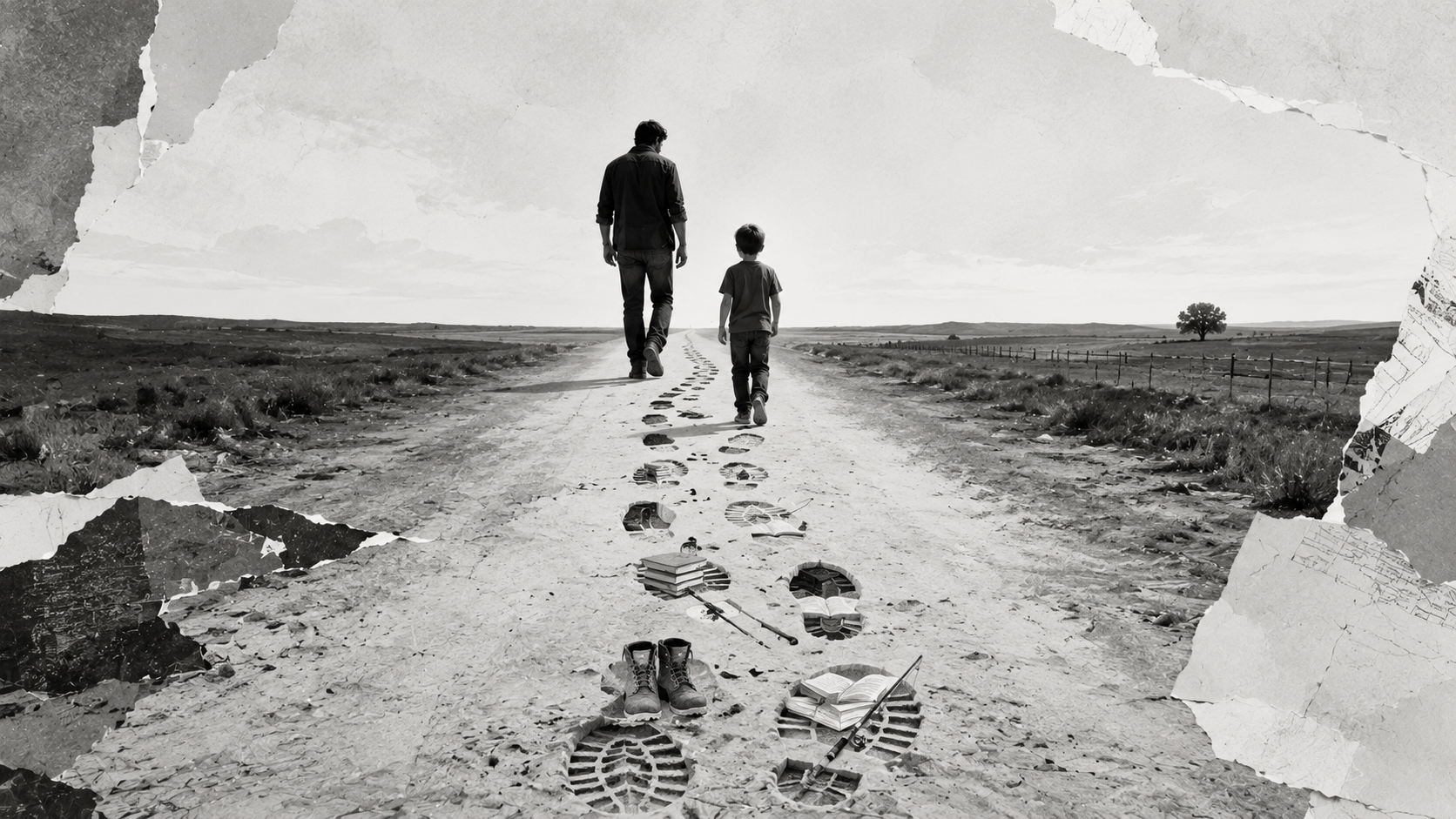
Television fatherhood ran opposite to actual fatherhood. The screen dad got wiser when real dads were absent, and became a fool right as real dads got involved.
In 1965, around the time Andy Griffith was on the air, the average American father spent about 2.5 hours a week with his children, a figure that would roughly triple over the next 50 years (Pew Research Center, 2019). The television dads of that era, Jim Anderson, Ward Cleaver, Andy Taylor, modeled presence as moral authority while the real fathers of the period were largely uninvolved.
The men who wrote those fathers make the contrast sharper. Ed James, Joe Connelly, Bob Mosher, Sheldon Leonard, Danny Thomas, and Sherwood Schwartz were born mostly between 1907 and 1917. They were children during the First World War, came of age in the Great Depression, and fought in the Second. They knew what it was to have nothing but family, so they wrote it down. Connelly and Mosher, who created Ward Cleaver, said they only wrote what they knew, and between them had 9 children to draw from.
Then it flipped. Erica Scharrer found modern television fathers more likely to be played foolishly than the fathers of earlier decades, and more so if they were working class (Scharrer, 2001). A study of 34 sitcoms from 1980 to 2017 found TV fathers doing less of the actual work of parenting over time and being made to look foolish more often when they did (Scharrer et al., 2020). Male caregivers are written as incompetent at nearly twice the rate of female characters (Geena Davis Institute, 2024). It happened during the same stretch that trust in government fell from 77 percent in 1964 to 17 percent in 2025.
Ryan is careful about causation. The timing fits, but Married with Children was pitched as a parody of the sitcom, not a transcript of anyone's dad. Television fatherhood moved in conversation with American fatherhood rather than leading it. The recalibration is underway: 85 percent of fathers say parenting is one of the most important parts of who they are (Pew Research Center, 2023), even as fatherhood grows rarer, with 66 percent of Silent Generation men living with their kids at the same age against 32 percent of Millennials. Rarer, and more devoted.
In 1965 the average American father spent about 2.5 hours a week with his children, a number that would roughly triple over the next 50 years (Pew Research Center, 2019).
The idealized TV fathers were written by Greatest Generation men who were children in one world war and soldiers in the next. The hardest men America produced wrote the warmest fathers television ever aired.
Modern television fathers are more likely to be played foolishly than earlier decades' fathers, and more so if working class (Scharrer, 2001). Male caregivers are written as incompetent at nearly twice the rate of female characters (Geena Davis Institute, 2024).
The mockery landed during a broader collapse in deference. Trust in government fell from 77 percent of Americans in 1964 to 17 percent in 2025 (Pew Research Center, 2025).
85 percent of fathers say being a parent is one of the most important parts of who they are (Pew Research Center, 2023), even as 66 percent of Silent Generation men lived with their kids at the same age against 32 percent of Millennials.
Plain-language definitions for the ideas in this episode. Structured for search and AI answers.
The cycle of experiencing something, challenging it, overcorrecting, and recalibrating. Applied to fatherhood: the distant provider, then the challenge that providing was not enough, then the overcorrection into the fool and the label.
In this episode: The arc from Ward Cleaver to Homer Simpson and back.
The recalibration Ryan names. Fathers never stopped wanting respect, they stopped asking for it out of fear it would cost the relationship. What changed is that respect can arrive with love rather than instead of it.
In this episode: Captain von Trapp putting the whistle in the drawer without ever wanting less respect.
Ryan's recurring caution that once a label is applied to a person, curiosity stops. You skip the individual underneath and stop asking questions.
In this episode: Why he pushes back on the overcorrection from the distant father to a single catch-all phrase.
Lines worth keeping, verbatim from the episode.
The hardest men America ever produced sat down and wrote the warmest, wisest fathers television has ever aired.
They did not stop wanting respect. They stopped asking, because they were afraid asking would cost them the relationship.
Always learning, humbled often.
Straight answers to the questions this essay raises. Open by default, structured for search and AI.
What is the main argument of TV Made Dads Fools Right as Real Dads Got Better? +
As real fathers slowly became more involved at home through the 1990s and 2000s, television turned the dad into the fool, the clueless and disengaged butt of every joke. Ryan Vet argues the caricature quietly stripped fathers of respect during the exact decades that respect for authority of every kind was draining out of American life.
Did the wise TV fathers of early television reflect real dads of that era? +
No. Figures like Ward Cleaver, Jim Anderson, and Andy Griffith modeled presence as moral authority, but in 1965 the average American dad spent only about 2.5 hours a week with his children. Those gentlest TV fathers were written largely by men of the Greatest Generation who had survived the Depression and two world wars, often idealizing a childhood they never actually had.
Is there real research showing TV dads are portrayed as fools? +
Yes. Erica Scharrer found modern TV fathers were more likely to be played foolishly than fathers of earlier decades, and more so if they were working class. A study of 34 sitcoms from 1980 to 2017 found TV fathers doing less of the parenting over time and looking foolish more often, and the Geena Davis Institute found male caregivers written as incompetent at nearly twice the rate of female characters.
How does the Generational Pendulum apply to fatherhood? +
The Generational Pendulum is Ryan Vet's pattern of experiencing something, challenging it, overcorrecting, and then recalibrating. With fathers, culture experienced the distant provider, challenged the idea that providing was enough, and overcorrected into the on-screen fool and the phrase toxic masculinity. The recalibration is underway now: 85% of fathers say being a parent is central to who they are, even as fatherhood grows rarer.
What does the essay say fathers actually wanted? +
Respect. Ryan Vet argues the mocked fathers never stopped wanting respect; they stopped asking for it because they feared asking would cost them the relationship. Using Captain von Trapp as the image, he describes the recalibration as respect arriving alongside love rather than instead of it, the responsible man whose family respects him out of reciprocity.
Full show notes
The men who wrote the wisest fathers on television had survived a depression and a war. Their kids wrote the buffoons.
Somewhere over the last half century, the American TV dad went from moral center to punchline. Erica Scharrer’s analysis of sitcoms from 1980 to 2017 found fathers doing less of the real parenting over time and being played for fools more often. A 2024 Geena Davis Institute study found male caregivers written as incompetent at nearly twice the rate of women.
Here is the twist. As the fictional dad got dumber, the real one got better. In 1965, fathers spent about 2.5 hours a week with their kids. Fifty years later that had roughly tripled.
That rewrite of fatherhood landed during the same decades authority drained out of American life. Trust in government fell from 77% in 1964 to 17% in 2025, and the same decline ran through nearly every institution that once commanded respect. This is the Generational Pendulum at work.
The data says the real story is not decline, it is recovery. 66% of Silent Generation men lived with their kids at a comparable age, against 32% of millennials, yet 85% of today’s fathers say being a parent is central to who they are. Rarer, and more devoted. Presence is its own kind of authority, and the good father never surrendered it.
Read the full COLLIDE essay: ryanvet.com/collide
About Ryan Vet
Ryan Vet is a USA TODAY bestselling author, futurist, and international keynote speaker whose insights on generations, culture, and the future of work have been featured in Forbes, Financial Times, ABC, NBC, and CBS. His research helps leaders understand emerging generational patterns and anticipate societal shifts before they fully unfold.
Join 20,000+ Leaders for Weekly Insights
If you want deeper research and behind-the-scenes insights on generations and the future of culture and society, join Ryan’s weekly newsletter:
👉 https://ryanvet.com/collide