Connie Ledoux Book
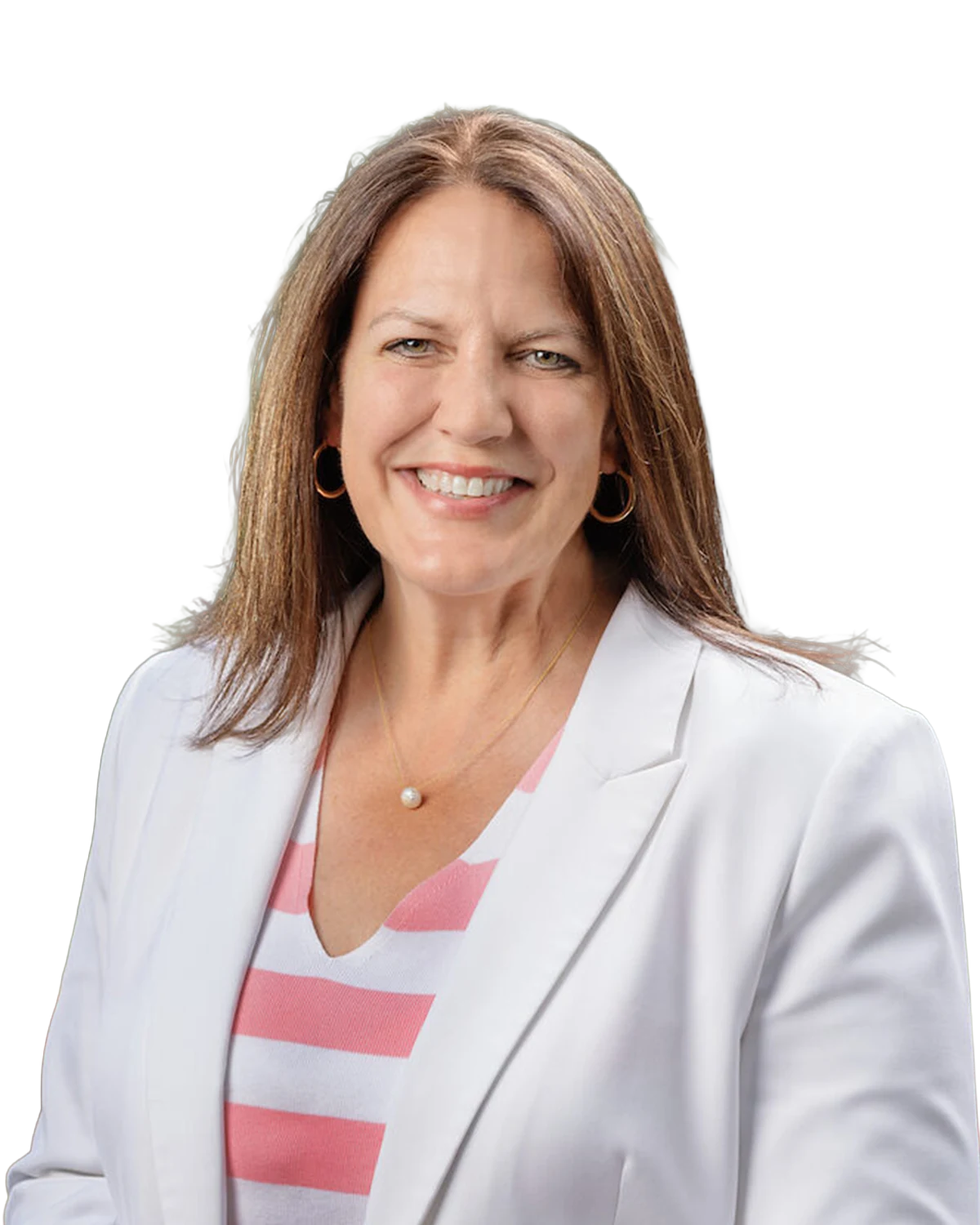
President, Elon University
Dr. Connie Ledoux Book is the president of Elon University, the ninth person and the first woman to hold the office, elected in October 2017 and installed on March 1, 2018. Before returning to Elon she spent three years as provost and chief academic officer at The Citadel, the first woman in that role in the military college's 175 year history. She holds a PhD in journalism from the Grady College at the University of Georgia and began her Elon career on the communications faculty in 1999. Her argument on the future of higher education is that the collapse in public confidence is nonpartisan and cost-driven, and that face-to-face education will still exist in a hundred years even if it becomes the more expensive option.
Reviewed October 2026Connie Ledoux Book is the president of Elon University, elected in October 2017 and installed on March 1, 2018 as the ninth president and the first woman to hold the office. She describes herself as the granddaughter of Louisiana farmers. She earned a bachelor's degree in journalism from the Manship School at Louisiana State University, a master's in education administration and supervision from Northwestern State University, and a PhD in journalism from the Grady College at the University of Georgia, where her dissertation studied how municipal officials viewed cable television regulation.
She is a communications scholar by discipline, with work centered on digital media and television, and she wrote Digital Television: DTV and the Consumer, the first book devoted to how the analog to digital transition landed on the people watching. She taught at Georgia College & State University, North Carolina State University and Meredith College before joining Elon's communications faculty in 1999, becoming associate provost in 2010. In 2015 she left to become provost and chief academic officer at The Citadel, the Military College of South Carolina, the first woman in that role in the institution's 175 year history, a post that carried the rank of brigadier general.
As president she led the creation of the ten year Boldly Elon strategic plan, established the Division of Inclusive Excellence, launched the Alamance Scholars Program, and completed the Elon LEADS campaign, which raised $260 million and funded 287 new endowed scholarships. She opened Elon's Charlotte campus and is steering the university's merger with Queens University of Charlotte, which will operate as Elon University | Queens College on the Myers Park campus. She has chaired the National Association of Independent Colleges and Universities and serves on boards including the American Council on Education, SACSCOC and Project Pericles.
Ryan Vet is an Elon graduate, so this conversation starts from a question he says he gets more than any other from listeners and COLLIDE readers: what is actually going on with higher education, and will colleges still be there when his kids are. Book does not open with a defense. She opens with Gallup's annual poll showing public confidence in higher education declining, and with the detail she thinks matters most about it. The decline is nonpartisan. It is steepest among Republicans, but Democrats and independents are trending down too. She attributes it to the rising cost of college and to graduates carrying real debt without the career payoff they were promised, and she says the sector has to do a better job of listening to people and working with employers.
Then she says the thing that travels because of who said it. Not everybody needs to go to college, but everybody needs to make a living. What she will defend is the residential model, and she defends it on relationships rather than content: the mentoring, the lifelong friendships, the community that gets invested in a student's success and matters most when life gets hard. Asked to vote on whether the classroom survives a century, she does not hedge. Face-to-face education will exist in a hundred years, she says, with the caveat that it may become the more expensive option. On her own campus the hardest problem AI creates is not students using it, it is proving learning happened at all, since essays, research papers and worked problems were the evidence and all of them are now available from a chatbot. Her faculty are rebuilding assessment discipline by discipline while learning the tools at the same time as their students, something she calls co-learning.
The back half is about what is arriving. She explains why Elon, at 700 acres, is merging with a 20 acre campus in Charlotte, and why colleges merge where churches tend to just close and sell the land. She describes a generation that puts purpose first and profession second, a reversal from her own, and an institution that struggles to reach students through the channels it owns. Then she concedes to the machines she had just argued against: 30 minutes in a Tesla convinced her the car drove better than she did, and she expects a $20,000 household robot that mops, vacuums and cooks. Ryan pushes back with his friction thesis, that the hurt and the blisters are where learning comes from. Her closing question is the one she says matters most, and she leaves it open. If the machines hand the time back, what will the next generation do with it? She ends on a story from her first day at The Citadel and a three word instruction: pick up the red pen.
Public confidence in higher education is declining, and that is a non-partisan decline.
Not everybody needs to go to college, but everybody needs to make a living.
I would say face-to-face education will exist in 100 years.
Who is Connie Ledoux Book?
She is the president of Elon University, the ninth person and the first woman to hold the office, elected in October 2017 and installed in March 2018. She holds a PhD in journalism from the Grady College at the University of Georgia, joined Elon's communications faculty in 1999, and served as provost and chief academic officer of The Citadel from 2015 to 2018, the first woman in that role in the military college's history.
What does Connie Ledoux Book say about the future of higher education?
That the sector is genuinely disrupted but that learning is the part least at risk. She points to a nonpartisan decline in public confidence driven by cost and by graduates whose debt did not buy the career they were promised. Her view is that not everybody needs to go to college but everybody needs to make a living, and that face-to-face education will still exist in a hundred years, though it may become the more expensive option.
Why is Elon University merging with Queens University of Charlotte?
Elon had already begun rolling out academic programs in Charlotte and would otherwise have had to build a campus there for its graduate students. Queens, a 20 acre campus in Myers Park, had excess classroom space and declining enrollment. The merger gives Elon the facilities and Queens new programs, and Book calls it a catalyst for both rather than a rescue of either. Queens will operate as Elon University | Queens College.
What is her view on AI in the classroom?
That preparing students to work with it is essential, and that the hard part is assessment rather than adoption. AI spread faster than any technology in her lifetime because it ran on infrastructure campuses already had. The problem it created is that essays, papers, multiple choice questions and worked problems were how learning was proven, so faculty teams have to rebuild what counts as evidence within each discipline. She also describes faculty learning the tools at the same time as their students, which she calls co-learning.
Read the thinking behind every episode.
Join 24,000+ leaders reading Every Tuesday at 4pm ET.
Check your inbox to confirm. The next COLLIDE lands Every Tuesday at 4pm ET.