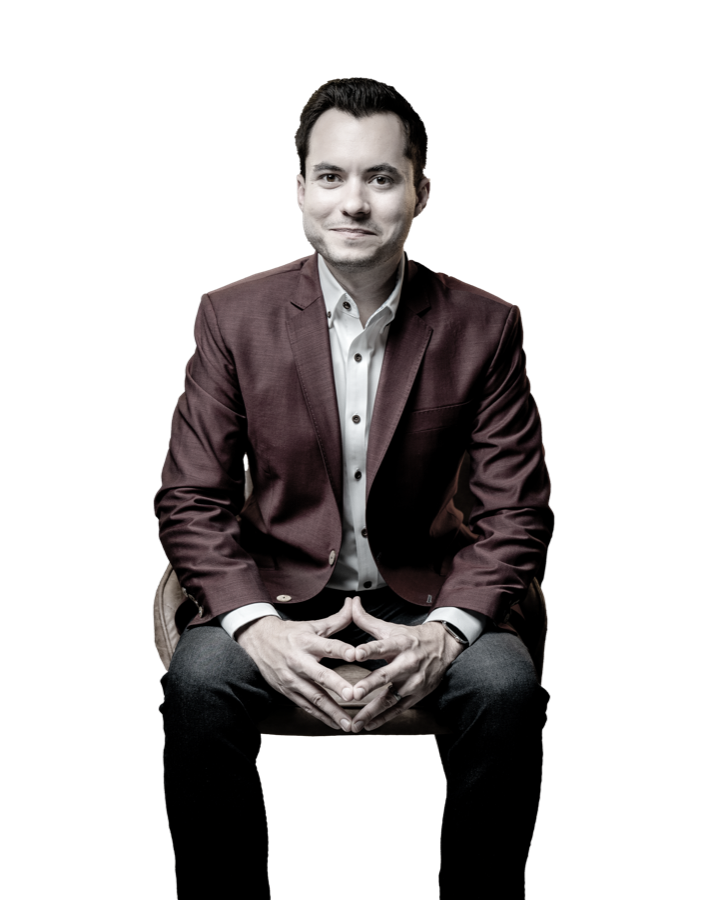

Laura Hambley Lovett
Organizational psychologist · Founder, Canada Career Counselling
Dr. Laura Hambley Lovett is an organizational psychologist, keynote speaker, and international bestselling author of I Wish I'd Quit Sooner. She has spent 25 years studying workplace psychology, the future of work, and career development, and she holds a PhD in Industrial/Organizational Psychology from the University of Calgary, where she is an adjunct professor overseeing a research program on toxic leadership in North America. Her central argument is that burnout is a workplace condition rather than a personal failing, and that a truly toxic boss cannot be coached into a good leader.
Reviewed September 2026Laura Hambley Lovett is an organizational psychologist, keynote speaker, and international bestselling author with 25 years in the field. Her work sits at the intersection of workplace psychology, the future of work, and career development, and her stated aim is to build cultures that attract good people and then keep them. She holds a PhD in Industrial/Organizational Psychology from the University of Calgary, where she is an adjunct professor overseeing a program of research on toxic leadership in North America.
She has founded several psychology and consulting practices. Canada Career Counselling, which she started in 2009, puts psychologists in front of thousands of Canadians working through career and workplace problems, and works with organizations on leadership and culture. She is also a co-founder of Work EvOHlution, which focuses on remote leadership and the psychology of distributed work. In 2018 she received a Canadian Women of Inspiration Award as a Global Influencer.
Her book, I Wish I'd Quit Sooner, is an international bestseller, and she hosts the podcast Where Work Meets Life. Her most recent research is on toxic leadership and the damage it does, including an ongoing project on how toxic leadership lands differently across generations. Her position is blunt and unusual for the field: people can grow, but a truly toxic boss will not become a good leader, because the self-insight the change would require is the thing they do not have.
On The Ryan Vet Show, Laura Hambley Lovett hands Ryan a diagnostic for the question every employee eventually asks: is my boss difficult, or is my boss toxic? A difficult boss is annoying, disorganized, a bad communicator, maybe weak, but does no harm. A toxic boss uses a series of harmful behaviors that can be overt or covert, and by her account cannot be coached out of them. She will not even use the word leader for them, because a true leader brings out the best in their people.
Her metaphor for staying anyway is the one that sticks. If your house has asbestos in the walls and you are being exposed to carcinogens, you can bring in a yoga mat and a fresh coat of paint, and it will feel like progress, but the problem is still in the walls. That is her read on wellness programs layered over a toxic workplace: burnout is a workplace phenomenon, created by workplace conditions, and handing it back to the individual as a therapy problem misplaces the cause.
Then she reverses the generational story. Every headline says Gen Z is the burnout generation. Her research says they are more likely to leave a bad situation before it escalates, which can make them less likely to burn out under a toxic boss specifically, because they exit before it gets that far. She puts the question straight back to Ryan: does that make them weak, or does that make them have better boundaries? The conversation widens from there into what forms a toxic leader, what remote work and AI are doing to burnout in both directions, why Gen X is the barbell generation squeezed from both sides, and the six options she gives anyone currently reporting to one.
A truly toxic boss will not become a good leader.
I call them bosses, not leaders, because a true leader brings out the best in their people.
Does that make them weak or does that make them have better boundaries
Who is Dr. Laura Hambley Lovett?
She is an organizational psychologist, keynote speaker, and international bestselling author of I Wish I'd Quit Sooner, with 25 years in workplace psychology, the future of work, and career development. She founded Canada Career Counselling in 2009, co-founded Work EvOHlution, and holds a PhD in Industrial/Organizational Psychology from the University of Calgary, where she is an adjunct professor researching toxic leadership.
What is the difference between a toxic boss and a difficult boss?
A difficult boss is annoying, disorganized, a bad communicator, or weak, but does not do harm and can be worked with. A toxic boss uses a series of harmful behaviors that can be overt or covert, and that tend to get worse over time. Hambley Lovett will not call the second group leaders at all, because in her definition a true leader brings out the best in their people.
Can a toxic boss change?
Her answer is no. She has coached hundreds of leaders and believes people can grow, but says toxic bosses are typically not open to self-insight or feedback, and that openness is the precondition for development. Her line in the episode is that a truly toxic boss will not become a good leader.
Is Gen Z really more likely to burn out?
Her research points the other way in one specific respect. Gen Z is more likely to leave a bad workplace before it escalates, which can make them less likely to burn out under a toxic boss, because they exit before it gets that far. She reframes the usual reading of that as boundaries rather than fragility.



Read the thinking behind every episode.
Join 24,000+ leaders reading Every Tuesday at 4pm ET.
Check your inbox to confirm. The next COLLIDE lands Every Tuesday at 4pm ET.