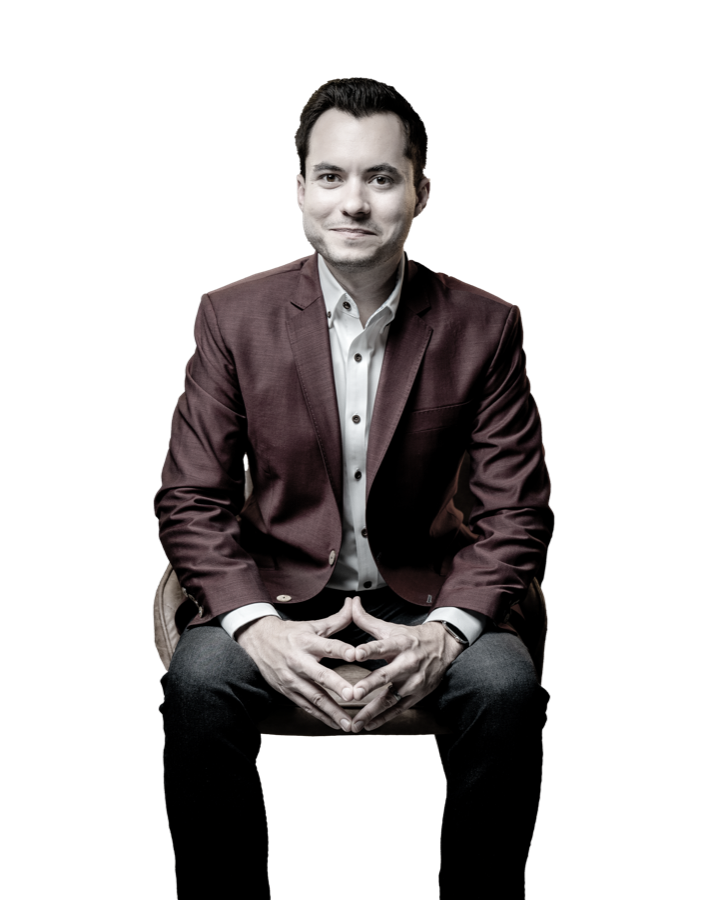
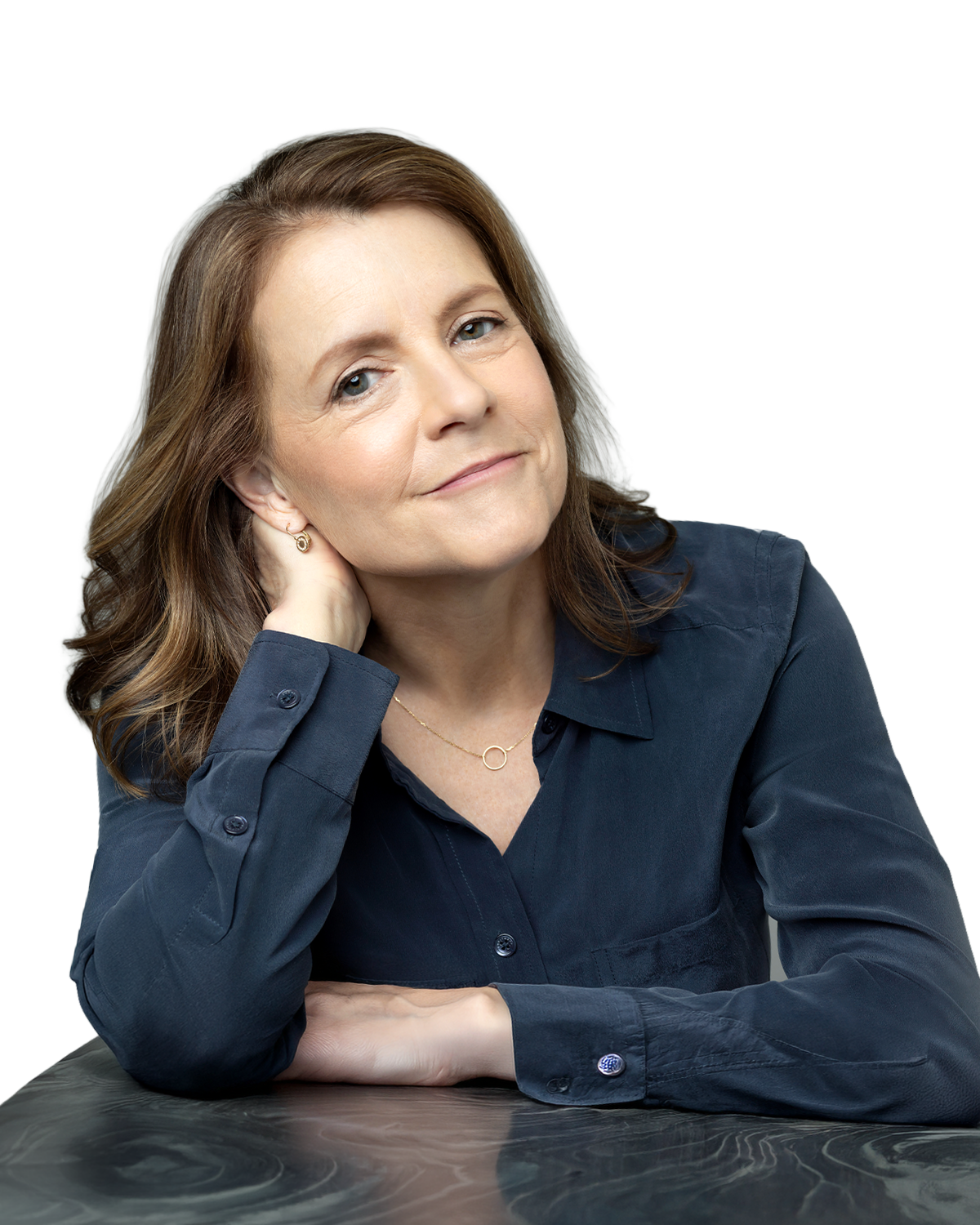
Linda Flanagan
Journalist · Author, Take Back the Game
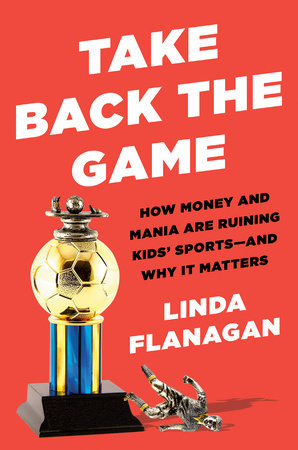
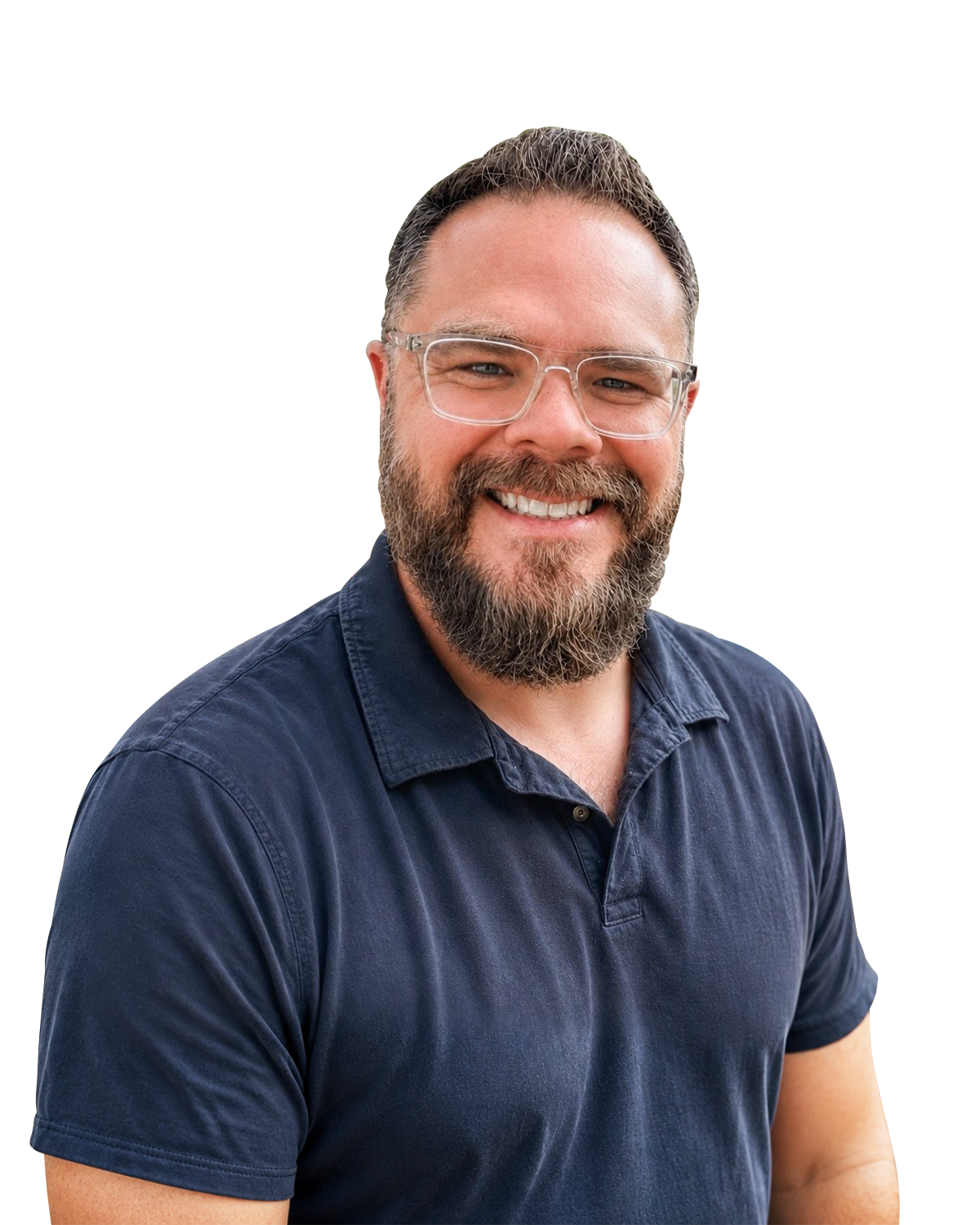
Linda Flanagan is a journalist and former cross-country and track coach, and the author of Take Back the Game: How Money and Mania Are Ruining Kids' Sports. She competed as a runner for most of her life, raised three kids through the travel-team era, and coached high school running for 19 years, and her book came out of the gap between what she knew sports could do for a child and what she watched the system actually do. Her argument is that American youth sports quietly traded a participation model for a performance model, and that families are paying for it in money, in time, and in what gets crowded out at home.
Reviewed August 2026Linda Flanagan has seen youth sports from every side of the field. She competed as a runner for most of her life, raised three children through the travel-team era, and, because she was a good runner and serious about it, was invited to coach cross-country and track at a school. She stayed 19 years. Her disillusionment came fast. She went in thinking that being an accomplished runner and a mother would make her intentions obvious, and found instead that the relationship with parents could be adversarial in ways she had not expected. That turned out to be the tip of the iceberg.
She is also a journalist, so she went looking. Take Back the Game, published by Portfolio in 2022, is the result: an account of how youth sports became a $40 billion industry, and of what that industry does to the children inside it. Her case is that the money did not just make sports expensive. It changed what sports are for. Thirty years ago kids typically started organized sports around age eight. Now at age eight they can compete for so-called national championships. Commercialization and professionalization moved together, and the intensity landed on parents who were only trying to do right by their kids.
A graduate of Lehigh University, Flanagan holds master's degrees from Oxford University and the Fletcher School of Law and Diplomacy, and was an analyst for the National Security Program at Harvard University. She is a founding board member of the New York City chapter of the Positive Coaching Alliance and served on the advisory group for the Aspen Institute's Reimagining School Sports initiative. Her writing on sport has appeared in The New York Times, The Atlantic, Runner's World, the Aspen Institute's Project Play, and NPR's education site MindShift, where she is a regular contributor. She lives in New Jersey.
She is currently co-producing Beyond Stigma, a four-part documentary series on mental health among collegiate women athletes, with a team led by Villanova professor Rick Eckstein. The team has been at it for a couple of years, and as of August 2026 they are working on distribution and hoping to have it out this year.
On The Ryan Vet Show, Linda Flanagan follows the money. Youth sports is a $40 billion industry, and private equity has been buying up the organizations that run it. The Aspen Institute's Sports and Society program puts average family spending at close to $1,500 a year, which she calls a lowball number once travel, tournament fees, and parking to watch your own child are counted. The figure she finds more startling is the time: on days with a game or a practice, parents spend an average of 3 hours and 23 minutes on their kids' sports. That is a part-time job, and almost nobody signed up for it on purpose.
The shift she names is from a participation model to a performance model. In Norway, 93 percent of kids play, because it is local, cheap, mixed-age, and scores are not published. America sorts eight-year-olds into A, B, and C teams to find the best ones early. Asked why parents went along with it, she goes back to the 1970s: inflation and economic anxiety, shrinking families that made each child scarcer and more precious, missing-kid photos on milk cartons that turned constant supervision into a duty, and what the sociologist Annette Lareau called concerted cultivation, where a parent's job became developing every ability a child might have. Add a college-admissions system that rewards athletes and organized sports starts to look like the responsible choice. Anxiety, she says, is the through line.
The finding she most wants parents to hear cuts the other way from everything the industry sells: the more money parents spend on a child's sport, the less the child enjoys it and the more pressure the child feels. She is skeptical of the technology answer too, having sat through a conference where two thirds of the sessions were about new ways to evaluate kids, and asks whether 10-year-olds need anyone keeping their stats. Her closing advice to families is not to quit. It is to keep hold of your own values and not sleepwalk into it, because there is an opportunity cost to a childhood organized around a schedule, and you are the one paying it.
30 years ago, kids started playing sports typically around age eight, and now at age eight, they can compete for national championships, so-called.
Parents spend an average of 3 hours and 23 minutes a day on their kids' sports when those kids have games or practices, which is mind-boggling. That's basically a part-time job.
There's research showing that the more money parents spend on their kids' sports, the less the kid enjoys it and the more pressure they feel.
Who is Linda Flanagan?
She is a journalist and researcher, a lifelong competitive runner, and a former high school cross-country and track coach of 19 years. She is the author of Take Back the Game: How Money and Mania Are Ruining Kids' Sports, a founding board member of the New York City chapter of the Positive Coaching Alliance, and a contributor to the Aspen Institute's Project Play and NPR's MindShift.
What is Take Back the Game about?
It is Flanagan's account of how youth sports became a $40 billion industry and what that did to the kids inside it. She traces the travel and tournament economy, the college-admissions incentive that pulls parents in, and the shift from a participation model to a performance model, and argues that competitive organized sports now burn kids out more reliably than they build character.
How much do families spend on youth sports?
The Aspen Institute puts it at close to $1,500 a year for a child playing a main sport plus a second one they dabble in. Flanagan calls that a lowball average, because it does not carry the full weight of travel, tournament fees, and the parking you pay to watch your own child. Some sports run far higher. She points out that the time cost is the harder one: 3 hours and 23 minutes a day on days with games or practices.
Is Linda Flanagan against kids playing sports?
No. Her position is that sports are good for children and that the current system gets in the way of what makes them good. She argues for more local, cheaper, lower-stakes play for more kids, points to Norway where 93 percent of children play, and says the goal is to keep kids in rather than to sort them out at eight years old.
What is Beyond Stigma?
It is a four-part documentary series on mental health among collegiate women athletes that Flanagan is co-producing with a team led by Villanova professor Rick Eckstein. The team has been at it for a couple of years, and as of August 2026 they are working on distribution and hoping to have it out this year. The reporting draws on interviews with researchers, athletic directors, and women athletes of various ages, and on an NCAA well-being study in which women scored worse than men on all 10 metrics measured.


Read the thinking behind every episode.
Join 23,000+ leaders reading Every Tuesday at 4pm ET.
Check your inbox to confirm. The next COLLIDE lands Every Tuesday at 4pm ET.