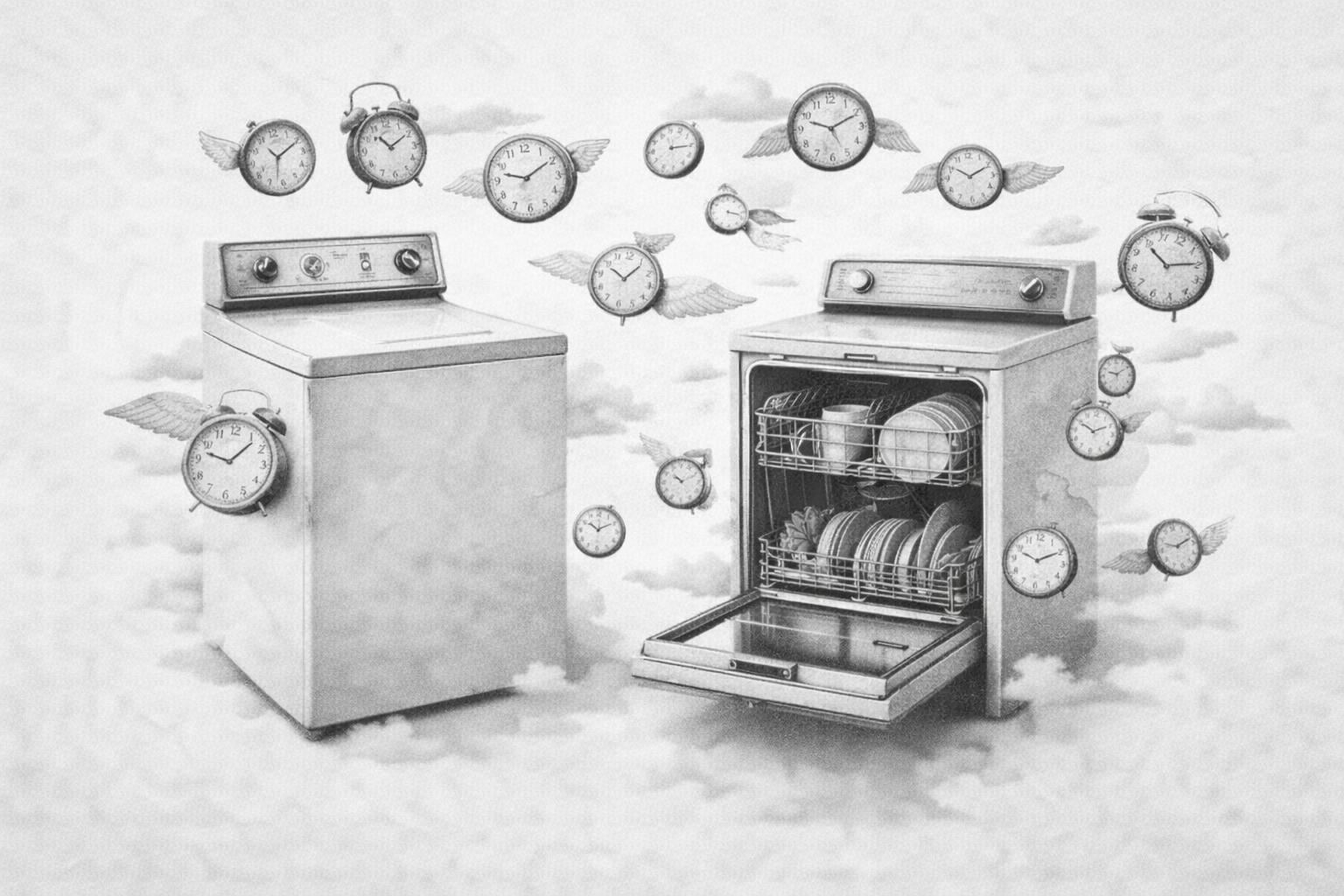
They came of age in a world where boredom, delay, and difficulty can be swiped away, and where a movie, a meal, or a finished assignment can be summoned by speaking a few words. That is the trait to watch. It matters more than the label, and how we use the label matters more than most people realize. So before we talk about who Gen Alpha is, we have to talk about how to think about them at all.
Labels are output, not input: the Generational Prism
I push back on generational labels often. Not because they are useless, but because they get treated like settled science when they are really shorthand, and shorthand that is easily misused. Start with the label, and you end with a caricature. Start with the moment, and you get a generation.
That is why I rely on a framework I call the Generational Prism: Age, Moment, Label. The label, whether Baby Boomer or Gen Alpha, is not the starting point. It is the output. It is what happens when a person's life stage collides with the conditions of the world around them.
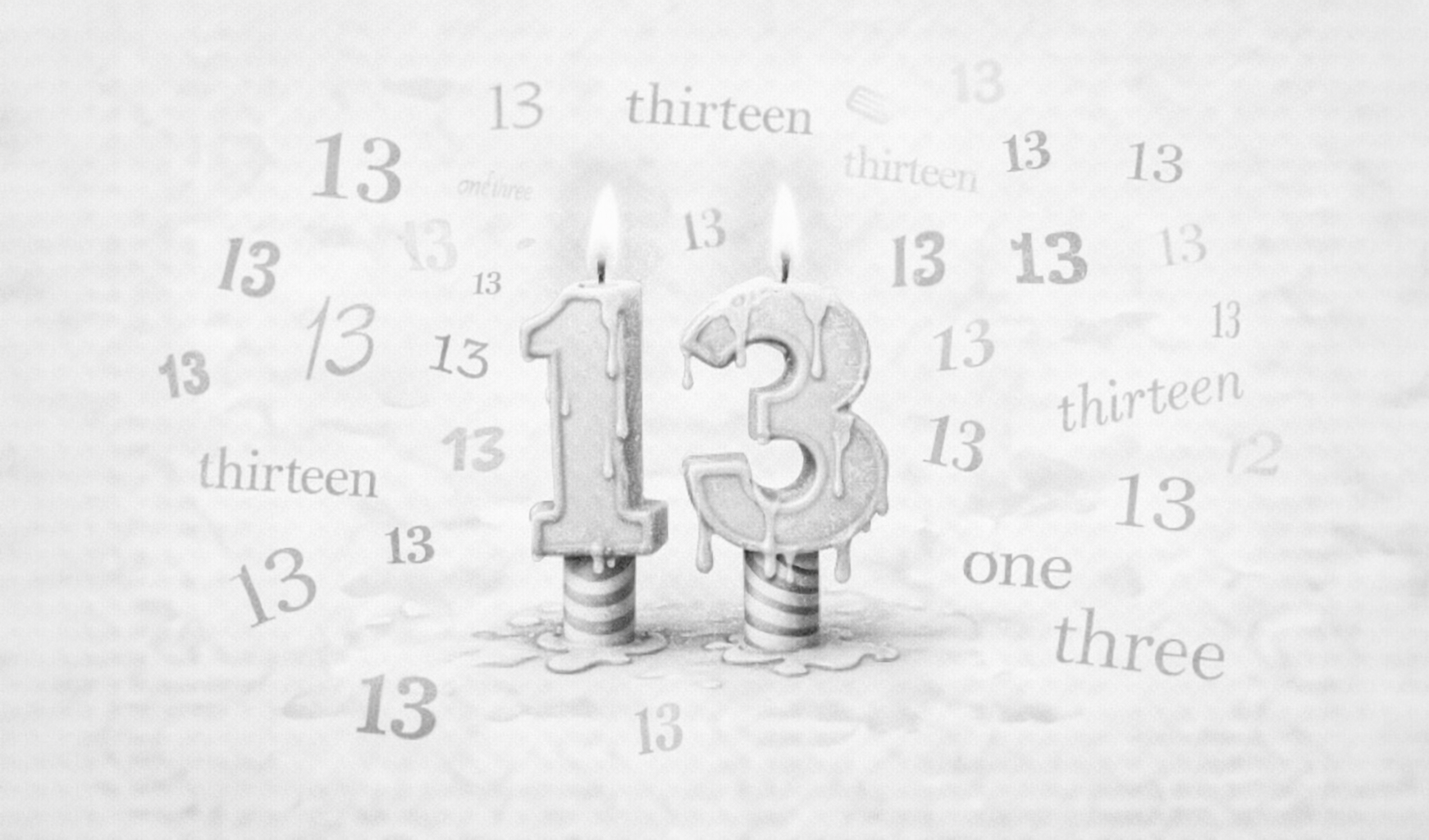
Gen Alpha makes the point better than almost any cohort, because we keep mislabeling them. We still talk about Gen Alpha as if they are little kids, tablets in hand, still learning the alphabet. They are not. The oldest Gen Alphas turned 13 in 2026. They are entering the teenage years, which means they are entering identity formation, greater independence, and the particular friction of figuring out who you are in a world that will not hold still. The right question is not what Gen Alpha will become. It is this: what kind of world are they entering?
So when does Gen Alpha begin and end?
The common convention, from social researcher Mark McCrindle, who coined the name, places Gen Alpha at 2010 through 2024. I land a little differently, and the reason is not the calendar. It is the culture.
Generational shifts follow cultural tipping points, not calendar pages. And in June 2013, Pew Research Center measured, for the first time ever, that a majority of U.S. adults owned a smartphone: 56% (Pew Research Center, 2013). Home broadband was in 70% of households. Social media was normal across adult life, not just among teenagers. The parents of Gen Alpha did not introduce their children to smartphones. They were already living inside them. That is the moment a new childhood begins, so I use 2013 as the practical start.
On the other end, Gen Alpha closes in 2025. Gen Beta begins in 2026, when AI crossed from something people occasionally use to invisible infrastructure children are raised inside of. Reasonable people draw these lines elsewhere, and they always will. Jean Twenge has extended Gen Alpha toward the end of the decade. Normalization never happens on a single day. It happens unevenly, across families and institutions. I call that overlap the Generational Blur. Naming a boundary is not about being right. It is about shared language, so we can talk meaningfully about what is changing even when the edges are fuzzy.
Who they are: convenience natives entering identity formation
If there is one word for Gen Alpha, it is convenience. They are not just digital natives. They are streaming natives, raised in a world of infinite options, hyper-curated content, and complete control over what they consume and when. Ubers on demand. Music on demand. Shows on demand. Shipping and shopping on demand.
But that comes with a subtle cost. In a world where you can swipe away boredom, awkwardness, or even disagreement, many never had to sit with discomfort, wait through delay, or read a room. Being constantly plugged in has made them fast and fluent. It has not necessarily made them present.
Here is the part that surprises people. Early data shows they want presence. They crave human connection more than the generations who came just before them. But their instincts were shaped by a world that rewards speed, autonomy, and self-curation. So they can struggle with nuance, with nonverbal cues, with collaborative tension. Streaming does not require eye contact.
And now the oldest of them are teenagers. Gen Alpha does not just consume content, and does not just share it. They can create it. Not the way earlier generations did, mastering software over time and building skill through friction, but instantly. With a prompt. With their voice. With a few words typed into a screen. What took an entire studio a generation ago can now be generated on a smartphone by speaking it into existence. For Gen Alpha, none of this feels new. It feels normal. And that is exactly the thing worth pausing on.
What shaped them
When I trace what forms a generation, I use seven cultural levers, with a helpful acronym of R.E.S.P.E.C.T.: Religion, Education, Sex and Gender, Politics, Economics, Communication, and Technology. I will not force all seven onto a cohort whose oldest members are only 13. Some are already visible. Others are still forming, and the honest thing is to say so.
Four forces are already clear.
Technology. Gen Alpha lives in a fully connected world. Every device has a chip, and the internet is ambient from birth. No screech of a dial-up modem, no onboarding, just presence. Where earlier cohorts adopted the internet as an event, Gen Alpha inherited it as air. This is where the Velocity Gap shows up most plainly: the distance between how fast the technology moved and how slowly the wisdom and guardrails around it caught up. Generative AI is reaching this cohort at roughly three times the speed the internet did, compressed into a single childhood. That raises the question I keep coming back to. What happens if curiosity itself gets outsourced before it has a chance to form? I have a name for that risk. I call it Cognitive Erosion. It runs deeper than most of us notice. We used to know every street name and exit by heart. Now the phone tells us how many minutes until we arrive, and we stop reading the road as our own. We ask Siri for arithmetic a child once did on paper. Each handoff is small. The sum is a skill that never forms.
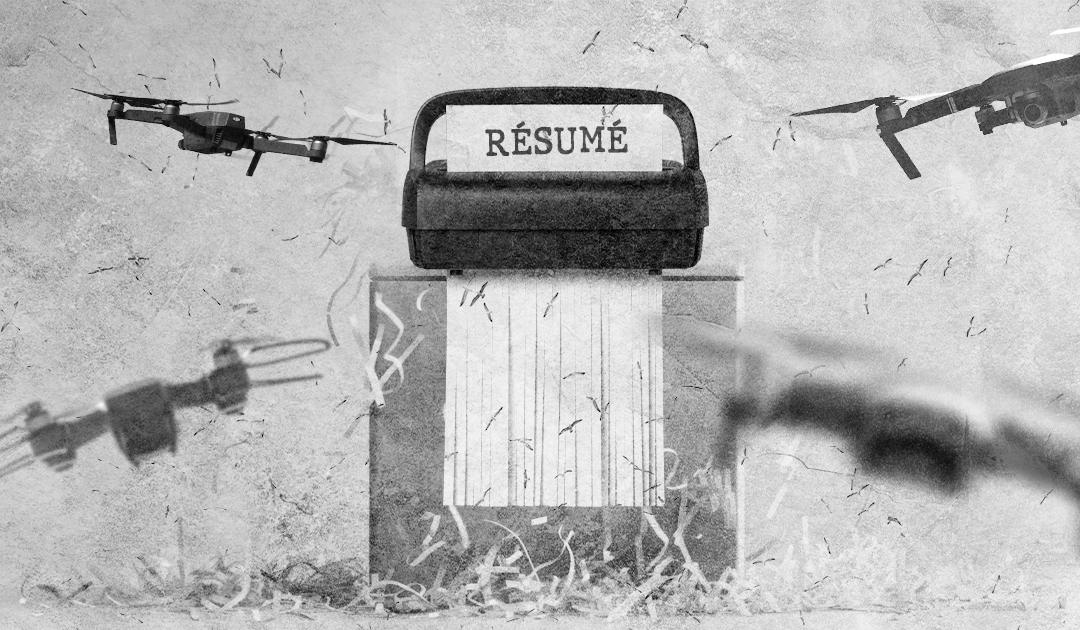
Education. The classroom looks nothing like their parents' did. Chromebooks at every seat, documents that always lived in the cloud, and a slow shift away from seat time and toward skill, the same shift quietly killing the traditional résumé. Then COVID hit at the worst possible moment. A child born in 2013 was six or seven when schools closed, right when school is supposed to become stable. 77% of public schools and 73% of private schools moved online nearly overnight (NCES, 2020), and NAEP recorded the largest reading declines since 1990 and the first-ever math decline for 9-year-olds (NAEP, 2022). For Gen Alpha, stability is not assumed. Adaptation is. And AI is already in their schoolwork: more than half of U.S. teens use chatbots to find information (57%) and to complete assignments (54%) (Pew Research Center, 2025; 2026).
Economics. Gen Alpha is already moving markets. The cohort commands about $101 billion in direct spending power and sways roughly 42% of household purchases (Axios, 2025). What interests me is not the dollar figure but the posture behind it. Most parents say they are having intentional money conversations early, which makes these low-stakes lessons: learn early, fail small. This is the Generational Pendulum at work. After the swing, Gen Alpha could recover a Silent Generation kind of frugality and self-responsibility, not just inherit a Boomer-era appetite for risk.
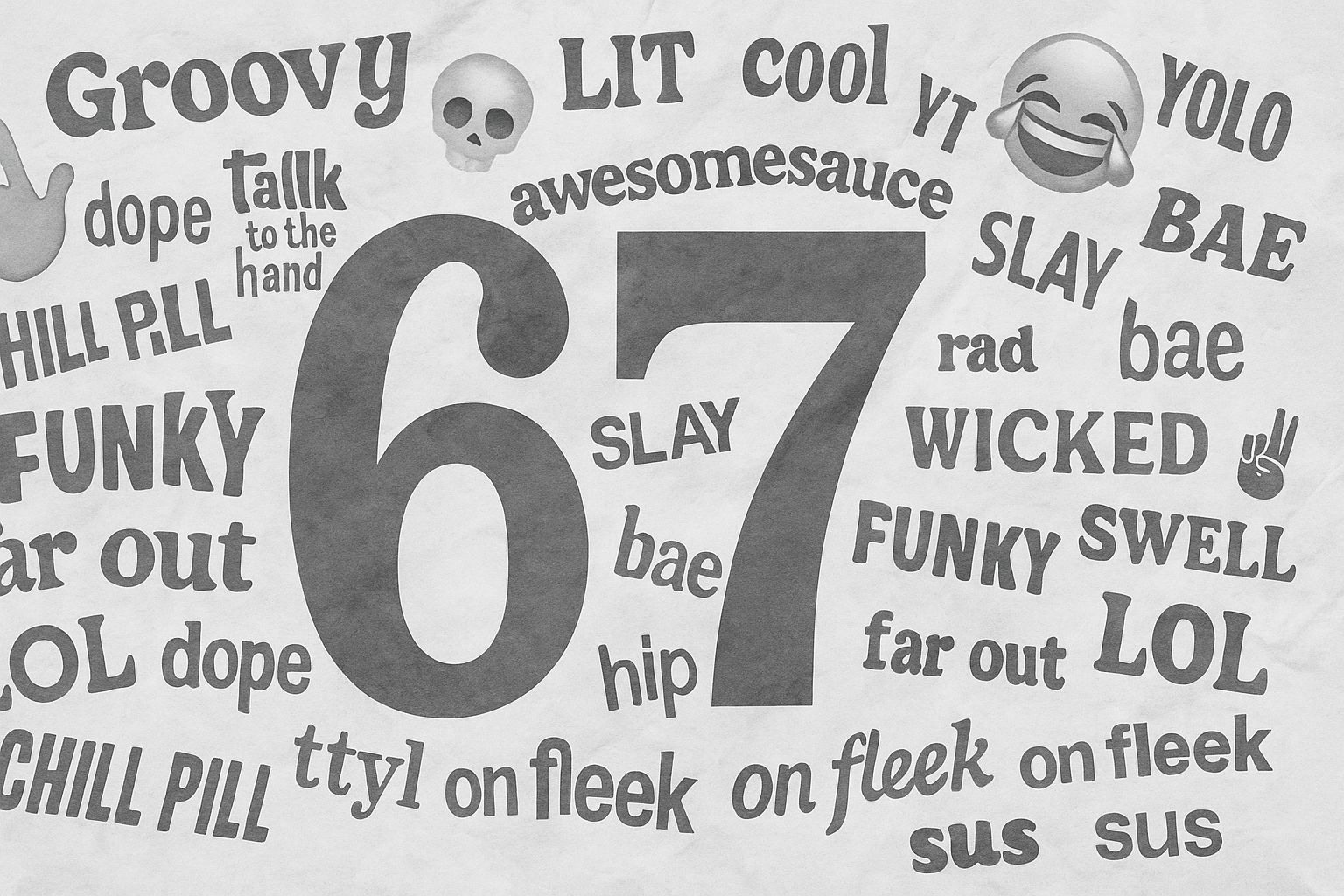
Communication. Watch a Gen Alpha kid chant "six-seven" and it looks like trivial nonsense. It is not. Slang is how a cohort first announces itself, and what struck me about six-seven is that it spread as much through carpools and recess as through screens. Analog virality, the way schoolyard rhymes always traveled. When Dictionary.com named "67" its word of the year for 2025 (Indy100, 2025), it was marking one of Gen Alpha's first mainstream cultural movements. My advice to leaders is not to start using their words. It is to watch what they say, then ask what they mean, because language is a leading indicator of a generation's values.
Three forces are still forming, and I would rather flag them than fake them.
Religion for Gen Alpha is mostly inherited. Their parents are Millennials and Gen Z, both less religious on balance than the generations before them, so most Gen Alphas are at church only if their parents are. There is a countercurrent worth watching. The younger end of Gen Z, some of them now parents, are the ones more likely to double down on faith rather than drift from it.
Sex and gender landed hardest on Gen Z, who absorbed the brunt of identity formation on social media. Gen Alpha is growing up alongside phone bans and social-media bans, so their exposure may be somewhat less direct. But the surrounding culture, the books, shows, and conversations about gender, is far more present than it was for any prior cohort at this age. They will still get much of it. Gen Beta likely will not.
Politics is simply too young to read. The oldest are 13. I am not going to assign a political identity to a generation that has not formed one.
Cognitive Erosion: the gradual wearing away of the mental skills a person would otherwise build, curiosity, memory, problem-solving, and discernment, when AI supplies the answer before the effort is made. The tool does the cognitive work, and the capacity that work would have developed never forms.
Ryan Vet
How to lead and raise them
The throughline for both parenting and leadership here is friction. Discernment is formed through friction. Wisdom comes from trial and error. Skill is built by doing hard things slowly before you can do them fast. That is the Friction Doctrine, and it is exactly what a convenience-native childhood erodes if no one is paying attention.
For leaders, the mandate is to stop waiting. It is tempting to think of Gen Alpha as too young to matter. They are not in your hiring pipeline and they cannot vote. But they already command real spending power, they already shape culture, and in about a decade they will be sitting across from you in interviews and across the table in negotiations. The move is not to pivot your strategy to tweens. It is to notice the leading indicators now: kids practicing real commerce, frictionless tools that make earning and creating intuitive, and a hiring world shifting from pedigrees to proof. Start thinking in portfolios, not résumés. Because Gen Alpha will not hand you a list of jobs in a tidy format. They will hand you proof of what they built.
For parents, the line is simpler, and it is the same lesson the internet should have taught us. We dove into the last technological wave believing connectivity would be purely liberating, and we learned the cost too late. This time we can lead early instead of reacting after the harm. Embed guardrails from day zero, because you can always loosen them later. Protect the things that do not scale: unstructured play, boredom, the freedom to struggle.
The teachers see it first. Kevin Stinehart, a third-grade teacher I spoke with on The Ryan Vet Show, put it plainly: nearly every generation before this one grew up with a play-based childhood, hours of unstructured free play, and a lot of kids now simply do not.
The skills we say we want most for our kids, resilience, creativity, problem-solving, self-direction, are built through real experience, mostly through play. Take it away and you take away the mechanism.
Kevin Stinehart, on The Ryan Vet Show
That is the Friction Doctrine in a single classroom.
AI can be an incredible tool for a child's learning and creativity. But it cannot be a parent, and it should not become the thing that answers every question before the child learns to ask one.
The questions Gen Alpha faces are the same ones every 13-year-old has always faced. Who am I. Where do I belong. What do I believe. The hypothalamus is still doing its work. What has changed is the world surrounding those questions, and whether we can let a child struggle long enough to become someone.
Frequently asked questions about Gen Alpha
What years is Gen Alpha?
Gen Alpha covers children born roughly between 2013 and 2025. Ranges vary. The naming convention from Mark McCrindle uses 2010 to 2024. I place the practical start at 2013, the year a majority of U.S. adults first owned a smartphone, and the close at 2025, because Gen Beta begins in 2026 when AI became ambient. The edges are intentionally fuzzy, an overlap I call the Generational Blur.
How old is Gen Alpha in 2026?
Roughly newborn through age 13. The oldest members of the cohort turned 13 in 2026 and are entering their teenage years, which is why it is a mistake to still think of Gen Alpha as only little kids with tablets.
What are Gen Alpha's defining characteristics?
Convenience is the throughline. They are the first cohort raised with a smartphone in the house from birth and the first to reach adolescence with generative AI as an everyday tool. That makes them fast, fluent, and self-directed, and it also means many have had little practice sitting with boredom, delay, or disagreement.
How is Gen Alpha different from Gen Z?
Gen Z was handed a device and grew up documenting their lives on it. Gen Alpha goes a step further: they do not just consume and share content, they can generate it instantly by speaking a prompt. Gen Z lived online. Gen Alpha lives in a world where the line between real and artificial, and between consuming and creating, is blurring from the start.
Who are Gen Alpha's parents?
Predominantly Millennials, with some older Gen X. They are older and more established than parents of prior cohorts. The average first-time mother rose from 22.7 years old in 1980 to 26.0 by 2013 (CDC, 2015). They were already living inside smartphones and social media when their children were born, and they parent more actively, more intentionally, and often more anxiously than the generation before them.
What does "six-seven" mean?
It is a viral, largely nonsensical Gen Alpha slang phrase, named Dictionary.com's word of the year for 2025 (Indy100, 2025). The meaning matters less than the signal: it is one of Gen Alpha's first mainstream cultural movements, and it spread as much through playgrounds and carpools as through screens.