That word, security, is the key to the whole generation. It matters more than the label, and how we use the label matters more than most people realize. So before we talk about who the Silent Generation is, we have to talk about how to think about them at all.
Labels are output, not input: the Generational Prism
I push back on generational labels often. Not because they are useless, but because they get treated like settled science when they are really shorthand, and shorthand that is easily misused. Start with the label, and you end with a caricature. Start with the moment, and you get a generation.
That is why I rely on a framework I call the Generational Prism: Age, Moment, Label. The label is the output, not the input. It is what happens when a person's life stage collides with the conditions of the world around them.
The name itself, "Silent," was meant as a mild criticism: a generation that kept quiet, kept its head down, and rarely took to the streets. Run it through the Prism and the silence looks different. It was not apathy. It was strategy, forged by children who watched the Depression take their families' savings and the war take their fathers and brothers. When the world has proven that stability can vanish overnight, you do not rock the boat. You hold the family together, you earn your security, and you stay quiet. The label called them passive. The moment reveals them as careful.
When does the Silent Generation start and end?
The Silent Generation covers those born between 1928 and 1945, the range used by Pew Research Center. As of 2026 that makes them roughly 81 to 98 years old, the oldest cohort still with us. They sit between the Greatest Generation, the men and women who fought World War II as adults, and the Baby Boomers, the enormous cohort their postwar optimism produced.
Their boundaries are among the most debated of any generation, in part because it is a smaller, quieter cohort born during the low-birth-rate years of the Depression and the war. Some historians draw the range more widely. What is not in dispute is the moment that defined them: they came of age in the hardest stretch of the American century, and it marked them for life.
Who they are: the Traditionalists
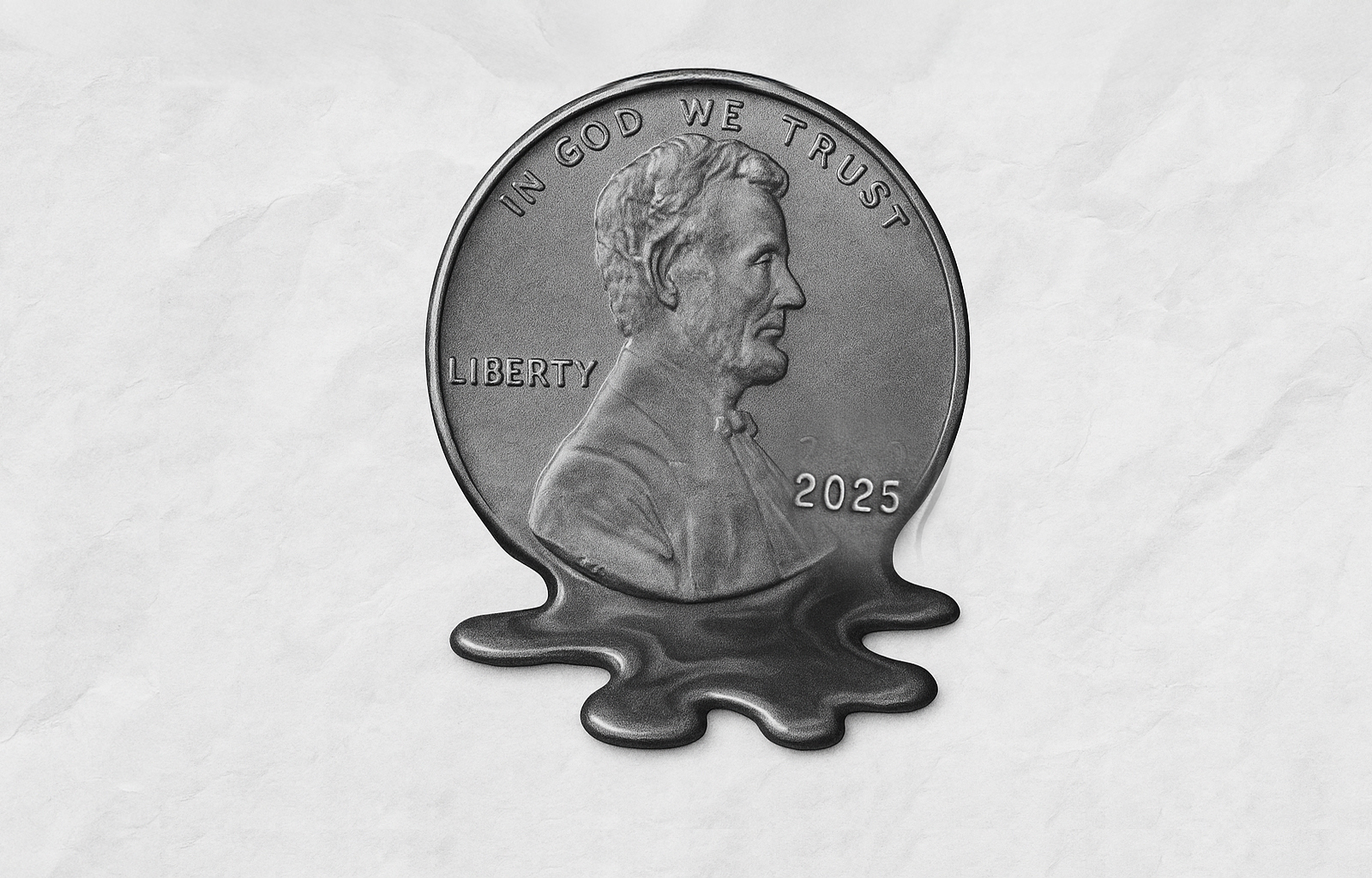
To understand the Silent Generation, start with what they lost and what they feared losing again. Many watched their parents' savings disappear in the bank failures of the Great Depression, then watched those same parents work themselves to the bone for every penny that followed. The lesson landed early and permanently: money is not abstract, and security is never guaranteed. It produced a frugality so deep it became reflex. This is the generation that saved tin foil, washed and reused plastic bags, paid in cash, distrusted banks enough to keep money in the house, and often reached the end of long, successful careers still convinced they might one day go broke.
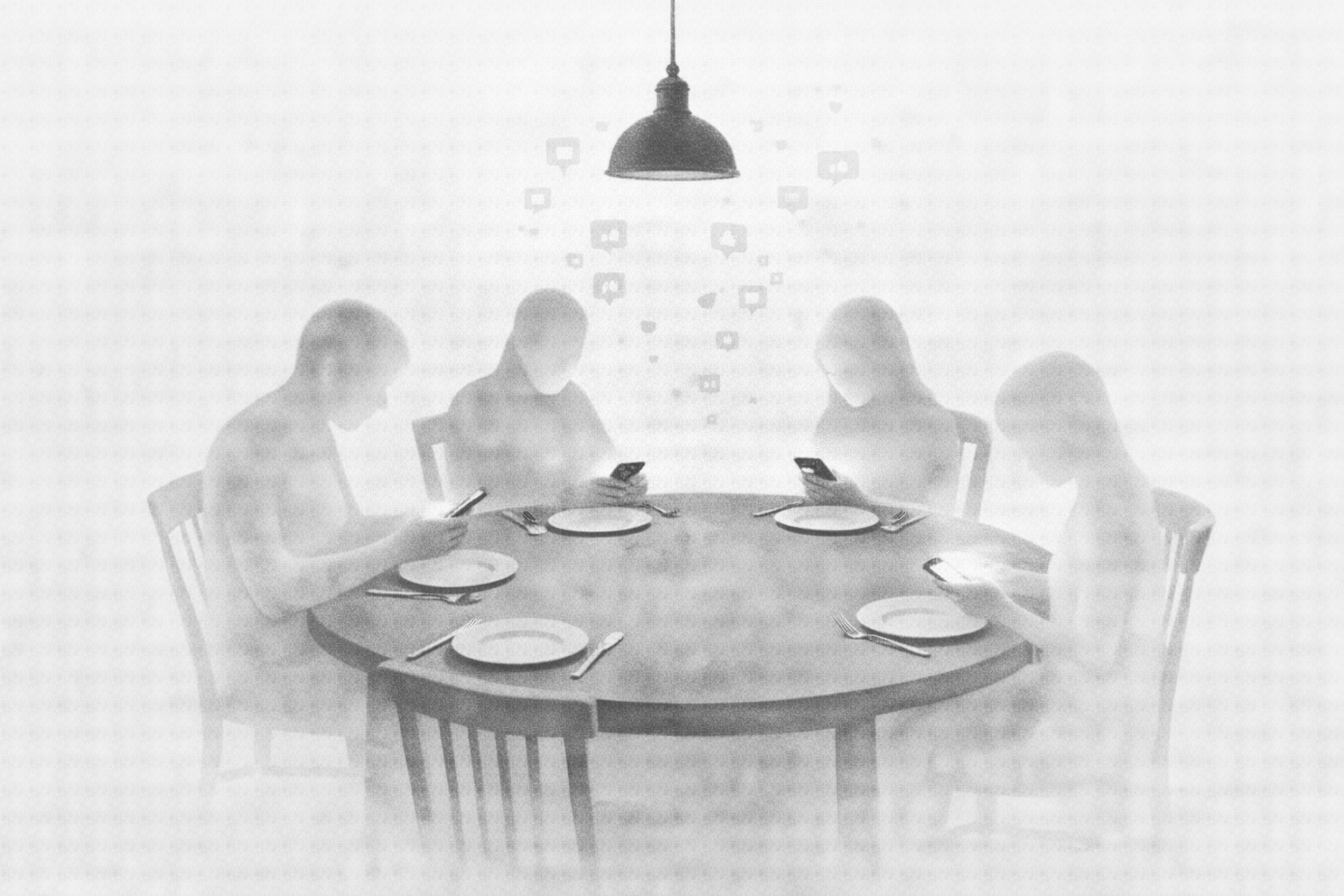
Out of that same soil grew their defining virtue: loyalty. They were loyal to their country, because the wars taught them that. They were loyal to their employers, because steady work was hard-won and worth protecting, and they believed deeply in paying their dues, keeping their heads down, and letting time and character earn the reward rather than demanding it. And they were loyal to their families, because for the Silent Generation the traditional two-parent household was not a lifestyle choice but simply the way the world was ordered. Divorce was not really an option. The dinner table was not a ritual you scheduled. It would have been strange not to gather.
They also carry a quiet expectation that has never left them: respect. They give it, and they expect it in return, and more than any generation since, they honor age and a clear sense of hierarchy. Someone who has put in the time, they believe, has earned their place. That conviction, that dues-paying and character matter as much as raw output, is perhaps the sharpest line between the Silent Generation and everyone who came after.
What shaped them
When I trace what forms a generation, I use seven cultural levers, with a helpful acronym of R.E.S.P.E.C.T.: Religion, Education, Sex and Gender, Politics, Economics, Communication, and Technology. For the Silent Generation, two forces did most of the shaping, the Great Depression and the Second World War, and their echoes run through every lever.
Economics. This is the root of everything. The Silent Generation lived a scarcity mindset that never fully lifted, even in prosperity. Whatever you could hold was the only thing you could trust, so they saved, stretched, and scrapped. Credit and mortgages were largely unavailable to them in their earliest earning years, and it was only after the 30-year fixed-rate mortgage was authorized in 1948 and expanded in 1954 that homeownership opened to the middle class. Many rode that door into stable, debt-free lives, owning their homes and cars outright and quietly building the nest eggs that, together with the Boomers, now feed the largest wealth transfer in history.
Politics. The Silent Generation was, true to the name, the least likely to advocate loudly or take to the streets. In an era when speaking out could feel genuinely dangerous, most concluded they were most effective keeping their heads down, holding the family together, and trusting the country's leadership. When the Korean War came, they largely accepted the draft; most Americans considered the draft system fair (Gallup, 1953), even among the men eligible to serve. It was a striking contrast to the protest generations that followed, and it is exactly what you would expect from a cohort whose defining instinct was loyalty over dissent.
Religion. They came of age when institutional faith sat at the cultural center of American life, more firmly than for any generation since. Church and tradition were part of the ordered, stable world they worked to preserve, the moral framework their children's Sexual Revolution would later push against. For the Silent Generation, faith was simply part of the architecture of a respectable life.
Sex and gender. Roles were clearly defined and rarely questioned: the father as breadwinner, the mother as the keeper of the home. The one great exception proved how deep the norm ran. During World War II, with the men overseas, women stepped into the factories to build the machinery of war, only for the culture to expect them to step back out again when the men returned. The Silent Generation held the traditional order that the generations after them would spend decades unwinding.
Education. For many in this generation, especially the earliest-born and especially women, formal education ended early, sometimes at the sixth grade, in an era of one-room schoolhouses. Education was closer to a privilege than an expectation. But those who did get the chance, particularly the ones born in the 1930s and 1940s, often became the teachers and administrators who set the tone for American schooling from the 1950s well into the 1990s, a generation quietly building for the next what it had not always been given itself.
Communication. They were the radio generation. Many heard live music for the first time through a set in the family living room, and news arrived not around the clock but at appointed hours, delivered by a handful of channels you tuned into and then turned off to return to family life. It was a slower, more bounded information world, and it suited a generation that valued order.
Technology. They were the first generation to grow up in a world that always had cars and aviation, though both were luxuries of the wealthy until well into their adulthood. They witnessed the infrastructure that built modern America rise in real time, the Hoover Dam, the Golden Gate Bridge, the interstate highway system, and they watched the Space Age begin with the launch of Sputnik in 1957. They did not grow up inside technology the way later generations would, but they laid the groundwork the rest of us have been building on ever since.
How to honor and learn from them
Most of the Silent Generation has long since retired, and their numbers are shrinking. So the task now is less about leading them and more about honoring them, and about capturing what they carry before it is gone.
Two transfers are underway. The first is financial: the Silent Generation, together with the Boomers, is passing down an estimated $84.4 trillion to younger generations by 2045 (Cerulli Associates, 2023), the largest wealth transfer in history. The second is harder to measure and easier to lose. This is the last generation with a living, first-hand memory of the Great Depression and the Second World War, the events that built the modern American character. When they are gone, that memory becomes history rather than testimony, and something changes in how a country understands itself.
There is also a quieter inheritance worth naming. In an age of buy-now-pay-later and connection without cost, the Silent Generation modeled something the pendulum may be swinging back toward: frugality, loyalty, the discipline of paying your dues, and the simple, grounding habit of gathering the family around a table. You do not have to romanticize their hardships to learn from what those hardships forged. They gave respect and expected it, they kept their promises, and they believed security was something you built slowly and protected carefully. That is worth remembering, from the generation we named for its silence.
Frequently asked questions about the Silent Generation
What years is the Silent Generation?
The Silent Generation covers those born between 1928 and 1945, the range used by Pew Research Center. As of 2026 that makes them roughly 81 to 98 years old. Their boundaries are among the most debated of any cohort, and some historians draw the range a bit more widely.
Why are they called the Silent Generation?
Because, compared to the generations around them, they kept quiet. They rarely advocated loudly or took to the streets, concluding that in a dangerous, unstable era they were safest keeping their heads down, holding their families together, and trusting authority. The name was a mild criticism. The reality was a survival strategy forged by the Depression and the war.
What are the Silent Generation's defining characteristics?
Frugality, loyalty, and duty. Shaped by scarcity, they saved everything and distrusted debt. Shaped by war, they were fiercely loyal to country, company, and family. They believe in paying their dues, they honor age and hierarchy, and they give and expect respect.
Who came before and after the Silent Generation?
Before them was the Greatest Generation, the men and women who fought World War II as adults. After them came the Baby Boomers, the enormous postwar cohort the Silent Generation raised.
What shaped the Silent Generation?
Two forces above all: the Great Depression, which taught them that security can vanish overnight, and the Second World War, which taught them loyalty and sacrifice. Nearly every trait of the generation traces back to one or both.
Are members of the Silent Generation still alive?
Yes, though their numbers are shrinking. They are the oldest living Americans, roughly 81 to 98 years old in 2026, and they are the last generation with a first-hand memory of the Depression and World War II.