
The Real Barrier in Cross-Generational Communication
The $1.2 trillion communication problem in Corporate America is not a generational issue; it goes much deeper.
Read the full essayThe data behind this essay. Every figure traces to a source the essay cites. Hover any card to share it.
Maybe the real barrier is not what was said. Maybe it is what we assumed about the speaker before they ever said it.
Broken communication is never cheap. In one study of divorced individuals, 70 percent of wives and 59 percent of husbands cited communication as a contributor (Williamson et al., 2016), and the Harris Poll estimated poor communication costs U.S. businesses as much as 1.2 trillion dollars annually (Grammarly and The Harris Poll, 2022).
Ryan does not dismiss the surface differences. Texting versus calling matters. Gen Z shorthand matters. One generation hearing brevity as efficiency while another hears disrespect matters. His argument is that those are not the deepest issue. Research finds perceived similarity strongly shapes interpersonal response (Montoya et al., 2008), and a 2022 study found both liberals and conservatives judged outright misinformation as more accurate when it came from an aligned source (Traberg and van der Linden, 2022). We weight what someone says by how aligned we already feel with them.
Underneath it is trust, and each generation uses different evidence for it. Boomers trusted what was reliable, stable, and institutional. Gen X grew up watching institutions wobble and made skepticism the air they breathed. Millennials moved trust toward transparency and access. Gen Z moved it to authenticity: tell me the good, the bad, and the ugly, and if you feel polished but hollow you are dismissed immediately.
The personal illustration is Ryan's own. He launched his first company as a teenager and hid behind a juno.com email so people would not hear his age. Clients loved the work while the relationship stayed virtual. The moment he walked into the room as an acne-faced teenager in an ill-fitting suit, the trust drained out of the conversation. The work had not changed, the capability had not changed, the output had not changed. Only the perception had. Research bears it out: young adults are perceived as less congruent with leadership roles, an effect stronger among older observers (Daldrop et al., 2025). He is candid that now, with people a decade his junior working for him, he catches himself doing the same thing.
Poor communication costs U.S. businesses as much as 1.2 trillion dollars annually (Grammarly and The Harris Poll, 2022), and 70 percent of wives and 59 percent of husbands cite it as a contributor to divorce (Williamson et al., 2016).
Perceived similarity shapes credibility. Both liberals and conservatives judged misinformation as more accurate when it came from a politically aligned source (Traberg and van der Linden, 2022).
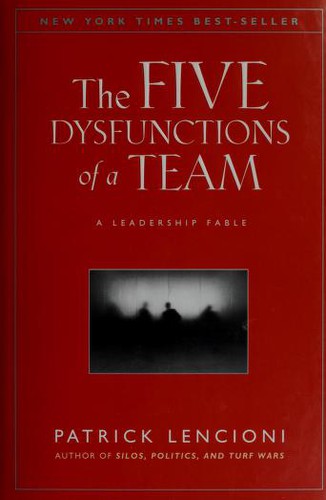
Trust precedes effective communication. If trust is missing, you cannot have healthy conflict, real commitment, accountability, or results (Lencioni, 2002).
Each generation uses different evidence for trustworthiness: Boomers reliability, Gen X earned skepticism, Millennials transparency, Gen Z authenticity.
Young adults are perceived as less congruent with leadership roles, and the effect is stronger among older observers (Daldrop et al., 2025). Bias against younger workers is real and understudied.
Plain-language definitions for the ideas in this episode. Structured for search and AI answers.
What I meant, what was actually said, and what was understood. Across generations those gaps widen, because the parties bring different assumptions, expectations, and starting levels of trust.
In this episode: The frame Ryan uses to separate style problems from trust problems.
The sense that another person is like you, which research ties to both interpersonal attraction and judgments of credibility (Montoya et al., 2008). It determines how much weight a listener gives to what is said.
In this episode: The mechanism Ryan believes sits under most cross-generational friction.
Stereotyping and disadvantaging workers because they are young. A scoping review found the bias real and understudied (de la Fuente-Nunez et al., 2021), and later work found young adults judged less congruent with leadership roles (Daldrop et al., 2025).
In this episode: Ryan watching trust fade from people's eyes when he walked into the room as a teenage founder.
Lines worth keeping, verbatim from the episode.
Trust precedes effective communication.
Maybe the real barrier is what we assumed about the speaker before they ever said it.
The work had not changed.
Straight answers to the questions this essay raises. Open by default, structured for search and AI.
What is the real barrier in cross-generational communication? +
Ryan argues the deepest barrier is not communication style, device, or linguistics but trust. Our unconscious perceptions of age, background, and credibility shape whether we give someone a fair hearing before they even finish speaking. Style and medium differences are real, but trust is the more fundamental issue underneath them.
How much does poor communication cost U.S. businesses? +
The Harris Poll estimated that poor communication costs U.S. businesses as much as $1.2 trillion annually (Grammarly & The Harris Poll, 2022). Ryan uses this figure to make the point that broken communication is never cheap. He frames the cost as a trust problem rather than a generational style problem.
How does each generation define trust differently? +
Baby Boomers tended to trust what was reliable, stable, and institutional. Gen X is naturally more skeptical after growing up watching institutions wobble. Millennials moved trust toward transparency and access to information, while Gen Z has moved further toward authenticity. Each generation uses different evidence to decide whether someone is trustworthy.
What are the three sides of every conversation? +
Ryan describes at least three things happening in every conversation: what was meant, what was actually said, and what was understood. He compares this to the idea that there are three sides to every story: your side, my side, and what actually happened. Across generations those gaps widen because of different assumptions, expectations, and levels of trust before anyone speaks.
How has technology changed respect and authority across generations? +
Ryan argues that technology flattened hierarchies by removing friction. Social media lets anyone slide into the DMs of a congressional representative or even the President, deteriorating the old barriers to authority. That shift changes how respect is signaled and how easily one generation can interpret another generation's tone as disrespectful, even when no disrespect was intended.
Full show notes
Poor communication costs U.S. businesses $1.2 trillion annually, but what if the deepest barrier across generations isn’t how we talk, but whether we trust the person talking?
In this episode, Ryan unpacks why the biggest breakdown in cross-generational communication isn’t about texting versus calling or shorthand versus formality. Drawing on interpersonal attraction studies, misinformation credibility research, and his own experience launching a company as a teenager, Ryan makes the case that our unconscious perceptions of age, background, and credibility are sabotaging workplace communication before anyone even opens their mouth.
Ryan explores how each generation defines trust differently and connects this to Patrick Lencioni’s Five Dysfunctions framework, arguing that trust is the foundation everything else rests on.
Key Takeaways
The $1.2 trillion annual cost of poor communication is not a generational style problem; it’s a trust problem.Perceived similarity drives credibility, and that bias operates across generational lines.Each generation defines trust differently: reliability (Boomers), skepticism (Gen X), transparency (Millennials), authenticity (Gen Z).Three sides to every conversation: what was meant, what was said, what was understood.Technology has flattened hierarchies, changing how respect is signaled and authority is perceived. Sources Cited
Grammarly & The Harris Poll (2022) - State of Business CommunicationMontoya et al. (2008) - Perceived similarity in interpersonal attractionPatrick Lencioni (2002) - The Five Dysfunctions of a TeamDaldrop et al. (2025) - Age bias against young leadersSend us Fan Mail
About Ryan VetRyan Vet is a USA TODAY bestselling author, futurist, and international keynote speaker whose insights on generations, culture, and the future of work have been featured in Forbes, Financial Times, ABC, NBC, and CBS. His research helps leaders understand emerging generational patterns and anticipate societal shifts before they fully unfold.
Join 20,000+ Leaders for Weekly InsightsIf you want deeper research and behind-the-scenes insights on generations and the future of culture and society, join Ryan’s weekly newsletter: 👉 https://ryanvet.com/collide