The principle: friction forms people
We spend enormous energy trying to make life easier. We invent things to make our lives better, easier, faster, and more productive, because we believe that produces a better human experience. Often it does. But not always, and not for free.
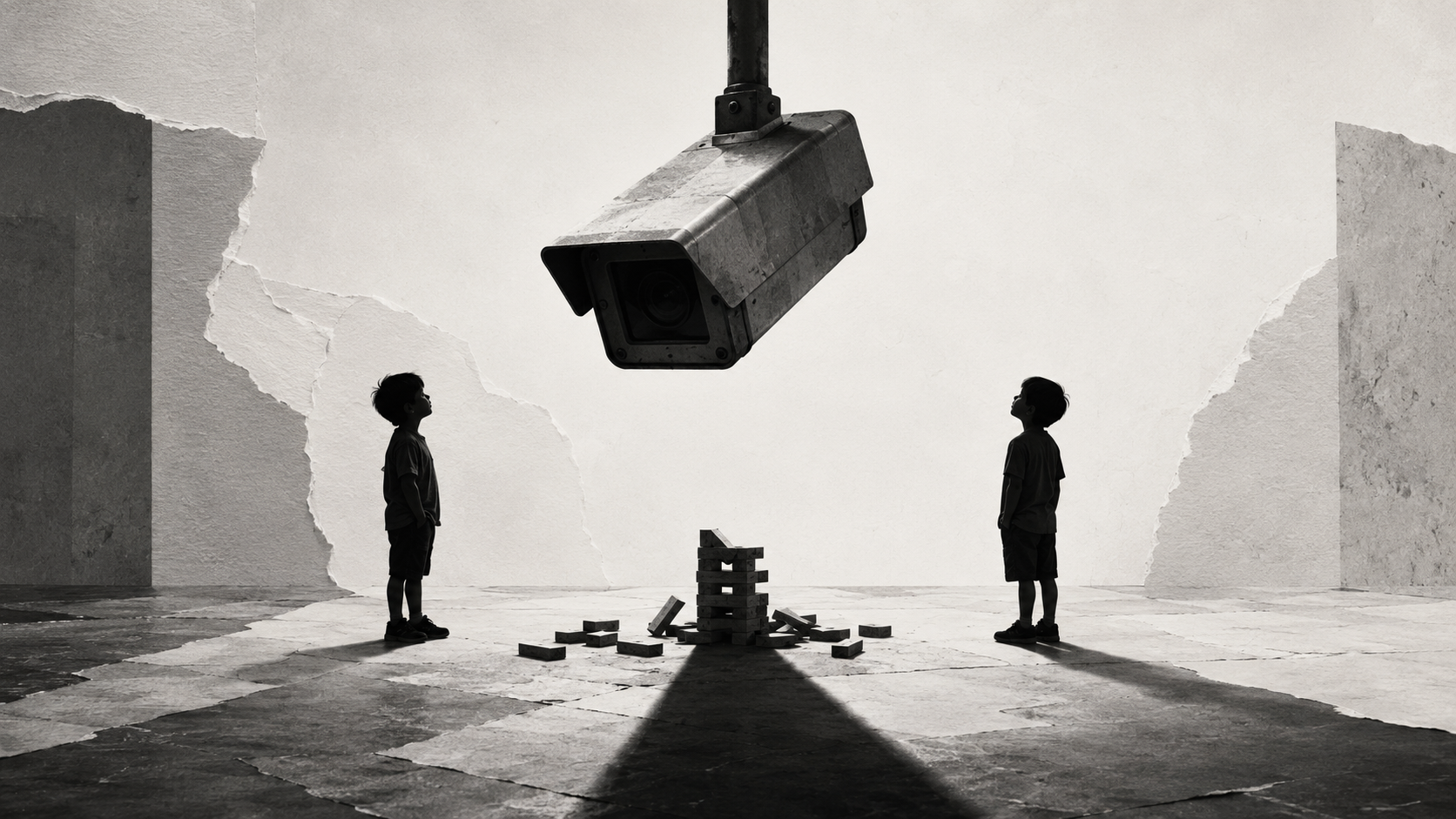
Discernment is formed through friction. Wisdom comes from trial and error. Children are shaped not by optimized responses, but by being known. The same is true of competence, of resilience, of character. They are not delivered. They are formed, and the thing that forms them is resistance: the effort, the struggle, the small failures we would rather skip.
That is the Friction Doctrine. The difficulty is not in the way of the growth. The difficulty is the growth.
The trend: the Loss of Friction
Here is the pattern I keep noticing. Every time we remove friction from our lives, we tend to increase our dependency on a non-human experience. We replace manual labor with machines. We replace conversations with messages. We replace memory with search engines. Each step promises convenience, productivity, and a brighter future. Each step also quietly shifts the human experience.
The smartphone is the clearest example. It was designed to remove friction from communication: no more missed calls, no more waiting by the kitchen phone. But when communication friction disappeared, something else disappeared with it: boundaries. And now AI is removing the largest layer of friction yet: the effort of thinking, creating, and deciding. That is the Loss of Friction, and it is accelerating.
Where the Loss of Friction shows up
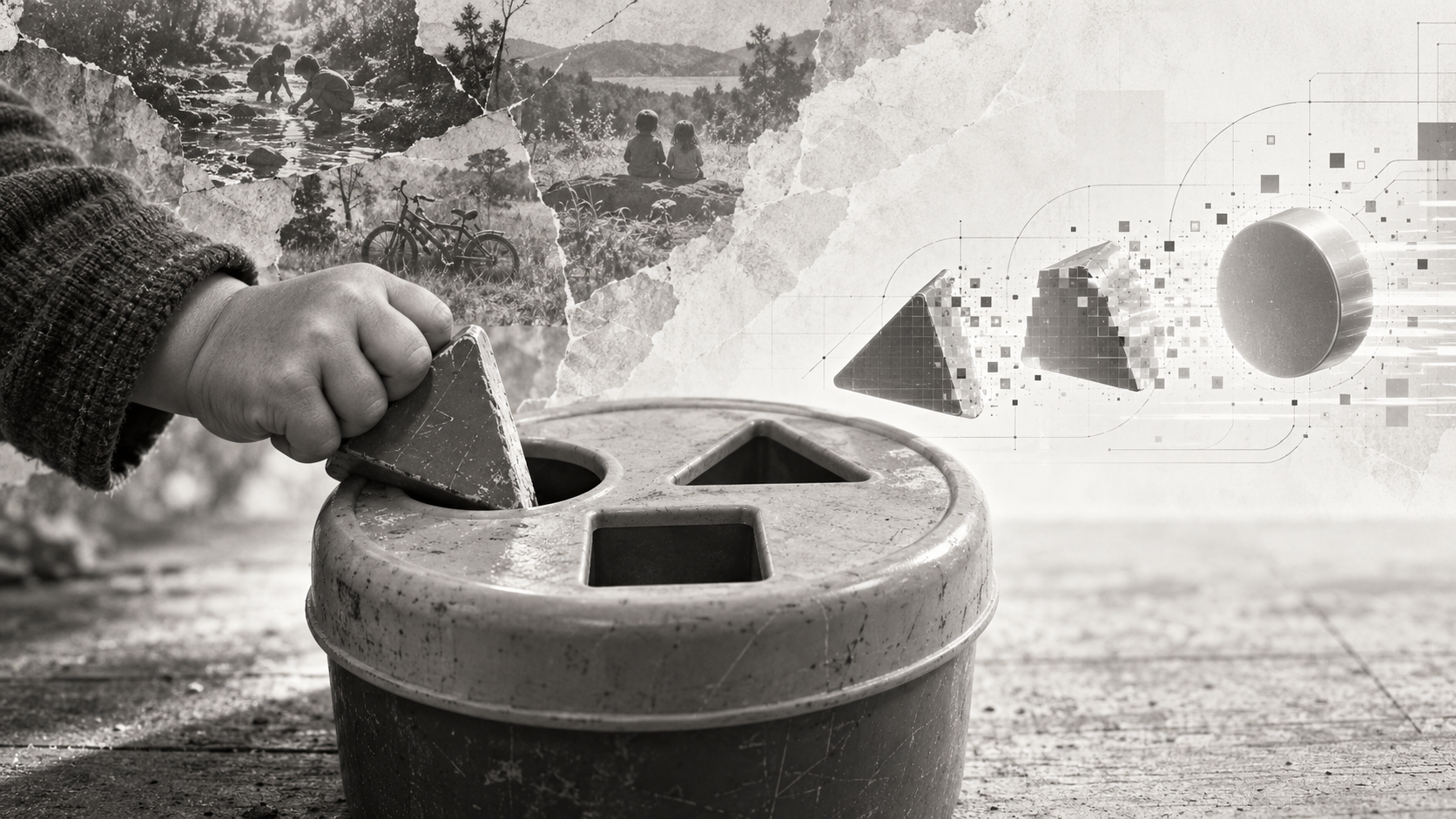
Childhood. When a generation is taught to avoid the paint entirely, they miss the very experiences that create anti-fragility. Children develop resilience through scraped knees, risky play, and low-stakes failure (Sandseter & Kennair, 2011). A 2023 review in The Journal of Pediatrics tied the decades-long decline in children's independent activity to the documented rise in anxiety, depression, and a sense of helplessness among young people (Gray, Lancy, & Bjorklund, 2023).
I've watched it play out up close. Growing up, some families I knew let their kids roam, climb trees, wade into the creek, get messy, get hurt, and recover. Others kept their kids inside, washed hands constantly, no climbing. Which kids were always sick? The overly protected ones. A healthy immune system is anti-fragile: it grows stronger through exposure, not avoidance. The same is true of a child. And the stakes compound: stealing a candy bar at age six earns a stern talk; stealing at twenty-six earns a criminal record. When we erase small childhood consequences, we unintentionally guarantee larger adult ones. There is no such thing as a fragile child. Kids learn to walk by falling. (Deeper take: There Is No Such Thing as a Fragile Child.)
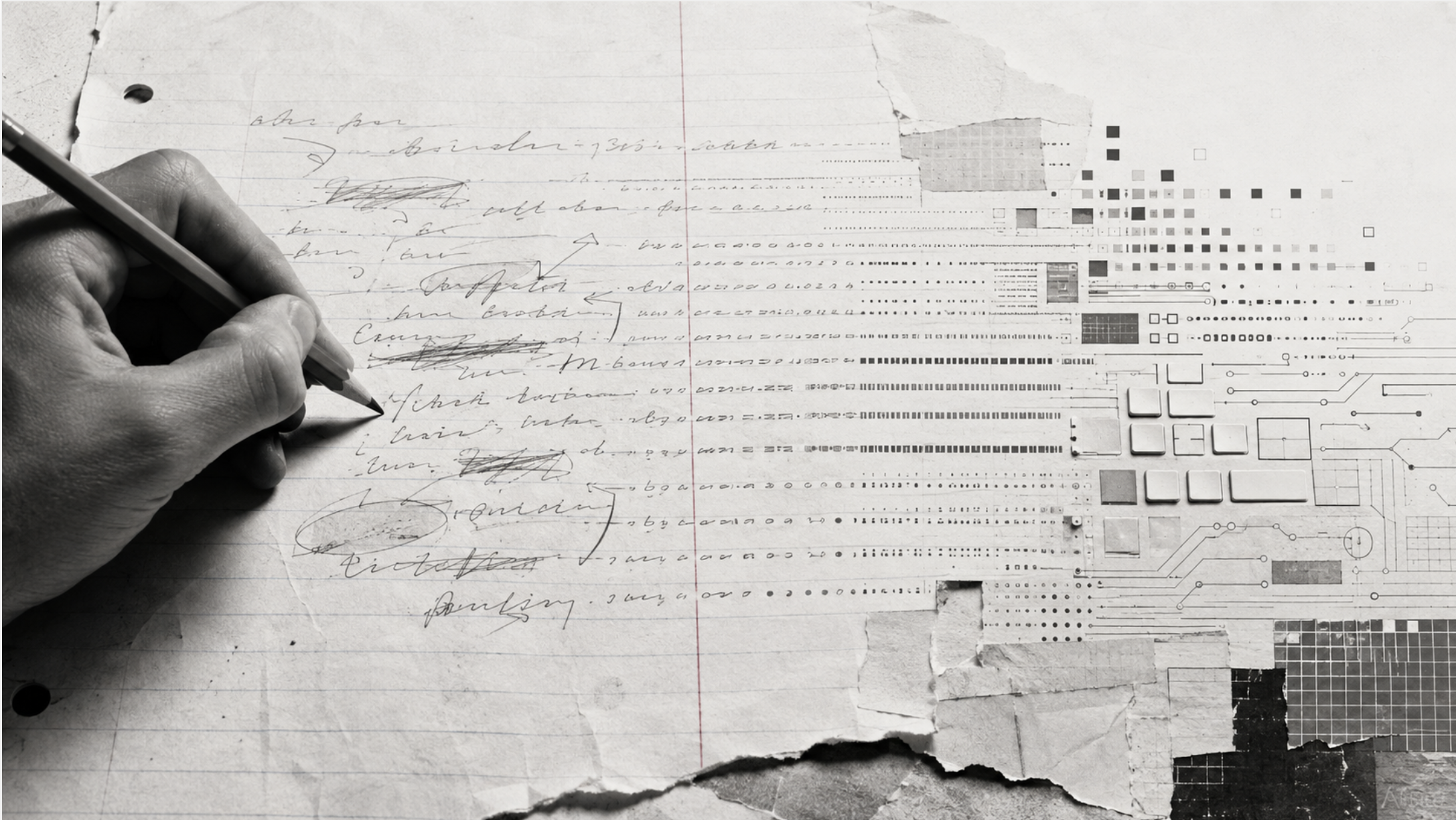
Competence. Convenience has quietly replaced competence in places we once took for granted. What used to be learned slowly, by doing the hard version until you understood how it worked, can now be produced instantly by speaking a prompt into a machine. The output arrives. The formation does not. (Deeper take: What We Lost When Life Got Easier.)
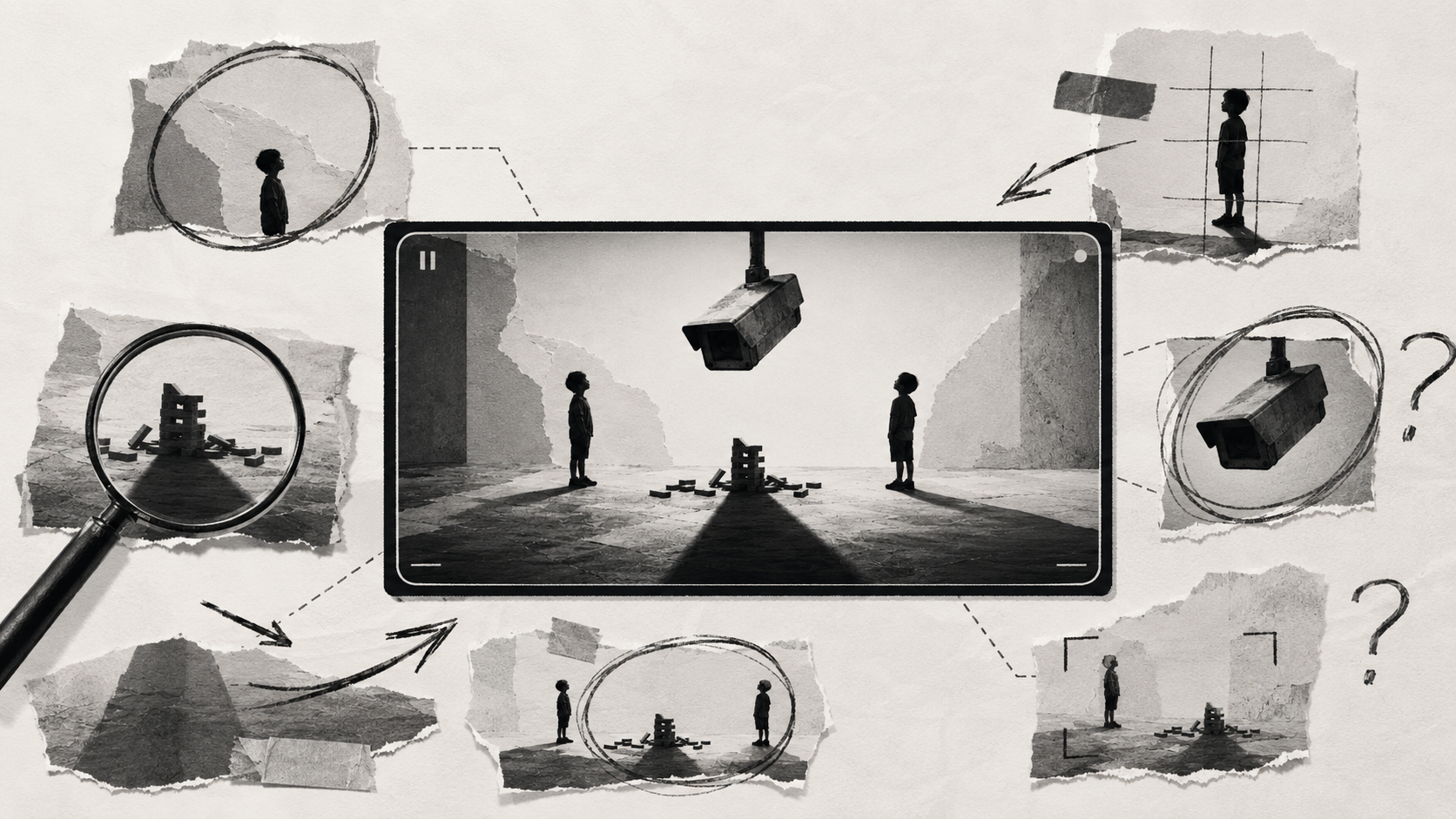
Presence. We removed friction from relationships too, and in removing it, we changed the felt distance between people. Precision tools brought grief earlier, messages replaced conversations, and being reachable everywhere made us present nowhere. Each shift made connection easier to access and quietly reshaped what it could form in us. (Deeper take: The Real Barrier in Cross-Generational Communication.)
Why the Friction Doctrine matters for leaders and parents
This is not an argument for manufacturing hardship. It is an argument for protecting the productive friction that forms people, especially now that AI makes it trivial to remove.
For leaders: don't optimize away every difficulty your people need in order to grow. The struggle you spare them is often the exact experience that would have made them capable.
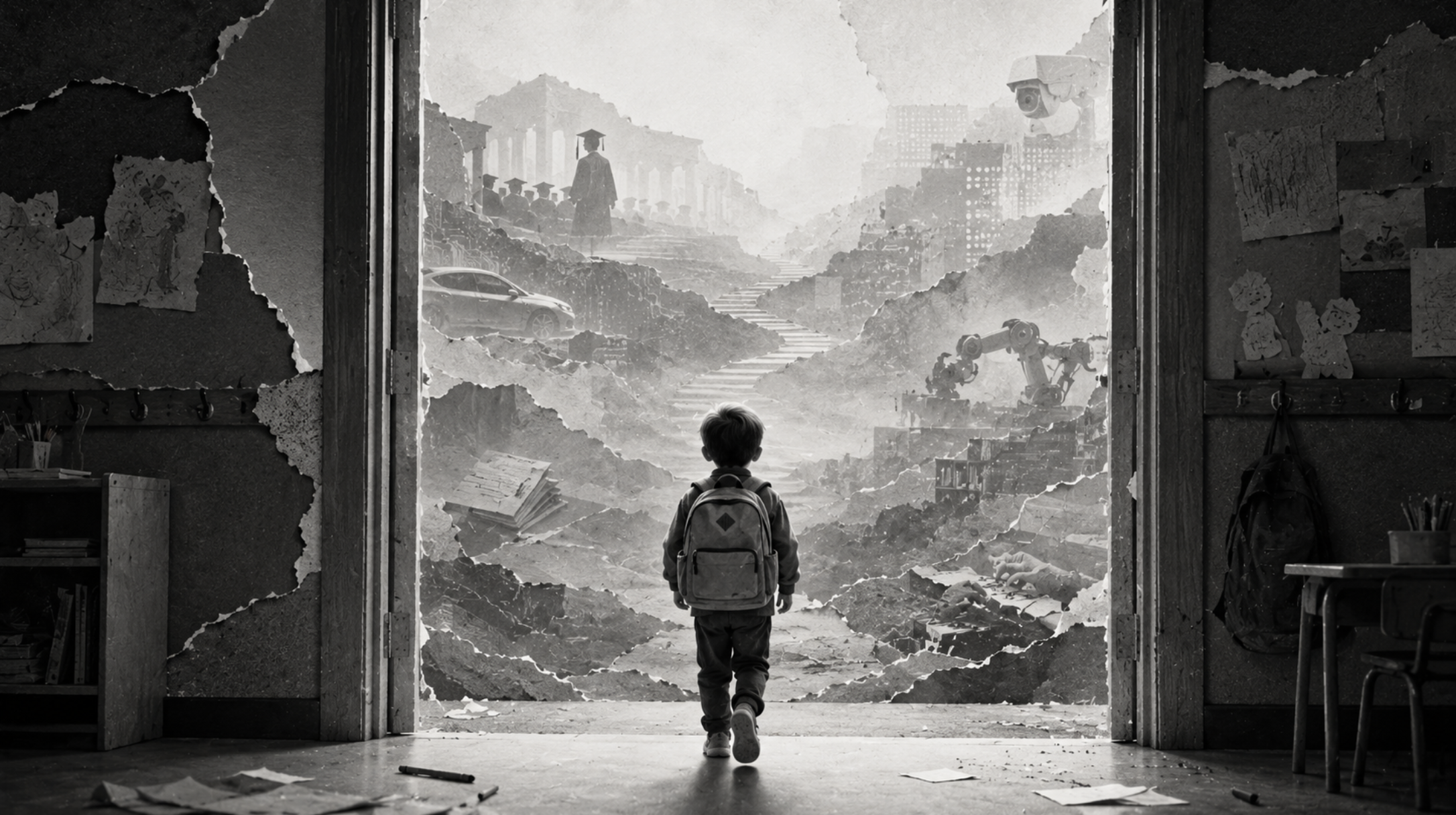
For parents: AI can offer perspective. It cannot offer presence. Let a child struggle long enough to become someone. The most countercultural thing in the decade ahead may be a willingness to leave some friction in.
And the encouraging part: the pendulum is already starting to swing back. The generation we raised most carefully is the same one now reaching, on its own, for the friction we spent two decades removing. (See the recalibration stage of The Generational Pendulum.)
Frequently asked questions about the Friction Doctrine
What is the Friction Doctrine?
The Friction Doctrine is a principle from generational futurist Ryan Vet: difficulty is a formation mechanism. Discernment, wisdom, competence, and resilience are built through friction: trial, error, effort, and struggle. When you remove the friction, you remove the formation that friction was quietly producing.
What is the Loss of Friction?
The Loss of Friction is the cultural trend the Friction Doctrine responds to: generation by generation, and now through AI, we systematically engineer difficulty out of everyday life. Each removal promises convenience and delivers it, but also carries a hidden cost in resilience, competence, and human connection.
Who created the Friction Doctrine?
Generational futurist and USA TODAY bestselling author Ryan Vet, who has developed it across his writing on childhood, technology, and formation since 2025.
Isn't this just Nassim Taleb's anti-fragility?
They're related, but not the same. Anti-fragility describes systems that grow stronger under stress. The Friction Doctrine is a formation principle applied specifically to people and generations (how discernment, competence, and character are built through friction), and it's paired with the Loss of Friction, a diagnosis of how modern culture and AI are removing that friction at scale.
Can you give an example?
Children build resilience through scraped knees and low-stakes failure. Remove all of it in the name of safety, and you don't get safer kids; you get more anxious ones (Gray et al., 2023). The friction wasn't the obstacle to their strength. It was the source of it.