A futurist’s track record
What I Predicted About the Gig Economy in 2019, and What Actually Happened
On September 11, 2019, I sat in front of a camera for a live segment on KRON 4 in San Francisco. The banner under me read “Lawmakers pass gig economy bill.” Over the next few months, reporters from USA TODAY, the Financial Times and the Epoch Times asked me the same question: what happens now? Seven years later, I went back and checked my answers against what actually happened. Most of them held. One only partly did.
- Predictions checked
- 6
- Held
- 5
- Partly held
- 1
- Outlets
- 15
- Years later
- 7
Interviewed and quoted on the gig economy, 2019–2020








The predictions
What I said about AB5, and how it turned out
A prediction is only worth something if someone goes back and checks it. Each quote below is exactly as it ran, with a link to the article, and each outcome links to its source. I’ve kept the one I only got partly right, because that’s the one worth learning from.
-
Who would pay for it
“This is not only going to affect the worker but the consumers that are benefiting from these services — it is more than a two-sided equation.”
Read the recap →What happened 2020
After Prop 22 passed, Uber said California rides would cost $0.30 to $1.50 more and deliveries $1 to $2 more. By February 2021, every major gig company had raised prices there.
Held -
How the law would play out
“Whack-a-mole: it’s trying to ... hit one problem on the head, [but] two other things pop up that might not be as favorable.”
Read the recap →What happened 2020
Within a year California passed AB 2257, adding exemptions for musicians, freelance writers, photographers and more. The exempt list reached 109 occupations.
Held -
What would happen to trucking
“You’re disrupting an industry that didn’t need disruption.”
Read the recap →What happened 2022
The U.S. Supreme Court declined the trucking industry’s challenge on June 30, 2022. Protesting truckers then shut down the Port of Oakland for five days.
Supply Chain Dive, The Oaklandside
Held -
What drivers would be giving up
“Uber and Lyft, if they do hire these people as employees, can control every action that individual takes: when they drive, where they drive, how they drive, what they drive.”
Read the recap →What happened 2020
Flexibility was the argument that won. The companies spent a record $220 million on Prop 22, which kept drivers as contractors and passed with 58% of the vote.
Held -
Whether other states would follow
“California seems to be the incubator state for new laws in new spaces, like the gig economy.”
Read the recap →What happened 2024
California’s compromise became the template. Massachusetts settled on a $32.50 hourly floor with drivers still contractors, and Minnesota passed a statewide minimum-pay law.
Held -
What would happen to the gig economy itself
“Good for the workers, but will also implode the gig economy as we know it today.”
Read the recap →What happened 2019–2024
The 2019 model ended: Vox Media cut about 200 California freelancers, Uber rewrote its driver terms, and Prop 22 created a new kind of contractor with a pay floor. But the companies didn’t collapse, and drivers are still contractors.
CNBC, Financial Times, CalMatters
Partly held
2019 to 2025
The AB5 timeline: what I said, and what happened next
-
Sept. 10–11, 2019
“More than a two-sided equation.”
The California Senate passes AB5. Within a day I’m quoted in USA TODAY and on ABC10 Sacramento, and live on KRON 4, making the case that consumers are the side nobody is counting.
USA TODAY recap → -
Sept. 18, 2019
Gov. Newsom signs AB5
-
Nov. 2019
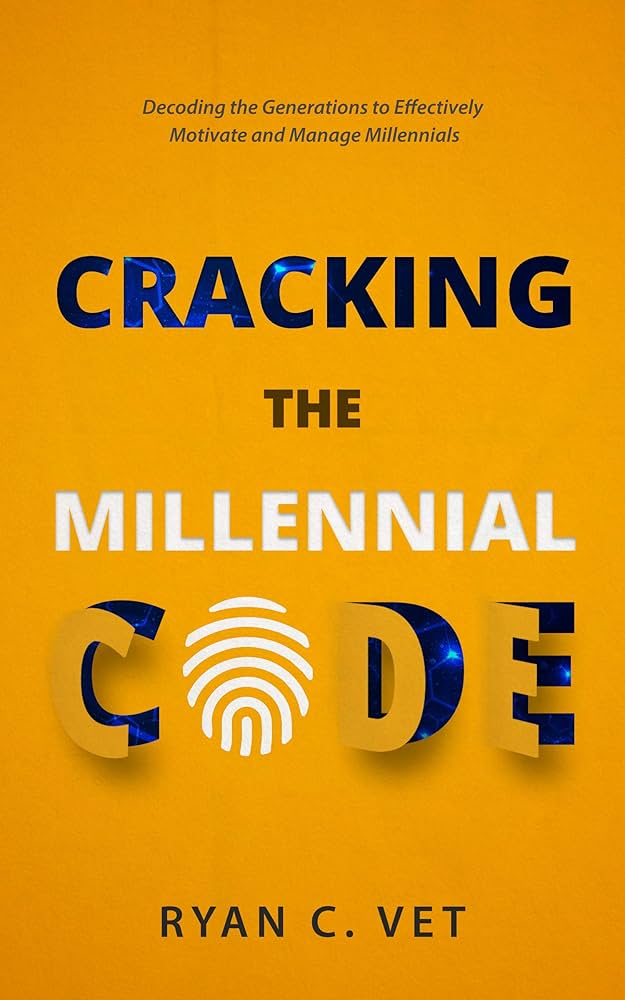
Cracking the Millennial Code is published
My book on the generation reshaping the workplace, released in the middle of the fight. It later became a USA TODAY bestseller.
About the book → -
Nov. 25, 2019
“Whack-a-mole.”
I tell the Epoch Times the law will create new problems faster than it solves the old one, starting with trucking.
Epoch Times recap → -
Dec. 16, 2019
Vox Media cuts about 200 California freelancers
SB Nation ends its California contributor contracts before the law takes effect.
CNBC → -
Jan. 1, 2020
AB5 takes effect
-
Jan. 8, 2020
“They’re feeling the pressure.”
Uber rewrites its California driver terms. I tell the Financial Times that California is the incubator state for gig-economy law.
Financial Times recap → -
Sept. 4, 2020
The exemptions pile up
AB 2257 brings the list of exempt occupations to 109.
Ogletree Deakins → -
Nov. 3, 2020
Prop 22 passes with 58%
Drivers stay contractors, with a pay floor and benefits, after a record $220 million campaign.
Ballotpedia → -
Dec. 2020
Prices go up
Uber and DoorDash add California fees to pay for driver benefits.
The Motley Fool → -
Dec. 2021
I write about the Great Resignation
For the Forbes Business Council, from the other side of it: as the owner of several wine bars trying to keep good people.
Forbes Business Council recap → -
June 30, 2022
The Supreme Court declines the trucking case
Protests shut down the Port of Oakland for five days.
The Oaklandside → -
May–June 2024
Minnesota and Massachusetts follow California
A statewide pay floor in Minnesota; a $32.50 hourly minimum in Massachusetts, with drivers still contractors.
WBUR → -
May 2025
Washington changes course
The Department of Labor stops enforcing its stricter 2024 contractor rule.
Jackson Lewis → -
Oct. 3, 2025
800,000 California rideshare drivers win the right to unionize
Still contractors, now with collective bargaining. The negotiation keeps going.
CBS San Francisco →
The work behind the predictions
What does a futurist actually do?
A futurist studies the forces already changing how people live and work, then makes specific, dated calls about where those forces lead, so leaders can act before the change is obvious. It isn’t fortune-telling. It’s pattern recognition you can check later, which is what this page is for.
How I build a forecast
- 1
Stand close to the change
In 2019 I was working in the gig economy, not watching it from a distance. Up close is where you notice pressure building before it shows up in the headlines.
My research frameworks → - 2
Count everyone at the table
The AB5 debate was framed as workers against platforms. The people paying for the rides and deliveries weren’t part of it. The side nobody is counting is usually where the surprise comes from.
“More than a two-sided equation” → - 3
Look for the pattern, not the headline
A single law is news. A law that creates two new problems for every one it solves is a pattern, and patterns repeat. So does the state that goes first.
“Whack-a-mole” → - 4
Put it on the record, then check it
A forecast only means something if it’s specific enough to be wrong. I make mine in public, like my 2026 predictions on The Ryan Vet Show, and I come back to score them.
The gig economy scorecard →
What makes a generational futurist different?
A futurist asks what’s coming. A generational futurist also asks who it’s coming for. The same shift lands differently on a 60-year-old and a 25-year-old, because each generation is reacting to how it was raised. I call that the Generational Pendulum, and it’s why so many forecasts miss: they treat everyone as the same person.
How do you know if a futurist is any good?
Ask for the track record. Vague trend lists can’t be wrong, so they can’t be right either. Look for specific calls, made on the record with dates, and see how they held up, including the misses. That’s the standard I hold my own work to, and it’s what I bring to a futurist keynote.
Why a generational futurist cares
Why AB5 was really a story about generations
“Ryan Vet, an author and expert on the gig economy.”
The Financial Times, January 2020
I wasn’t only talking about gig work that year. My book, Cracking the Millennial Code, came out in November 2019, right in the middle of the AB5 fight, and later became a USA TODAY bestseller. Radio hosts introduced me as the book’s author and then asked about AB5 in the same segment, and that made sense to me, because it was the same story.
Two expectations of work were colliding. One was built around a single employer for a long career. The other was built around choosing when, where, and for whom. That second expectation is the one I’d watched millennials bring into the workplace, often as a quieter kind of entrepreneurship than the generations before them recognized. AB5 was also an early case of what I now call the Velocity Gap: technology changing how work gets done faster than the rules around it can adapt. The same collision is happening again with AI, and I’ve argued that leaders who wait will pay for it, the way we did with social media. It will be settled the same way AB5 was, by the people who actually do the work.
Where I’ve changed my mind
In 2019 I argued gig work was simply better for millennials and Gen Z. The economics held up. What I left out was community: independent contractors lose the team, the belonging, the sense of mattering to a brand, and people without those things leave quickly. I’ve written since about how isolated the youngest generation already is, and the mentor gap facing the Class of 2026. The clearest version of the lesson I ever wrote down was about bartenders: when I owned several wine bars during the Great Resignation, I wrote for the Forbes Business Council about what walks out the door when a good one quits. Today my position is that gig work should be real independent contracting, with the rights and autonomy that status carries, not a halfway reclassification. It opened up earning access for people who had none. It’s one part of the future of work, not the whole of it.
Work with Ryan
Bring this kind of thinking to your organization
The same approach behind these predictions is what I bring to associations, leadership teams and brands: a clear read on where your workforce and your customers are heading, and what to do next.
-
Associations and conferences
A keynote that gives your members a clear, evidence-based read on where their industry and their workforce are heading, and what to do about it before the headline confirms it.
-
Corporate leadership teams
Keynotes, workshops and offsites for leaders managing five generations through AI and workplace change, built around your people and your industry.
-
Brands and consulting
Advisory work for brands and companies trying to understand what the next generation of customers and employees will expect, before it shows up in the numbers.
-
Media and producers
Expert comment on the future of work, AI and generational change, from someone whose past calls are on the record.
Keep reading
What each generation wants from work
Essays from Collide on the generations behind the future of work.




The coverage, recapped
- USA TODAY · 2019 What AB5 would cost consumers
- Financial Times · 2020 Uber rewrites its rules
- The Epoch Times · 2019 Whack-a-mole, and trucking
- ABC10 Sacramento · 2019 Fares, drivers and the ballot
- Forbes Business Council · 2021 The Great Resignation, from behind the bar
- Forbes Business Council · 2022 Three steps to solving retention
The full record
Every gig economy interview, 2019–2020
- The Role Of Digital Identity In Growing The Healthcare Services Gig Economy PYMNTS · ArticleRecap
- The Pro's and Con's of AB-5 From Gig Economy Expert Ryan Vet KFBK Sacramento · Article
- Lawmaker pass gig-economy bill KRON 4 · Article
- A defiant Uber plans to counter California's AB 5 with ballot measure ABC10 Sacramento · ArticleRecap
- California's controversial labor bill has passed. Experts forecast more worker rights, higher prices for services USA TODAY · ArticleRecap
- California Bill Could Force Uber to Turn Contractors Into Employees The New American · Article
- Rideshare Changes - Landmark Legislation on Gig Economy CBS 2 Los Angeles · Radio
- Changes coming for gig workers KRON 4 · Article
- Ryan Vet talks with Joe Concha on the Gig Economy and Boon WOR 710 New York · Radio
- Ryan Vet Joins the Show to Discuss New Gig Economy Rules! Newsmax TV · TV
- Voters Approve Rideshare Tax in San Francisco KRON 4 · Article
- Millenial Monday - Millenial Veterans, Gig Economics and Generational Wage Gap A&G Sports Hour NYC · Radio
- Law Aimed at Gig Economy Disrupts Trucking, Other Industries The Epoch Times · ArticleRecap
- Understanding the GIG Economy with Ryan Vet Newsmax TV · TV
- Changes with your gig featuring Ryan Vet The Chip Franklin Show, KGO 810 · Radio
- New Gig-Worker Rules with Ryan Vet The Chip Franklin Show, KGO 810 · Radio
- Expert Ryan Vet Explains AB5 Controversy CBS 2 Los Angeles · TV
- Uber loosens rules for drivers to escape California law Financial Times · ArticleRecap
- Ryan Vet talks the Gig Economy with Andy Caldwell The Andy Caldwell Show, KZSB 1290 · Radio
- CEO Ryan Vet talks about Boon and the gig-economy WJLA ABC7 · Article
Frequently asked questions
What did Ryan Vet predict about California’s AB5 gig-worker law?
In 2019 Ryan Vet told USA TODAY that AB5 was "more than a two-sided equation" because consumers would pay too, told ABC10 the bill could push app companies to raise prices, and told the Epoch Times it would play out like "whack-a-mole" and disrupt trucking, "an industry that didn’t need disruption." In January 2020 he told the Financial Times that "California seems to be the incubator state for new laws in new spaces, like the gig economy." Prices rose after Proposition 22, California exempted more than 100 occupations in 2020, truckers protesting AB5 shut down the Port of Oakland in 2022, and Massachusetts and Minnesota adopted California’s pay-floor compromise in 2024.
Was Ryan Vet right about AB5?
Mostly. His calls on consumer prices, a cycle of carve-outs, the damage to trucking, and California as the incubator for other states all held. His call that AB5 would "implode the gig economy as we know it today" partly held. The 2019 model ended: Vox Media cut about 200 California freelancers, Uber rebuilt its driver terms within a week of the law taking effect, and Proposition 22 created a new category of contractor with a pay floor and benefits. But the companies did not collapse, and drivers are still independent contractors.
What did Ryan Vet get wrong about the gig economy?
Two things, by his own account. "Implode" was too strong: the app-based model was restructured rather than broken, through a negotiated middle of contractor status plus minimum pay and benefits, first in California and later in Massachusetts and Minnesota. And he argued that gig work was simply better for millennials and Gen Z, which missed what independent contractors lose: a team, belonging, and the sense of mattering to a brand.
Why was Ryan Vet quoted as a gig economy expert?
He was working in the gig economy as AB5 was written and had spent years studying how millennials approach work. Newsrooms including USA TODAY, the Financial Times, the Epoch Times, ABC10, CBS2 Los Angeles, KRON 4, Newsmax, WOR and KGO booked him to explain the law in 2019 and 2020. The Financial Times described him as "an author and expert on the gig economy."
How does the gig economy connect to Ryan Vet’s work on generations?
Ryan Vet published Cracking the Millennial Code, later a USA TODAY bestseller, in November 2019, in the middle of the AB5 fight. He treats AB5 as a generational collision: an employment model built around one employer for a long career, meeting a generation that wanted to choose when, where and for whom it worked.
What does a futurist do?
A futurist studies the forces already changing how people live and work, then makes specific, dated calls about where those forces lead, so leaders can act before the change is obvious. Ryan Vet’s gig economy predictions are an example: in 2019 he made public calls about consumer prices, trucking and other states following California, all of which can be checked against what happened.
What is a generational futurist?
A generational futurist forecasts change through the lens of the generations living through it. The same shift, like gig work or AI, lands differently on a 60-year-old and a 25-year-old, because each generation is reacting to how it was raised. Ryan Vet, a generational futurist and USA TODAY bestselling author, calls this pattern the Generational Pendulum.
How can you tell if a futurist is credible?
Look for a public track record: specific predictions, made on the record with dates, that you can check against what actually happened, including the ones that were only partly right. Vague trend lists can’t be wrong, so they can’t be right either. Ryan Vet publishes his checked predictions, including the gig economy calls he made to USA TODAY, the Financial Times and the Epoch Times.
What is Ryan Vet’s position on gig work today?
He argues gig work should be real independent contracting, with the rights and autonomy that status carries, rather than a halfway reclassification. He is still bullish that it opened earning access to people who had none, but treats it as one part of the future of work, not the whole of it.