
Is the American Dream Dead or Just Different?
New studies show Generations are conflicted about what the American Dream was, is, and will be.
Read the full essayThe data behind this essay. Every figure traces to a source the essay cites. Hover any card to share it.
The Dream did not die. It moved from a shared, merit-based national project to a personalized freedom project.
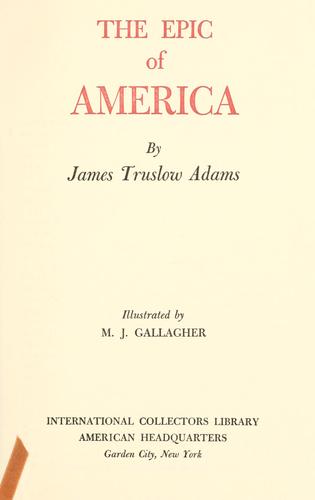
James Truslow Adams coined the term in 1931, in the depths of the Great Depression, describing a land where life should be better and richer and fuller for everyone. Ryan traces how it became statistically normal rather than aspirational. Church membership held near 70 percent of U.S. adults from the late 1930s through the 1960s. Labor productivity grew about 2.8 percent a year from 1948 to 1972 while real median family income roughly doubled. Homeownership jumped from 43.6 percent in 1940 to 61.9 percent by 1960, and the 1956 Interstate Highway Act funded about 41,000 miles of road. Television went from about 9 percent of households in 1950 to 85 to 90 percent by 1959, broadcasting the same life script night after night.
The reality check is that young adults are not actually falling behind. Real median earnings for 25 to 34 year olds now mirror Gen X at the same age, and adults under 40 held about 30 percent more total wealth in 2024 than in 2019 (Federal Reserve, 2024). Ryan pushes back on housing as the sole explanation. The median home-price-to-income ratio rose from about 3 times in 2000 to more than 6 times in 2024, but many young adults are not chasing the suburban starter home at all. They rent longer, closer to culture, or live transiently while working remotely.
The survey contradiction is the heart of it. Asked whether working hard still means you get ahead, only 27 percent of Americans say yes (ABC News/Ipsos, 2024). Asked whether the American Dream is still possible, 53 percent say yes (Pew Research Center, 2024). Asked to define it themselves, nearly 69 percent say they have achieved it or are on their way, and they lead with freedom of choice in how to live at 83 percent and a good family life at 80 percent, with only 15 percent calling wealth essential (Archbridge Institute, 2025).
Ryan's read is a shift from collectivism to individualism. Boomers could say they were building something for their kids, their family name, their country. Gen Z is more likely to say they are working so they can live how they want, where they want, and that everyone should have that same right. Less we are building America, more I am finding a place for myself in the world.
Only 27 percent of Americans say the classic formula that hard work means getting ahead still holds true (ABC News/Ipsos, 2024), while 53 percent say the American Dream is still possible (Pew Research Center, 2024). Same country, different wording, different story.
Nearly 69 percent of Americans say they have achieved the Dream or are on their way, and when defining it they lead with freedom of choice at 83 percent and a good family life at 80 percent. Only 15 percent say becoming wealthy is essential (Archbridge Institute, 2025).
Young adults are not falling behind on the data. Real median earnings for 25 to 34 year olds mirror Gen X at the same age, and adults under 40 held about 30 percent more total wealth in 2024 than in 2019 (Federal Reserve, 2024).
The postwar Dream was engineered, not imagined. Homeownership rose from 43.6 percent in 1940 to 61.9 percent by 1960, television reached 85 to 90 percent of households by 1959, and productivity grew about 2.8 percent annually from 1948 to 1972.
The core shift is from collectivism to individualism. The Dream moved from building a nation and a family name to finding your own place in a global society.
Plain-language definitions for the ideas in this episode. Structured for search and AI answers.
Coined by historian James Truslow Adams in The Epic of America (1931) to describe a land where life should be better and richer and fuller for everyone, with opportunity according to ability or achievement.
In this episode: The original definition, written during the Great Depression, before it fused with material symbols.
Ryan Vet's model of the cultural pillars that accelerate or decelerate generational momentum. Nearly every pillar was accelerating at once during the postwar decades, which is why the Dream became normal rather than aspirational.
In this episode: The lens for explaining why mid-century America was a perfect storm.
The transition Ryan identifies at the center of the Dream's redefinition, from success measured by what you build for family, community, and country to success measured by autonomy, identity, and self-direction.
In this episode: Why the Dream looks dead under one definition and alive under another.
Lines worth keeping, verbatim from the episode.
Their wealth is measured less in possessions and more in possibilities.
The Dream hasn't disappeared, it has changed shape.
Same country, different wording, different story.
Straight answers to the questions this essay raises. Open by default, structured for search and AI.
Who coined the term American Dream, and when? +
Historian James Truslow Adams coined the term in his 1931 book The Epic of America. He described a land in which life should be better and richer and fuller for everyone, with opportunity for each according to his ability or achievement. He wrote those words during the depths of the Great Depression.
Is the American Dream dead? +
It depends on the definition. Under its old definition, a collective faith that hard work reliably produces upward mobility, Americans have drifted away from it. Under its emerging definition, centered on autonomy, self-expression, and the right to choose your own path, it is very much alive. That tension is exactly why the survey data looks contradictory.
Are young adults today actually poorer than their parents? +
No, the data does not support that narrative. Real median earnings for 25 to 34 year olds now mirror those of Gen X at the same age, and adults under 40 held about 30% more total wealth in 2024 than in 2019. What has shifted is not income but what wealth and success mean to younger generations.
Why are Gen Z and Millennials delaying or skipping homeownership? +
Housing has become less affordable, with the median home-price-to-income ratio rising from about 3 times in 2000 to more than 6 times in 2024. But affordability is only part of the story. Many young Gen Z and Millennial adults are not chasing the suburban starter home their parents prized, and instead choose to rent longer in cities close to culture or live transiently while working remotely.
What is the R.E.S.P.E.C.T. framework in this essay? +
The R.E.S.P.E.C.T. framework is Ryan Vet's model of generational momentum. In the essay, he uses it to show how nearly every pillar of generational momentum accelerated during the birth of the mid-century American Dream, from shared values and productivity growth to expanding homeownership and new technology.
Full show notes
The American Dream isn’t dead. It’s been redefined. And the generation rewriting it isn’t asking permission.
Generational futurist, USA Today bestselling author, and keynote speaker Ryan Vet traces the rise, the reality check, and the reframing of the most powerful idea in modern American identity. From historian James Truslow Adams coining “the American Dream” in 1931 to the Baby Boom suburban script of cars, mortgages, and the white picket fence, to Gen Z trading possessions for possibilities and collectivism for individualism, this episode follows the arc of an idea that built a nation and the cultural shift now rewiring what success even means.
Ryan walks through the perfect storm that made the mid-century Dream feel statistically normal: postwar productivity nearly doubling, homeownership jumping from 43.6% to 61.9% between 1940 and 1960, the 1956 Interstate Highway Act funding 41,000 miles of road, television going from 9% of households in 1950 to 85% to 90% by 1959, the pill reshaping who could pursue a self-directed life starting in 1960. Then he zooms in on the present: real median earnings for 25 to 34 year olds matching Gen X at the same age, household wealth under 40 climbing about 30% from 2019 to 2024, fertility down to 1.6 children per woman, marriage ages climbing, and a generation defining wealth as flexibility, mobility, and experience instead of square footage.
And he takes on the contradictory survey data head on. Only 27% of Americans told ABC News/Ipsos in 2024 that hard work still reliably gets you ahead. Yet 53% told Pew the same year that the American Dream is still possible. And 69% told the Archbridge Institute in 2025 that they have achieved the Dream or are on their way, with freedom of choice and a good family life ranking far above wealth as the markers of having made it. Three surveys. Three different stories. One country. Ryan explains why, and what it means for anyone trying to lead, hire, sell to, or raise the next generation.
In this episode:
- Where the phrase “the American Dream” actually comes from, and why James Truslow Adams wrote it in the depths of the Great Depression
- The R.E.S.P.E.C.T. framework and how nearly every pillar of generational momentum accelerated the mid-century Dream
- Why the Baby Boom Dream wasn’t just a story Americans told themselves, it was a statistically normal outcome for a large share of the population
- The data that quietly refutes the “young people are poorer than their parents” narrative
- Why housing affordability is only part of the reason Gen Z and Millennials are delaying or skipping the suburban starter home
- How three major 2024 and 2025 surveys produce three different answers about whether the American Dream is dead, and what that contradiction reveals
- The shift from collectivism to individualism, and why that single move reframes work, family, faith, geography, and ambition
- What leaders, parents, and organizations get wrong when they assume the next generation is chasing the same Dream their grandparents were
Referenced in this episode:
- The Epic of America by James Truslow Adams (1931)
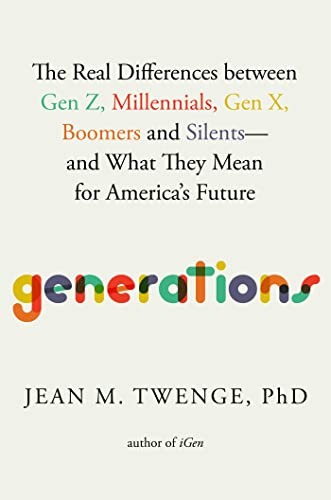
- Generations by Jean M. Twenge (2023)
- Pew Research Center, 2024 survey on the American Dream
- ABC News/Ipsos, 2024 poll on hard work and getting ahead
- Archbridge Institute, 2025 American Dream Snapshot
- Federal Reserve Distributional Financial Accounts (2024)
- COLLIDE Newsletter by Ryan Vet: ryanvet.com/collide
- Full essay version of this episode: Is the American Dream Dead or Just Different?
Subscribe to The Ryan Vet Show on Apple Podcasts, Spotify, YouTube, and wherever you get your podcasts. New COLLIDE essay episodes release every Thursday at 7am ET. Guest era episodes release Monday mornings at 6am ET. Join the COLLIDE newsletter at ryanvet.com/collide for the research, reflections, and frameworks behind every episode.
About Ryan Vet
Ryan Vet is a USA TODAY bestselling author, futurist, and international keynote speaker whose insights on generations, culture, and the future of work have been featured in Forbes, Financial Times, ABC, NBC, and CBS. His research helps leaders understand emerging generational patterns and anticipate societal shifts before they fully unfold.
Join 20,000+ Leaders for Weekly Insights
If you want deeper research and behind-the-scenes insights on generations and the future of culture and society, join Ryan’s weekly newsletter:
👉 https://ryanvet.com/collide