Most leaders open a technology conversation by asking what is about to change. On The Human Connection Podcast, Ryan Vet tells host Karl Pontau to start at the opposite end: what is not going to change as a result of the changing times?
He is not making the case against new tools, and he admits he is the last person who could. He calls himself a visionary with shiny object syndrome, the kind of leader who pivots toward anything sparkly. This episode is the story of what that cost him once. His company existed to connect people in person and deeply. The AI matching layer they rolled out made the connecting faster, and in making it faster it removed the friction that had been producing the trust. Growth went backwards. The tool worked. The business stopped.
Ryan's Big Takeaways
- 01
Start with what will not change, not with what is new.
Ryan's opening move for any leader is to invert the usual question. Executives come to him asking what new technology they need, what is wrong with the next generation, or how AI is best leveraged in their business. Those are all fine questions, he says, but they are the wrong place to start. "What is not going to change as a result of the changing times?" He repeats the line deliberately, because the answer is the thing a roadmap should be anchored to: the core business that stays fixed regardless of technology. Chase what is changing and you lose sight of why you started the journey in the first place.
The Velocity Gap → - 02
The failure story — the AI matching tool that removed the trust it was meant to build.
This is the story Karl brought Ryan on to tell. Ryan's company, then close to thirty years old, existed to connect individuals pursuing similar pathways, and the whole point was that those interactions went deeper. New technology arrived, everyone was excited, and they shipped an AI layer that matched people virtually. It worked exactly as designed. It also took away the in-person networking, and with it the trust that the matching was supposed to produce. "All of a sudden all these people had weak connections and it really hurt our growth. It actually went backwards." His diagnosis is the part worth borrowing: in removing friction to make connection easier and faster, they removed the necessary element of trust, and the technology never solved the problem the company had been created to solve.
The Friction Doctrine → - 03
Chase the trend and you forfeit the chance to set one.
"If you're always chasing the trend, you're not ever going to set the trend." Ryan is not arguing against new or trendy things; he is pointing out that permanent chasing makes you a follower, permanently occupied with what everyone else is doing instead of where you could get out ahead. His counterexample is Steve Jobs, who, per Walter Isaacson's biography, designed the form of the laptop first and handed it to engineering to fit the battery, chips, and screen inside — and who moved the entire conversation off RAM and processing speed and onto what the thing let you do. It took the rest of the computing and phone world well over a decade to catch up. Karl's parallel from the other direction is IKEA, which used its AI bot as a reason to upskill roughly 8,500 call-centre employees into remote interior design advisors rather than cut them, and grew a new revenue channel out of it.
- 04
Do not open the cereal box from the bottom.
Ryan's image for shiny object syndrome comes from childhood. A box of Lucky Charms used to come with a little Hot Wheels car inside, and there were two ways to get it. You could eat the whole box, or you could flip it over, since the car was heaviest and had settled to the bottom, and open it upside down to have the prize sitting right on top. When a new technology or trend appears, he says, most of us open the box from the bottom. We take the reward without the part that produced it. Sometimes the valuable thing is eating through every piece — not just the marshmallows — so that you have the full picture, and the car is what you get at the end.
The Story Ryan Told
Ryan's oldest son, three or four at the time, would not go to bed. Knowing the boy was competitive, Ryan challenged him to a race up the stairs. The whole way up, his son kept looking back over his shoulder to see where his father was. Ryan ran straight past him and was sitting on the edge of the bed by the time the boy huffed into the room, upset, demanding to know why he had lost.
"Well, first of all, because I'm bigger, faster, stronger, I'm going to win," Ryan told him. "But the real reason I won was because you were so busy looking over your shoulder at where I was that you're not focused on the mission and where you were going."
That, he says, is the lesson business leaders need to resurrect. Not a six-figure consulting engagement to define a mission statement, just an honest answer to a plain question: what is the problem you fundamentally solve? Chick-fil-A makes the best chicken sandwich. Say Dave Ramsey's name and you think about debt. Whatever yours is — the best cup of coffee in town, the easiest search engine, the most efficient software in its category — you already know it. Do not leave it, do not get distracted from it, and then ask of every new thing on the table whether it makes that better or worse.
Standout Quotes
What is not going to change as a result of the changing times?
If you're always chasing the trend, you're not ever going to set the trend.
That whole necessary element of trust, which is so important to relationships, was completely eliminated and removed.
All of a sudden all these people had weak connections and it really hurt our growth. It actually went backwards.
You were so busy looking over your shoulder at where I was that you're not focused on the mission and where you were going.
Whatever it is that you do, you know what the problem is that you fundamentally solve. So don't leave it.
Drag, swipe, or use the arrows to explore
Frequently Asked Questions
What question does Ryan Vet think leaders should ask before adopting new technology?
Not "what new technology do I need," but "what is not going to change as a result of the changing times?" On The Human Connection Podcast, Ryan argues the questions about AI, new tools, and the next generation are all worth asking, just not first. The fixed core of the business — the problem you fundamentally solve — is what a technology decision should be measured against, and leaders who start with what is changing lose sight of why they started in the first place.
What happened when Ryan Vet's company implemented AI matching?
The company existed to connect people in person and to make those relationships go deeper. The AI layer matched people virtually, which made networking faster but eliminated the in-person interaction that had been generating trust. Members ended up with weak connections, and growth went backwards. Ryan's summary is that the technology let them go faster but stopped solving the problem the company had been created to solve almost thirty years earlier.
What is shiny object syndrome, and how does Ryan Vet describe it?
It is the reflex to pivot toward any new, exciting thing, and Ryan freely admits he has it. His image for it is the Lucky Charms box with a Hot Wheels car inside: you can eat the whole box, or you can flip it over and open it from the bottom so the prize is sitting right on top. Chasing a trend is opening the box from the bottom — you take the reward without the part that produced it.
What does Ryan Vet say about trend-chasing versus trend-setting?
"If you're always chasing the trend, you're not ever going to set the trend." Using new tools is fine; permanent chasing is the problem, because it keeps a leader focused on what everyone else is doing instead of where they could get out ahead. He points to Steve Jobs designing the form of the machine first and shifting the entire conversation away from specs, which took the rest of the industry more than a decade to follow.
Frameworks & Ideas Referenced
- The Friction Doctrine implied : The AI matching story is the doctrine in miniature — removing the friction removed the trust the friction was producing.
- The Velocity Gap implied : Technology moving faster than our understanding of what it costs, which is why "what will not change" is the safer anchor.
Books, People & Sources Mentioned
- Will Guidara, Unreasonable Hospitality : Mapping every single touchpoint of the guest journey first, then deciding where technology or people can improve it.
- Walter Isaacson, Steve Jobs : Jobs designing the form of the machine first and handing engineering the job of fitting the components inside it.
- IKEA's reskilling of 8,500 call-centre employees : Karl's example of an AI rollout used to upskill a workforce into remote design advisors instead of replacing it.
- Jeff Bezos and Amazon : The AWS-conference answer Ryan returns to: customers will always want products cheaper, faster, and more conveniently, whether that is delivered by people, robots, drones, or AI.
- Ryan's Collide essay: When Frequency Equals Trust : The mechanics of how trust actually accumulates between people, and why speed is not the variable.
Keep Exploring
-
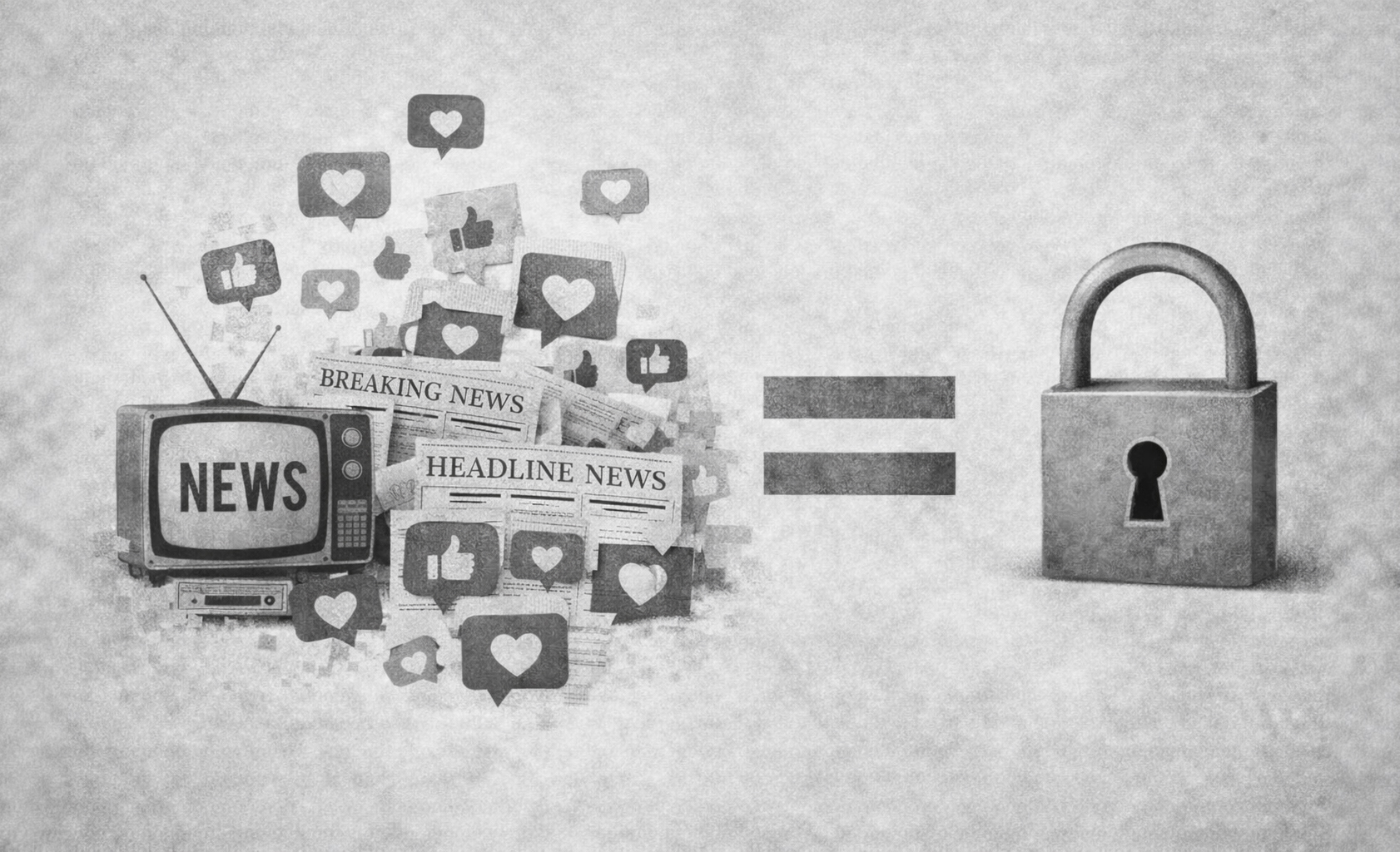 Collide essay When Frequency Equals Trust Understanding the Communication Patterns of Gen Z and Why Gen Z Trusts What It Hears Most… Explore →
 -
 Collide essay The Velocity Gap: Gen Z's contradiction with AI When you eliminate friction, you get caught balancing moral conviction over drive. Explore →
 -
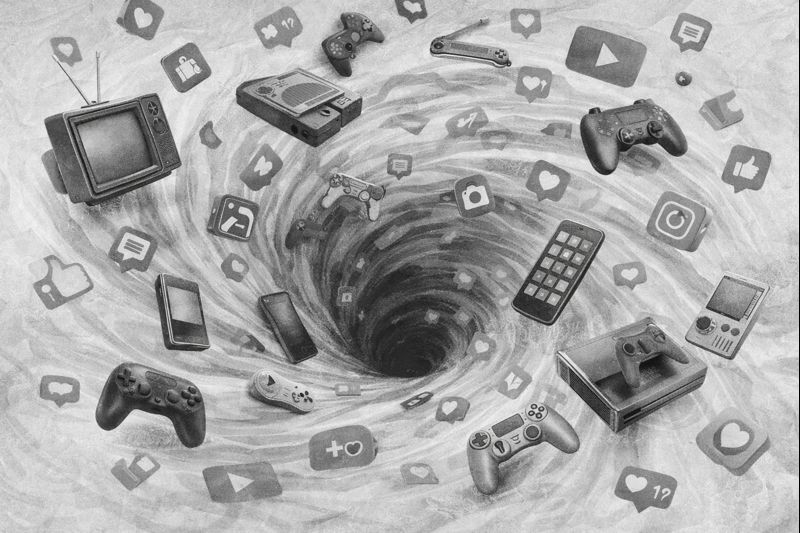 Collide essay The Cost of Waiting: how social media exposed our blind spot about AI While Australia pursues phone bans, others wait. We hesitated with smartphones and social platforms. AI won’t give us decades to recalibrate. Explore →
 -
 Podcast episode We've never been more alone: why the most connected generation is the loneliest in history We are the most digitally connected society in human history. We are also, by every measure, the loneliest. The U.S. Surgeon General compared loneliness to smoking 15 cigarettes a day. Explore →
 -
 Podcast episode Just check the camera, Dad: surveillance, the Friction Doctrine, and the trust we trade away "Just check the camera, Dad." When Ryan Vet's young son tried to settle a sibling fight with security footage, it exposed how quietly surveillance has replaced trust in our homes, schools, and… Explore →
 -
 Podcast episode The real barrier in cross-generational communication: why trust, not style, is what's really broken Poor communication costs U.S. businesses $1.2 trillion annually, but what if the deepest barrier across generations isn't how we talk, but whether we trust the person talking? Explore →
 -
 Appearance Ryan Vet on A Geek Leader: AI, cognitive erosion, and what won't change Generational futurist Ryan Vet joins the A Geek Leader Podcast to unpack what AI will not change, the cognitive erosion already underway, and the seven forces moving the generational pendulum. Explore →
 -
 Appearance Ryan Vet on Business Breakthroughs: future-proofing your business in the AI era Generational futurist Ryan Vet on Business Breakthroughs with Vincent Hovorka: stop asking what AI will change and ask what won't, why the human experience is getting more valuable, and why chasing money is the fastest way to lose a business. Explore →
 -
 Appearance Ryan Vet on Workforce Alchemist: generational change, AI, and workplace friction Generational futurist Ryan Vet on the Workforce Alchemist show: the generational pendulum, why leaders fear the young workers who just want to be led, and why removing friction quietly erodes a team's ability to think. Explore →
 - framework The Friction Doctrine Explore →
- framework The Velocity Gap Explore →
- speaking Keynote: AI and the future of work Explore →
Ryan writes one free essay a week. It's called Collide.
How generations are reshaping work and home. Practical, research-backed, and delivered weekly. Read it at RyanVet.com/collide.
Links from this conversation
Full Transcript
The complete conversation between Karl Pontau and Ryan Vet, transcribed in full. Key terms link to the ideas behind them.
Your business's success depends on relationships. Relationships with customers, relationships with employees, and relationships with stakeholders. What do they all have in common? They're all human. Because no matter if your business is B2B or B2C, it's really H2H, human to human. Welcome to The Human Connection Podcast. I'm your host, Karl Pontau. Each week I bring you stories, insights, and practical advice from experts that you can apply to your growing company and daily life. This week I'm excited to connect with Ryan Vet. He is a USA Today best-selling author, entrepreneur, and generational futurist who helps leaders stay relevant in a rapidly changing world. He's delivered over a thousand presentations across four continents, led companies from startup to hundreds of millions in valuation, and now studies how generational shifts shape leadership, culture, and the future of work. Congrats on helping leaders stay relevant in a rapidly changing world, and welcome to The Human Connection Podcast.
Thanks so much, Karl. Excited to be here.
I'm really excited to have you on the show, because one of the things I think you're a perfect person to talk about is how easy it is to get swept up in all the changes and new things going on in the world as a leader, and trying to keep track of those is almost impossible. So what are some of the wrong questions that leaders get stuck asking when they're looking at how to move their companies forward?
That's a great question. If you look at my personality type and me as a leader, as I've led teams of all sizes, I'm a visionary. I like the big ideas. I like to dream for the future, and I also have shiny object syndrome. Any new thing that's sparkly and exciting, I will immediately pivot and try to implement it, and that's just been a big part of who I am as an individual and my personality. Over the past several years, as I've shifted out of operational day-to-day leadership after an exit event and really have turned to helping other leaders who are operating on a day-to-day basis, one of the things I keep seeing is they're asking, hey, what new technology do I need to implement, or what's wrong with the next generation, or how is AI best leveraged in my business? Those questions are all okay to ask. We need to ask those as leaders. But I think they're not the right question to start with. I think the right question to start with is, what is not going to change as a result of the changing times? I'll say that again. What is not going to change as a result of the changing times?
Because when we get into business — and your podcast name and even your intro was so perfect — we have always interacted in human interactions. That is how we exist as human beings. We were designed to be in community with one another, to interact with one another. And yes, we can use technology and efficiencies to streamline those processes. But if we keep asking what's going to change, we lose sight of why we started out on the journey in the first place. And that's what's not going to change. What is the core business that regardless of technology, regardless of changes, this is the one thing that I'm doing and will do basically no matter what happens?
Yeah, because I think when you get distracted by all the new changes and the shiny objects, like you put it, you lose track of the thing that got you where you are — the core business principles, or the experience for the customers or clients, or the quality of the product or service. And when you start making concessions in search of something new and shiny, you realize that the foundation you're trying to build on top of is now eroded, because you're no longer delivering the expected results that your customers or clients originally started working with you for. So it's easy to see how those distractions undercut the success that you think you're going to get by focusing on them.
Exactly. And I think a lot of people will say, even in technology businesses or more modern businesses, they start to pivot and say, oh, we don't need to ask the way it's always been done, because we're innovative, we're changing. But even if you think of a software company, a software company is streamlining a process. Look at social media. They were trying to connect people. That was their core goal. Make it easier to communicate, easier to connect, easier to share photos. So yes, as technology advances and as artificial intelligence continues to become more cost-effective and easier to implement, and more people are comfortable with it while also a growing cohort are uncomfortable with it, you have to stop asking, hey, what's the new thing that we need to jump on? But how can these new things benefit what we've already been doing?
Yeah, because especially these days with how unstable and uncertain things are, if you're trying to keep the customers you have and attract more of the ones you want, offering something that gives some of that sense of stability and reliability and builds a loyal community around the brand of your business — that is a lot more appealing than you think, compared to all the messages of new shiny, new shiny. But then they don't really last, because everyone who's interested in those things keeps moving on to the next shiny thing and doesn't really get the full sense of community or connection. They're kind of left empty, because there's just that anticipation loop that we're all kind of stuck in, and it's kind of manipulative and always leaves a bad taste in your mouth in a way. You aren't actually getting what you think you're getting from that, or what you really need from a base human psychological safety level. And when people actually do finally find something that provides what they've been missing and they're not getting from constantly chasing the hype, then you'll find that your business is a lot better off and a lot stronger, because you're actually delivering something of value, not just hyped up.
Yeah, you're exactly correct. And I think that's the key: what is the value that we're providing? I'll share a story of a failure I've had — one of many, but I'll just share one. I was distracted by shiny object syndrome. We had some new technology available to us, and I've been in the AI space in one form, shape, or another for well over a decade, almost two decades now, long before it became a household term in the early 2020s. And we implemented this new technology. Everyone was so excited about it.
And yet our core business at that point was connecting humans and making sure that human interactions were more robust and went deeper. That was the whole gist of our organization, to connect individuals pursuing similar pathways. And we implemented this AI technology that effectively matched people virtually, but it took away the whole in-person networking. It took away the whole connection that built trust and everything else. So all of a sudden all these people had weak connections and it really hurt our growth. It actually went backwards, because people wanted that real communication, that real interaction, that real human connection. And when we removed that with technology — trying to remove friction, trying to make it easier, trying to make it faster — that whole necessary element of trust, which is so important to relationships, was completely eliminated and removed. Which is why, you know, technology was great, it did allow us to go faster, but it didn't actually solve the problem that we were created to solve almost 30 years ago when that company first started.
Yeah, that's a great example of, I think, also what happened with social media. The idea is always to be able to connect with people across distances, but now there's less connection, less of a community, because the tools that made it easier and faster and more streamlined removed the quality, removed the depth of the connection, and removed the humanity from it. And so it makes a lot of sense that you had that result, because part of what makes it valuable, just from a psychological standpoint, is the effort required to build it. If it only takes you a few clicks, or you're automatically matched with someone, you don't necessarily value it as much as if you know that you had to work for it, or that you made the investment to go to an event and meet someone in person, or you had to reach out and write them messages. If it's all streamlined and automated, then the whole experience is cheapened in both people's minds. So it's a weird aspect of human nature where we want things to be quicker and faster and easier, but when they are, we value them less, and the experience isn't as rewarding. So you've got to find that balance point where it's not too difficult that people won't do it or can't do it, but it's not so easy that they don't value it. And I think it's definitely more on the side of people focusing a little too much on the quick and easy, but then they realize that they undercut the value, and now there's this lack of caring and empathy and a lack of connection, because the value of relationships isn't there anymore.
You're exactly right. I think Will Guidara, to put it in a practical standpoint, does this so well with his book Unreasonable Hospitality. If you've ever heard him speak or be interviewed, he talks about how he would make everyone write every single touch of the customer journey. And the whole idea was, what is that thing that we can do to provide hospitality to the next level — unreasonable hospitality? He would make his team write these things, and I believe — I might be fabricating part of this — but I think he said he made them write over a thousand customer interactions, or guest interactions, just to get down to what are those things that we can improve. And so he did it right. What are those things that are core to our business and providing that hospitality, and then where can we apply technology or team members or other things to that core business mission to make it better?
And I think a lot of times, if you're like me, when I had Lucky Charms as a kid, it always had a little Hot Wheels car in it. And there were two ways you could get that Hot Wheels car. One, you could eat all the Lucky Charms. Or the other way, that was always more interesting to me, was you could flip the Lucky Charms box upside down, because the car was the heaviest and would fall to the bottom. If you opened it from the bottom, the car would be sitting there on top. And I think a lot of us, when we see that shiny new technology or trend or whatever it might be, we open the cereal box from the bottom so that we get the car. But sometimes the thing that is most valuable is eating through every piece of those Lucky Charms — including not just the marshmallows, but the other part — so that you have the full picture, and then at the end your reward is the car. And I think we sometimes do that backwards.
Yeah, that's a great anecdote, because the toy at the bottom, flipping the box — it always felt like such an amazing hack when you realized, oh my gosh, I'm so clever, I figured out I can open the bottom of the box and I get the toy right away. But then, like you said, you don't care about it as much, because you don't have to put the effort in of eating all the cereal, and there's not even that anticipation building up of getting close to the bottom. There's a sense of accomplishing a task, and putting the work in, and we get a reward from actually doing actual effort and seeing the result. And I love that example of having your team write down all the touchpoints of a customer experience. I can see in hospitality it's really valuable, because there are so many little tiny experiences that people go through when they're visiting a hotel or something like that. I think for any business, understanding and putting in the time to understand their clients' experience, and being more strategic about how they implement technology — not just what a lot of companies have done lately with AI, which is trying to slap it in wherever they can. If your goal is just to slap it in because it's trend-chasing and it's hyped and you want to get on that hype train, then yeah, it's going to likely backfire. But when it's strategic and it's thought about — how does this enhance the value we're delivering to our clients, the result we don't want to change?
IKEA had a great story a few weeks ago. There were something like 8,500 employees who were doing this job, and instead of replacing them with AI, they upskilled them all to basically make them all interior decorators. So they're able to be a lot more productive and have an amazing output from this team without letting anyone go. They upskilled their jobs to deliver more value than they were before. And so it was this amazing impact that the tool had, because it wasn't just slapped on. It wasn't an excuse to let a bunch of people go and try to replace them. It was, we're trying to get this result — how can we implement this tool in a thoughtful way that will magnify the result we don't want to change? We just wanted to improve the result instead of change what we're doing. And so I think that's a good example of what you're talking about, about how when it's implemented strategically and it understands the experience of what you're really trying to accomplish, then you actually can get great results with these tools. But if you're just trend-chasing, or shiny object syndrome, it's rarely ever going to work.
Yeah, if you're always chasing the trend, you're not ever going to set the trend. And I think that's really, really important. It doesn't mean you can't use new things or trendy things, but if you're always chasing a trend, that means you're a follower, and you're only thinking about what other people are doing. You're not thinking about where you can get out ahead and lead. And I think that's just one of the risks of someone who does have shiny object syndrome like me. It's natural, you're naturally inclined to the cool new fun toy, or opening the box from the bottom up. But if you really want to make a difference, you look at Steve Jobs. The story in Walter Isaacson's biography on him says that he created the form of the MacBook Pro and then gave it to his engineering team and said, make the battery and the chips and the screen fit inside of this. He just did it backwards, to have high quality. And he made it a lifestyle. It was no longer about the RAM, processing speed, storage, resolution, all of this. It was, you have a screen so vibrant you can see X, Y, and Z. You have a computer so fast you can do this many songs in this amount of time, or edit this many videos. It just changed the whole concept, and it took well over a decade for everyone else in the computing and phone world to figure that out.
Yeah, and it's unfortunate how they seem to have forgotten that. But I think the idea of having that understanding of the people and the experience and the humans behind the products, or the customers, is the real value there. Especially when it comes to unboxing and the whole experience, even just opening up a package. So many times I have to feel like I'm getting a hacksaw, a chainsaw, to get some packages open. But I remember every time I've opened the old iPhones in the past, it was almost like a euphoric experience, because of the way the box opened and peeling off the packaging was so satisfying. And that was part of the design. It's something that, again, they probably wrote down all those steps of the client experience like the hospitality guy did — what are all the steps they go through? How do you make it more than just a checkbox to get to the thing they want? How do you make the thing they want the actual experience of opening the phone, not just the phone itself?
Yeah. It's brilliant. It's absolutely brilliant. I love their packaging and love everything that they do.
And so for someone who's listening and goes, okay, we need to start changing the way we're doing things, what is the first step you recommend people take to get away from the shiny object syndrome and really implement what we've been talking about today?
Yeah. There was a long time when we went from leadership books in the '80s and '90s, talking about all these leadership techniques, and we kind of moved toward these management books, more practical, tactical tips to do this in your business. And somewhere in all of that, the idea of a mission and a vision became defined so many different ways and became almost cliché, so that I think a lot of people have stepped away from it. But my question is, where are you going in your business? Where are you going? And what is your main goal? Why do you exist as a business?
I use the example a lot — my oldest son years ago would not go to bed, which is typical with kids when they're being insubordinate. And so I challenged him to a race, because competition — I don't know where he gets his competitiveness from — but he wanted to compete. And so I started racing him up the stairs, and the whole time he's going up the stairs he keeps looking back over his shoulder. And so I used this as an opportunity to win the race, and I ran right past him and sat on the edge of his bed. And he huffs and puffs into the room and he's all upset. He's three or four at the time, and he's like, why did you win? I was like, well, first of all, because I'm bigger, faster, stronger, I'm going to win. But I said the real reason I won was because you were so busy looking over your shoulder at where I was that you're not focused on the mission and where you were going.
And I think that's just a lesson that we need to learn as business leaders. We need to resurrect that and say, hey, what is the vision and mission? And we don't need to spend hundreds of thousands of dollars on consultants — sorry to all my consultant friends that do that — trying to figure out what is that exact thing. But at the core, what is it? Are you Chick-fil-A, making the best chicken sandwich? Are you Apple, trying to make minimalistic computers and change lifestyles? Or even more simple, are you Seth Godin, who's trying to be the marketing guru? Or Dave Ramsey — when I say his name, you're thinking of debt or money. There are certain people where you know the problem that they solve immediately. And do you know what that is for your business? Whether that's the best cup of coffee at the local coffee shop, or the easiest search engine to use, or the most efficient software for this category. Whatever it is that you do, you know what the problem is that you fundamentally solve. So don't leave it. Don't get distracted from it, and then say, okay, is what I'm doing today going to make that better or worse?
I think Jeff Bezos said it best at an AWS conference years ago. He said, I know that what's not going to change is people wanting products cheaper and faster and more conveniently, and access to a whole wide range of products. So whether AI is doing that, robots, drones, or anything else, that's not changing, and it's never changed since the day that they were in their shoebox of an office that you can see the handwritten amazon.com sign in, in the late '90s. So I think that's what we have to get back to as business leaders.
Awesome. Well, thank you so much for connecting with me today, Ryan. If you enjoyed this episode of The Human Connection Podcast, please like, leave a comment, and subscribe. If you want to connect with myself or Ryan, check out the links in the show notes. And remember, no matter if your business is B2B or B2C, it's really H2H, human to human. Happy connecting.
Lightly edited from the episode's automated captions for readability.