Cracking the Millennial Code appeared on the USA TODAY bestseller list on September 2, 2026. The book was first published in November 2019.
Seven years is a long lag. It is also the point.
It is the second of Ryan's books to reach the list. Speak Goodr, on professional speaking, did so in January 2025.
Listed on the USA TODAY best-selling booklist, September 2, 2026
The Story Ryan Told
I had not opened my own book in more than half a decade. When I finally did, I braced for the parts that would embarrass me. I found some. The labels are cleaner on the page than they are in life, and I was more certain in 2019 than the evidence deserved.
What I did not expect was how familiar the complaints sounded.
Entitled. Impatient. Unrealistic about money. Convinced the work should mean something. Every one of those had been said before, about a different cohort, by someone older and reasonably sure they were right.
Millennials became the largest generation in the American workforce in 2016 (Pew Research Center, 2018). Today they run the meetings and sign the paychecks. The complaints did not retire when they took over. They moved down one generation and got a new name.
The book has not changed. The people reading it have.
Ryan's Big Takeaways
- 01
The pendulum does not stop in the middle.
Each generation overcorrects for what the one before it got wrong, then hands that overcorrection to its children as a starting condition. Nobody chooses the swing. Everyone inherits it.
The Generational Pendulum → - 02
Age and moment explain more than the label.
Most of what gets blamed on a generation is a person being twenty-four during a particular decade. The label is a shortcut, and shortcuts are where leaders get lost.
The Generational Prism → - 03
The anxiety was never really about millennials.
It was about change arriving faster than the capacity to absorb it. Which is why the same objection now attaches to something that has no birth year at all.
The Velocity Gap →
Standout Quotes
The complaints did not retire when millennials took over. They moved down one generation and got a new name.
Every generation overcorrects for the failures of the one before it. The pendulum never stops in the middle.
Most of what gets blamed on a generation is a person being twenty-four during a particular decade.
Listen to how people talk about AI adoption and you will hear the 2019 conversation almost word for word. The subject changed. The objection did not.
Drag, swipe, or use the arrows to explore
Where This Goes Next
The book was about one cohort. The pattern is not.
-
The argument in the book, built for a room:
Cracking the Millennial Code → -
The same question one generation on. Gen Z is already getting the treatment millennials got, and Gen Alpha is next in line:
From Z to Alpha → -
And the version with no birth year. Listen to how people talk about AI adoption and you will hear the 2019 conversation almost word for word. Not "this is wrong," but "this is not how we did it." The subject changed. The objection did not:
From Human Hesitation to AI Acceleration → - Read the book →
Frameworks & Ideas Referenced
- The Generational Pendulum
- The Generational Prism : Age, moment, label.
- The Velocity Gap : Generational capability outpacing generational wisdom.
Keep Exploring
-
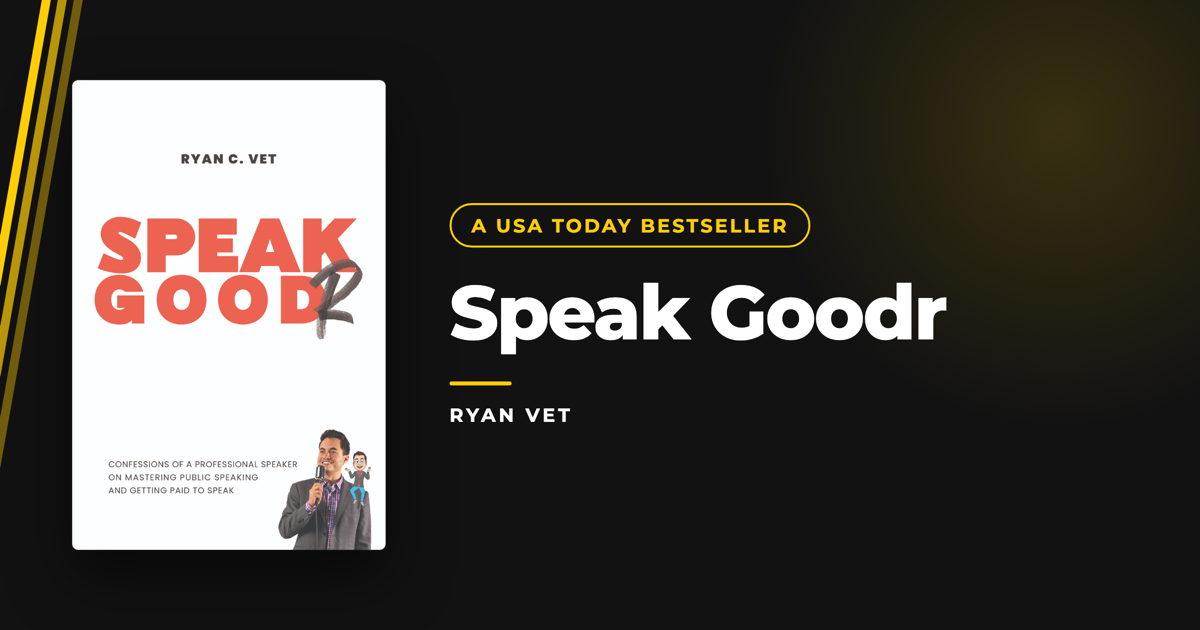 Appearance Speak Goodr Is a USA TODAY Bestseller Speak Goodr appeared on the USA TODAY best-selling booklist on January 22, 2025. It was the first of Ryan Vet's two titles to reach the list; Cracking the Millennial Code followed in September 2026. Explore →
 -
 Collide essay The real barrier in cross-generational communication The $1.2 trillion communication problem in Corporate America is not a generational issue; it goes much deeper. Explore →
 -
 Collide essay Gen Z is ungrounded and going back to the mall Positive trends are emerging, pointing to Gen Z's desire to be back in-person and in real life (IRL). Explore →
 -
 Appearance Ryan Vet on Sharpen the Spear: why "kids these days" is the oldest story in leadership Generational futurist Ryan Vet joins the Sharpen the Spear podcast to unpack leading five generations at work: labels versus lived experience, the job-hopping myth, and why fearful leaders quietly stopped leading. Explore →
 -
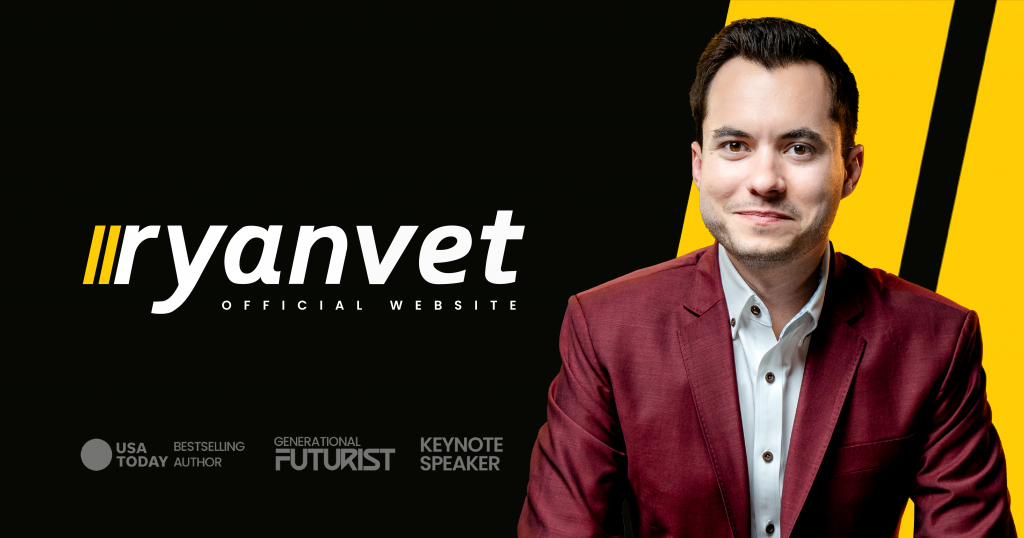 Appearance Ryan Vet on S.M.A.R.T. Performance: lead through the prism, not the label Generational futurist Ryan Vet on the S.M.A.R.T. Performance podcast: the Generational Prism, why Gen X is missing from leadership, and why we forgot how to actually lead. Explore →
 - Appearance Ryan Vet on Maximize Life with Mindset Pivots: the generational pendulum, decoded Generational futurist Ryan Vet on Maximize Life with Mindset Pivots: the four phases of the generational pendulum, its seven accelerators, and why the labels leaders reach for so often mislead them. Explore →
- framework Explore Ryan's generational frameworks Explore →
For Media
Ryan Vet is a generational futurist, international keynote speaker, and the USA TODAY bestselling author of Cracking the Millennial Code and Speak Goodr. He is available for commentary on generational dynamics in the workplace, the future of work, Gen Z and Gen Alpha, and how organizations adopt new technology.
Remote-ready with broadcast-quality audio and video.
Get Ryan's Weekly Insights on leadership, generational dynamics, and the future of work.
How generations are reshaping work and home. Practical, research-backed, and delivered weekly. Read it at RyanVet.com/collide.