Are generational differences real, or are we just misreading patterns? On Maximize Life with Mindset Pivots, Ryan Vet gives host Shruti Rustagi the fullest tour of his thinking. Human behavior barely changes, he argues; what changes is the moment each generation is handed.
He walks the pendulum from the Depression-shaped frugality of the Silent Generation all the way to the latchkey kids who grew up to helicopter, names the seven forces that speed the swing, and shows why the "lazy, job-hopping millennial" story falls apart the moment you check the data. Underneath all of it sits the thing leaders keep missing: trust, which every generation earns and gives in a different currency.
Ryan's Big Takeaways
- 01
The generational pendulum has four phases, and seven forces set its speed.
Every generation moves through the same arc: it experiences something, challenges it, overcorrects, and then recalibrates, never landing in quite the same place because the technology and the moment have moved. Ryan makes it concrete by walking the line from the Silent Generation (Depression-era frugality, saving the wrapping paper) to abundance-seeking boomers to latchkey Gen X to the helicopter parenting that shaped millennials. And he names the seven accelerators that speed the swing, the things you are told not to discuss at work: religion, education, sex and gender, politics, economics, communication, and technology. When several move at once, as in the 1960s and 70s, culture lurches.
The Generational Pendulum → - 02
Labels are a springboard, not a verdict. Run them through the prism.
Millennials were the first generation born into a label, and by the time they reached the workforce the "lazy job-hopper" story was already written. Ryan dismantles it with the Generational Prism: read the age and the moment before you trust the label. By age 25 the generations land within about 0.3 job changes of one another, a nominal gap that only felt dramatic because millennials, hyper-programmed as kids and starting their first jobs at 21 or 22, compressed the same trial-and-error into a few years. By 30 it levels out. His warning: statistics can conceal more than they reveal, so ask why the data looks the way it does before you brand a whole cohort.
The Generational Prism → - 03
Under everything is trust, and every generation earns it differently.
Ryan's throughline is that leaders keep treating a communication problem as a character problem, when the real variable is trust. Boomers trust reliability, stability, and institutions; Gen X defaults to skepticism after watching those institutions fail them; millennials, raised in the information age, equate trust with transparency; and Gen Z's anthem word is authenticity, which can read as abrasive but is really a rejection of the filtered life they watched millennials perform online. His charge to leaders is blunt: stop stepping on eggshells around younger workers, because your job was never to be liked. As you are leading, you have to be worth following.
The Credibility Shift
The Story Ryan Told
Ryan speaks about seventy times a year to corporate leaders and associations, and he says the moment he waits for happens after the talk, not during it. Someone comes up to him and says, "I got in a fight with my daughter this morning, but now I understand her." Or, "My mom and I haven't talked in years, and now I get why."
That, more than any workforce statistic, is the point of the work for him. The generational frameworks are not really about managing employees. They are about the quiet repair that becomes possible the moment you stop asking "what is wrong with them?" and start asking "what was their age, and what was their moment?" The people in the room came for a leadership talk and left able to call their mother.
Standout Quotes
Millennials were the first generation to be born into a label.
As you're leading, you need to be worth following.
You cannot choose not to lead because you're afraid of the repercussions.
So many leaders are stepping on eggshells because they're afraid of a younger generation, which is absolutely bananas.
The one thing consistent across every single generation is they all want to work for something bigger than themselves.
Drag, swipe, or use the arrows to explore
Frameworks & Ideas Referenced
- The Generational Pendulum : The four phases: experience, challenge, overcorrect, then recalibrate, never landing in the same place twice.
- The R.E.S.P.E.C.T. Framework : The seven accelerators of generational change: religion, education, sex and gender, politics, economics, communication, and technology.
- The Generational Prism : Read a cohort's age and moment before you trust the label.
- The Credibility Shift implied : Trust moving from institutions (boomers) to skepticism (Gen X) to transparency (millennials) to authenticity (Gen Z).
- Cognitive Erosion : Offloading our mental energy to machines and losing skills essential to being human.
Books, People & Sources Mentioned
- By age 25 the generations changed jobs within about 0.3 of one another (roughly five to six each; U.S. Bureau of Labor Statistics) : Ryan's Collide essay, The Future Is Born, on the job-hopping differential.
- The history of marriage, divorce, and cohabitation across the generations : Ryan's Collide essay he references in the pendulum walkthrough.
- Social-media legislation abroad and a rising wave of U.S. lawsuits against the platforms : Governments are beginning to legislate minors' access while the courts fill with cases against the platforms.
Keep Exploring
-
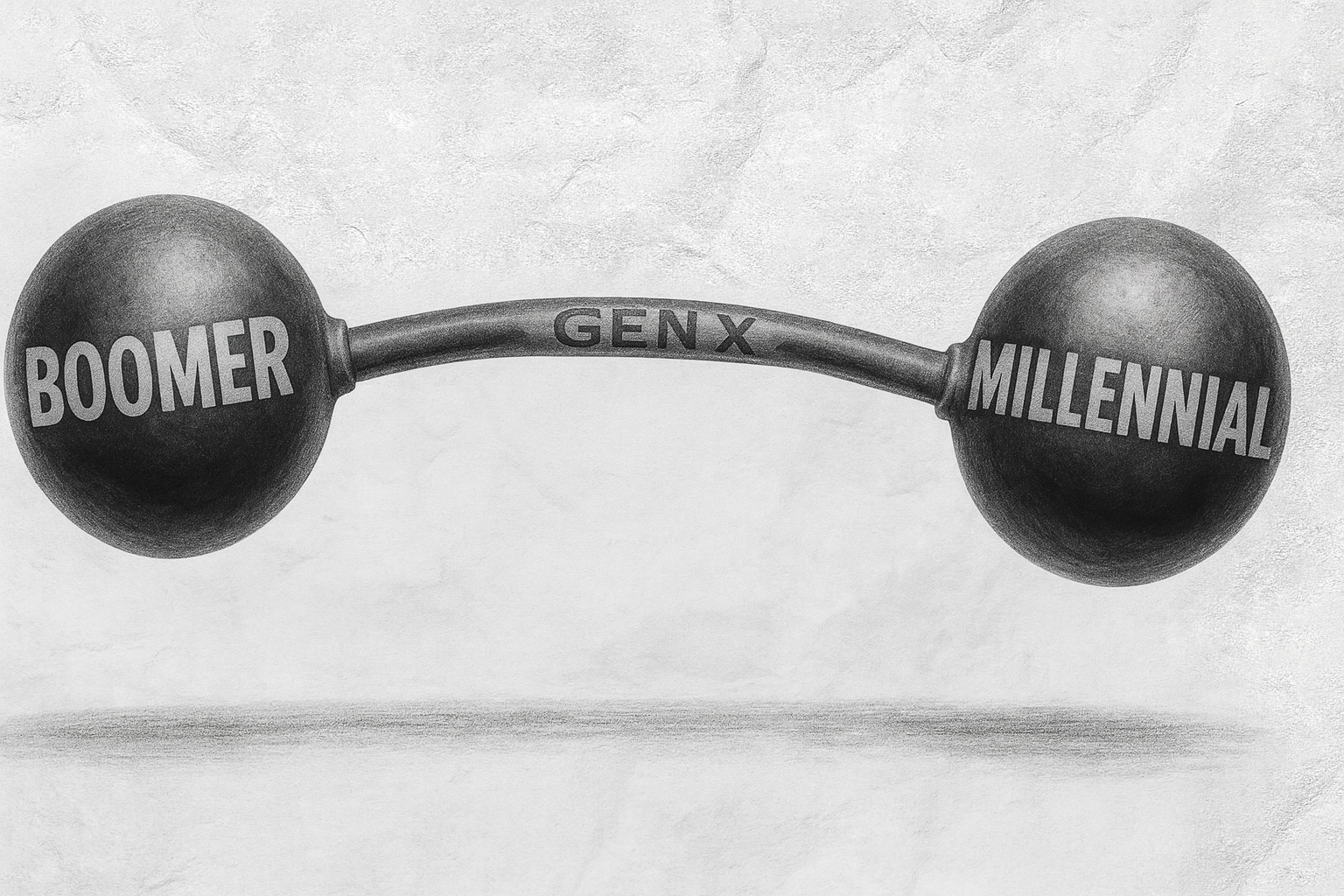 Collide essay Sorry Gen X, you're the least likely generation to become the next CEO A unique convergence of generations is shaking up the C-suite, causing a barbell effect, squeezing Gen X out of top seats in organizations. Explore →
 -
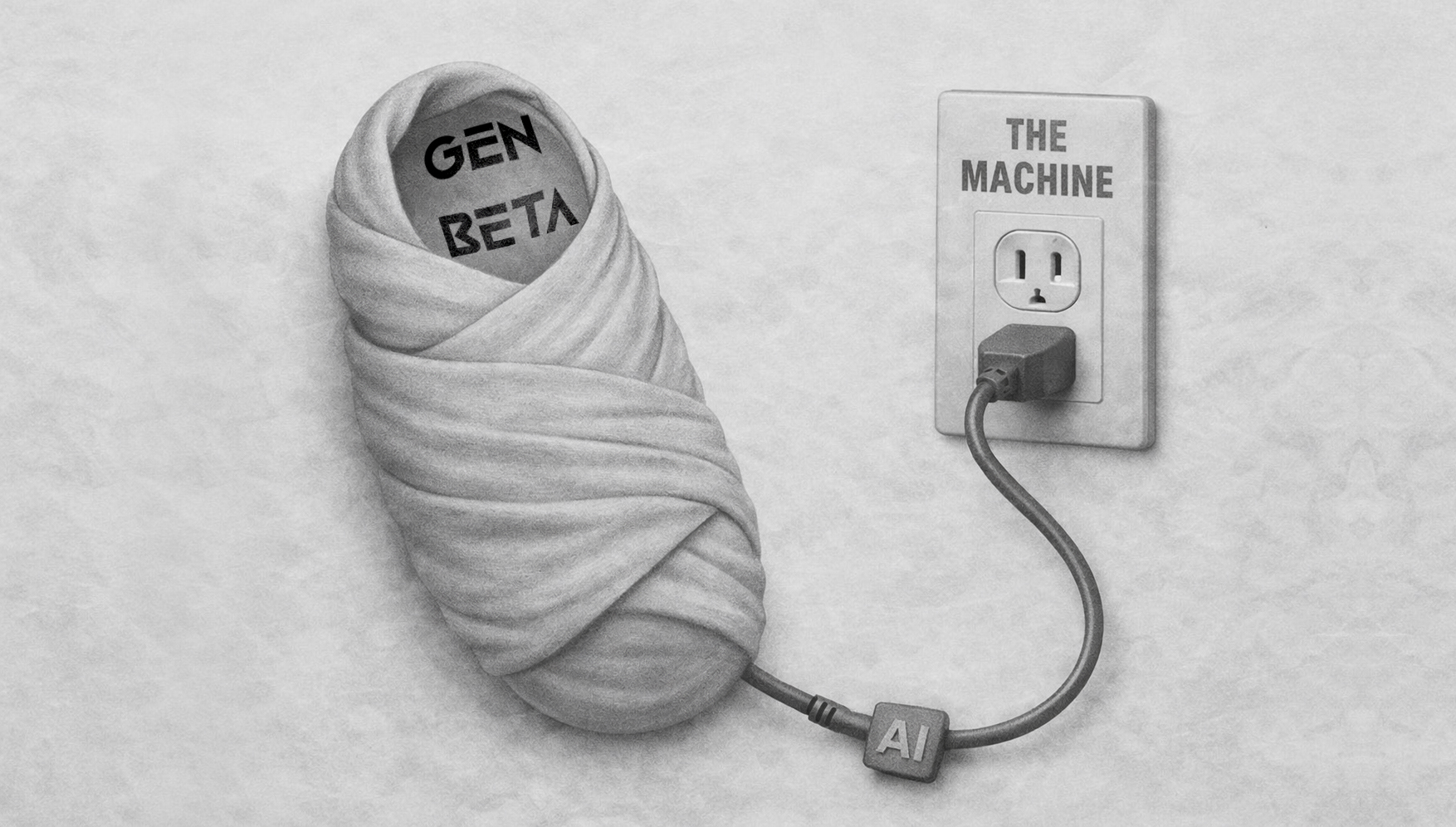 Collide essay The Future Is Born: Gen Beta has arrived The latest generational cohort, Gen Beta, was officially born on January 1, 2026, marking a new era and a new generation. Explore →
 -
 Appearance Ryan Vet on S.M.A.R.T. Performance: lead through the prism, not the label Generational futurist Ryan Vet on the S.M.A.R.T. Performance podcast: the Generational Prism, why Gen X is missing from leadership, and why we forgot how to actually lead. Explore →
 -
 Appearance Ryan Vet on Workforce Alchemist: generational change, AI, and workplace friction Generational futurist Ryan Vet on the Workforce Alchemist show: the generational pendulum, why leaders fear the young workers who just want to be led, and why removing friction quietly erodes a team's ability to think. Explore →
 -
 Appearance Ryan Vet on Straight Up With Steph: generations and patient trust Generational futurist Ryan Vet on Straight Up With Steph: communicating across generations in healthcare, why patients trust you less than they used to, and how to get ahead of the second opinion. Explore →
 -
 Appearance Ryan Vet on The Human Factor: the generational fault lines of transformation Generational futurist Ryan Vet on The Human Factor Podcast: why the same change initiative lands as opportunity for one generation and threat for another, why removing friction backfires, and why leaders who stop apologizing lead better. Explore →
 -
 Appearance Ryan Vet on A Geek Leader: AI and cognitive erosion Generational futurist Ryan Vet joins the A Geek Leader Podcast to unpack what AI will not change, the cognitive erosion already underway, and the seven forces moving the generational pendulum. Explore →
 -
 Appearance Ryan Vet on Sharpen the Spear: leading five generations Generational futurist Ryan Vet joins the Sharpen the Spear podcast to unpack leading five generations at work: labels versus lived experience, the job-hopping myth, and why fearful leaders quietly stopped leading. Explore →
 - Appearance Ryan Vet on Dents in the Darkness: the generations and the church Generational futurist Ryan Vet on the Dents in the Darkness podcast: leading five generations in the church, the velocity gap between technology and morality, and why Gen Z is unchurched but spiritually hungry. Explore →
- speaking Keynote: When Generations Collide Explore →
Ryan writes one free essay a week. It's called Collide.
How generations are reshaping work and home. Practical, research-backed, and delivered weekly. Read it at RyanVet.com/collide.