The short version
On The Getting Real with Hilary Show (October 15, 2026), generational futurist Ryan Vet told host Hilary Burns that making life easier has removed the friction that makes us human, and that each advance (the dishwasher, social media) relieves one burden and creates an opposite one. He walked through his own path, from a homemade newspaper at about age eight to incorporating at 14, then applied the Generational Pendulum to a client's problem: the Gen Z hire who accepts a job and never arrives. His reasons are too much information about pay, eroded authority, an expectation that employers take political positions, side hustles, and parents who still carry the costs.
Ryan Vet · Video on The Getting Real with Hilary Show
A client tells Hilary Burns that a new hire was due to start today and never showed up, and that it has happened about five times. Hilary asks Ryan Vet to explain it. His answer takes the long way around, and it is better for it.
It starts with a 1966 General Electric ad for the dishwasher, pitched as a way to give mothers more time to be mothers, and with the question that has driven his work since: what do we lose when life gets easier? Then it goes back to a lemonade stand in the Chicago suburbs, a back-page newspaper ad he could not afford and the paper he printed himself on his parents' ink, and a company incorporated at the county courthouse when he was 14. By the time Hilary returns to the no-show hire, the answer is a leadership story as much as a generational one.
Ryan's Big Takeaways
- 01
Making life easier removes the friction that makes us human.
Ryan opens with a claim that goes back well before AI: for six or seven decades we have removed friction so effectively that "our morality, the wisdom of what's right and wrong, lagging behind our technology and our achievements." He calls the speed of that gap the Velocity Gap, and traces it to the dishwasher and the automobile. The 1966 General Electric ad for what it called the "mobile maid" promised mothers more time with their children. The time was real, he says, and so are our thanks for dishwashers, but it did not necessarily go where the ad promised. Mothers returned to work outside the home, fast food arrived so families could grab a burger in the car between activities. Each is a positive move forward, and each had "an opposite reaction happening that might not be immediately noticeable."
The Velocity Gap → - 02
Social media connected the world and took away the pause.
The modern example is the one he calls much more recent. Social media meant free messages to anyone at any time, no more Vonage cards and long access codes to call Brazil. What we missed, he says, was the opposite reaction: technically more connected, we lost "that critical friction that happens in an interpersonal relationship when you're sitting room to room, when you're talking face to face." Messaging gives you a split second to choose your words, but you miss how they land. He ties it to teenagers and to the loneliest generation, citing the Surgeon General's 2023 declaration that loneliness is a public health crisis, "not solely because of social media, but that is a leading factor."
The Friction Doctrine → - 03
He said yes first and figured it out afterward.
Ryan's first business started when a local newspaper wanted something like $20,000 for the full-color back page and his lemonade-stand budget did not stretch that far. So he made his own newspaper on his parents' printer, ink and paper. One copy landed on a local business owner's desk, and that person emailed the @juno.com address at the bottom of the back page asking for graphic design help, not knowing his age. At 14 a mortgage company needed to pay a company rather than an individual, so he and his dad went to the courthouse, because Ryan was not allowed to sign incorporation papers himself, and ran the company name in the newspaper for weeks. For the next several years it helped nonprofits, which he says were his niche "because we were cheap," raise over $50 million for schools, hospitals, leadership academies and clean water. When a client asked for a pop-up display, he says, "I said yes. And then I went and figured it out."
- 04
A midlife crisis at 31 turned into a question about time and people.
After the venture-backed startups, some of which failed and one of which reached a valuation he puts as high as $750 million, Ryan had one child and another on the way and was asking what he was passionate about. His wife named it for him: he was having a midlife crisis early, because the work he started at 14 was preceded by years of less rigorous effort, so his 20- and 25-year marks had already passed. His reflection settled on two constants in every business he had ever built, time ("an equal opportunity offender") and people. The thread through his own work was inspiring others toward a positive change. He now speaks almost 70 times a year, and describes three phases of life, grinding, growing and giving, and says he is in the giving phase.
- 05
The Generational Pendulum explains why the new hire never shows up.
Ryan walks Hilary through the pendulum in plain language. Boomers pursued dual careers and delayed having children, and their Gen X children were latchkey kids. Gen X overcorrected by being over-involved with their own children, which is why both Millennials and Gen Z were coddled to some degree. Millennials, he says, kept one foot in the old world of bikes and neighborhoods, while Gen Z had social media by 2012 and was formed during its most formative years by algorithms designed to be addictive. The pattern, he says, is always the same: "We're always trying to reverse what we didn't like about our childhood." He adds that boomers laugh at the trophy-for-everyone culture, yet were the ones who did not want their own children left out.
The Generational Pendulum → - 06
Four reasons a Gen Z hire says yes and never arrives.
First, information: a coffee shop manager told Ryan his staff were complaining about pay because the sign out front showed what Arby's, Chick-fil-A and McDonald's pay. Second, eroded authority, because "if they want to reach out to a movie star, a celebrity, a politician, they can just DM them. There's no barrier," and because parents wanted to be friends rather than authority figures. Third, politics: he cites roughly three quarters of Gen Z who believe their company should take a stand on political issues, and says some employees decide not to show up when a post or a donation conflicts with their values. Fourth, a fallback: he has not found a reliable source on how many have side hustles, with estimates somewhere between 40% and 80%, and many Gen Zers still live at home or on a parent's credit card. He also pushes back on the lazy label. Tell a Gen Z employee to move from point A to point B and they will stop at B, "so that becomes a leadership opportunity, not necessarily a generational fail."
The newspaper he printed on his parents' ink
Ryan was seven, eight or nine, running a lemonade stand in the suburbs of Chicago, when he decided he wanted the full-color back page of the Chicago Tribune or the Daily Herald. They told him it was something like $20,000 per run. "Not in my lemonade stand budget."
So he printed his own newspaper, running through his parents' printer, ink and computer paper. He distributed it, and one copy ended up on the desk of a local business person, who emailed the Juno address at the bottom of the back page asking for graphic design help. "I do not think they knew how old I was at the time."
That is the thread he comes back to when Hilary asks how someone turns a passion into a career: don't take no for an answer, and ask what other angle gets you to where you feel called to be. He is careful to draw the line between that and bullying your way through an organization. It meant failing a long way before arriving, and it is the same advice he gives would-be speakers: "I'm calling three to five people every single day."
Standout Quotes
We've removed friction so much that we're actually seeing our morality, the wisdom of what's right and wrong, lagging behind our technology and our achievements.
While they alleviate one burden, they could create a whole new opposite burden that we weren't anticipating.
I said yes. And then I went and figured it out.
We're always trying to reverse what we didn't like about our childhood. And that's just how cyclical this is.
If you tell them move from point A to point B, they're going to move from point A to point B, and they're going to stop because that's all you told them to do. And so that becomes a leadership opportunity, not necessarily a generational fail.
We're people leading other people, and we can't lose sight of that human factor.
Drag, swipe, or use the arrows to explore
Frequently Asked Questions
Why do Gen Z hires accept a job and then never show up?
Ryan Vet gives four reasons on The Getting Real with Hilary Show. They have more information about what other employers pay and feel they are worth more; authority has eroded, because they can DM almost anyone and many were raised by parents who wanted to be friends; roughly three quarters, he says, expect their company to take political positions, and some skip a job that conflicts with their values; and many have a side hustle or parental support to fall back on. He also frames some of it as a leadership opportunity rather than a generational failing.
What is the Generational Pendulum?
It is Ryan Vet's way of describing how each generation overcorrects for what it felt was missing from its own childhood. On this episode he walks it from boomers, who delayed children for dual careers, to latchkey Gen X, to Gen X parents who then over-involved themselves with Millennials and Gen Z. His summary: "We're always trying to reverse what we didn't like about our childhood."
What does Ryan Vet mean when he says making life easier has a cost?
That every advance relieves one burden and can create an opposite one. He uses the 1966 General Electric dishwasher ad, which promised mothers more time with their children, and social media, which connected everyone and removed the friction of face-to-face conversation. He says that over six or seven decades we have removed so much friction that our sense of right and wrong is lagging behind our technology.
How did Ryan Vet start his first business?
With a lemonade stand and a newspaper. When a Chicago newspaper wanted around $20,000 for the full-color back page, he printed his own paper on his parents' printer. A local business owner who saw a copy emailed him for graphic design help, and at 14, after a mortgage company needed to pay a company rather than an individual, he and his dad incorporated the business at the county courthouse. It later focused on helping nonprofits raise money.
Where did the label generational futurist come from?
Ryan Vet says he spoke at a conference a couple of years ago and someone told him, "You're a generational futurist." He said the label sticks and ran with it. He says his expertise has always been future-looking, from the products and technologies he has worked on to the generational lens that frames how he sees the world.
Frameworks & Ideas Referenced
- The Generational Pendulum : Named outright ("the generational pendulum swinging back and forth") and walked from latchkey Gen X to coddled Millennials and Gen Z, with the line that every generation tries to reverse what it disliked about its own childhood.
- The Velocity Gap : Named at the start ("the speed at which technology is moving forward") and traced back to the dishwasher and the automobile: technology advancing faster than the wisdom to use it.
- The Friction Doctrine implied : The thread of the first third of the conversation: making life easier removes the friction that makes the human experience human, from the dishwasher to the instant message.
Books, People & Sources Mentioned
- Cracking the Millennial Code by Ryan Vet : His first book on generations, from 2019, which he says still draws more letters than any other he has written. About the book →
- U.S. Surgeon General's 2023 advisory on loneliness and isolation : Ryan cites the 2023 advisory that declared loneliness a public health crisis. His essay walks through it and its citations. Ryan's COLLIDE essay →
- General Electric's 1966 dishwasher ad : The Mother's Day ad for the "mobile maid", pitched as time for mothers to spend with their children. Ryan's example of an advance whose freed-up time went somewhere unexpected.
Keep Exploring
-
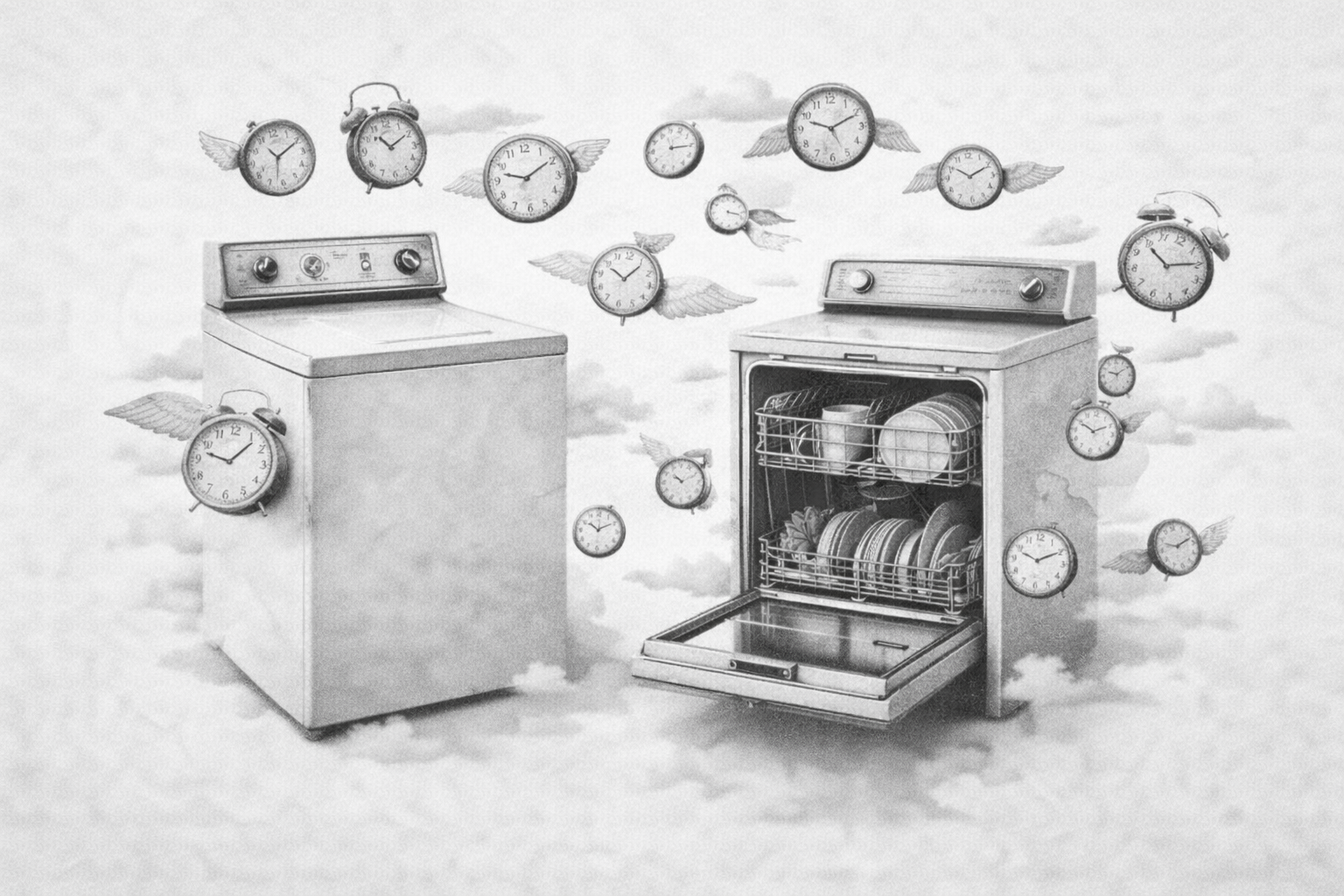 Collide essay What we lost when life got easier What washing machines and dishwashers tell us about artificial intelligence and the Velocity Gap. Explore →
-
 Collide essay The Velocity Gap: Gen Z's contradiction with AI When you eliminate friction, you get caught balancing moral conviction over drive. Explore →
-
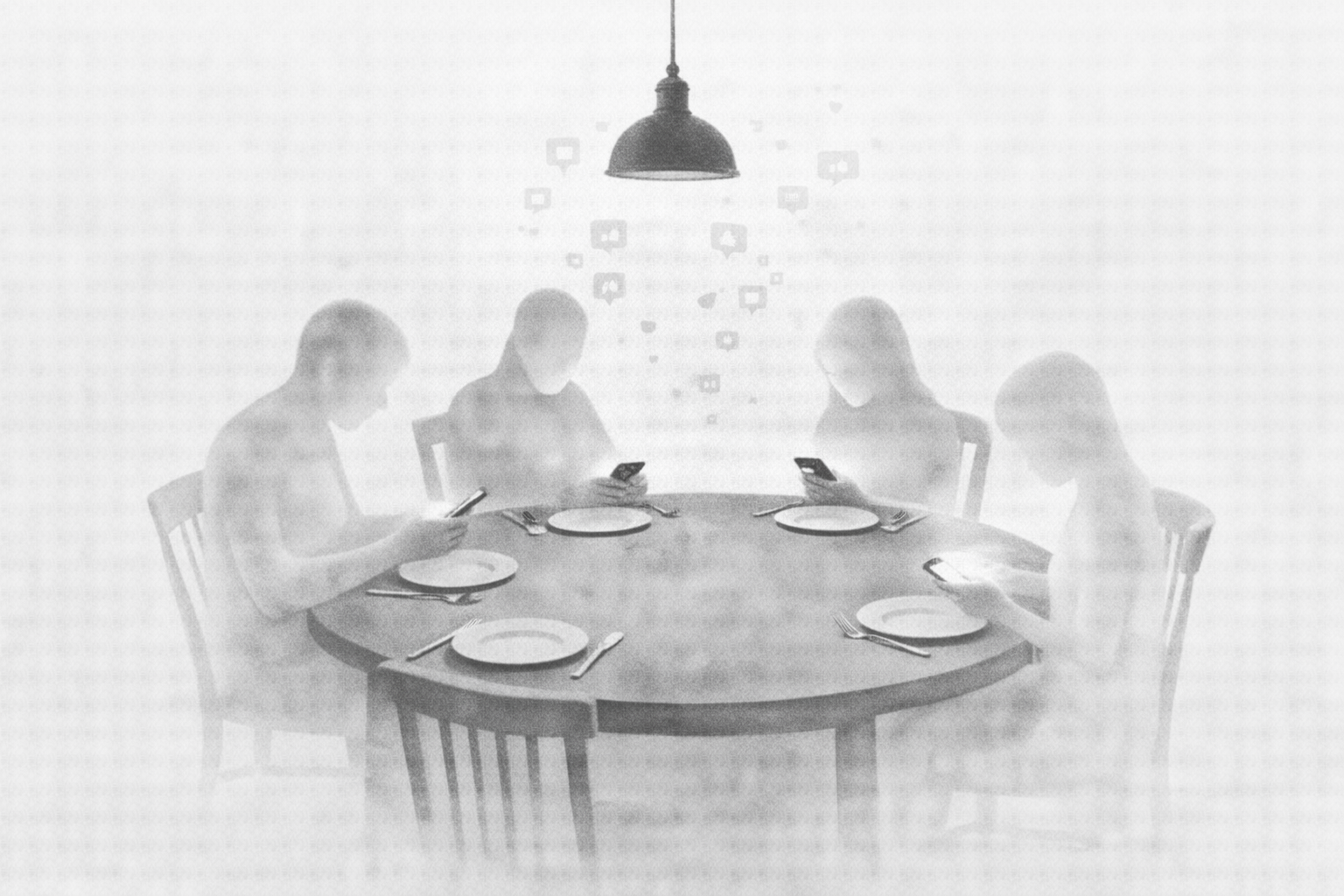 Collide essay We've Never Been More Alone The Surgeon General says loneliness now kills like smoking 15 cigarettes a day. The youngest generation is the most at risk. Explore →
-
 Appearance Ryan Vet on Still Launching: Why Gen Z Isn't Broken Generational futurist Ryan Vet joins Still Launching to answer the question Gen X parents of stuck college grads keep asking the wrong way: not "what is wrong with this kid," but what the kid was never allowed to practice. Explore →
-
 Appearance Ryan Vet on Mind Blend: The Parenting Pendulum and What We're Passing On Generational futurist Ryan Vet joins Mind Blend to trace the generational pendulum from the latchkey childhood to the surveilled one, and to argue that a parenting label and a chatbot are the same mistake: both let you stop thinking about the kid in front of you. Explore →
- framework The Generational Pendulum Explore →
- framework The Velocity Gap Explore →
- speaking Generational speaker Explore →
Ryan writes one free essay a week. It's called Collide.
How generations are reshaping work and home. Practical, research-backed, and delivered weekly. Read it at RyanVet.com/collide.
Links from this conversation
Full Transcript
The complete conversation between Hilary Burns and Ryan Vet, transcribed in full. Key terms link to the ideas behind them.
Welcome to the Getting Real with Hilary show, and today we have a very special guest. We have Ryan Vet, who is a generational futurist and a bestselling author. And I think you're going to love our conversation today. It's not an ordinary conversation, but I think it'll be a very special one. So welcome, Ryan.
Thank you so much for having me, Hilary. I'm excited.
Okay, so all right. What do you want to tell them? I do want to go back and hear how you got into this, but just give them a little bit of an intro into what we'll be talking about today. I think you'll do justice to it better than me.
Absolutely. Well, I think throughout history, human desire has always been to make life easier, and that's always been our goal, and we've removed friction. But really, if you fast forward to the last six decades or seven decades, we've removed friction so much that we're actually seeing our morality, the wisdom of what's right and wrong, lagging behind our technology and our achievements. So what does that mean for us? Well, things are happening so fast in advancements in technology and society that we're not even sure the implications of those decisions that we're making until, in some cases, it's too late.
When you say technology, are you just talking about AI or you're talking about everything?
This has happened for way longer than just AI. AI is obviously the talk of the town today. But when we look at kind of the velocity gap, the speed at which technology is moving forward, it goes back to even the dishwasher and washing machine. It goes back a long time to the automobile even before that. So it's all these things that we've done to make the world a better place, but in so doing and making life easier, sometimes we've removed those things that make the human experience human itself.
Can you give an example?
Yeah, I think one of the most interesting things, if you look at the General Electric ad from 1966, it came out right before Mother's Day and it was four different frames. One frame was a mother fixing a bow tie on a father figure. Another one was a mother helping her child. Another one was a child who was injured and she was kind of being motherly towards that. And it basically was saying, this will save the time that you need to be able to spend time with your kids by the mobile maid. That was what it was called in 1966, the dishwasher. And that was the whole ad. It was this pitch to give mothers more times to be mothers. That was the goal. And while we saw that free up time and thank goodness for dishwashers today.
So the dishwasher was supposed to give mothers more time. And what was the problem with that?
Yeah, I think with any innovation, the dishwasher was great. And I think we're all grateful today for dishwashers. And one of the things that we saw was it gave mothers more time, absolutely. But that time wasn't necessarily going to the thing that they thought it would go to. We saw mothers return to work outside of the home during that time. And we saw some other things shift in culture and society. And so with anything, it's like the extracurriculars at school. We invented fast food so that we could grab a burger on the go in the car to schlep our kids around to all these different activities. So all these things are positive movements forward. But what are we missing when we advance forward? What are those things that might seem positive, but there's actually an opposite reaction happening that might not be immediately noticeable, but are noticeable in the future?
Well, you know, I mean, when I was in business doing consulting, we used to do all these, you know, studies. So how much money would the computers really save for the organization? And, you know, cost-benefit analysis. And so, oh, it would save all this money. But you're right. It was the same thing. We never saved any. Now you had to reconcile. Now you had to do all these things. I think if anything, they added more people. So, yeah, so, OK, so so given that it was supposed to save mothers more time to be with their kids and husbands and whatever. But but it didn't. Right. You're saying that's what allowed women to go back to work?
I don't know. I don't think it's that that specific thing. That's just one example of your we've seen technology where we've seen technology advance. And I think the other one that is much more modern, if we fast forward to the last decade, we're looking at social media. It was this idea that was going to connect the world. We can message anyone at any point in time for free. No more going to Walmart and buying a Vonage card and dialing that long access code to call somebody in Brazil. You now can just do that for free via Skype and then ultimately a message on Facebook or Instagram and now WhatsApp. And you've seen this evolution. But what we didn't realize the opposite reaction of that simultaneously is while we were technically more connected, meaning we could communicate, we lost that critical friction that happens in an interpersonal relationship when you're sitting room to room, when you're talking face to face, even like this. If we were to be messaging each other right now, we'd have that extra split second to think about the words that come out of our mouth and how they're sent, but we miss the way that they're being delivered. And we see now the implications and ramifications with social media on teenagers and the profound impact that that had. It has created the loneliest generation. The Surgeon General in 2023 declared loneliness a public health crisis and not solely because of social media, but that is a leading factor. So we have these innovations and we think they do one thing. And often while they alleviate one burden, they could create a whole new opposite burden that we weren't anticipating.
Okay. All right. So let's back up a minute. How did you start looking at this? What did you do before you went to college? What did you study? Where did you grow up? Did you have brothers and sisters? Let's go back and then we'll come back to how you got here.
Sounds great. Well, I got a younger brother and grew up in the suburbs of Chicago and it all started with a lemonade stand. I say that a little bit tongue-in-cheek, but also very seriously.
What? Started with what?
A lemonade stand.
Oh, a lemonade stand. Wow.
And I say that tongue-in-cheek, but I also say that quite seriously. It had this profound impact on my entrepreneurial journey that ended up allowing me to launch my first marketing company at age 14. And from there, we helped nonprofits raise over $50 million to build schools and hospitals and leadership academies around the world, provide clean water, things like that, and did that for many years. Went to college at Elon University in North Carolina and never left North Carolina after that. Kind of got stuck. And through that, did business marketing and got sucked into the venture capital world for many, many years and was a part of various startups, venture-backed startups, and everything from medical device and pharma to technology and kind of enterprise software that's not glamorous, but you're thankful that it's working in the background to education and learning companies. So a lot of different pathways there. And then in 2021...
Hey, wait. Hold on. Hold on. Hold on. I'm writing down 2021. Okay. When you said you started at age 14 and then you kind of went really fast over, you raised all these millions of dollars in water and all that, was that... How old were you when you did that? And can you explain it a little more?
Yeah. So from about 14 to about 22. So right through the end of college. I was running this marketing company, and our sole focus was helping nonprofit organizations and individuals that were affiliated with nonprofits raise money. That was our niche.
How did you... I mean, you had a lemonade stand, obviously. And then how did you... At 14, why did you think you could or want to... How did you do that? Do you know what I mean? Yeah. What was the gap there?
So the lemonade stand, call it seven, eight, nine years old. I called the Chicago Tribune or the Daily Herald, the newspapers in Chicago, where I grew up. And I asked for the full color back page ad. That's what I wanted. And they said it was something like $20,000 per run. Not in my lemonade stand budget. And so being an entrepreneur that I am, I took matters into my own hand and created my own newspaper. That's what I did. And that simply meant running through all my parents' printer, ink, and computer paper. And I distributed that, and I tell all that story because one of those newspapers ended up on the desk of a local business person. That business person emailed the @juno.com email address on the bottom of the back page of that, asking me for some graphic design help. I do not think they knew how old I was at the time. And eventually did a couple small projects here and there. Fast forward to when I was 14. I had a mortgage company that said, hey, we need to pay you, but we can't pay you as an individual. We need to pay a company. So my dad and I went down to the courthouse because they would not let me sign at age 14 an incorporation document. So we went down to the courthouse, filed with the county clerk, and did the whole thing. Had to run the name in the newspaper for a certain number of weeks and pay for the classified ads. You don't have to do that anymore. But did that whole spiel. And about probably two or three months after we filed, I got a notification and certificate that my business was officially formed.
Okay. And what was the business? It was a marketing company.
We helped specifically. We transitioned from local small businesses, which we still helped occasionally. But a real focus was helping nonprofits. And I think our niche was nonprofits because we were cheap. Because I was a teenager and I didn't know how much you could charge. And nonprofits had budgets that were a little bit lower, but our quality was on par.
What did you do for them? Yeah. What did you actually do?
We did some early, early websites. I struggle calling them websites now. But they were websites. We did some in Macromedia Flash, which most people won't remember. But that was really innovative and progressive. And most of what we did was print marketing. So we create booklets, brochures, postcards, mailers, flyers that they would send out to donors or bring to presentations. We did a lot of displays, so banner, pop-ups.
How did you know how to do that at that age?
I didn't. I figured it out.
Wow. So if I said, oh, I want to pop up, whatever. You just figure out how to do it. You never said, oh, my God, I can't. You just did it.
I said yes. And then I went and figured it out, whether that was, you know, surfing the Internet or at that point it's still going on white pages and yellow pages a little bit. Asking around and calling people I knew. And just truly figuring it out. And thankfully, the turnaround time back then for, and I say back then like it was ancient history. It's not that long ago. But it would expect, you know, postcards in four to six weeks. Now you expect them in 24 hours. So it was a different world. I had time to figure it out. And it was an incredible experience.
So you're going to what? Like middle school and you're doing this like at night?
Yeah, I would go to school during the day and I would come home. I often tried, especially as I got into high school, to try to find classes that allowed me to be around a computer. This was the time that they were putting computer labs into schools. And so typing classes or all this. And they didn't know. I mean, this was on the dawn of computers in school. So they didn't know how to block the Internet. And if they did, I knew how to get around it. And I wasn't doing anything bad. I was literally just, you know, going. I didn't know what the Internet had on it at that point in time. I was just trying to check my Juno email address and make some money and send some invoices. And that's what I did back from the day.
Wow. And were your friends doing this kind of stuff? Or you were an anomaly?
I hired several of my friends over time. I paid some of them a decent amount of money. I think I helped one of them buy a car in their sophomore and junior year of high school.
Wow.
I would say some of my friends, all my friends had a, I would say drive to them, an innovative bent. But I think I was the only one that was whatever words you want to use.
Driving the car. You were the rail driver. You were in the driver's seat.
I thought I was sometimes. We went off road a lot. But that's how I learned. I think I was unafraid to fail. And if I did fail, I got back up. And I think that is probably one of the biggest differences in those early formative years. Because I got knocked down a lot. And I was playing in an adult world. And behind an email address, many adults didn't know that I was a kid. And so those are challenging times anyway. And to deal with some of the things that just, now is normal course of business. But to a 14 year old being taught to how sometimes if you're late for a project, or you have a typo on 5,000 postcards you just printed, or whatever it might be, that was intense at moments for a teenager.
Wow. So were you not doing sports and all the other stuff? This was your thing?
No, I did that too.
You didn't?
I was involved in sports. I was involved in band for a season. Did drama and theater. So a little bit of everything. And then towards my junior and senior year, I had gotten enough credits that I didn't go to school full time in high school. That's a much longer story. But that freed me up for multiple hours a day.
Wow. Amazing. Okay. So then you went to Elon and you studied what? What did you study at Elon?
Business administration.
Business. Okay. So that makes sense. All right. And then you graduated. And were you doing these businesses all throughout?
I did the businesses all throughout. My claim to fame is I never missed a single day of class in all of Elon. So while I was physically present, I was always working. At that point, laptops and Wi-Fi were very much a part of normal life. And so I was always working in all my classes. I just used them as my office, my mobile office. And then when I graduated there, I had already launched a startup, a software startup. And that was kind of where I got into the first angel investor backed companies, the venture capital backed companies. And that trajectory carried me on for the next decade or so.
What kind of software?
Lots of different software, all enterprise. So nothing that you'd use.
That's fun.
Every day, but often sits in the background of companies. So we did some lease management, residential real estate type software.
Did you create them? Were you doing the programming or?
I cannot write a lick of code. I wrote some of the logic for some of the algorithms and stuff that we were doing back in the day, conceptually on whiteboards or on paper. And so this is this than that. So logic trees. But beyond that, the developers were the ones who made it happen. I did do a lot of the design work for the user interfaces back in the day. Since that era, many people are far more talented than I am. But early on, I would try my hand at it.
So you would come up with a design. Was it your idea? And then other people would program it. And then you would sell it?
Exactly. Yep.
And implement it and all that stuff.
Yep. We would take it to trade shows. We would have sales teams that would call an outbound. We sold some of the companies. Some of the companies failed. They didn't all make it. And then later on, I got put into some venture backed companies from board members that I had known that had been on other boards or people I had worked with that had their projects and so went and worked with those companies. And so quite a big trajectory of small businesses that probably maybe hit a couple hundred thousand dollars in revenue, some that made no revenue and some that were up to $750 million in valuation. So pretty large gamut in that venture capital world as is the case in the venture capital world. And it was a great ride. I'm grateful for it and grateful to be out of it too.
Wow. Okay. All right. And then your wife said no more. Is that what happened?
Yeah. It was mutual. It's just one of those times where we had our first kid. Second one was on the way and just trying to figure out what life looked like and really asking the question, you know, what am I passionate about? And it was a question that I always challenged other people to think about throughout all my other careers. I'd always loved the idea of leadership and pushed hard on the idea of leadership, not just management, but how do you lead people? How do you inspire others towards a positive change? And here I was at a crossroads very young and someone said it to me so eloquently. That just was the light bulb moment. She said, Ryan, you're having a midlife crisis, even though you're young. And it's because you started, you know, your first business. Yes, when you were 14, but before that, there was at least seven years of work before that that weren't as rigorous. And so she's like, your 20 year mark, your 25 year mark has already happened. That's why you're contemplating all these things.
How old were you at that time when you're having?
Oh, goodness. When did she tell me this? I was, I had just crossed 30. I was probably 31.
Oh, okay.
At the time, maybe 32. And so I just did some soul searching and went out and really realized there's two things that have been constant in every single business that I have ever done and that are constant in every other business. You can't have business without them. One is time. Time is an equal opportunity offender, right? We all have 60 seconds in a minute, 60 minutes in an hour, and I'm not going to do more math than that because I'll get it wrong. But that is, you know, that is what we have. And we, so that's one factor, time. And the second one is people. We always have business with people. You can't have a business where, yes, you can be a solopreneur, but you still have to serve someone else or collaborate with someone else or partner with someone else. And so as I started to reflect, those were the two things that were constant. And one of the things that had always been important to me was to inspire others towards a positive change. And in doing that, I was like, what are the things that have been consistent every single, besides time and people, what are the themes that are consistent in my line of work? And I was always looking towards the future. I was involved in early, I would say early A.I., so not generative A.I., but early A.I. startups in 2009 and 10. And most people weren't using that word until 2022, so a decade and a half later in their houses. I didn't come up with it. I was writing, like, [unclear] of people that started that idea in the 50s, right? This is not new. But it became this thing that I always look towards the future. I was an early adopter in social media. I had tons of followers, and I was getting invited to conferences before I was 18. And so I had to say no to conferences, because I couldn't get a hotel room. And Airbnb and other things have changed since then. But at the time, I couldn't. I couldn't rent a car. So if I wanted to rent something, I had to rent a U-Haul, because you can be 18 and rent a U-Haul. There's a fun trick. So you have all of these different forces that were against me, but I was always looking towards the future.
Why don't you get a hotel room if you're 18?
At 18 you can, but not before 18.
Oh, okay.
Yeah. And some states are 21, or some cities and properties. And so a lot of times, like, if I didn't have a family or friend or someone that I could meet, and I stayed at some random people's houses that I met through somebody, you know, and it always worked out, thank goodness. But yeah, reflecting it, I haven't thought about those particular moments, so I appreciate you bringing that up. I haven't thought of those in a long time.
Wait, so what were you doing when you were 18? You were going to speak, or you were going to conferences, or what?
At that point in time, I was still running my marketing company, so I was speaking at conferences. A lot of people wanted to hear kind of my story, my journey. I was sometimes attending conferences. Part of that was I had a big popular blog at the time when Blogspot and Tumblr were big. Both are barely on the internet anymore. My content's not on the internet anymore, but people wanted me to come talk about what I had been writing about and this idea of leadership.
What were you writing about?
It was leadership and leading from where you are. You don't have to...
At 18.
At 18.
As a teen.
And I didn't know what I was talking about, but it was a good exercise for me in learning. And some of the core lessons that I wrote then, I would still say apply today. I've learned through experience that there's a lot more depth to some of those things and a lot more complexity, but it's still the same as true. At the end of the day, we're people leading other people, and we can't lose sight of that human factor.
Wow. Well, that's amazing. Okay. All right. So there you were speaking at age 18 on leadership. That's awesome. Okay. So back to 31 years old, your midlife crisis.
Yeah. So I had gotten out of the startup world, had divested a lot of my various interests in some portfolio companies I had. I had one kid here, one kid on the way, and we were coming out of the heels of COVID, which was challenging for everybody. It was a great leveling opportunity for all leaders. There was no playbook on how to navigate that. And I just wanted to do what I felt called to do, what I was most passionate about. And that was, again, inspiring others towards a positive change, helping them to inspire forward, prepare that next generation of leaders in the workplace, the next generation of managers, and as I've grown as a parent, inspire the next generation of parents. And those kids and our responsibility throughout history to do all of that. You know, one of the questions I often get on interviews and have since I was 15 or 16 was the idea of, you know, what did your parents do that was different. And I've pointed to different things over the years, and I was really blessed to have a lot of fortunate experiences and great parents that supported my hair-brained ideas, quite frankly, and let me waste all their computer, printer, paper, and all of that. And so there was different things, but I think a lot of it is just the autonomy and the freedom to fail. And I think it's through the failures that I learned the most. And there was not ever bailout for a lot of those failures. It was, you know, you made your bed, now you got a lie in it. And it wasn't tough love. I had very loving parents, but it was, hey, you started out on this journey, and you can, you know, you got this far, you need to keep going and figure it out. And part of that was they weren't entrepreneurial. They didn't know business. And so they couldn't offer advice, but they would often point me to mentors or people that they knew in their lives that would give advice. And I was surrounded by great community and people that poured into me, and plenty of people that tried to tell my arrogant 18-year-old self not to do the many stupid things that I did. But, you know, you learn, and sometimes you learn the hard way when you're stiff-necked, and you get broken a little bit, and sometimes you can look back and say, I know what landmines to avoid now, because I've walked down this path before. But they never said, don't do it, or we won't let you.
You know, it seemed like they were encouraging, which is like, there was this story, I don't know, it's in, I forget which self-help book, but where the kid becomes a Nobel Prize winner, when he spilled the milk on the floor, do you remember this story?
This sounds vaguely familiar.
So he spilled the milk on the floor, and his mother, I think she got down on the floor with him and played in it with him, and then made him clean it up. But like, it wasn't like, you stupid idiot, it was like, oh, let's play with this failure. Like, let's play with this mistake, you know? And it sounds like that's the way your parents were as well, like, hey, quiet, go for it, now fix it, yeah.
Yeah, exactly.
If they didn't fill you out, they'd just let you figure it out.
Yeah, and I'm sure there were more boundaries and guardrails that I didn't see. I think that's part of a good parent, too. You know, they put the safety net out of range of the building and line of sight, so if I did fall, I'd be there. I don't know that for sure, [unclear], but in retrospect, I think those things were there.
Yeah, I'd be interested to know if they did, right?
Sometimes they did, sometimes they didn't. I wrote in my newsletter last week, and they said, that happened when? Were you living at our home? I absolutely was, so, you know, there's some of that, too.
Yeah, yeah, yeah. What did they do? What did your parents do?
My dad was a pastor, and my mom is a nurse.
Wow, okay, so they were taking care of people, right?
They were.
Yeah, all right. All right, so the woman said, what are you passionate about? You said inspiring others towards a positive change, and then what?
And so that's really what I've devoted the last several years of my career, intentionally and fully to, is helping others, and that's through writing, through speaking. I get to speak almost 70 times a year to people from small rooms of corporate executives at big name companies to huge associations of people working on water sewage treatment to just different healthcare providers associations and managers and leaders, and sometimes occasionally student groups.
Yeah, so how did you go from, okay, this is what I'm passionate about to this? Like, because I think some people, you know, once they figure it out, if they do figure out what they're passionate about, like, they don't know what to do next. Like, what were the actual steps that got you to this?
Yeah, fantastic question. I think that's a hangout for a lot of people, and I'll take it back to the newspaper joke, but totally true story. Called the newspaper company. They said it was however many thousands of dollars, so I made my own newspaper. And I just didn't take, I think it's from the movie Tommy Boy. It's don't take no for an answer, and I don't think that's an arrogant thing. I think you can become arrogant, but it's, okay, if this is a no right now, what other opportunities or angles or approaches can I take to get to where I feel I'm called to be? And I think that's way different than bullying your way through an organization or knocking people over in pursuit of whatever goal you're trying to achieve. That's radically different. But if you feel called to do something, I think you just do it and realize you're gonna have to fail a long way before you get there. And I think that's where most people get hung up. A lot of people ask me, you know, how did you build your professional speaking business? A lot of people want to be speakers and can't build a business. And the first question I always ask, they're like, yeah, I've been doing this for a year and I've been booked twice. I'm like, that's great. You've been booked two times. What'd you do to get that? Well, I called somebody or I knew somebody. Great. How many times have you done that this week? None. Okay. Well, I'm calling three to five people every single day and I get on only about three stages a month. Three to four. Okay.
But back to when you started this, you decided, okay, I want to inspire others towards positive change. And maybe it wasn't like black and white, like, okay, I'm doing venture capital and now I'm doing this. What did you, like, how did that, how did you know from inspiring others towards positive change or did you know you wanted to be a speaker or did you know, I mean, you said writing. So where did you start writing? Like, that's...
Yeah. I had been writing and speaking throughout.
Okay. So you were having...
Kind of a hazard of being an early entrepreneur with a slightly interesting story. People want you to speak at conferences. So I had been doing it for quite some time.
Okay.
I wouldn't call it professional, but I would call it frequent or semi-frequent. And that is the speaking side. The writing side, early days I had a blog. Don't have a blog per se anymore. I have a newsletter now, which is much more intentional and academic. I have written several books over the years, mostly as born out of my own research and passion to learn something. I found that if I research it and write about it, I'm going to learn, hopefully, a little bit about it. And so I had done all of that and then when I flipped the switch in the early 2020s, it was, here's what I'm actually doing full-time. I'm waking up and I'm pursuing ways that I can write to impact others. And there's so many people out there, and this is not a condemnation or an indictment, but there's so many people that just post to post. And that's fine. There's a place for that. That's why the social media algorithms reward it. But one of the things I try to do, and I don't always succeed, is try to make my content add value, whether it's getting you to think, whether it's getting you to move, do something differently, get involved in something you weren't involved in, show you something that you might not have known. I love those. When I find a fun fact, it's like, I don't want to keep that to myself and share that data or synthesize information that people have questions about, that maybe they haven't been able to find a concrete answer. And I write for a certain group of people, right? It's not for everybody, and I understand that.
Before we take our commercial break, it seems like you already knew you loved writing and speaking.
I did. I always had a little disclaimer there. It was always a little flame.
Yeah, so that was what you were passionate about, and it was going to be to inspire people towards positive change. And that's what this came from.
Exactly.
That was the fun part for you. Is that true?
Exactly.
No, that's what you do. Wow.
Yeah, I think there's three phases in life, and I think it's cyclical that we go through. You're grinding, you're growing, or you're giving. And grinding is what a lot of people spend most of their life doing. It's the same old, same old, always doing the same thing, and it's work, right? Growing using work gets fun. You see how your work, whatever it is, is moving the needle positively for yourself, for your family, and for those that you're serving. And at some point, not everyone gets this opportunity. And I think a lot of it, not all of it is self-imposed, but they don't have an opportunity to give back. And I don't think it's ever too early to start giving back what you've learned or mentoring or whatever that looks like. But I'm in this phase right now where I'm not grinding, thankfully. I did plenty of that. And I'm not growing a career per se, although the speaking, you could say, is in a growing phase. But really, a lot of it's giving. It's taking the lessons I've learned and some of the really tough lessons that I've learned. And now giving that back. And I find that when I share that information with others and when I process it, even you pulling up and asking some questions about things I hadn't really thought about in many, many years, I process it. I'm like, wow, that's really how all those pieces went together, the fact I couldn't get hotel rooms so I had to cancel certain engagements. It's just a really fun time in my giving phase.
Cool. All right. We're going to take our commercial break, and we'll be right back.
And now we're coming back to Ryan and we're going to find out more about what he's been writing about. That's so fascinating. And I know we were talking earlier about the generational stuff. Do you want to get into that now? Because you haven't even touched on that.
Yeah. Absolutely. So this is, I think when I'm looking at inspiring forward, taking the things I've learned and hopefully inspiring the next generation of leaders, business owners, you name it. It really started with a generational conversation. So one of the first paid engagements I had was to answer the question, from a speaking standpoint, why millennials weren't buying houses. People knew that I was a millennial. At the time Twitter was early and I was tweeting a lot. I have since ceased tweeting. But back in that era, it was a different place and I was tweeting quite a bit and they were like, oh, he's a millennial. He knows social media. He must understand why millennials do what they do, which was not true. But I thought I did too. So I started speaking on millennials and social media marketing and these trends. And what I quickly found out, having managed people in many different generations, over my career I've managed silent generation, which is almost completely out of the workforce as of 2026, down to Gen Z more recently. I've managed those five different generations and I've seen so many different ways in which each generation interacted. So I started to ask more questions and get more inquisitive. My first book on generations came out in 2019 and I thought it was great. I still get more letters from that book than any other that I've written, even though it was not on the printed bestseller lists or anything like that. It did fine, but it's still the one that I get most feedback about positively. And I look at it now and I'm like, man, I didn't know even seven or eight years ago, I didn't know what I know now on generations. And we looked at it all wrong and we stereotyped so much. And so part of this inspiring other sorts of positive change is taking my area of expertise, which I would say has always been future looking with the products and technologies and services I've been a part of, as well as looking at the generations, which has always been an underpinning of kind of how I framed the world. I decided that I would pursue this idea of doubling down on generations. And I spoke at a conference a couple years ago and someone's like, you're a futurist. You're a generational futurist. I said, okay, the label sticks. I'll run with it.
Oh, I like it.
Yeah.
I hope you gave them credit for that.
Yep. I did.
Wow. A generational future. Okay. So, all right. So what did you find out? I mean, does it matter? Do you want to talk about why they weren't buying houses? I think it's more important, like the different, you know, if we go to the case, like I talked to one of my clients and they were like, you know, I had someone who was supposed to start today and they never showed up. This has happened about five times. So can you address that?
Yep. So that's a problem mostly unique to Gen Z, who's currently in the workforce or the newest generation in the workforce as of the time of this conversation. They're ages 14 to 29. And so I think there's a couple things that we have to remember. Gen Z, if you rewind, was the first generation to grow up technology native. And I think that's pretty self-explanatory. Most people would agree with that. But there's a major difference between them and the generation right before millennials. Millennials were anchored one foot in what I would call the old world and one foot in the new world. Millennials...
Who's a millennial?
So millennials were born in the 80s and early to mid 90s. So today, they're, you know, most of them are in their 30s, 40s, the vast majority. And what we're seeing as a big difference is people born up until 96, so millennials kind of [unclear] in the sand. They still had a traditional childhood. They were riding bikes. They were playing in neighborhoods. They were over involved in extracurriculars, most of that. And yes, as they got to middle school and definitely in high school and absolutely in college, especially the later born ones, they had technology, internet, phone, even social media. But it wasn't what it was is today. And so by the time Gen Z came around, this is kind of what we're talking about earlier, the friction and the velocity gap. We didn't know the implications of technology until very, very recently. As of 2012, so this is when we saw Gen Z, the earliest born Gen Z were about, you know, call it 13 to 15 years old. And younger, they were already having social media accounts. And at this point in time, the social platforms as a whole were designed to be addictive, to give us dopamine hits and to feed us with instant life and gratification. And it's their most formative years. So they're being formed and shaped and their identities being cultivated by algorithms, whereas millennials still were anchored. You know, they might have had a phone in one hand sometimes, but they also had to go rewind the tape manually. And I think we forget how far technology advanced in that one generation. So when you get to Gen Z, the world looked different and they obviously face COVID, informative school years as well. And so this generation has just had a lot of different challenges that previous generations just didn't face, coupled with a different parenting style. You had parents who were helicopter parents who, I use this word, again, not as an indictment, but they coddled for the most part, their kid.
Which one is that, Z or millennials?
Gen Zs were coddled by their parents. And so their parents were mostly Gen Xers. And it makes sense when you rewind it and you look at kind of the generational pendulum swinging back and forth, Gen X were latchkey kids. Their parents weren't home. And so they wanted to correct that in their kids' lives. And so they were over-involved. And because we have more information and more knowledge, we started to know more things existed. And we had more labels for different concerns and disorders and social situations, and we started applying those. And not that having more information, knowledge, or science is inherently wrong, but with even the generational labels, it can run amuck if you're not careful.
Wow. Okay. So the Gen X, so I was a boomer. I think I was just at the tail end. We just had a normal life. 46 to 64 were boomer years. Yeah, so we just had a normal life. Then I was talking to my admin right before here. She said just what you said. She was a Gen X. They were latchkey kids. The parents weren't around. And then she coddled her kids because she felt she wasn't taken care of. Yep. And it makes sense. So then, okay, so the, I'm just trying to track it. So the Gen, I don't know. I get mixed up between the Gen X. The Gen X, okay, the Gen X was the latchkey.
Correct.
And then they, so who was the coddled ones, the Gen Zs?
So you have a little bit of coddling with both Millennials and Gen Zs. Okay. So what makes Millennials most interesting is if you look at birth data, they have almost a 50-50 crossover in the most formative years of Gen X parents and baby boomer parents. Baby boomers waited to have kids so long because they were pursuing dual careers. It was the first generation where we saw a significant uptick. And these are, by the way, gross generalizations for the sake of brevity. But uptick in college for everybody, not just for men. And so the boomers. So we saw boomer women going to college, delaying marriage, getting established in their career. They had the latchkey kids, Gen X. And so then boomers and Gen X, Gen X had babies a little bit sooner than their parents. Both had Millennial kids. So Gen X started helicoptering and doing that to their Millennial kids, asking them how something made them feel, being hyper-involved and hypersensitive. But Millennials were still anchored in some bit of outdoor play and things like that. So there was this bridge. And then boomers often viewed their kids as trophies. And so we often joke Millennials are the trophy kids. My question back whenever someone says that is, who really won the trophies? Was it the Millennials or was it the Millennials' parents who didn't want their kid to be left out?
Is that when everybody got the trophies?
Everyone got the trophies. And that is true of Millennials. That's where everyone got a ribbon.
We wondered where that came from.
It is. And there's a lot of reasons for that. And we could pull it down. And what's so funny is Boomer parents or boomers are often the ones who think it's ludicrous that this happens. And yet they're the ones who advocated for it because they didn't want to see their kid get left out. It's really ironic, kind of the cyclical nature. And I was actually just at a community event and they had awards and they're like, we're going to give these ribbons to everybody who participated. I'm like, are you serious? And it was an interesting conversation. I'll just say that.
All right, so back to the question. I don't even know who's the ones that aren't showing up anymore. Are they the Z's?
So Gen Z is often known as the ones that are going to quiet, quit, just slowly dissolve out of the workplace unnoticed or not show up. I think one of the most notorious things I hear is we interviewed them. They were excited. They said they were coming in on Monday morning. Monday morning at 8 o'clock they're not there. We thought they slept in. 9 o'clock they're not there. 10 o'clock we don't hear from them for five days and they said they didn't want the job or more common. We never heard from them at all. And there's a lot of reasons why we're seeing this quiet quitting. One is the availability of information. And this is one of many reasons. But when you have a lot of information, I'll use even a simple example that I was working with a local coffee shop manager. He's like, everyone's complaining that they're not getting paid enough. I said, okay, where are they getting that? Well, the sign here says that Arby's is paying this much, Chick-fil-A's is paying that much and McDonald's is paying that much. I said, well, if it's that, if they can go get the job, then tell them to go get the job. You know, if they can go get paid more. And so part of that's the information issue. They're seeing so much information. They feel like they're worth more. And so they just don't show up because you don't see their worth. That's one thing.
Wait, wait, wait. We don't... I'm taking this personally.
No.
So we don't see their worth because...
That's what they're saying. That's their mindset.
Right. No, no, no. That's interesting. So they feel like they're not... They're worth more, even though maybe they never worked a day in their life, but they're worth more and they're not being recognized for that.
Exactly. And I had a conversation with someone that I respect deeply, has a very advanced graduate degree doctorate. And they were just complaining about the extra tasks that their boss requires them to do. And I said, okay, if not you, then who? And they're like, well, they could hire someone for that. I said, are you working so busy that you can do tasks that would have been expected of any other generation before you? And they're like, well, it's not in my job description. And this is a very common Gen Z mindset. They do... And this is a misnomer. They do what they say they're going to do and what they're told to do. Both millennials and Gen Z have got a lot of flack for, oh, they're lazy. It's like, well, if you tell them move from point A to point B, they're going to move from point A to point B, and they're going to stop because that's all you told them to do. And so that becomes a leadership opportunity, not necessarily a generational fail. They weren't taught the initiative that, let's say, Gen X, if they wanted to eat after school, they went home, they unlocked their front door, they made their sandwich, they did their homework, and then they played with their friends on their bikes until the streetlights came on. If they dared not complete their homework, they knew that their parents were going to have a field day with them.
Wait, which Gen is that?
That's Gen X.
Gen X, okay. I thought you said Gen Z. I'm like, wait, wait, wait. They're only important to Gen X.
If I did say Gen Z. Gen X, it was consequences. They were afraid of their parents. There was more authority figures. And we've seen, particularly with millennials and definitely with Gen Z, the idea of authority figures eroded. And there's multiple reasons for that. But one of the classic examples is right now, if you want to call the president of a company or even of the United States or a senator or anything like that, before you would have had to go to the white pages, call the operator, get through, try to leave a message with the secretary. You're not allowed to say secretary this year. You know, you go through all these different steps. What do you have to say? Receptionist, front desk, front office team. Okay. But you'd have to go through all these different steps to try and get through. And your message was going to be left on a sticky note somewhere. Now, with Gen Z, and millennials have this too, if they want to reach out to a movie star, a celebrity, a politician, they can just DM them. There's no barrier. So that's just one example of the way in which we've removed some of these boundaries that created authority structure. Plus, parents wanted to be their friends. We saw this first with millennials. They didn't want to be the authoritarian parents that were going to offer spankings like Boomers did to Gen X kids. Gen X didn't want to do that to their kids. They wanted to be kinder and gentler. So we saw some parents engage in gentle parenting. And now we have some parents engaging in free range parenting, which means totally hands off. But labeling these different parenting styles to give kids a different childhood than they had, which is always what we're trying to do. We're always trying to reverse what we didn't like about our childhood. And that's just how cyclical this is.
Okay. So I go on a job interview and I get accepted and I decide, oh, this is what they're paying me. I can go look up another place down the street. They're paying more. So I'm just not going to show up.
That could be part of it. Another common one that we're seeing right now is about three quarters or as much as three quarters of Gen Z believe that their company should take a political statement on modern political issues. And so that means three out of every four, you know, early 20-somethings is saying my company must stand for this initiative or must be against this initiative. They must vote for this presidential candidate or not vote for this presidential candidate. And you're seeing that this is expected of an employee from their employer. And most companies have no business being involved in politics, in my opinion. Great. There are some that might be politically oriented because of the nature of their work, but the vast majority of this is not the case. And so another thing that a lot of employers are seeing is an employee found someone post something that didn't align with their values and so they won't show up. Or the company supported this nonprofit and it was counter to that individual's beliefs and they won't show up. Or it was a certain holiday or a non-holiday that the company either posted or didn't post about. And so they're not going to be a part of it. So that's the second thing that we're seeing with Gen Z is they basically get a job and then do the research.
So, but it seems like back in the day, it was like you had a boss, they were your authority, you didn't want to mess up because you'd get fired. It seems like the fear is gone.
There's very little fear when it comes to losing a job. And some people are even parading it around. I can think of several people on LinkedIn or that have gone viral on the internet that have basically paraded around the fact that they have been laid off and it's landed them other alternative works. So a lot of things that we're seeing with Gen Z, there's a lot of mixed data on it. I have not yet found a source that I feel is extremely reliable, somewhere between basically 40% and 80% of Gen Z are assumed to have side hustles, meaning they're doing, whether it's driving Uber or doing graphic design via Fiverr or mowing lawns, probably not Gen Z because they don't like to go outside, but terrible stereotype, not true. But you start to see all of these trends that they have alternate work. And so a lot of them view their main job as kind of making them equal with paying bills and all of that, but they also have their side hustle that they can lean on any point in time. So that is another, that's probably the third reason, yeah.
Is this because they're living at home with their parents and they don't need to pay bills?
That is a large part of some Gen Zers. We are seeing, again, kind of a slow life model. So they are living at home longer than previous generations lived at home. Millennials also did the same thing. We're seeing them not being able to get out and start getting an apartment or something because of how expensive life is. And I think another thing, not to push it all back on the parents, but another matter with parents is a lot of older parents of Gen Zers believe that their kids must have this house for their first house. They forget what their first house was, their first cardboard box, but they must have this many bedrooms and this many bathrooms, or their job must be making this much. I have heard elder parents.
Wait, wait, wait. Which parents are these?
These are mostly Gen X parents and some boomers are straggling along and have Gen Z parents.
Oh, those are the helicopter parents. The Gen X is?
Correct.
Ah, so they're the ones saying you need to have a better house than that. A certain type of house, a certain type of salary. You can't live in this neighborhood. You have to do X, Y, and Z things.
And so while the authority feeling isn't there as much as previous generations because it was scared into previous generations, there is this sense of this friendship. They're going to betray a friend. They're going to let their parents down if they take that job because it's only making, you know, $10 an hour instead of $11 or $11. So it's about not betraying them.
Interesting. But it's like, okay, I'm just thinking. Like in the old days, you know, you wanted to get a job. You were thrilled to get a job. You did everything to keep it. Yeah. Now... There's no loyalty. Because it's easy to find a job. But they don't need it. Like it was the need. Maybe because they have a side hustle or they're living at home. So they're... I know. You know what I mean?
That's absolutely part of it. Part of it's because of the side hustle. Part of it is because they're still on mom and dad's payroll in so many different ways. And I think we have to realize a lot of these kids, especially we're seeing it with Gen Alpha really right now who are turning 13 this year. But they have mom and dad's credit card on their iTunes, on their Uber account, on their Uber Eats account, their Insta card account, Amazon account. And so if you need this, that, or the other, you're billing mom and dad for it. And so those little expenses that you would have to budget for that cost hundreds of dollars a month now are free. And a lot of them are providing stipends or paying for housing. Most of them, again, depending on the age, and we would need to break down data exactly on which birth years we're talking about. But a lot of them don't have to buy their own cars.
I hate to interrupt this, but we have like 20 seconds left for our time. But just tell people, this is so, it's so interesting, and I think we can go on forever. But tell people how they find you so they can follow more of this because it's just, it's just fascinating. And I think there's so much more that we could have covered, right? Go ahead.
Yeah, thanks Hilary. Well, the easiest way to find me is ryanvet.com. R-Y-A-N-V-E-T.com. And on there you can find my free newsletter, it doesn't cost anything with all this research and real numbers and real data. A little bit more thought through that's more nuanced than we can talk about in a quick conversation like this, as well as books and where I'm speaking probably in a town near you.
Wow. Yeah, it's so interesting. And thank you. So thank you for doing all this. Thank you for having this be your passion that you can inspire others and being a generational futurist. It's really, it's so fast. It's really, I've been wondering about this a while. So thank you for shedding the light for all of us.
Thank you, Hilary.
Yeah. Alright, bye everyone. Thank you for watching this episode. I started getting real with Hilary when I discovered that I was a people pleasing, pleasant phony and wanted to be more of my real self. We can grow together if you will like the show, subscribe to my channel and share this episode with your friends and family so that we can have a world that's more real.