The short version
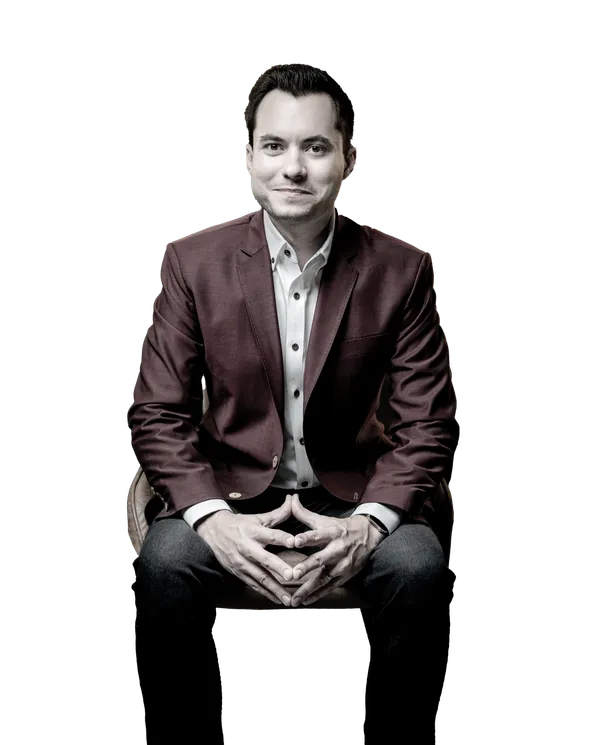
On Let There Be Joy (Episode 16, September 15, 2026), generational futurist Ryan Vet gave host S. S. Coulter three tips for raising kids in the digital age: stay curious, because having information is not the same as staying curious and outsourcing the question to a machine is what he calls cognitive erosion; do things in community, because Ohio State research found 66% of parents say the demands of parenthood feel isolating and lonely and 38% have no one to support them; and remember that your kids are not your identity, because the generational pendulum has swung from the latchkey childhood to the over-scheduled one. He also named the velocity gap, technology accelerating faster than human wisdom can keep up.
Ryan Vet · Video on Let There Be Joy
Every parent alive can get an answer in four seconds. Ryan Vet's argument on Let There Be Joy is that the answer is the problem. "Having information is different than actually staying curious," he tells host S. S. Coulter, and the gap between the two is where wisdom used to get made.
The show's format is three practical tips, and Ryan's are deceptively plain: stay curious, do things in community, and remember that your kids are not your identity. What sits underneath them is harder. A generation of parents is raising children in isolation while asking a chatbot what to do about the biting at daycare. Another is filling every hour of a childhood with practices and tutors and calling it love. Ryan's case is not that the technology is evil. It is that every choice carries a consequence, and we are making these particular choices faster than we can see what they cost.
Ryan's Big Takeaways
- 01
Information is not curiosity, and the machine answer erodes both.
Ryan's first tip sounds like a poster until he puts pressure on it. We live in an age where any curious question can be answered instantly, "but that doesn't necessarily satisfy our curiosity." The question he keeps returning to is what forms people, and his worry is that the forming is being handed off. "When we can go to Google instead of ask a teacher or ask a mentor or just observe it, that actually erodes some of our curiosity. That's cognitive erosion. We're taking things that used to be learned from human experience and now we're putting it on a machine." His example of what the other path looks like is Slumdog Millionaire: the character wins because he lived the answers. "That experience turned into insight, and that insight turned into wisdom."
Cognitive Erosion → - 02
Parenting has gone private, and the data says parents hate it.
The second tip is the one Ryan says he has been making in every topic for decades, and here he gives it numbers. He cites an Ohio State University Wexner Medical Center survey in which about two-thirds of parents said the demands of parenthood sometimes or frequently feel isolating and lonely, nearly two in five said they have no one to support them in the role, and roughly four in five said they would value a way to connect with other parents outside of work and home. His image for the alternative is the redwood. "There's no redwood tree that can exist in isolation." Their roots are barely deeper than a palm's, but they grow outward and interlock, and that is the only reason the tallest tree on earth stands up.
The Generational Pendulum → - 03
Your kids are not your identity, and the pendulum proves it.
The third tip is the one S. S. Coulter says surprised her most. Ryan walks the pendulum forward: boomers built the picket-fence American dream and left Gen X latchkey kids at home; Gen X overcorrected into helicopter parenting and filled a millennial childhood with drama, soccer, dance, and a tutor before bed; millennials swore they would give their kids freedom, and then gave it to them in a bedroom instead of a neighborhood. Along the way, youth-sports researcher and Take Back the Game author Linda Flanagan has documented parents spending more than three hours on a child's sport on any day with a practice or a game. "You're raising adults," Ryan says. "Kids already know how to be kids. Don't take away childhood from them."
The Velocity Gap →
The Story Ryan Told
The tell, for Ryan, was the caller ID. He grew up before the display carried names, just numbers, and he and his siblings learned to read them. They knew which number meant a long phone call. They never knew what was being said on those calls, and he still doesn't. What he knew was that his mother had those people, and his father had those people, and that when the call ended the parent who hung up was lighter than the one who had dialed.
"I don't know what they talked about, but I know my mom had that those people," he says. "So I always made sure that I had those people in my life because it was modeled for me."
That is the whole of the second tip, argued without a statistic. The question Ryan asks parents is not whether they are lonely. It is what their children are watching them do about it. "If your kids see you turning to social media or turning to an LLM like ChatGPT or Google for your parenting advice and not turning to others, what are you teaching your kids? And if you're living in isolation, you better believe that your kids are going to live in isolation."
Standout Quotes
Having information is different than actually staying curious.
That's cognitive erosion. We're taking things that used to be learned from human experience and now we're putting it on a machine.
There's no redwood tree that can exist in isolation.
You're raising adults. Kids already know how to be kids. Don't take away childhood from them.
I call it the velocity gap, when technology is accelerating faster than human wisdom can keep up.
Put away the phone and find a friend. No longer phone a friend, but find a friend.
Drag, swipe, or use the arrows to explore
Frequently Asked Questions
What are Ryan Vet's three tips for raising kids in the digital age?
On Let There Be Joy Episode 16, Ryan Vet gave three: stay curious, because having information is not the same as staying curious; do things in community, because parenting is increasingly done in isolation; and remember that your kids are not your identity, because wrapping your identity in them costs them the childhood you are trying to protect.
What does Ryan Vet mean by cognitive erosion?
Cognitive erosion is Ryan Vet's term for the gradual outsourcing of thinking to machines. In this episode he applies it to curiosity specifically: when a question that used to send you to a teacher, a mentor, or your own observation now goes to a search box or a chatbot, the capacity being replaced is not just the answer, it is the wanting to know.
What is the velocity gap?
The velocity gap is Ryan Vet's term for technology accelerating faster than human wisdom can keep up. His examples of the catch-up working are the seat belt, which arrived after the interstate made crashes deadlier, and the cigarette, which took decades to be understood. His concern with social media and AI is that the corrections are all retroactive, and some of the consequences cannot be undone.
How lonely is parenting right now, and what is the source?
A 2024 survey by the Ohio State University Wexner Medical Center found that about 66% of parents said the demands of parenthood sometimes or frequently feel isolating and lonely, 38% said they have no one to support them in their parenting role, 62% said they feel burned out, and 79% said they would value a way to connect with other parents outside of work and home.
Why does Ryan Vet use redwood trees as a metaphor for community?
Because a redwood cannot stand alone. Their root systems are only slightly deeper than a palm tree's, and palms get uprooted in storms. Redwoods survive because their roots grow outward and interlock with one another, which also makes a stand of them far more fire-resistant than a single tree. The tallest tree on earth, Hyperion, is only possible because of the trees around it.
What does "your kids are not your identity" actually mean?
Ryan Vet is not arguing for less investment in children. He is arguing that the investment has a trade attached, and most parents never price it. When the instinct to give a child a better life removes their chances to experience things, to fail, and to be independent, the parent has swapped the child's formation for the parent's idea of who the child should be. His reframe: "You're raising adults. Kids already know how to be kids."
What is the one thing Ryan Vet told listeners to do?
"Put away the phone and find a friend." He added that it does not have to be formal or hard — a walk, coffee, a local church, a local community — and that the awkwardness is part of it, not a sign you are doing it wrong.
Frameworks & Ideas Referenced
- Cognitive Erosion : Ryan names it directly here, applied to a five-year-old's "why" being answered by a search box instead of a teacher or a mentor.
- The Velocity Gap : His definition in this episode: technology accelerating faster than human wisdom can keep up, with the seat belt and the cigarette as the two catch-ups we did manage.
- The Generational Pendulum : Latchkey to helicopter to the bedroom-freedom childhood, each generation overcorrecting the last.
- The Friction Doctrine implied : The babies-fall-in-diapers and candy-bar-at-Target arguments are the friction case, made without the name.
- The Rise of Fragility implied : What happens when the first failure, the first theft, the first hard fall is deferred to adulthood.
Books, People & Sources Mentioned
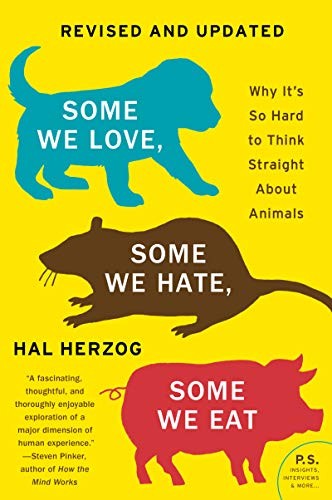
Some We Love, Some We Hate, Some We Eat by Hal Herzog
The book Ryan had just finished, and the source of the cat-owners-who-say-they-are-dog-people finding that opens the episode.
- Take Back the Game by Linda Flanagan : Ryan's source for the hours parents pour into youth sports.
- Ohio State Wexner Medical Center: the loneliness epidemic among parents : 66% of parents say the demands of parenthood sometimes or frequently feel isolating and lonely; 38% say they have no one to support them; 79% would value a way to connect with other parents.
- Scrolling 2 Death (Nicki Petrossi) : The podcast Ryan points parents to for the life-and-death end of the kids-and-technology conversation.
- Hyperion, the tallest tree on earth : The redwood Ryan cites at "380 some feet," and the root system that makes it possible.
- Planet Fassa and the Fassa Tails series : S. S. Coulter's children's book world, built for screen-lite play.
Keep Exploring
-
 Collide essay When freedom became fear: how a generation lost its courage to let go Helicopter parenting didn’t appear overnight. It was built on headlines, moral panic, and a fear that safety could replace strength. Explore →
 -
 Collide essay The rise of fragility: what we created when we tried to keep kids safe How a safety-first culture unintentionally reshaped childhood and what it means for every generation. Explore →
 -
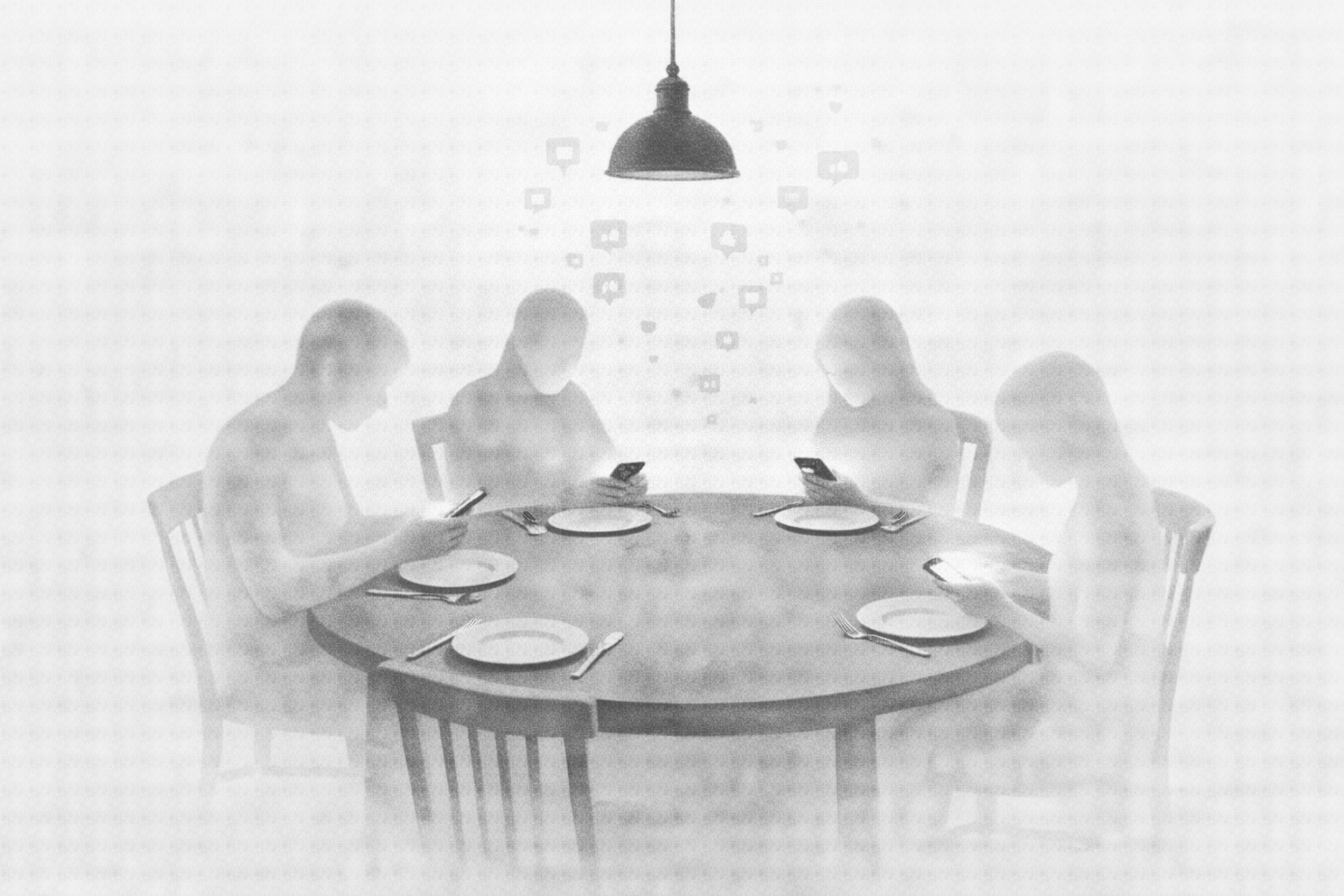 Collide essay We've never been more alone The Surgeon General says loneliness now kills like smoking 15 cigarettes a day. The youngest generation is the most at risk. Explore →
 -
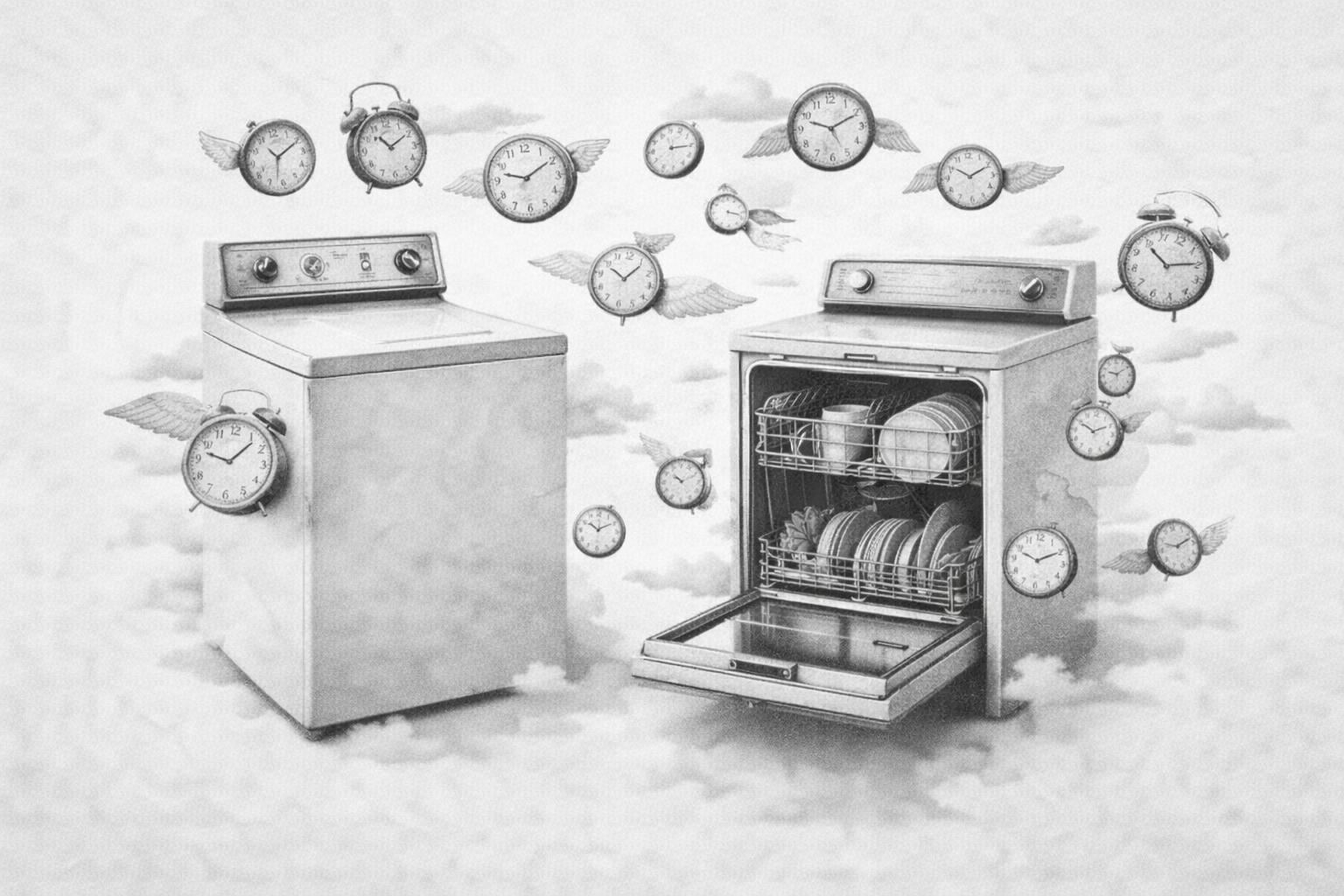 Collide essay What we lost when life got easier What washing machines and dishwashers tell us about artificial intelligence and the Velocity Gap. Explore →
 -
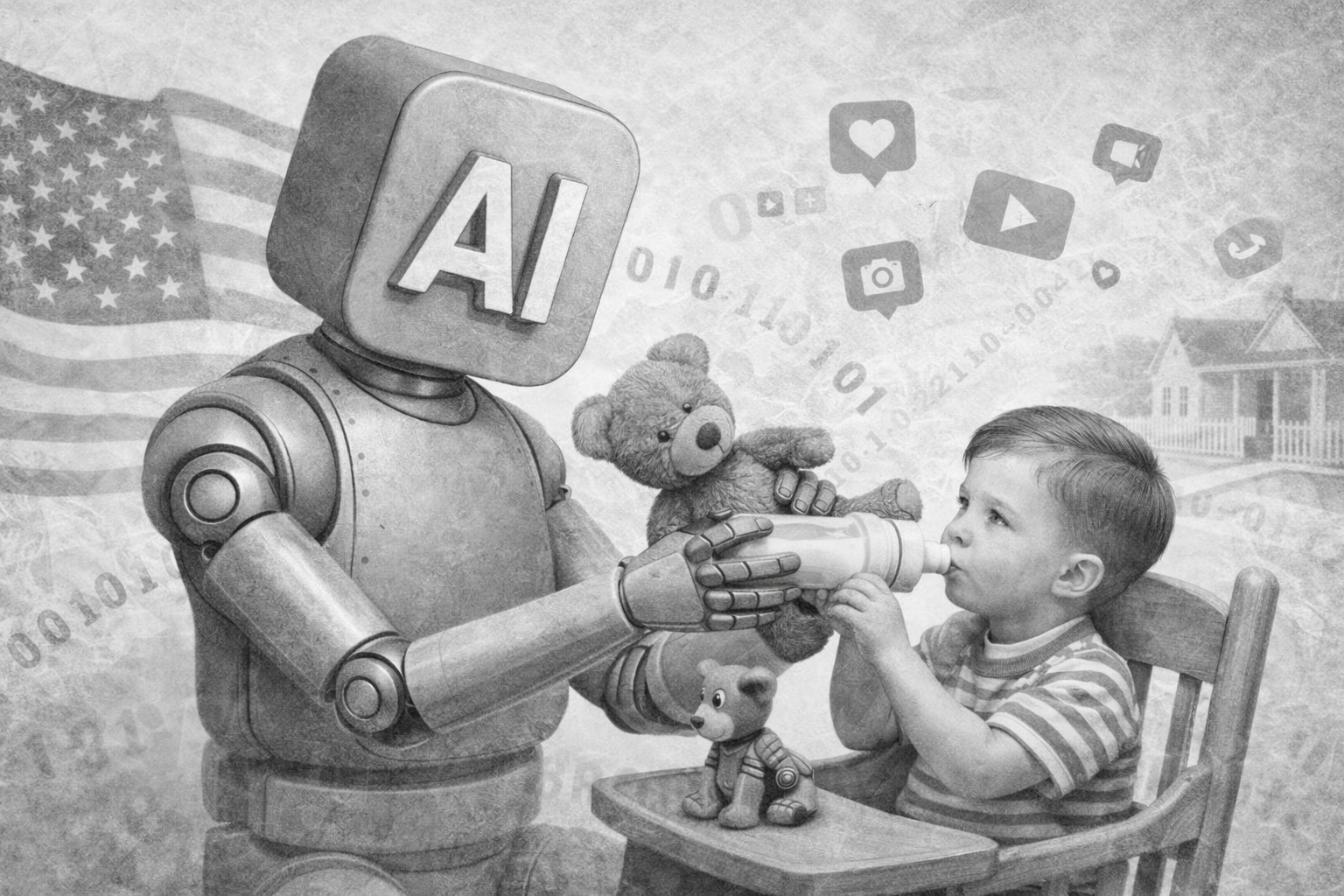 Collide essay The future of parenting: the impact of AI on raising Gen Beta Parent Tracked, Algorithm Raised. The Quiet Trade We’re Making in the New Age of… Explore →
 -
 Appearance Ryan Vet on A Geek Leader: AI, cognitive erosion, and what won't change Generational futurist Ryan Vet joins the A Geek Leader Podcast to unpack what AI will not change, the cognitive erosion already underway, and the seven forces moving the generational pendulum. Explore →
 -
 Appearance Ryan Vet on Our Future Is Kind: the human advantage Generational futurist Ryan Vet joins the Our Future is Kind Podcast to argue that labeling a generation is one of the unkindest things we do, walk host Michael G. Neece through the job-hopping data that dismantles the millennial stereotype, and explain why AI is a hammer that can build a house but cannot give you shelter. Explore →
 - framework The Velocity Gap Explore →
- Explore Ryan's generational frameworks Explore →
Ryan writes one free essay a week. It's called Collide.
How generations are reshaping work and home. Practical, research-backed, and delivered weekly. Read it at RyanVet.com/collide.
Links from this conversation
Full Transcript
The complete conversation between S. S. Coulter and Ryan Vet, transcribed in full. Key terms link to the ideas behind them.
Hi everyone, it's S. S. Coulter. It's that time in our week when we're going to slow down and bring some joy back into our lives. Today we're talking about how much life has changed in such a short period of time, especially for our kids, and asking a really important question. With all the information, convenience, and technology we have today, what might we be losing along the way? So with that: let there be joy.
Welcome to Let There Be Joy, where S. S. Coulter talks with experts who share three simple, practical ideas you can actually use to help build a life you don't want to escape from.
Welcome to this week's episode of Let There Be Joy. I spend a lot of time thinking about how much life has changed in such a short period of time. We have more information, convenience, and technology than we ever have before, and a lot of it is really truly amazing. But what might we be losing along the way? That's what we're digging into today, and I think you're really going to enjoy this conversation. So it is truly my pleasure to tell you a little more about Ryan Vet. Ryan Vet is a generational futurist and USA Today bestselling author who has spent 20 years and more than 1,000 stages explaining why generations misread each other. He incorporated his first company at 14 — that's amazing — and spent the next two decades founding and running businesses and leading teams across all five generations in today's workforce. Today, Ryan studies how each generation is formed and what that formation means for the people responsible for leading them. He's the author of five books, including two USA Today bestsellers, and he has spoken on four continents. And he's also a millennial raising three kids under seven. So, as he puts it, he doesn't study generational conflict so much as live it. What I love about his work is that Ryan gets us to stop and think about why we do what we do and what we're passing on to the next generation. I am so excited to introduce Ryan Vet. Hi Ryan, welcome to the show.
Thanks, Shannon. Thanks for having me.
I'm really excited, because Ryan and I, when we met, realized that we are both from the suburbs of Chicago, which is fabulous. We were not rivals. I'm a little bit older than him, so I can't get mad at where he's exactly from. And before we get into his awesome tips — and I'm really excited for everyone to hear them — I wanted to point out the brooch I'm wearing for Ryan. So part of Ryan's gig is that he's a sommelier. That's not what we're talking about today, and I could not find in my brooch collection anything to do with that. So I wore this really obnoxious cat one, because his last name is that. So I thought that kind of went with it. Anyway, that is your themed roast, Ryan.
Well, I appreciate that.
That's lovely. Anyway, let's get into your tips right away, because I love talking to you and I really just think this is going to be so beneficial. So your first tip today is: stay curious. So let us know what that's all about.
Thanks, Shannon. And I think it's one of those things that sounds cliché and simple, and yet we live in an information age where we can get the answers to any of our curious questions, but that doesn't necessarily satisfy our curiosity. Having information is different than actually staying curious. So since you brought up your brooch, let's play off that a little bit. A book I just finished reading called Some We Love, Some We Hate, Some We Eat by Hal Herzog — if that title doesn't intrigue you, then I don't know what will. But I read this book and it's about animal and human relationships over history. And one of the things that you would think is there's cat people and there's dog people in the world. We have this idea in our head. And he unpacks it in his book. He was curious about this idea, and so he started asking cat people whether they were actually cat people or not, or dog people. And ironically, many people who own cats actually would say that they are dog people. That's the interesting thing about it. And so part of staying curious is not taking everything at face value and understanding why things are the way they are. And that's a lot of where I spend my time in human formation.
My friends, my small group, other people that are in my community are often my guinea pigs for my bad stories, my bad jokes that I ultimately don't use on stage if they flop there. But also, we have a couple in our small group that have cats. And so they walked in, and I asked the husband, "Are you a cat person or a dog person?" Now, he's naturally pretty shy, and so he turns red and he looks at his wife and he's like, "I'm actually a dog person." Like, Hal Herzog was right in his book. But I say all of that — and it was not where I was going to go with that — but I think as we were talking about these three ideas, one of the things that I think allows us to find joy in our world today is this idea of staying curious. Because again, when we have any information we want at our fingertips, when we can ask the robot friend sitting on our counter what the weather is today or how long it's going to take to get to work, that eliminates curiosity. It answers questions, but there's a big difference between that and trying to figure out how something works. If you think about a kid and they have their crayon box, they always go for the purple or the blue or the green when they're drawing skin on someone's face when they're young. Why? That's not an experiment. That's just how they're seeing the world. They're seeing it through a different lens. They're seeing it with curiosity. But the more information we get, we actually start to lose that curiosity that we are born to have.
And I think we think that access to all this information technology makes us more well-rounded. But there's a big difference between being formed by experiences and actually just getting information. I think of the movie Slumdog Millionaire, which is so fascinating. That movie — and it's been out for over a decade and a half, so if you haven't watched it, it's not even a spoiler alert at this point, you're just behind — but he learned through experiences, staying curious, and that's how he won the Who Wants to Be a Millionaire, or the equivalent of Who Wants to Be a Millionaire, because he experienced things. And that experience turned into insight, and that insight turned into wisdom. And I think that's what we're missing so much in this information age. We can go read a book on parenting, for example — and I know you and I have talked about the word parenting, and that's a relatively new word within the last 40 years. Not that it didn't exist before, but as far as adopting parenting styles. And now almost three quarters of all millennial parents say that they have a parenting style that they conform to. And that's not being curious. That's applying information. Nothing wrong with that. But I think one of the most valuable things we can do in today's day and age is just stay curious. When I started researching what I was doing back in 2008, I will never forget, we found a chart and it said as society's knowledge is going up, our wisdom is going down.
Because we're not diving deep into anything. It's all surface-related. And then I want to take it to something you just said, but I like to repeat. You can watch people doing things, you can get all this information, but unless you do it yourself, there's no applied knowledge which then can turn into wisdom. So I like to say, for people who just spend their lives on screens, I want you to think back to learning how to ride a bike. You could never have learned how to ride the bike on a screen, right? You could get the concept of it, because you can get the concept watching other people ride the bike and know you want to do it. But until you sit on that thing and feel it and fall and all of the things that go along with riding a bike, you can't learn it. It's surface. And I think that's kind of where you're coming from. I know that's different than curiosity, but it's the same thing with parenting. I can read a parenting book and put that person's idea of parenting out there. But until I do it myself with my kids — you need that knowledge to turn into the wisdom of how you can parent your kids.
Yeah, I think that's exactly right. And I think the question, when I think of specifically raising the next generation and when it comes to staying curious, is what forms people. And that's really the question. Whether it's the device in their hand — hopefully not that often — whether it's the kids that they play with on the playground, but even the parenting books. And I don't want to knock parenting books, because I do write a lot and some of that covers into the parenting realm. But if you have more than one kid, you know, or if you've even been around more than one kid, you know that they're not the same, and you cannot parent them the same way. The same discipline structures or reward structures just don't work. And one of the concerns I have with the information is, yes, people say, "I'm curious because I read a book, or I even listened to a podcast." I mean, we're on this podcast now. But sometimes that can be just as damaging if you take this and apply it as gospel truth and don't stay curious enough to say, "Hey, what can I glean from that that's helpful? And then what actually makes more sense in my particular context and with my particular kids?" I've got three kids and I cannot treat them the same. I treat them equally, right, with love and respect, but the way I discipline one wouldn't work for the other one. The other one would just laugh at that. Or the way I reward one, the other one would scoff and say, "That's a dumb reward." And so you really have to take all of this and try it out. And that's what staying curious is all about. It's not just the information, but applying that information.
That's great. I was just going to ask you, how do people stay curious? Go ahead.
Yeah, I would say ask the question: what forms people? Why do people do this? Why do you do what you do? And asking why. It's what the five-year-old always asks. I don't know how kindergarten teachers do it, but why? Why? Why? They're trying to understand why the world works. It's natural. As a human being, we want to know how the world works. But at some point, when we can go to Google instead of ask a teacher or ask a mentor or just observe it, that actually erodes some of our curiosity. That's cognitive erosion. We're taking things that used to be learned from human experience and now we're putting it on a machine. And that's really concerning.
It is concerning. And the other thing that I have noticed, and I've had to pull myself back from it, is you don't take any time to think through things anymore. You immediately go to Google or AI or whatever, and you're not taking any time to critically think through things and kind of figure stuff out yourself.
Yeah, exactly. And that's a huge concern. Huge concern.
Yes. I could talk about this for the next half hour. So let's move to your second tip, which is: do things in community.
I think this is one of the most important things, and I've said this for decades in any topic I have, whether that's parenting or leadership. One of the scariest things that I'm seeing right now — motherhood in particular, but across all parents — is that motherhood is being done more and more in isolation. If you look at the generation being raised right now, being born right now, we have Gen Beta already being born. So you've got Gen Z in college, Gen Alpha in grade school, effectively up through about middle school and early high school, and then Gen Beta is being born. We've got a whole new generation we're hardly talking about. And my fear for them is that so many parents are outsourcing parenting. They're outsourcing that to AI. They're asking, "Hey, my kid got bit at school," or "My kid was the biter at school" — I've got both of those in my family — "what do you do with that?" And it is easy, right? We live in an easy world. It is easy to go and grab that information and then try to apply it to the situation. But there's a big difference between that and picking up the phone and calling your own parents, calling a peer who has kids maybe a little bit older, or even, if you don't want to do that, kids that are a little bit younger, and saying, "What would you do?"
But we're so afraid. We've sculpted our self-image so much — and social media has been a big reason we've done that — that we're afraid to be vulnerable and ask a question that, you know what, it's part of life. Your kid is going to get hit or be the hitter. That's just going to happen if they're interacting with other kids. I'm not saying it's right, but that's how we grow and learn that you shouldn't do those things. And it's better to learn it then than to learn it in a much later context. It's like the kid that is five or six or seven years old that slips a candy bar in their pocket in the checkout line at Target. The parent can walk them down and have a conversation. That's formative. That's a really good opportunity. Not that they stole in the first place, but you can have that conversation. But if you don't allow them to have those experiences, and the first time they do that is when they're 25, they're going to prison. And the same thing is true when you're walking or anything else. Babies fall down, and thankfully they wear diapers when they're learning to walk 95% of the time. So they've got a little bit of extra cushion, but they're okay. They're durable. They're close to the ground. They're only, you know, 20 inches tall, so falling doesn't hurt that bad. But if they were to learn to walk for the first time when they're four feet tall, that's a big fall. They're already much more fragile. Even though they're going to be a durable kid, they're still much more fragile than they were even when they were little.
So doing things in community is so important. I think of the redwood trees. There's no redwood tree that can exist in isolation. Their root system is only slightly deeper, by a foot or two, than a palm tree. And yet you see palm trees uprooted all of the time in any storm. But together, redwoods — their roots for the most part grow out horizontally and interconnect with one another, and together, based on their canopy and their sap system, we don't have to get into all the ecology of that, but they actually have almost become fireproof as well when they stand together. Not that they can completely withstand it. So you've got these trees that cannot grow alone and can only survive together, but they're the tallest tree. Hyperion, which is the tallest one, is I think 380-some feet tall. So you have this power of community. It's the same thing with the flying V of the geese. They fly together because the draft of the wings makes it easier for the ones that have been flying behind. And we as human beings are created — you know, if you look at the creation narrative, everything was good until it was not good when man was alone. And I think that's something that we've forgotten, because we've replaced community with technology.
And we talked about this offline, but it really does get into people's heads. And I will say this, because if Ryan says it, people might say, "Well, he's a man." Well, men know too. But as a woman, we do a lot of groupthink. It's just how we're made, because we're empathetic and we're community-minded — and we're taking ourselves out of the community. So what a lot of people are doing is isolating themselves at home and then being on Instagram and TikTok and all these things, and starting to do things that I don't think you would if you had, you know, checks and balances of friends around you. And we were talking about the old neighbor that you could have asked for a cup of milk, or for advice for the biting child, and the girlfriend next door that you could go get a hug from. And what's happening for our kids on these devices is the experiences that Ryan's talking about, they're not having. But also they're not developing the brain power to be able to pick up the phone, like you're saying. It's not because they're not nice people. It's because they haven't developed that part of their brain that's not totally full of anxiety when they have to pick up the phone. And for good and bad, our brains are plastic, right? So the more we isolate ourselves, the more our brain on that side is getting kind of shut off too. But I really like the idea of the root system and the holding each other up, because one thing we know — you talked about the creation story, but God says not one man on this earth goes through something that another man hasn't gone through. To your point: call somebody and ask about your biting children. Remember my brother biting me?
Yeah, exactly. You know, Ohio State had a study — it's only a year old now — that said 66% of parents in the United States say the demands of parenthood are frequently isolating and lonely, and 38% say they have nowhere to turn.
38%.
And about 80% of them say they want to be able to connect with people outside the home.
What was the last percentage?
80% want to connect. And so you have this idea that we want to connect with other people. But as parents — and I'm speaking as a millennial parent, who are, you know, the majority of the parent population right now — we were raised to curate our image. And so showing vulnerability is really concerning to us. But I want to ask this question, going back to staying curious. The question on staying curious is: what forms people? If your kids see you turning to social media or turning to an LLM like ChatGPT or Google for your parenting advice, and not turning to others, what are you teaching your kids? And if you're living in isolation, you better believe that your kids are going to live in isolation. And as an adult, you've probably had periods of plenty and not, and so you can navigate some of the harder periods than a kid can. But as that kid goes into middle school and high school, if their model has been isolated parenting, what do you think they're going to do? They're going to turn inward, and it's going to be even harder for them, because they haven't had the example of, hey, I can pick up the phone and be vulnerable.
I know who my mom talked to growing up. We knew that number, because it came across our caller ID before they had names on there, and we knew when that was going to be a long phone call. And I don't know what they talked about, but I know my mom had those people. I know who my dad had. I know who he would reach out to. I know he had those people. And they never told us about it. I'm sure they were talking about parenting and other things and life, but I knew they had those people. So I always made sure that I had those people in my life, because it was modeled for me.
And the other thing is, I bet you remember — even though you didn't know what they were talking about, I was just getting this little joy in my heart thinking about it — when they got off the phone, they were happy.
Yeah. They got recharged.
Yes. And the other thing that's recharging, and I'm just going to say this, I hope, Ryan, that you do this — my kids are older now, but if you do have those friends, you guys can swap babysitting. And so you and your wife can go out and have a romantic evening knowing that your kids are not only safe with your friends, but also having a good play date and learning all the things that he's talking about. So there are so many benefits to it. I said the older neighbor that can mentor you, the younger neighbor that you can mentor. It's just beautiful.
Yeah. And there are so many studies that show kids, particularly young men, that have other male figures that are not their father or their caregiver in their home — their chance of being successful in life, I think, if they know six other adult males that they could reach out to, is profoundly greater than anything else. So that gives your kids an opportunity. You're giving your kids a leg up and saying, "Hey, here are some other adults that you can trust, that you know you can reach out to, and you can see how they do life." And it might not be the same way we do it in our house, and we can talk about that. But I think, again, we've just moved to this isolated mindset, because we want to control everything. The technology has given us the ability to control everything in our life to be the way we want it. And that's not real life. It isn't real life, because once you step out the front door, everything — I mean, it can go right, but a lot of things go wrong, and you have to know how to deal with it.
And I was just saying, the comparison before, of being online, especially for women — if you're trying to make yourself into what this person is portraying of themselves online, you can't do it, because guess what, it's not real.
Right.
Yeah. But if I record something without my makeup on, oh my gosh, what are people going to think? Who cares? I'm saying I have to talk myself up, because some people look so perfect out there all the time. And that's not realistic.
It's not.
Yeah. At all. So before we move on to the third tip, we're going to take a quick break.
Screens are easy. Now imagination can be too. Planet Fassa brings kids and families into a world of fun activities, stories, service, and awards that build imagination muscles. Download five quick activities, free coloring pages, and character-building books at theplanetfassa.com, where the better choice becomes the easier choice.
Hi everyone, we're back. We're here with Ryan Vet, and he is giving us some amazing tips on getting back into community and curiosity. So his third tip is: your kids are not your identity. Ryan, can you tell us more about that?
I think this is one I don't talk about enough, because I work with leaders a lot, but I work on leaders understanding what forms the next generation. I think one of the biggest things we've seen — and it's a generational pendulum, meaning it swings back and forth from generation to generation — but kids, for most of modern recorded history where we have data and statistics, which in and of itself is great and a problem, we see that kids become the parent's identity. And we really saw this with the baby boomers. The baby boomers wanted the 2.2 kids, the white picket fence, the golden retriever, and the suburban house. All those things were relatively new. The 30-year mortgage was new to them. Access to credit lines that could buy cars. Garages were relatively new — not that they didn't exist before, but as far as being a staple in the home. Declining birth rates were new, so you had smaller families that fit the five-seat car. All these different things happened around the same time. And so this was the American dream — we're talking specifically about this American idealistic life. Well, those kids were told to be quiet, respectful, sit still in church. They had to attend school. They had to be perfect. But yet their parents were not home. And that's where we have the latchkey kid generation. So Gen X would come home to an empty house, because their parents were working so hard on fabricating a futuristic life that was going to be better. They were going to provide financially, because they grew up in instability and in an era of frugality. So they tried to reverse the curve.
Well, flip it forward. Gen X did the same thing as Gen X became parents. They became helicopter parents. They overcorrected. This is how the pendulum swings. They overcorrected what their parents did and said, "Hey, our parents were so absent. We're going to be hyper-involved in our kids' lives. We're going to make sure they're enrolled in drama, and after drama they're going to go to soccer practice, and after soccer they're going to go to dance, then they're going to have their tutor, and then they can go to bed." And studies show — and I have all of these studies on my website, you can go deeper — but studies show that millennial kids in the '90s and early 2000s were working, and I'm doing air quotes for those of you just listening, but were working up to 55 hours a week between school and sports and extracurriculars. And guess who was there all the time? The parents. And you see now, Linda Flanagan, who is a big researcher and reporter on kids' sports, says that parents spend almost 3.3 hours a day on their kids' sports, and that includes driving to and from and attending practices. And I'll go back to my last point. The kids, after they get home, they're spending more time at home than millennials did — Gen Z is — and yet they're spending more time at home in their room. Family dinners are almost obsolete. So we're seeing this huge pendulum where the millennials said, "Hey, we were overcorrected. Parents spent too much time, so we're going to give our kids the freedom." Well, now they're giving the kids the freedom in their bedroom instead of out playing in the neighborhood.
So kids are not the identity. This is the problem. We invest so much because we want what's good for the next generation. And that's good. That's a good thing. That's our instinct. We want to provide. We want to make a better life. But we don't think about what we're trading in the process. What is that trade that happens when we say, "Hey, I want a better life for them"? Well, yeah, that's great. But if you take away the ability for them to experience things, or to fail, or to be independent, all of a sudden you're wrapping your identity up in what you think your kids should be instead of letting them grow up. You're raising adults. Kids already know how to be kids. Don't take away childhood from them. But think about the implications of what you're doing today for their future.
It's really interesting, because what we've caused now — and this is so dear to my heart — two generations, and probably more right now, of kids who aren't playing and not experiencing and not learning. And it's really sad, because as Ryan said, what that is doing ultimately is hurting their adulthood. It's hurting their ability to be out in the world. And what we talked about earlier is that they have the same souls and spirits that we do, but they're not able to express them. And that's why they're so isolated, and that's why they're not picking up the phone, and that's why they're so anxious and depressed and all of these things — because they never got to express it. And I'm going to say something I say a lot, I want to see what Ryan says, but: you have your whole adult life to be working and on screens and responding to emails and being stressed. Why put that into your kids' life? They don't need it.
Yeah.
I think the unintended consequence of what you're saying is that we are making our kids grow up too fast even when we're trying to protect them. Because even with sports, that drives me crazy, because you're taking away free time. And that's where the curiosity comes, and that's where all the things you're saying, the community, comes — because you're just basically having your kids scheduled at all times. It's like they have a job.
It is. Yeah. Every choice has a consequence. And I know that's a slogan you say. I say it a lot to my kids. And consequence, if you break down the etymology of the word, literally means "with something happening after." And that's it. It's not bad. We usually have a negative connotation, but every choice we make today has a consequence. If we knew the impact of social media on kids, we wouldn't have given them phones when we did. If we knew the impact that AI is already having, we would be pumping the brakes. We've had the seat belt moment. We've had the cigarette moment. Many things that I've written about and researched for years and years — we've had all those moments in history. But the problem is now with technology, and I was a big part of this technology, I was in the VC world for a long time, and so I know what we were trying to do, and most of it was well-intended when we were starting out on this journey. But what's really fascinating is, I call it the velocity gap, when technology is accelerating faster than human wisdom can keep up. Meaning: we knew that car accidents were bad, and then as we had the interstate highway system, we realized that cars were going faster, and so we had to implement safety mechanisms like the seat belt and then the airbag. Cigarettes took us a long time to figure out that they could be causing cancer and other things. The problem with technology is it's happening faster than we can keep up, and now everything we're doing is retroactive, and you can't go back. A lot of these things are life and death. Nicki Petrossi of the Scrolling 2 Death podcast — her whole podcast is dedicated to this, and it's really almost scary, some of the conversations she has with parents about technology and how these become life-and-death situations.
So again, we don't need to shape our — our kids are going to be kids. They're going to scream, bite, talk back, do all those things. It doesn't mean you have to tolerate those behaviors. You still have to be the parent. Don't be the friend. But at the same time, you have to raise an adult. So you have to think about: your choice today has a consequence, not today. But what is the choice you're making for your kid right now? What's that going to do to them when they're 25?
Absolutely. I'm blown away by everything you said, because it just is so deep in my heart for how we need to raise our kids. And I want to point out that all of this — the technology, the speed of the technology — isn't reversible, but how we react to it is. And as I said earlier, our brains are plastic, thank God. And so you can turn this thing around by getting your kids, pointing them to do other things, putting your phone down, looking in each other's eyes, having family dinners. All this stuff is reversible. We just have to do it together as a community. So that's the next step: realizing what's happened, not blaming anybody except for those who should be blamed — those are the evil engineers on the other side of the phone. Ryan wasn't one of them, he was doing good things. But it is reversible.
So I want to walk back through your tips real quick. I'm going to recap them. Ryan's first tip today was stay curious. And he pointed out that having information is different from staying curious. The more knowledge we seem to be getting from technology, the less wisdom we're having. We're very surface right now. And he pointed out that joy is the idea of staying curious. And how can we do this? Ask what forms people. Be interested in things. Look longer at things. Take a moment to try to figure something out before you go to Google or one of the AIs. And if you can look at your kids, see that they're drawing with purple and wonder why, and maybe ask them so they can explain it to you. Number two: do things in community. He talked about community as our root system that makes us stronger, how we stand stronger together. Isolation is really having a bad effect on us. We are outsourcing our parenting instead of reaching out to humans and asking what should I do and having that kind of connection. We are looking to the internet to give us instant answers, and the internet doesn't know who we are. It is not a human. It can give you a place to start, maybe a question to ask, but having a community is where you're really going to feel loved and feel joyful. And then tip three: your kids are not your identity. And what Ryan taught there was different than I thought he was going to teach, and I really liked it. Parents, they're spending three hours at sports a day, and it's just kind of crushing the kids and crushing you. We have a lot of good instincts that have caused an unintended trade. So he is saying, slow it down. Let them have their own identity. Just like you wanted yours, let them have theirs. I think these are fantastic tips, Ryan. And I know people are going to want to learn more about you after this conversation. You speak all the time. You have a newsletter. Can you tell people where to find you?
Appreciate that, Shannon. I'm pretty easy to find online. Ryan Vet, like veterinarian. It's really fun when I do get to speak at animal-related conferences, whether pet shows or other things, because everyone's like, "Did you make that up? Is that your stage name?" No, that's my real name. But yeah, Ryan Vet. You can find me on any of the major social media channels. I don't post a bunch, but I'm there. And then I do post a weekly essay via my newsletter. There's about 25,000 leaders on there that get it every week, and I've interviewed some great parenting experts there too. So it's definitely a free resource. Doesn't cost you anything, but you can get that to your inbox every week.
Absolutely awesome. For a summary of Ryan's tips and insights from today, you can find today's Joy PDF at sscoulter.com/joy. If this episode gave you something to think about, something to try, I would love to hear about it. Send me a voice memo on Telegram, S. S. Coulter. And if you know anybody who could use these tips today, please like, subscribe, and share this podcast so they can glean all this knowledge from Ryan. Actually, I should say this wisdom from Ryan today. So Ryan, I want to thank you so much for being here with me today, and bring this back to you before we close. What are some final thoughts or words of wisdom you have for people who just want to bring a little more joy back into their everyday life?
I think: put away the phone and find a friend. No longer phone a friend, but find a friend, and just spend time with them, and know that relationships and humans are sometimes awkward and uncomfortable. But just go on a walk with them, have them over for coffee. It doesn't have to be formal or hard. And I think the first step is just doing something in community. So whether that's finding your local church, joining a local community, but just do something in community — it makes a profound difference.
And the awkwardness will change, and it will become fun and laughter and beautiful friendship. So thank you so much. And for everyone listening today, I want you to remember that you are absolutely loved. You have a phenomenal purpose in this world. And this is the day the Lord has made, so let us rejoice and be glad in it. Let there be joy. Bye for now.
Lightly edited from the episode's automated captions for readability, with obvious transcription errors in proper names corrected.